

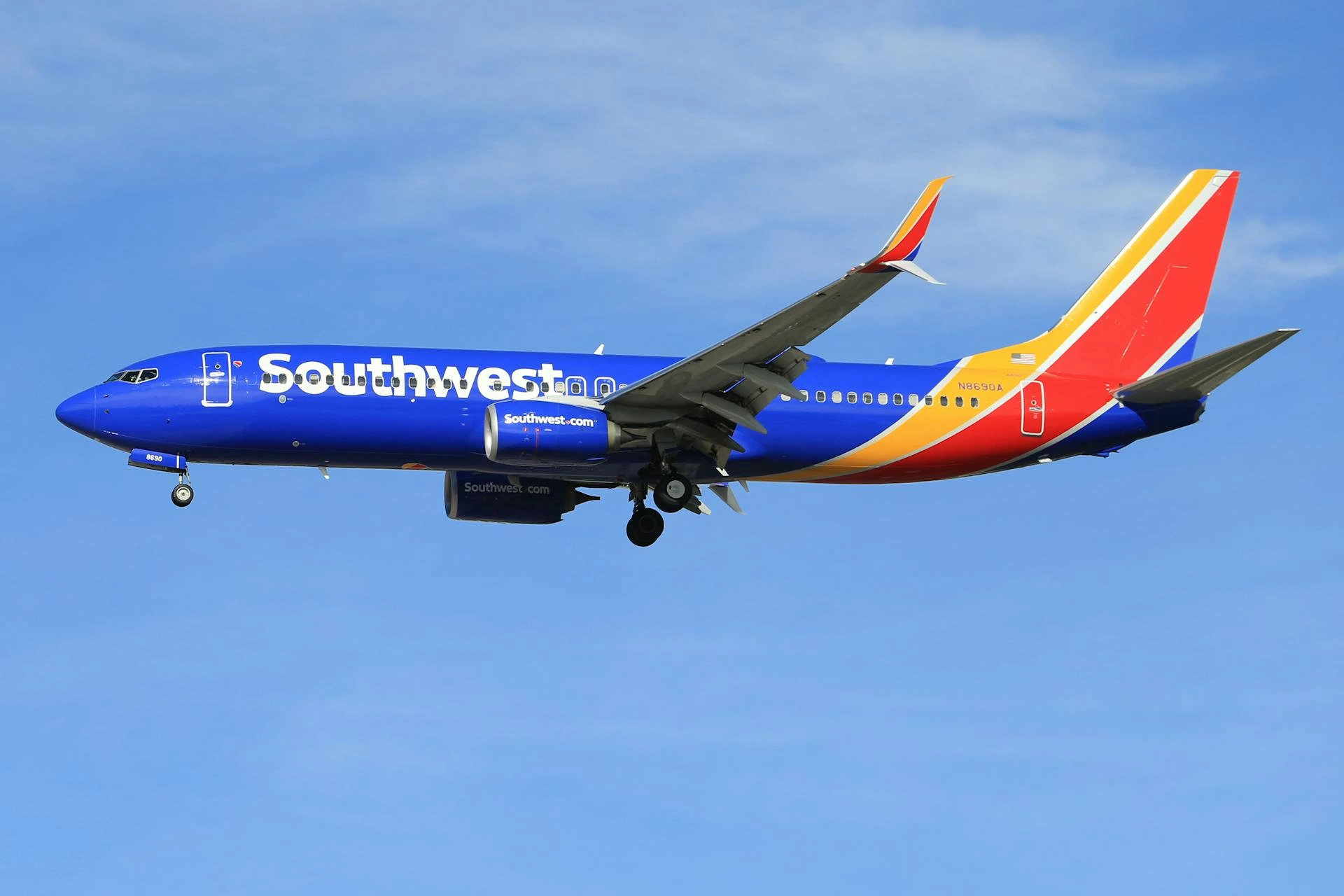
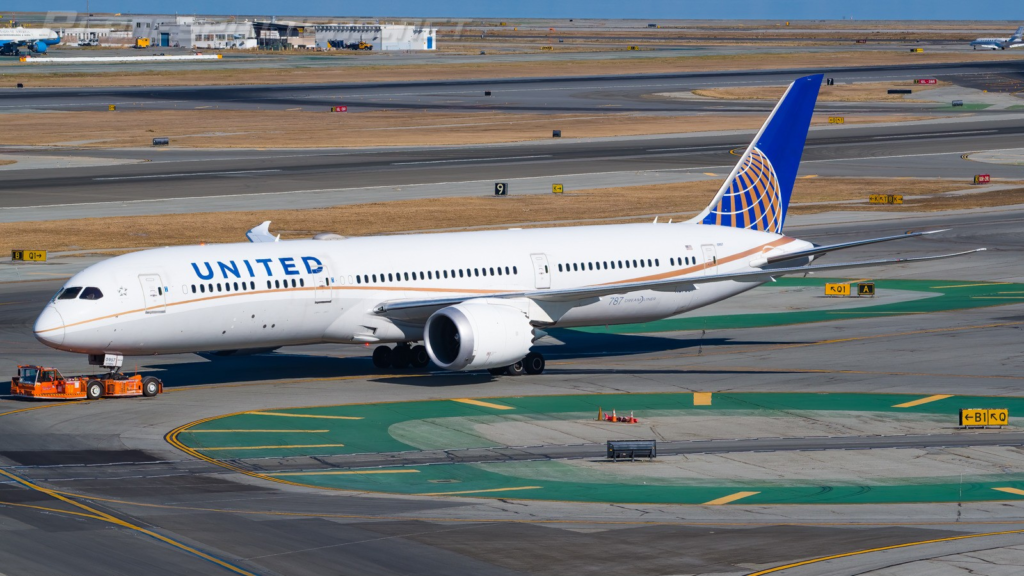
DALLAS- Southwest Airlines (WN) is leaning toward the Boeing 787 Dreamliner as its first widebody aircraft as it considers launching long-haul international flights. The US carrier has not made a final decision, and its board will oversee the aircraft selection.
The potential move would expand Southwest Airlines beyond its all-Boeing 737 fleet and open opportunities to serve international destinations farther from its existing network. The airline is also evaluating aircraft availability, leasing options, and the operational requirements of introducing a new aircraft type.
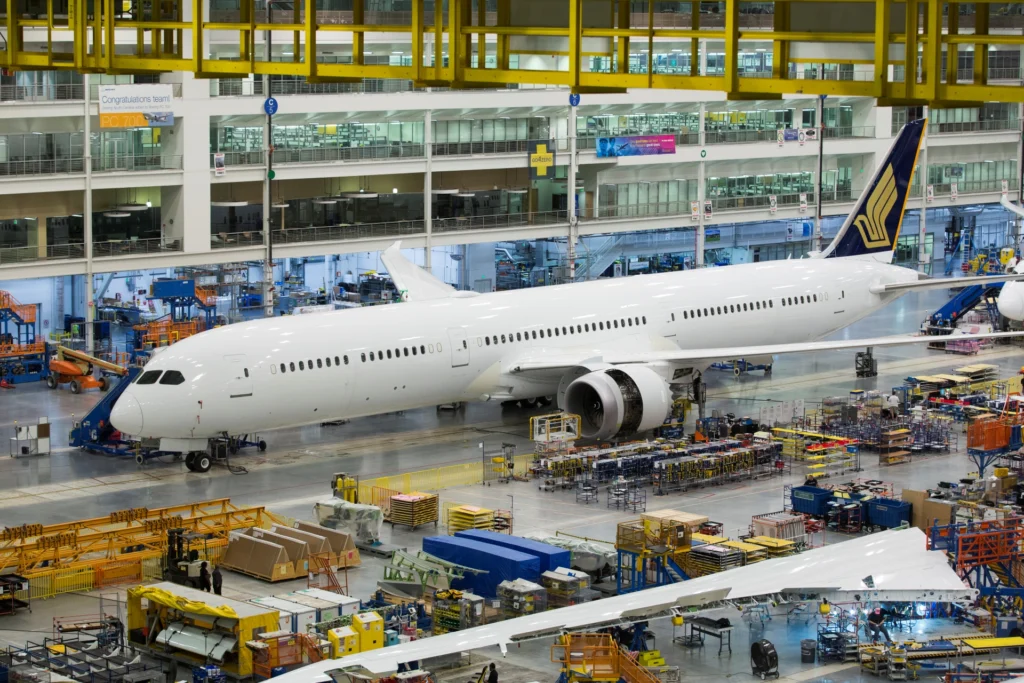
Southwest Airlines Evaluates Boeing 787 for International Expansion
Southwest Airlines is considering a fleet of Boeing 787 Dreamliners as part of its long-term international expansion strategy, according to three people familiar with the airline’s fleet planning. The sources requested anonymity because the discussions remain private.
One source said Southwest has contemplated acquiring dozens of Boeing 787 aircraft. However, the airline has not finalized its selection, and the exact variant under consideration remains unclear.
Southwest’s board will ultimately decide which aircraft the airline should acquire. Last year, the company established a Fleet Oversight Committee to help oversee its aircraft acquisition strategy.
The airline has not publicly announced a widebody aircraft selection. In September, Chief Financial Officer Tom Doxey said long-haul international services remained among several options under consideration, but management had not reached a decision.
Southwest did not directly address questions about the Boeing 787. In a statement, the airline said it had no forthcoming news related to its fleet plans. Boeing referred questions to Southwest, while Airbus declined to comment on discussions with individual airlines.
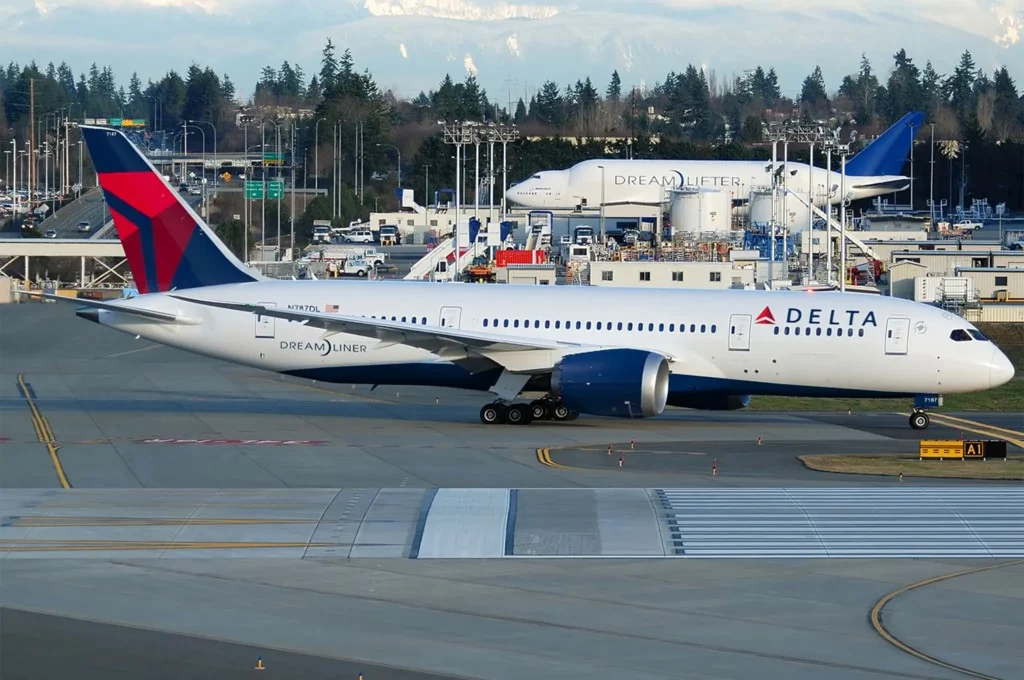
Boeing 787 Could Support Southwest’s Premium Strategy
The potential widebody acquisition would represent another major step in Southwest Airlines’ broader business transformation. The carrier has introduced assigned seating and extra-legroom seats while announcing plans for airport lounges and a premium credit card.
These changes aim to attract higher-spending travelers and expand the airline’s revenue opportunities beyond its traditional low-cost business model.
A widebody fleet would allow Southwest to explore longer international routes and compete more directly with major US network airlines, including Delta Air Lines (DL), United Airlines (UA), and American Airlines (AA).
The airline has also discussed expanding its international network to give customers more travel options within its own system. A broader network could support its Rapid Rewards loyalty program and co-branded credit-card business by encouraging customers to book more trips with Southwest instead of competing carriers.
Chief Executive Officer Bob Jordan has said Southwest does not need to replicate the extensive long-haul networks operated by its largest US competitors. In May, he said between eight and 12 long-haul destinations could cover a substantial share of the places Southwest customers want to visit.
That approach suggests the airline could focus on a selected group of international markets rather than immediately building a large global network.
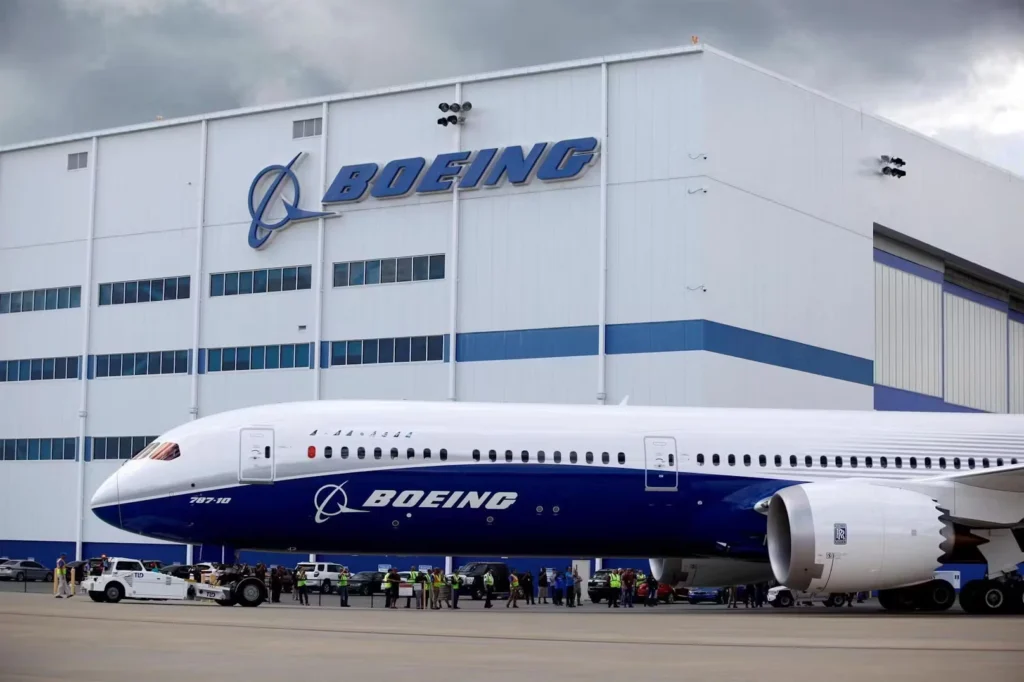
Boeing 787 vs Airbus Widebody Aircraft
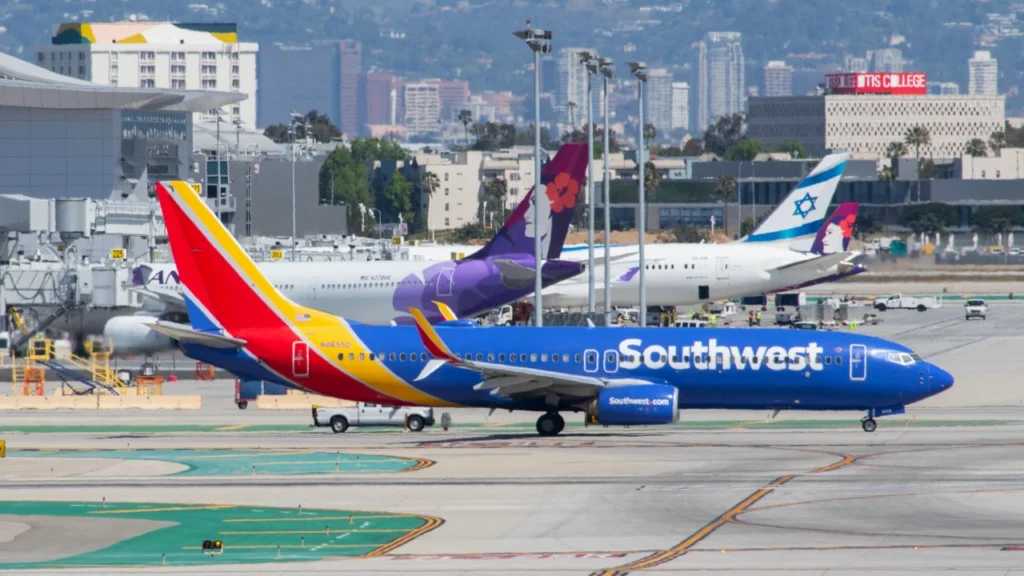
Southwest currently operates an all-Boeing 737 fleet. However, Airbus has been actively pursuing the airline as it evaluates aircraft for future growth, according to people familiar with the discussions.
Airbus has presented several aircraft options that could support different parts of Southwest’s potential expansion strategy.
| Aircraft | Manufacturer | Potential role |
|---|---|---|
| Boeing 787 Dreamliner | Boeing | Long-haul international flights |
| Airbus A321XLR | Airbus | Long-range narrowbody international routes |
| Airbus A330neo | Airbus | Widebody international operations |
| Airbus A220 | Airbus | Other network and capacity requirements |
The Boeing 787 has reportedly held the stronger position in Southwest’s internal discussions. However, the airline has not confirmed a final selection or disclosed the aircraft configuration it might pursue.
Selecting Airbus would require Southwest to introduce a second aircraft manufacturer into its fleet. Choosing the Boeing 787 would preserve its relationship with Boeing but still require the airline to introduce a new aircraft family beyond the 737.
The distinction matters because a widebody aircraft involves different operational requirements from a narrowbody jet. Southwest would need to assess maintenance capabilities, pilot training, cabin configuration, airport handling, and operating costs before committing to a new fleet.
Southwest Airlines Pilots Association President Jody Reven has also indicated that the company has examined multiple options. In a recent union podcast, he said discussions had included both a large aircraft and a narrowbody aircraft capable of long-haul operations.
This indicates that Southwest’s evaluation has extended beyond a single aircraft category, although the Boeing 787 has emerged as a leading candidate according to sources familiar with the planning.
Aircraft Availability Could Determine Launch Timeline
Southwest has discussed a potential long-haul expansion on an approximately three-year timetable, according to one person familiar with the plans. The actual launch schedule could depend heavily on how quickly the airline can secure aircraft.
Boeing has said its 787 production positions are sold out through the end of the decade. Limited availability of new aircraft could complicate Southwest’s plans if it wants to begin international operations sooner.
To address this challenge, Southwest has explored obtaining aircraft through leasing companies or the secondary market, according to two people familiar with the discussions.
Leasing could provide access to aircraft without waiting for new production slots. Previously operated aircraft could also offer a potential route to launching an initial fleet sooner, depending on availability, condition, configuration, and the work required to prepare them for Southwest service.
However, Reuters could not determine whether Southwest had finalized any leasing arrangements. It also remained unclear which Boeing 787 variant the airline was evaluating.
The availability of suitable aircraft will therefore be an important factor in determining when Southwest could begin operating long-haul international services.
Introducing the Boeing 787 Would Require Major Operational Changes
Adding the Boeing 787 would involve substantially more than purchasing or leasing aircraft. Southwest has previously acknowledged that introducing a new aircraft type could require extensive preparation across its operations.
The airline would need to establish maintenance programs, train pilots and other relevant employees, secure regulatory approvals, and negotiate changes with labor unions where necessary.
Union negotiations could cover pay, work rules, and other employment conditions associated with operating a new aircraft type. These discussions would form part of the broader preparation needed to integrate widebody aircraft into Southwest’s existing operating model.
The airline would also need to determine how the new aircraft would fit into its network, including which routes could support long-haul service and how the operation would connect with its existing domestic flights.
These requirements could affect both the cost and timing of the expansion. Even if Southwest secures aircraft through leasing or the secondary market, it would still need to complete the necessary operational and regulatory preparations before launching passenger services.
What Southwest’s Widebody Decision Means for Its Future
The Boeing 787 remains a leading candidate for Southwest Airlines’ potential entry into long-haul international flying, but the airline has not made a final commitment.
A decision in favor of the Dreamliner would mark a significant change for a carrier that has built its operations around the Boeing 737. It would also create opportunities to pursue selected long-distance international markets while supporting Southwest’s wider effort to attract premium travelers.
The airline’s next steps will depend on its final aircraft selection, access to suitable aircraft, labor arrangements, and the time required to establish widebody operations.
For now, Southwest continues to evaluate its options. The Boeing 787 appears to be well positioned in the discussions, but the final decision rests with the airline’s board.
Stay tuned with us. Further, follow us on social media for the latest updates.
Join us on Telegram Group for the Latest Aviation Updates. Subsequently, follow us on Google News
