

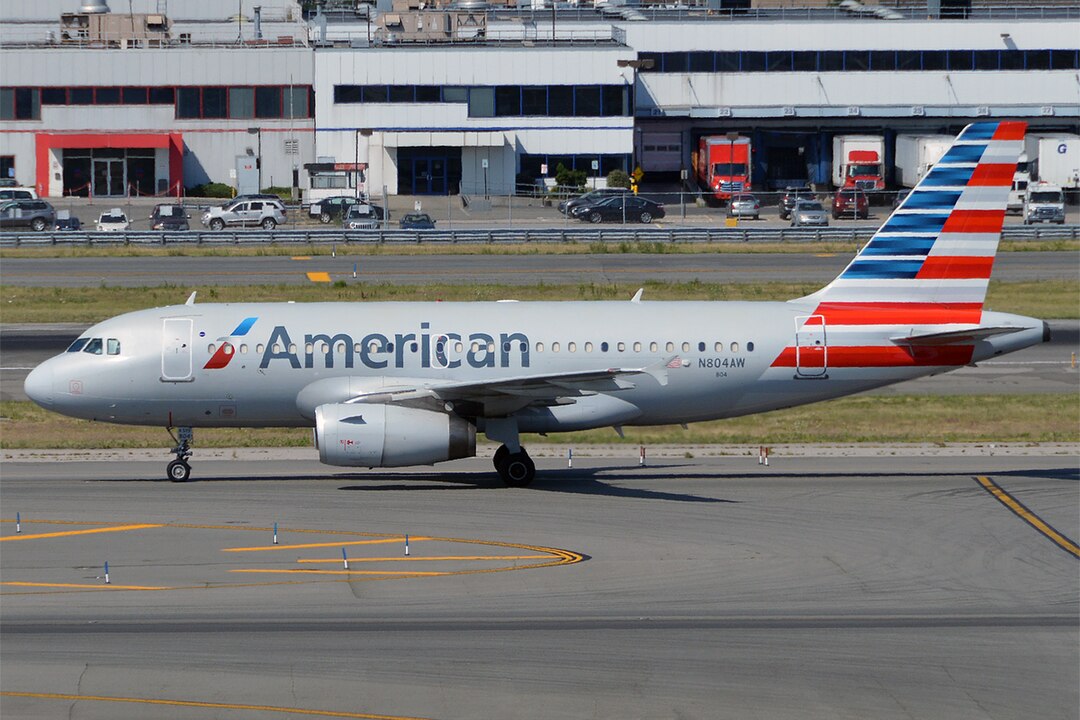
FORT WORTH- American Airlines (AA) flight AA1428 and Atlanta International Airport (ATL) became the focus of a heated cockpit-to-tower exchange on Sunday, September 13, 2026.
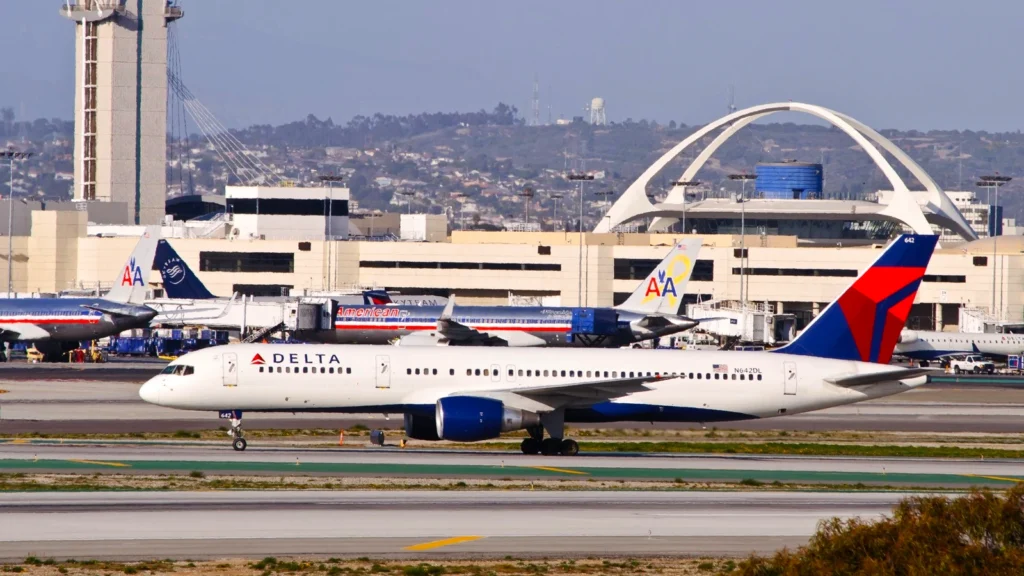
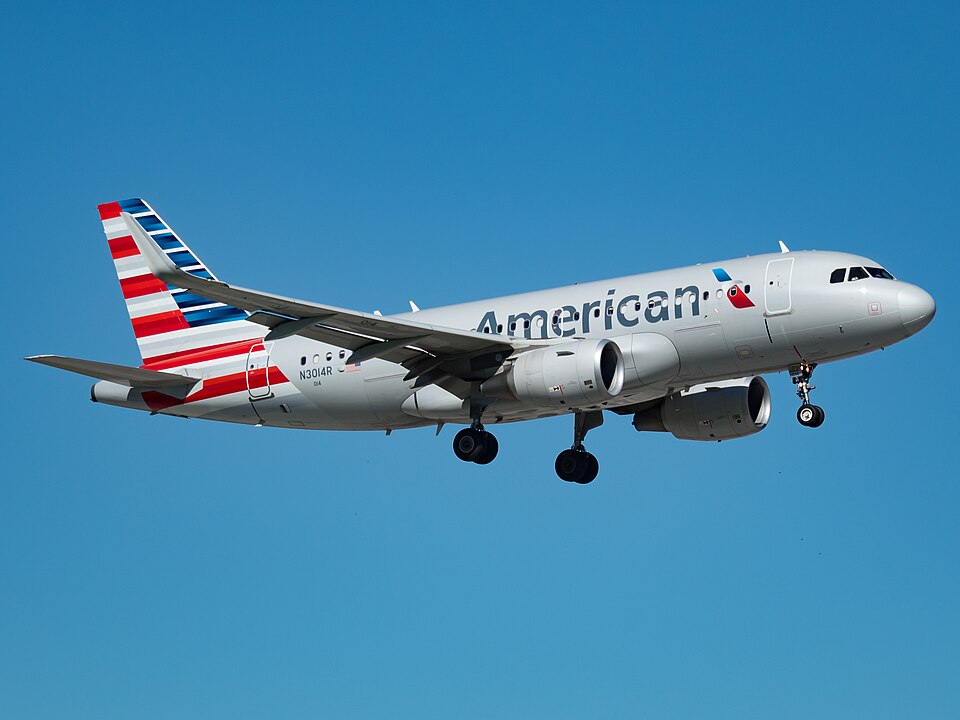
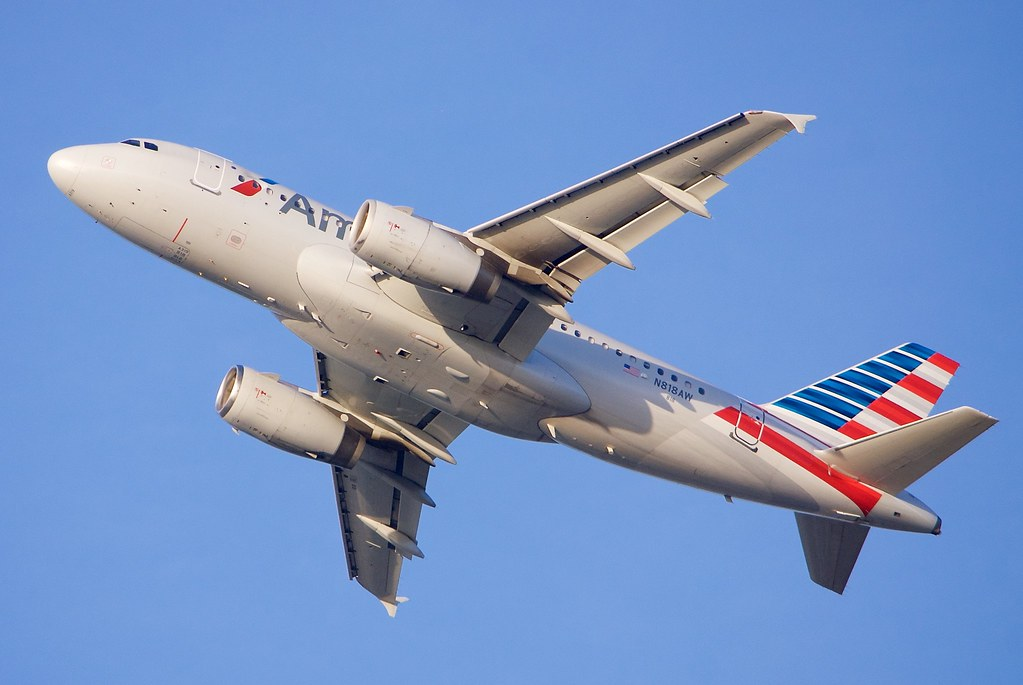
The Airbus A319, registered N812AW, was departing Atlanta for Philadelphia International Airport (PHL) when its crew requested additional separation behind a Delta Boeing 757.
The request came after AA1428 had been cleared for takeoff from Runway 27R. The tower canceled that clearance and instructed the American aircraft to vacate the runway, after which a Frontier aircraft was cleared to use the runway.
A disagreement over wake turbulence, separation procedures, and pilot responsibility then escalated over the radio.
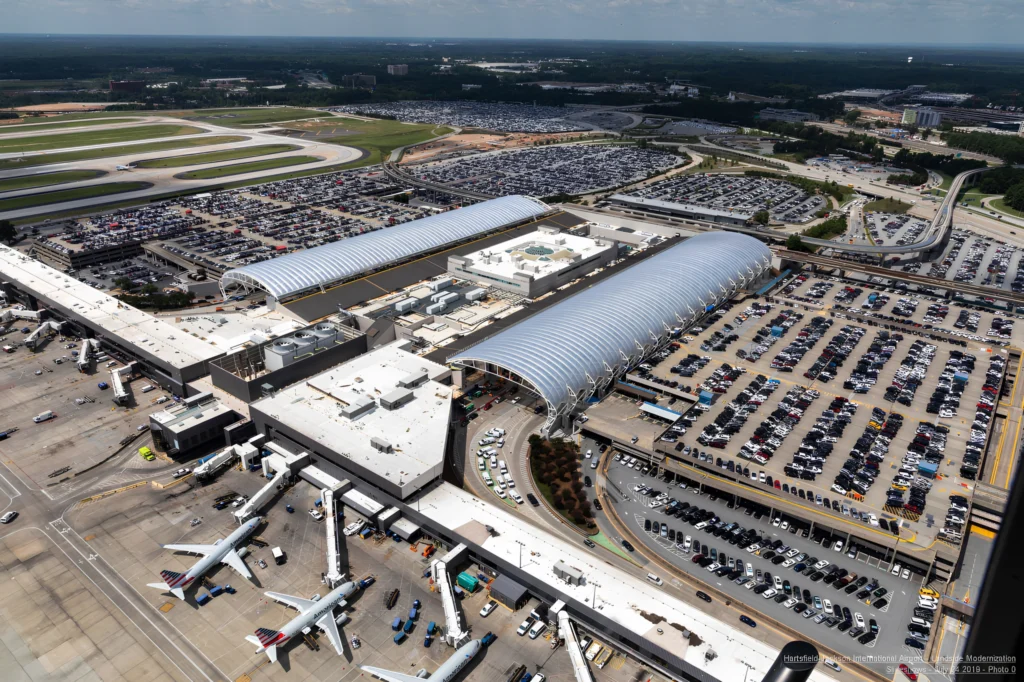
American Airlines Challenges Atlanta Takeoff Separation
According to the report published by OMAAT, the incident involved American Airlines flight AA1428, an Airbus A319 operating from Atlanta to Philadelphia. The aircraft was registered N812AW.
The American aircraft had been instructed to line up and wait on Runway 27R shortly after a Delta Boeing 757 ahead of it had received its takeoff clearance. Moments later, the tower cleared the American A319 for takeoff.
The American crew then requested a little more separation because of wake turbulence concerns.
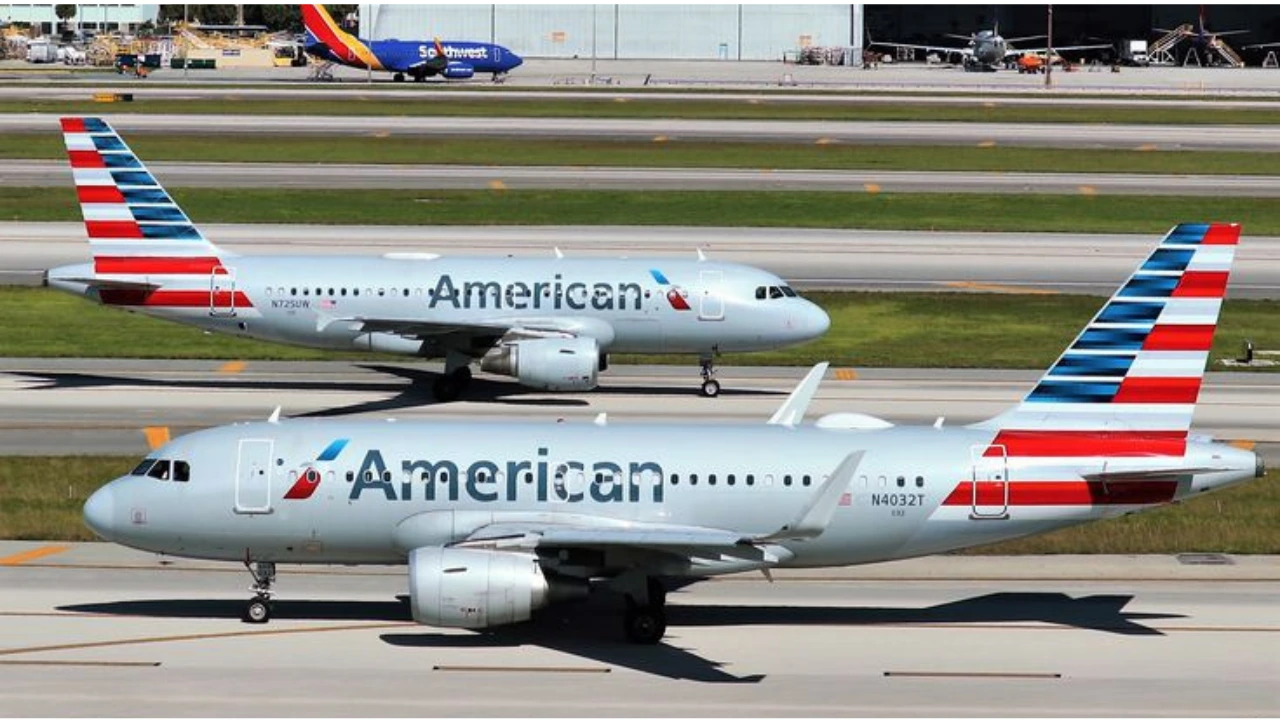
Rather than allowing the aircraft to wait for the additional spacing, the tower controller canceled the takeoff clearance and told the crew to vacate the runway. A Frontier aircraft was subsequently permitted to taxi onto the runway.
The controller then told the American crew that, in the future, requests for more than standard separation should be made before the aircraft takes the runway. The crew initially acknowledged the instruction. The exchange did not end there.
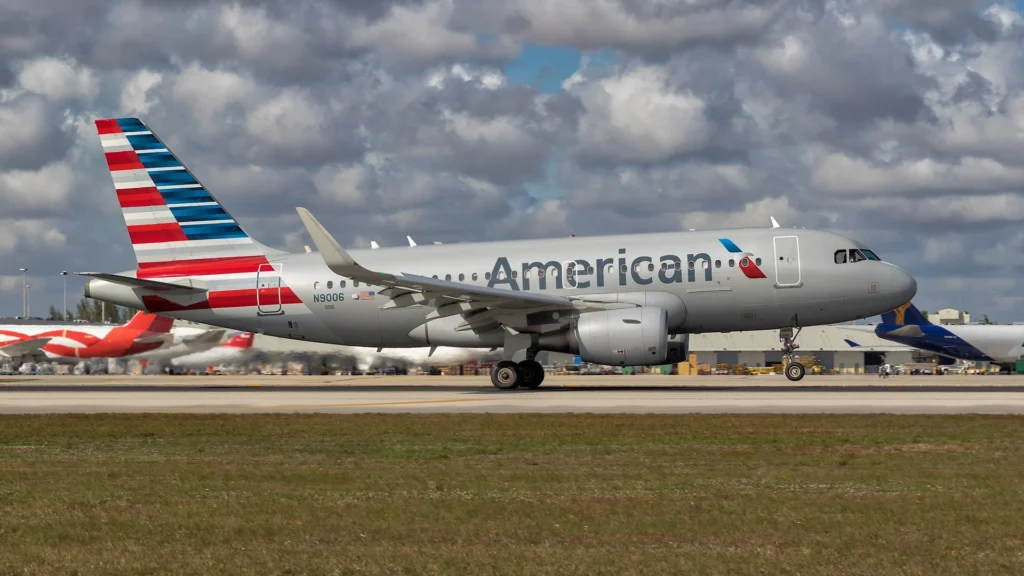
American Pilot Questions Spacing
Another American pilot, presumably the captain, then responded to the controller. He pointed out that pilots do not carry the controller’s separation manuals in the flight deck and questioned whether the spacing was appropriate for wake turbulence.
The pilot specifically referred to the circumstances of the departure, saying the American aircraft had been cleared behind a Boeing 757 with calm winds and that there were “27” after the 757’s rotation. He argued that he did not believe the spacing was appropriate for wake turbulence.
The controller replied that there was no wake turbulence separation requirement in the situation, according to the reported radio exchange.
The pilot then told the controller, “let us fly the airplane, you guys can do your job.”
The controller responded by giving the crew a telephone number and mentioning a possible pilot deviation.
FAA Rules Make Situation More Nuanced
FAA guidance confirms that wake turbulence is a recognized operational hazard and that pilots have ultimate responsibility for the safe operation of their aircraft.
When ATC provides separation services, controllers also have responsibility for mitigating wake turbulence risk through applicable separation standards and advisories.
FAA guidance also states that pilots may request additional wake turbulence separation and that the request should be made as soon as practical, including before taxiing onto the runway.
The FAA specifically notes that the pilot-in-command remains the final authority for the operation of the aircraft.
That distinction is important in the Atlanta incident. A pilot’s request for additional spacing does not automatically mean that ATC has failed to provide the required regulatory separation.
Conversely, the absence of a specific ATC separation requirement does not prevent a flight crew from raising a wake turbulence concern.
The FAA also includes the Boeing 757 in its wake turbulence framework, making the aircraft type relevant when assessing the risk to a following aircraft.
The public information available about AA1428 does not establish the exact American Airlines flight-deck guidance that applied to this specific A319 departure. It therefore would be inaccurate to conclude from the radio exchange alone that either the pilots or the controller violated a required separation procedure.
Controller and Pilot Responsibilities Collided
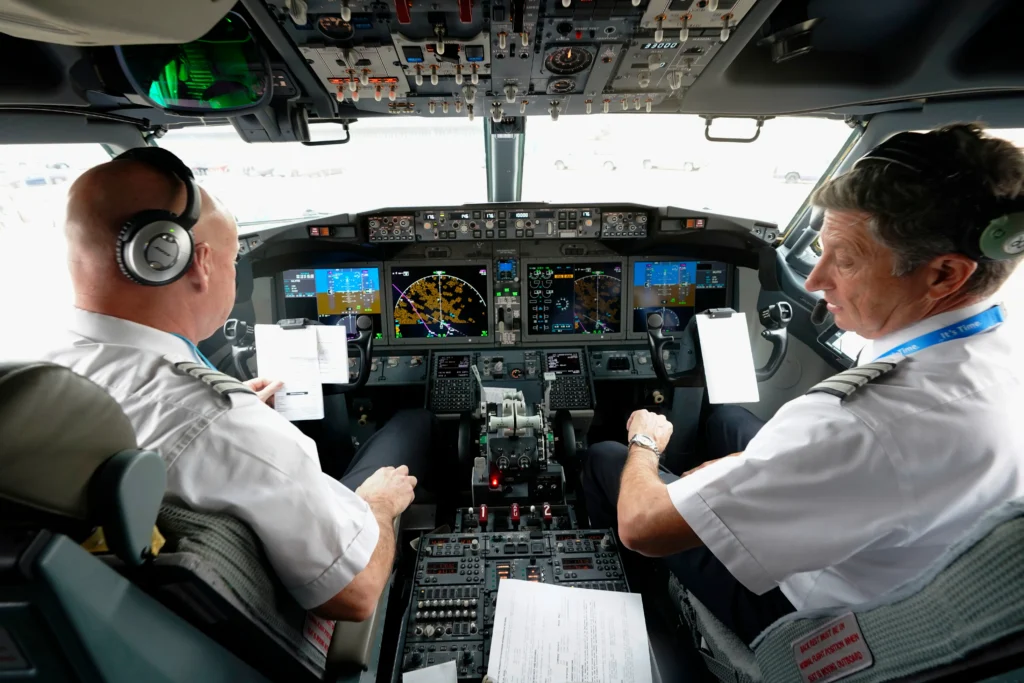
The argument reflected 2 different operational responsibilities. The flight crew was responsible for deciding whether the aircraft could safely depart under the prevailing conditions. The tower controller was responsible for runway operations and the sequencing of multiple aircraft.
From the controller’s perspective, an unusual request made after the takeoff clearance had already been issued created a sequencing problem. From the crew’s perspective, the concern was that the spacing behind the departing 757 did not provide the wake turbulence margin they wanted.
The FAA’s published guidance supports both parts of that framework. Pilots retain responsibility for the safe operation of their aircraft, while ATC applies required separation and provides wake turbulence protection within the applicable procedures.
Frontier Crew Joins Radio Exchange
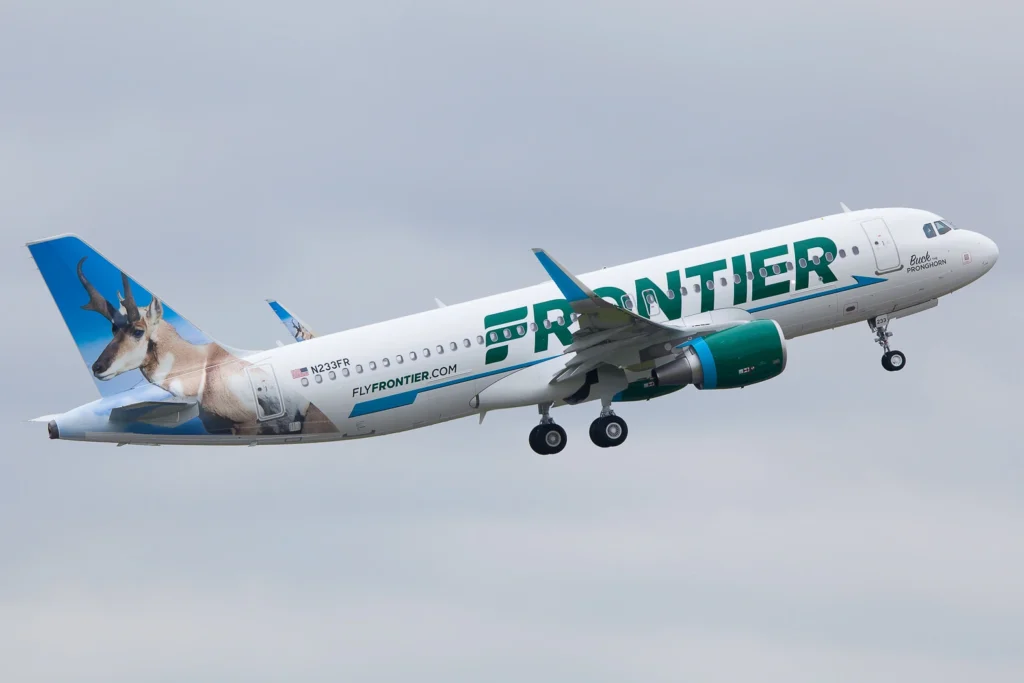
The situation became even more unusual when the Frontier aircraft involved in the sequence entered the conversation.
After the American aircraft had been removed from the runway, the Frontier pilot complimented the air traffic controller and praised the controller’s performance. The controller responded positively and said he had been doing the job for 26 years.
The controller then added that he did not need a pilot telling him how to do his job.
That exchange turned what had started as a disagreement over aircraft spacing into a more personal argument between pilots and the controller.
American Aircraft Was Sent Off the Runway
One of the most notable operational decisions in the incident was the cancellation of AA1428’s takeoff clearance after the aircraft had already been cleared to depart.
FAA Order JO 7110.65 allows a previously issued takeoff clearance to be canceled when circumstances require, and it specifies the phraseology controllers should use when canceling such a clearance.
The original report suggests that the American crew may have been asking for only a short additional interval, potentially around 20 to 30 seconds. That estimate should be treated as an assessment rather than a confirmed operational figure.
Regardless of the exact interval requested, the sequence meant the American aircraft vacated the runway and another aircraft was moved into position. The operational value of doing so cannot be determined from the publicly available information alone.
Was ATC Actually Wrong?
The available evidence does not support a definitive conclusion that the controller was wrong about the required ATC separation.
FAA guidance indicates that pilots can request additional wake turbulence separation, while ATC is responsible for applying the minimum required separation under the applicable circumstances.
The same FAA guidance also says such requests should be made as early as practical and preferably before the aircraft taxis onto the runway.
That means the American crew had a legitimate channel for expressing a safety concern, but the controller also had a reasonable operational expectation that an unusual spacing request would be communicated before the aircraft reached the runway.
The stronger criticism concerns the way the disagreement developed after the request had been made. The exchange moved quickly from a technical discussion about separation to a dispute over professional authority and experience.
Was American Pilot Wrong?
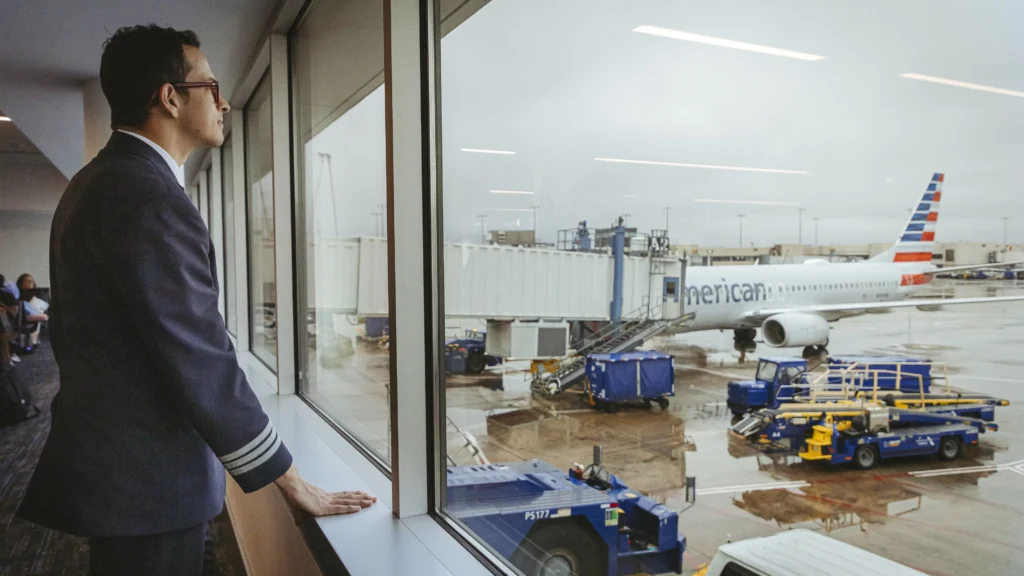
The pilot’s concern should not be dismissed simply because the controller believed standard separation was sufficient.
FAA guidance explicitly recognizes pilot authority regarding aircraft operation and allows pilots to request additional wake turbulence separation.
At the same time, the pilot’s remark telling the controllers to do their job was confrontational. It shifted the conversation away from the operational issue and toward a challenge to the controller’s professional judgment.
The available information therefore supports a balanced conclusion: the crew could raise a wake turbulence concern, but the way that concern was communicated contributed to the escalation.
Pilot-ATC Communication
The AA1428 dispute demonstrates why precise communication matters during busy departure operations.
A request for additional spacing made before entering the runway gives a controller time to adjust the sequence without disrupting an active departure flow. A request made after takeoff clearance has already been issued can force the controller to change the sequence and may create additional workload.
At the same time, pilots operate the aircraft and must be able to raise safety concerns when conditions give them reason to do so. FAA guidance makes clear that pilots retain ultimate responsibility for the safe operation of their aircraft.
The incident therefore was not simply a question of whether one side was right. It involved the interaction between ATC separation standards, pilot judgment, wake turbulence concerns, runway sequencing, and communication.
Bottom Line
American Airlines flight AA1428 was cleared for takeoff behind a Delta Boeing 757 at Atlanta before the crew requested additional spacing because of wake turbulence concerns.
The controller canceled the takeoff clearance, instructed the A319 to vacate Runway 27R, and cleared a Frontier aircraft to use the runway.
The resulting radio exchange included the American pilot’s objection to the spacing, the controller’s response that there was no applicable wake turbulence separation requirement, a warning about a possible pilot deviation, and the controller’s later comments about his 26 years of experience.
The Frontier crew’s unsolicited praise of the controller added another unusual element to the incident.
FAA guidance confirms that wake turbulence is a recognized safety concern, that pilots may request additional separation, and that the pilot-in-command remains the final authority over the aircraft’s operation. FAA procedures also place specific separation responsibilities on controllers.
Based on the information currently available, the incident is best understood as a breakdown in cockpit-to-tower communication rather than a case where the public evidence clearly establishes one side as entirely correct and the other as entirely wrong.
Stay tuned with us. Further, follow us on social media for the latest updates.
Join us on Telegram Group for the Latest Aviation Updates. Subsequently, follow us on Google News
