

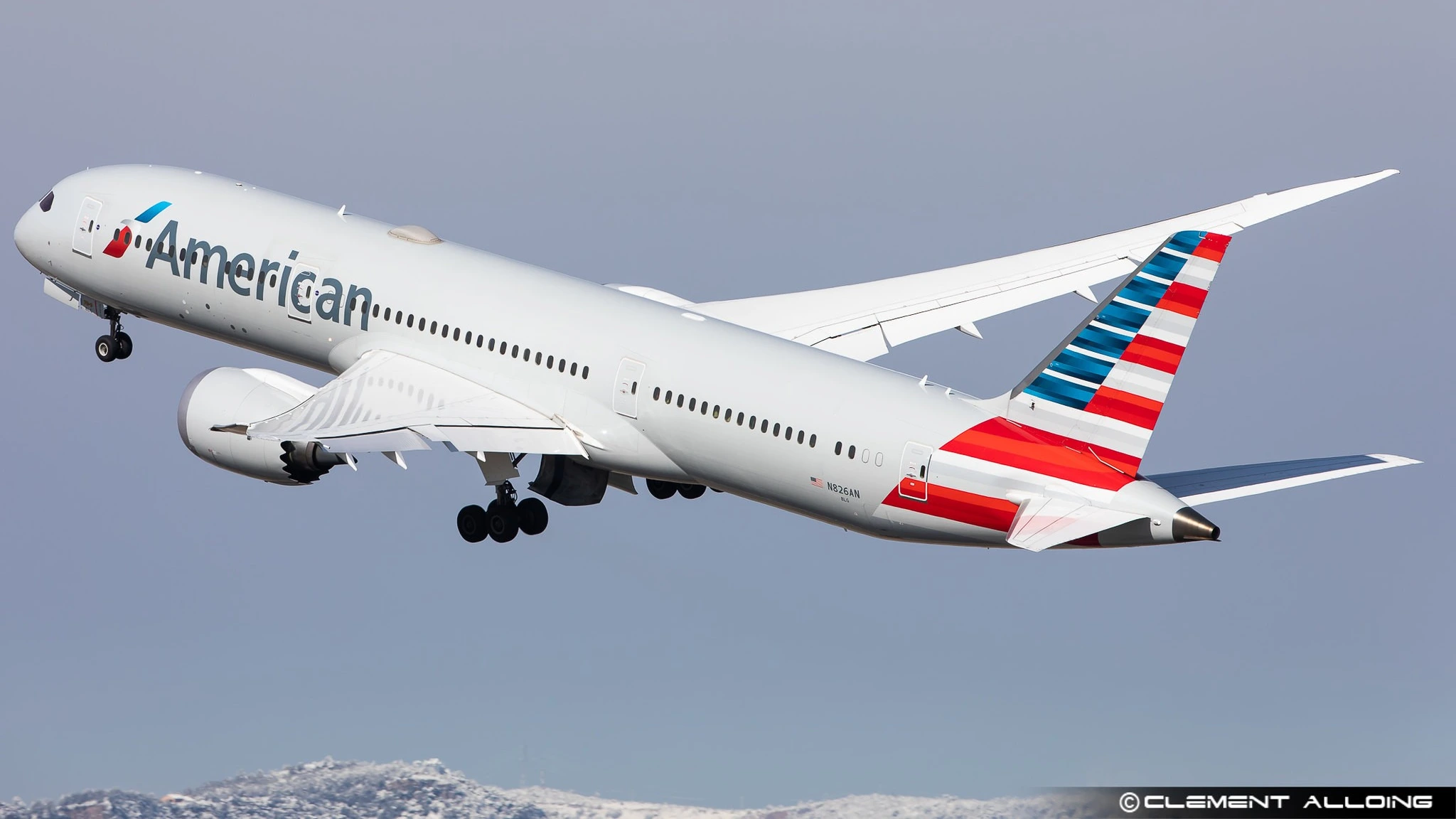
NEW YORK– American Airlines (AA) faces a significant additional operating expense on its ultra-long-haul service between John F. Kennedy International Airport (JFK) and Indira Gandhi International Airport (DEL), where flight durations require airlines to carry an augmented four-pilot crew. The requirement increases staffing costs on one of the airline’s longest international routes, particularly when American assigns an additional senior Captain rather than a First Officer.
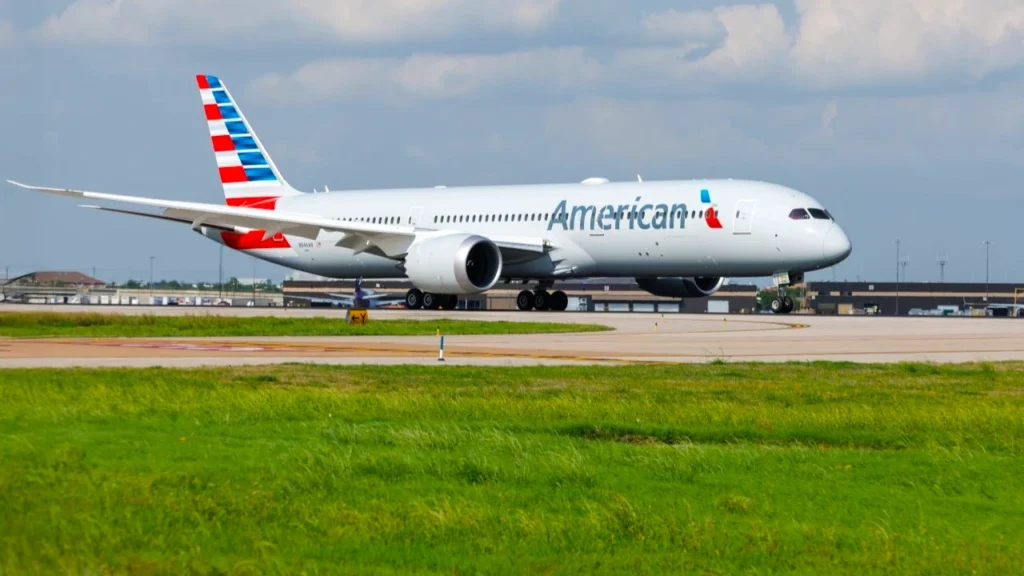
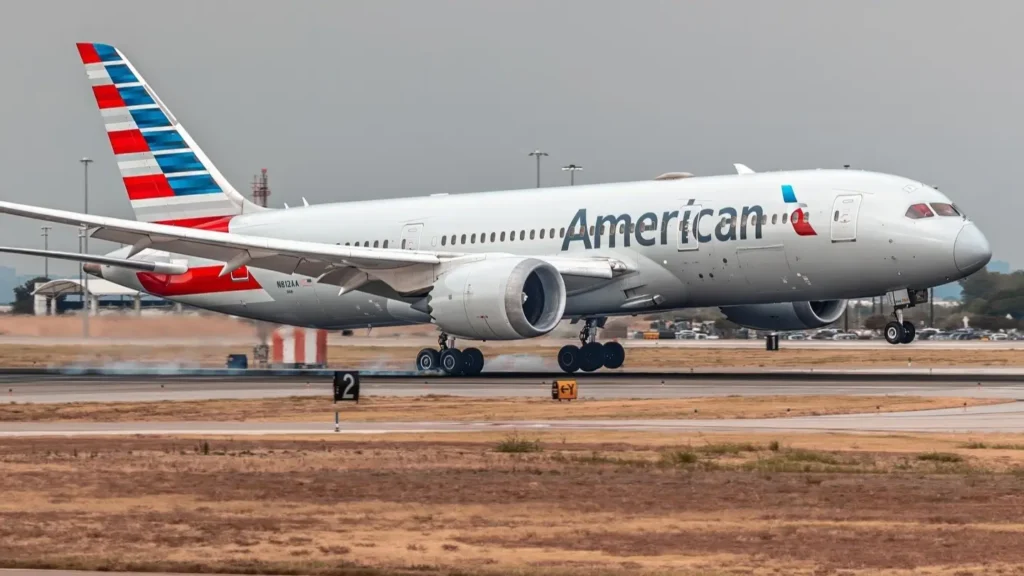
The airline operates the route using its Boeing 787-9 Dreamliner, with the westbound journey taking approximately 16 hours and 40 minutes. While an additional pilot helps airlines manage extended flight duties and comply with crew-rest regulations, the cost of employing a highly experienced Captain can reach approximately $20,000 for a round-trip pairing.
Four-Pilot Crew Regulations Explained
The Federal Aviation Administration (FAA) and India’s Directorate General of Civil Aviation (DGCA) impose flight-time and duty-time limits that affect how airlines staff ultra-long-haul services.
Under FAA regulations, a three-pilot crew cannot exceed 13 hours of flight time, while a four-pilot crew can operate for up to 17 hours, subject to the applicable requirements.
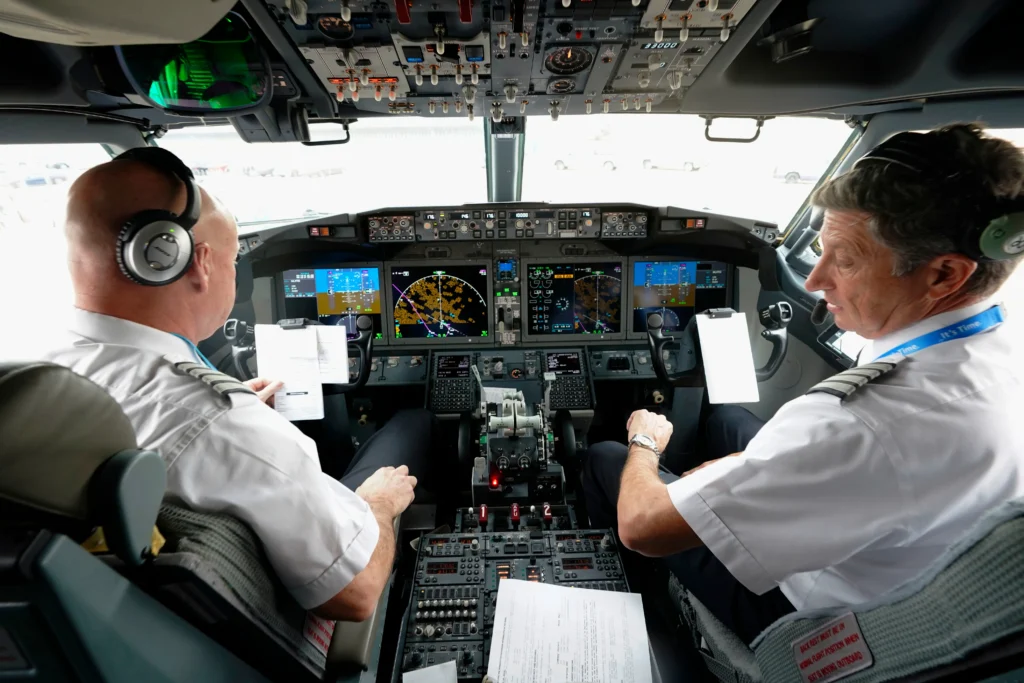
American can operate with one Captain and three First Officers under the US framework. However, Indian carriers such as Air India must have two Captains and two First Officers because DGCA rules require a rated Captain to remain on duty while other flight crew members take their in-flight rest.
The difference is important because American has more flexibility when selecting its fourth crew member. It can assign an additional First Officer instead of paying for another senior Captain, whereas Air India must meet the additional Captain requirement.
$20,000 Additional Captain Expense
The estimated cost of adding a senior Captain to American’s JFK-Delhi round-trip pairing reaches approximately $20,000. The calculation assumes an hourly rate of around $450 and approximately 33 credited flight hours across the two sectors.
The additional Captain would receive approximately $14,850 in base wages. Once the estimated 18% employer retirement contribution and payroll taxes are included, the wage-related expense increases to around $19,200.
Other expenses add to the total. International per diem payments contribute approximately $255 to $425, while international override payments add another $260 to $275.
Hotel accommodation and ground transportation in Delhi can cost another $175 to $300 for a typical overnight stay, potentially reaching $600 during a longer layover.
Fuel consumption also creates a small additional expense. An extra pilot and luggage add an estimated 104 kilograms to the aircraft’s weight, translating into approximately $75 to $100 in additional round-trip fuel costs.
American’s Boeing 787-9 has dedicated flight-deck bunk facilities and a designated business-class rest seat. Therefore, the estimate does not include the potential loss of a revenue-generating passenger seat.
First Officer Alternative Cost Comparison
American can reduce the additional staffing expense by assigning a First Officer instead of another Captain. A senior First Officer with approximately 12 years of experience earns an estimated $318 per hour, producing a total additional cost of around $13,290 to $14,530 after associated expenses.
The difference becomes even greater when a less senior First Officer is assigned. A pilot with five years of service earns approximately $223 per hour, bringing the estimated total cost to around $10,000 for the pairing.
Air India’s additional Captain expense is also considerably lower. Its estimated out-of-pocket cost ranges between $7,700 and $9,300, reflecting a different compensation structure that combines fixed monthly salaries with flying allowances and widebody payments, Simple Flying reported.
Ultimately, the additional Captain represents a substantial crew expense for American Airlines. The estimated $20,000 illustrates how pilot seniority, compensation structures, regulatory requirements, and extended layovers influence the operating economics of ultra-long-haul international flights.
Stay tuned with us. Further, follow us on social media for the latest updates.
Join us on Telegram Group for the Latest Aviation Updates. Subsequently, follow us on Google News
