


CHICAGO- United Airlines (UA) CEO Scott Kirby says he is 100% sure regulators would approve a merger with American Airlines (AA). He repeated the claim on November 12, 2026, months after American rejected the idea.
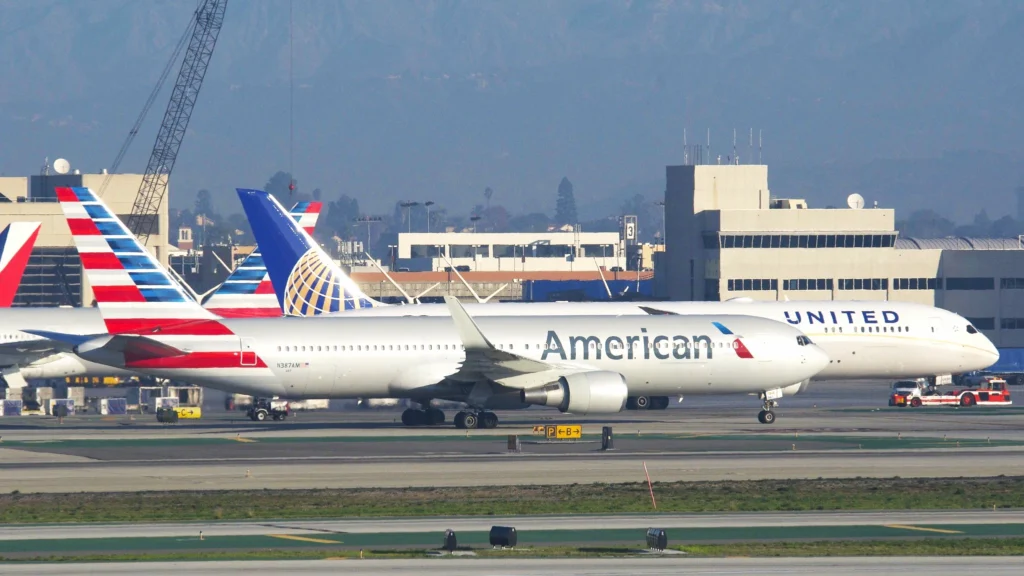
Both carriers run major hubs at Chicago O’Hare International Airport (ORD), where their overlap is greatest. Critics say a combination would sharply reduce competition.
Kirby’s Push for a United-American Merger
United CEO Scott Kirby pitched a merger with American to President Donald Trump in a late February 2026 White House meeting. News of the pitch broke in mid-April, with reports saying he wanted to form a US “flag” carrier.
On April 17, American publicly rejected the concept. American airlines said it was not engaged with or interested in merger talks, and that a combination with United would be negative for competition and for consumers.
American CEO Robert Isom called the idea a nonstarter on antitrust grounds. Trump said he did not want the two airlines to merge, saying it would make them lazy.
Kirby responded on April 27. He confirmed that he had approached American about exploring a combination, and said American declined to engage.
He said United’s pursuit had ended, because a deal of that size cannot happen without a willing partner. He also argued that regulators would have approved the deal with divestitures in certain domestic markets.
Kirby kept the idea alive afterward. In late May, he said United did not expect to pursue consolidation in the foreseeable future, and he called speculation about a smaller deal “idiotic.”
In early June, he said he still believed a merger with American would benefit consumers and that American’s management was the main obstacle.
In July, a report said Kirby had also approached Delta Air Lines CEO Ed Bastian about a United-Delta merger in 2025. Delta leaders discussed the approach and its merits as part of preliminary due diligence, but the talks did not progress. Kirby has continued to call the American idea a great one, and says opponents misunderstand his vision.
Kirby Claims Full Certainty on Approval
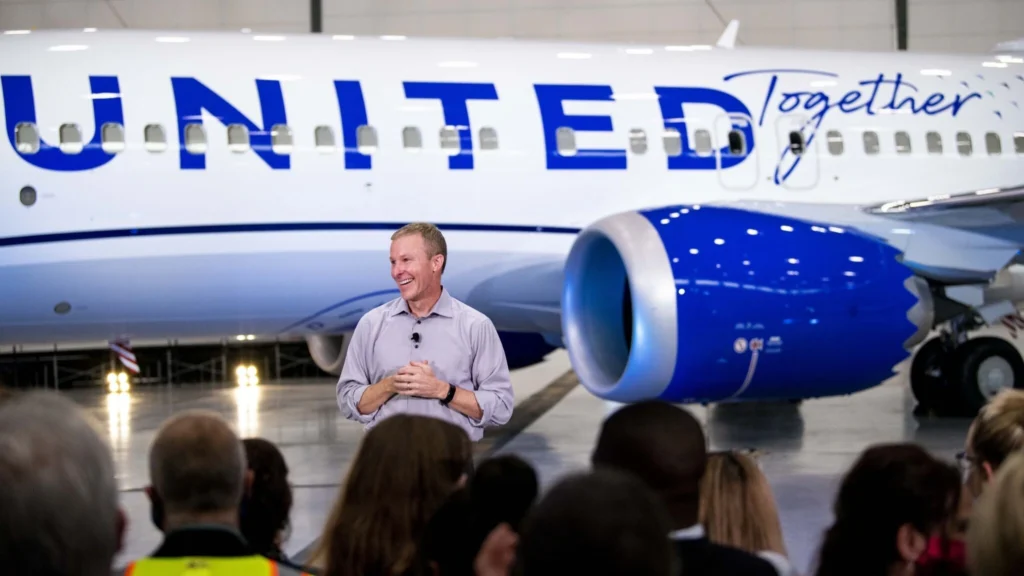
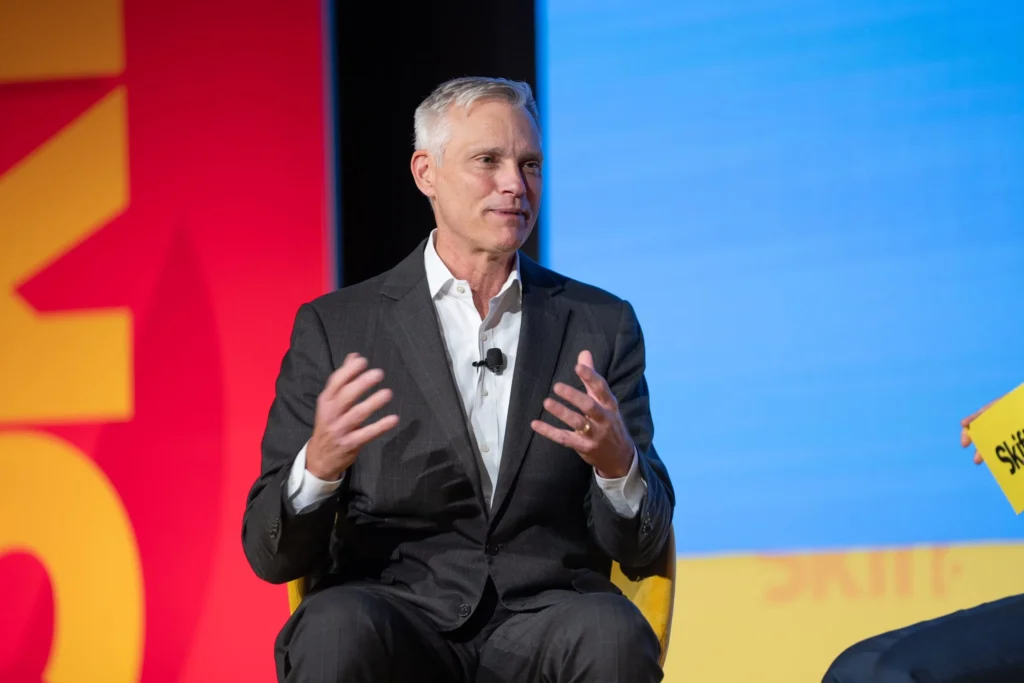
Other industry executives and the public widely believe such a deal would not win approval because it would harm competition. At an investor conference on November 12, 2026, Kirby said the opposite. OMAAT reported his remarks:
“I think the biggest impediment is having a willing partner. I am more convinced today than I was when I wrote my note six months ago that it could get approval. It could get approval because it is good for customers. So many people look at that kind of a merger through what has been the traditional airline commodity lens, that air travel is a commodity, and it doesn’t matter which airline flies. But customers care about the service, the product, the technology, the reliability. It wouldn’t be easy. We’d have to do some divestitures, but I 100% think it could get approved.”
Kirby did not say he was 80%, 90% or 99% sure. He said he was 100% sure that a merger between two of the three biggest US carriers would pass regulatory review. He acknowledged that some divestitures would be required.
The analysis that accompanied his comments argues that he underestimates how large those divestitures would need to be.
How Kirby Makes Case for Approval
Kirby describes the merger as a growth deal, not a cost-cutting deal. He has said earlier airline mergers combined struggling carriers to cut costs, flights and headcount, and that his aspirations are different.
He argues that a combined airline would offer more economy seats, reach more places and compete harder against foreign carriers on international routes. He also says it would create new unionized jobs.
His central argument is that airline customers care about service, product, technology and reliability, not only price.
In his view, regulators should not treat air travel as a commodity. He says United already has the best service, technology, reliability and products.
Analysis Disputes Approval Claim
The analysis calls Kirby a very bright executive and the most impactful leader in the US airline industry since Richard Anderson at Delta.
It also says his confidence on this topic may have gone to his head, and that some of his claims are indefensible when viewed objectively.
The analysis puts the odds that Kirby is wrong at 99%. It disagrees with his merger vision on two levels. It says he overstates United’s greatness, and it says he understates the competitive implications of a merger at this scale.
The analysis also points to Kirby’s history. American fired him before he joined United, a move the analysis says probably turned out to be the best thing that could have happened to him. It suspects that a desire for revenge drives part of his merger push and may cloud his view of reality.
Antitrust Hurdles
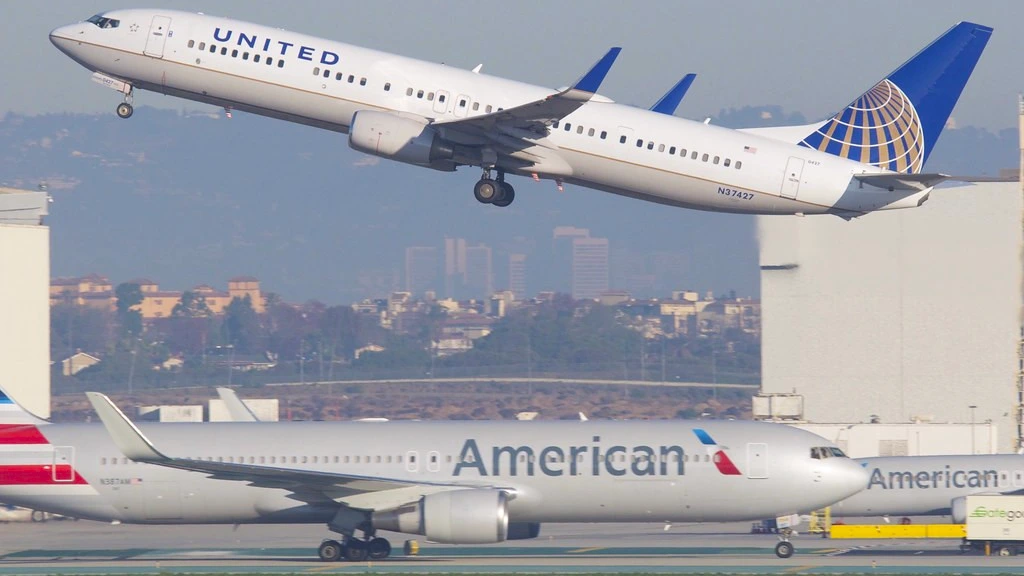
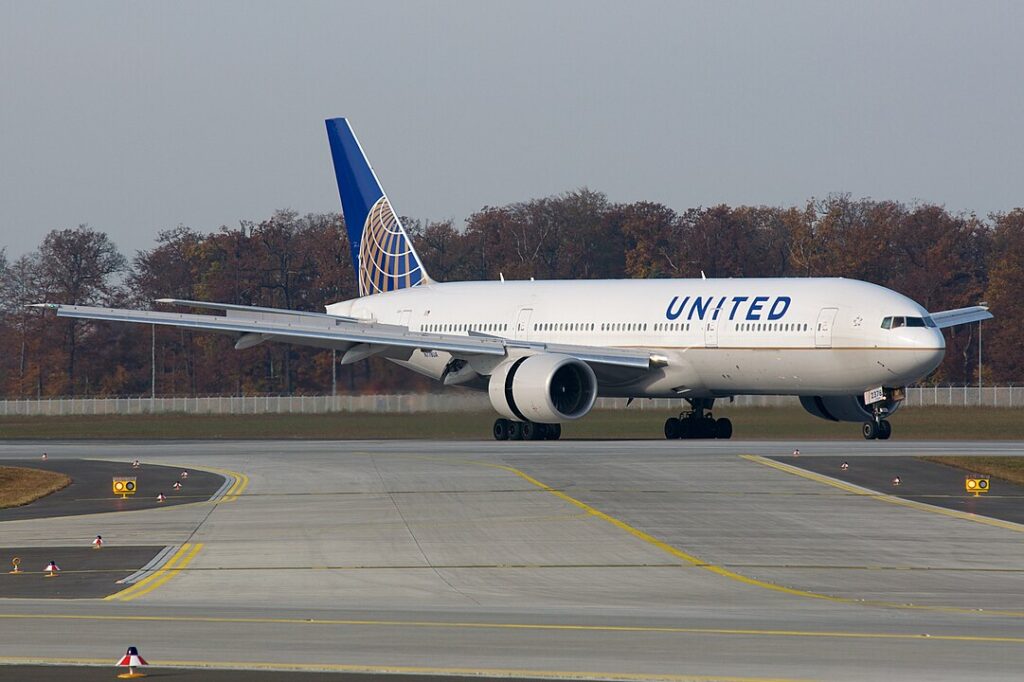
A United-American merger would combine two of the largest US network carriers. Reports based on 2025 schedules said a combined airline would control about 40% of US domestic flying capacity. An analyst estimated it would hold at least half of domestic capacity at 159 airports before any divestitures.
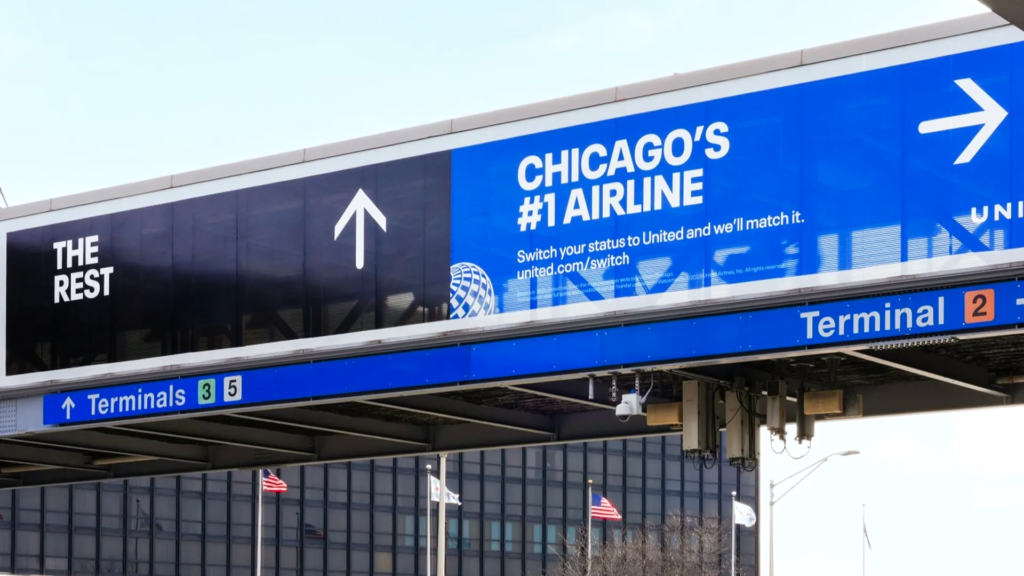
The overlap is greatest at Chicago O’Hare, where both airlines operate major hubs. One estimate puts the combined share of departures there at 88%. One antitrust expert said, “No amount of divestitures would fix this.”
The 2023 DOJ and FTC Merger Guidelines ask whether a deal eliminates substantial competition between the merging firms, increases the risk of coordination among rivals, or strengthens a dominant position.
Critics say a United-American deal would raise questions under each principle because the two airlines compete directly in several major markets.
Even if federal officials approved the deal with conditions, state attorneys general could sue to block it.
Labor unions and consumer advocates would also be expected to oppose it. Even if United promised a better passenger experience, regulators would still have to weigh those benefits against the loss of competition.
Required Divestitures
A merger of this size would involve more than transferring a few routes. Regulators would need to examine airport gates, landing slots, overlapping hub operations and access to important domestic and international markets.
O’Hare would be a central issue. Both airlines operate major hubs there, and together they control most of its gates. Analysts have questioned whether divestitures alone could resolve the competition concerns.
Selling selected routes or slots may not work if the remaining competitors cannot replace the capacity and competitive pressure that two separate airlines provided.
There is also a commercial problem for United. The more valuable assets it surrenders, the harder it becomes to achieve the scale and financial benefits that motivated the merger.
United would need to keep enough assets to make the deal attractive while giving up enough to satisfy regulators. Kirby’s confidence does not rule out the possibility that the required remedies would change the deal.
Overstating United’s Position
The analysis acknowledges that United has improved massively under Kirby. It says Kirby nonetheless talks as if United were Singapore Airlines and Delta and American were Air Algerie and TAAG Angola Airlines by comparison.
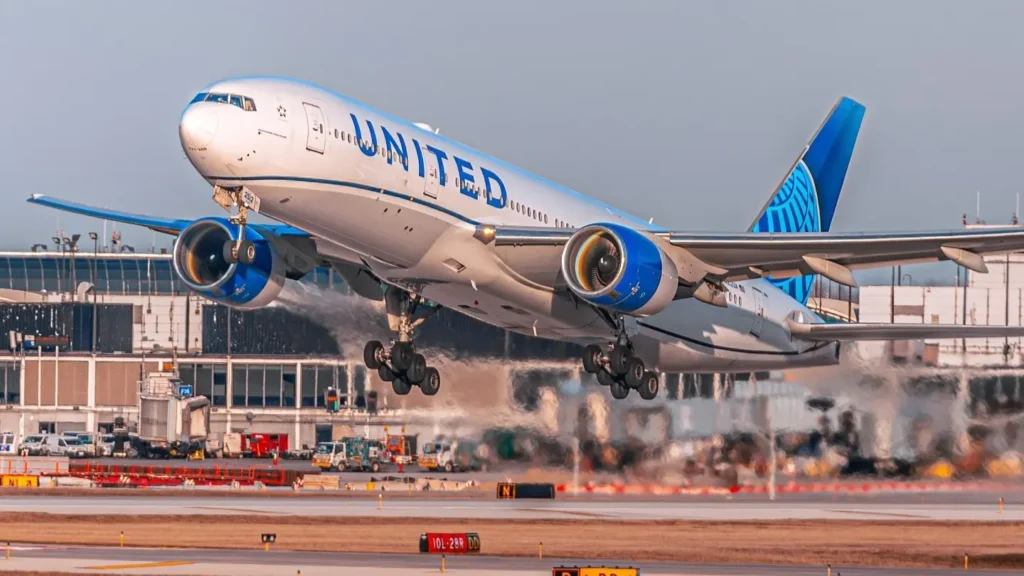
United is still catching up with Delta and sits in the number two spot in the US industry. Kirby has called United “the best airline in the history of aviation.” The analysis says he acts as if flying United is the only way to have a pleasant flight on a US carrier.
The analysis argues that Kirby underestimates the progress at American and Delta. It also says American does not need to disappear for its passengers to get better service.
Passenger Experience
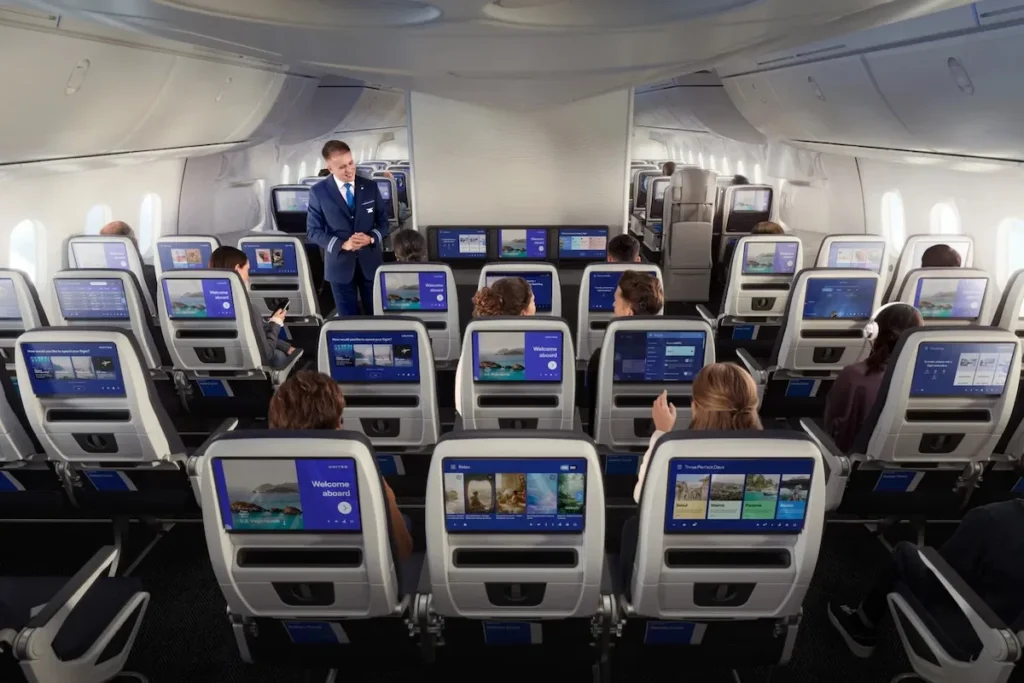
The analysis says United’s improvements are pushing American to improve. In August 2026, American announced seatback screens at every seat across its narrowbody fleet, along with more premium seating.
It also plans Starlink Wi-Fi on narrowbody aircraft starting in early 2027. In October, it expanded the Starlink plan to all mainline jets. American is also upgrading its lounges.
When United improves its onboard technology, American has a reason to respond. When American upgrades its lounges and cabins, Delta and United face pressure to keep their own products competitive.
Removing one of the three major network carriers could weaken that pressure and change the incentives behind investment, service and pricing.
The analysis argues that this competition helps consumers, and that a merger could undermine the improvements Kirby cites.
Pricing Power and Fares
The analysis says eliminating one of the “big three” carriers would have major consequences for competition and pricing power. It adds that airline executives keep saying they want fare increases to stick after fuel prices fall.
In October, reports said Delta’s Bastian called higher fares sustainable. Other executives said higher fares and related changes were likely to remain after fuel eases, and Kirby said he was confident United would not step backward on pricing.
Kirby stresses that airlines compete on overall experience and value, not just price. The analysis agrees that airfare has become somewhat less of a commodity, with more travelers showing brand loyalty.
It says those travelers are still the minority. Many passengers still compare fares. A traveler might prefer United’s onboard product but choose American or Delta when the fare gap is large.
United is a publicly traded company focused on shareholder value. The analysis says United would charge the highest fares it could, and that Kirby would deserve to be fired if it did not. It also argues that domestic competition would not be preserved in a merger.
A combined airline would gain greater pricing power on routes where United and American now compete. Better products do not guarantee lower fares.

International Joint Ventures
The “big three” US carriers have each helped build “big three” joint ventures. Each partners with different airlines across the Atlantic and Pacific, which lets them coordinate fares and schedules.
- United: a transatlantic venture with Air Canada and the Lufthansa Group, a transpacific venture with All Nippon Airways, and a US-New Zealand venture with Air New Zealand.
- American: a transatlantic venture with British Airways, Iberia, Aer Lingus and Finnair, plus transpacific ventures with Japan Airlines and Qantas.
- Delta: a transatlantic venture with Air France, KLM and Virgin Atlantic, and a transpacific venture with Korean Air.
A merged airline would have to resolve conflicts between these arrangements. Examples include Lufthansa and Air Canada against British Airways and Iberia across the Atlantic, and All Nippon Airways against Japan Airlines across the Pacific.
United is a founding member of Star Alliance, while American helped found Oneworld. One expert warned a merger could dismantle one alliance or force the two to combine.
The analysis says abandoning an entire set of joint ventures would badly damage the competitive landscape. Regulators and international partners would need to examine the effects on existing agreements, market access and competition.
Could American Call Kirby’s Bluff
The analysis suggests American’s management should call United’s bluff. American would negotiate a deal that benefits its shareholders and attach a very large breakup fee, payable if regulators block the merger.
In the analysis’s view, American would face only upside, and Kirby could then put his money where his mouth is. The analysis acknowledges this may be a hot take.
A large termination fee would not resolve the antitrust concerns. American’s board and shareholders would still have to weigh the deal’s terms and risks. American has publicly rejected the proposal.
As of November 15, 2026, no active negotiation between the two airlines has been confirmed. The idea remains a proposal, not a transaction moving through regulatory review.
Stay tuned with us. Further, follow us on social media for the latest updates.
Join us on Telegram Group for the Latest Aviation Updates. Subsequently, follow us on Google News
