


CHICAGO- United Airlines (UA) is set to resume carrying military hardware to Israel on passenger flights, according to shipping data reviewed by The Intercept. The practice had reportedly stopped for more than six months amid the war involving Iran.
Newark Liberty International Airport (EWR) to Tel Aviv (TLV) will again serve as a key route for the shipments, with United Airlines Flight UA90 scheduled to carry five military cargo shipments to Israeli defense-related companies.

United Resumes Military Cargo Shipments to Israel
United Airlines is scheduled to transport five shipments of military cargo on a passenger flight from Newark to Tel Aviv. The flight comes shortly after the airline resumed its direct service to Israel following a suspension linked to the conflict with Iran.
According to shipping documents reviewed by The Intercept, one shipment is headed to the electro-optics division of Elbit Systems in Rehovot. Another is bound for Elbit Systems Land in Ramat Hasharon, while three additional shipments are scheduled for an Elbit Systems facility in Karmiel.
At least one shipment to Karmiel is specifically marked FMS, referring to foreign military sales. The records reviewed by The Intercept indicate that all five shipments on the flight are destined for defense companies operating under the Elbit Systems umbrella.

Nearly 2,800 Military Shipments Tracked
A report from the Movement Research Unit, the Palestinian Youth Movement, People’s Embargo for Palestine, and the Democratic Socialists of America examined United’s military cargo shipments to Israel.
Researchers said they identified 2,761 shipments transported on 160 civilian passenger flights between July 24, 2025, and February 27, 2026.
The analysis covered a range of military-related components. A sample of 546 shipments included 28 shipments containing tank parts, 131 shipments involving components for Lockheed Martin’s F-35 fighter jets, 67 shipments of parts for other aircraft, and more than 100 shipments involving communications equipment, nuts and bolts, and helmet-mounted display systems.
The report’s authors said the sample represented only part of the overall shipment data because of the volume of records available for analysis.

Newark Emerged as the Main U.S. Hub
Newark played a central role in the shipment network documented by the researchers. Of the 2,761 shipments identified during the period, 2,565 were apparently carried on United flights UA84 and UA90, the airline’s direct passenger services between Newark and Tel Aviv.
The data showed that all but 45 of the documented shipments entering Israel arrived through Newark. Another 36 shipments originated from Chicago, while nine departed the United States from Washington.
The shipments also moved through United’s domestic network before reaching Newark. Researchers identified 235 shipments that arrived at Newark on domestic flights from airports including Dallas-Fort Worth, Houston, Atlanta, San Francisco, Los Angeles, Washington Dulles, and Chicago O’Hare.
The Dallas-Fort Worth to Houston route accounted for 128 of the shipments identified in the domestic data. A Houston to Newark United flight carried another 90 shipments during the period studied.
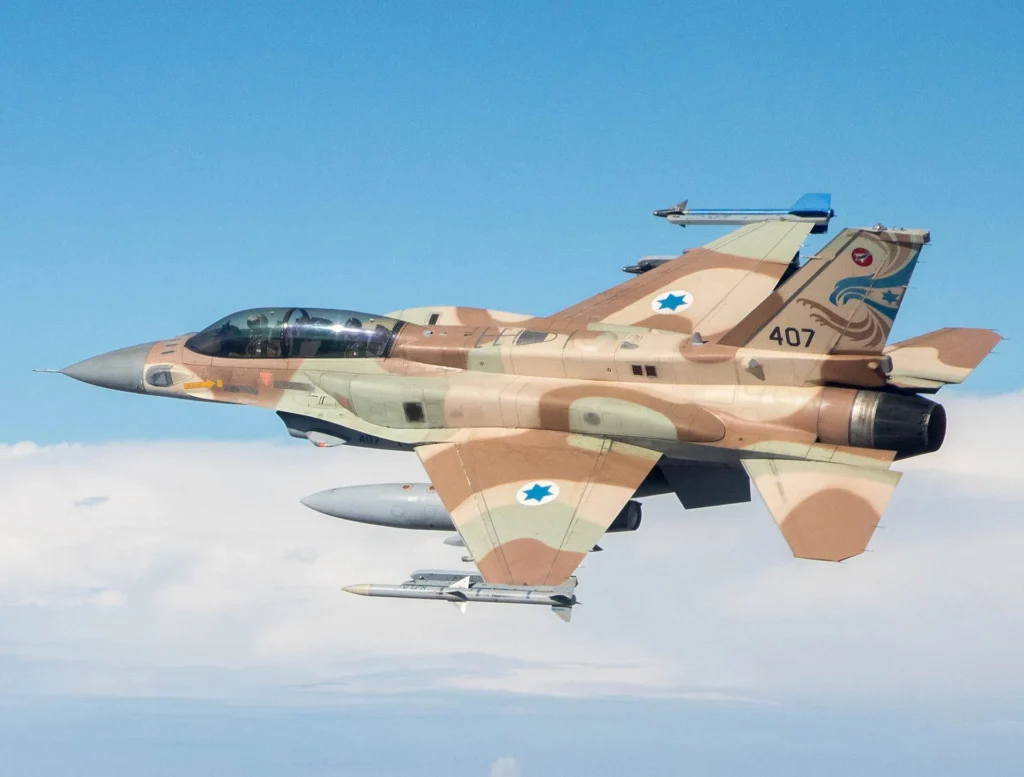
Elbit Systems Received Most Shipments
Elbit Systems was the largest identified recipient in the report. Researchers said 2,070 shipments were destined for the Israeli defense manufacturer.
The data also identified 78 shipments sent to Lockheed Martin’s Israeli headquarters. Hundreds of additional shipments were reportedly destined for the Israeli Ministry of Defense and several military airbases, including the operational hub for Israel’s F-35I fleet.
The report said some shipment records identified Lockheed Martin and Elbit Systems’ U.S. branch as senders.
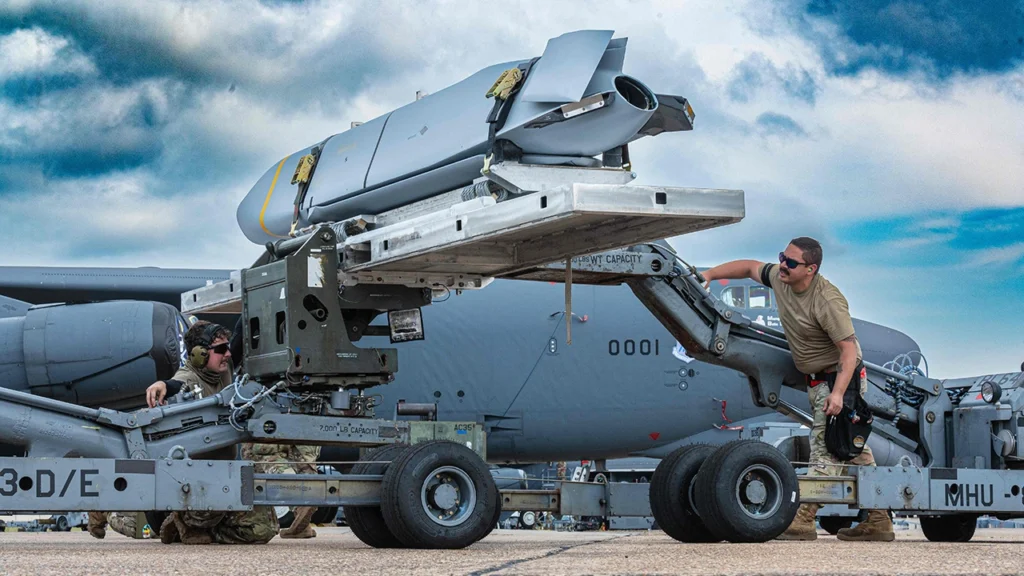
Passenger Flights Carried Military Components
The researchers said the cargo was transported alongside normal passenger operations rather than exclusively through dedicated military or cargo aircraft.
The report found no evidence that United carried explicitly hazardous material in the passenger-flight shipments it reviewed. However, the researchers raised concerns about transporting military components through civilian aviation infrastructure during an active conflict.
The Intercept reviewed part of the underlying data, including documents showing shipments of F-35 components and weapons-system components for armored personnel carriers. It also noted that it had not independently corroborated every claim made by the Movement Research Unit and its partner organizations.

Shipments Stopped After Flights to Israel Were Suspended
The shipment activity reportedly declined sharply in February after U.S. direct flights to Israel were suspended amid the conflict involving Iran. With United’s direct services to Israel scheduled to resume, researchers said the military shipments appeared to be returning as well.
The Movement Research Unit said its investigation began after an earlier report identified military hardware moving on passenger flights through Irish airspace. Researchers subsequently examined United’s shipments to Israel over a seven-month period.
United Airlines declined to comment to The Intercept. Representatives of Lockheed Martin, Elbit Systems, and Israel’s Ministry of Defense also did not respond to requests for comment.
Investigation Raises Questions Over Civilian Aviation
The findings place United’s passenger network at the center of a broader debate over the movement of military-related cargo through civilian aviation infrastructure.
The available records show that shipments included aircraft, tanks, communications, and weapons-system components. However, the source material does not establish that United itself determined how the components would ultimately be used or that every shipment was directly connected to a specific military operation.
The report’s findings remain based on open-source shipping data and a review of selected underlying documents. The Intercept explicitly stated that it had not independently corroborated every claim in the report.
Stay tuned with us. Further, follow us on social media for the latest updates.
Join us on Telegram Group for the Latest Aviation Updates. Subsequently, follow us on Google News
