

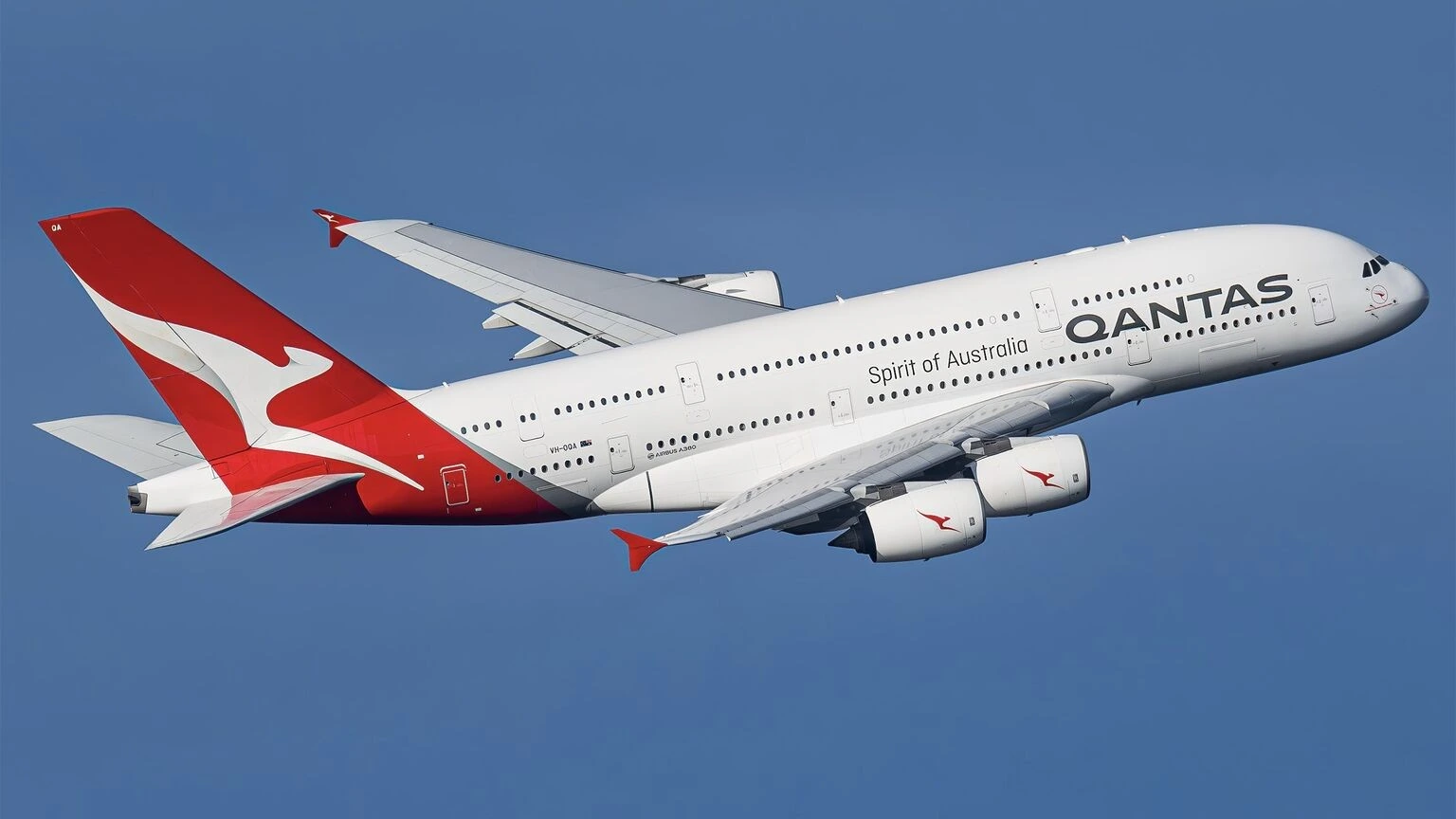
SYDNEY— Qantas Airways (QF) will begin retiring its 10 Airbus A380s from 2028, bringing the airline closer to the end of its long association with the world’s largest passenger aircraft.
The Australian carrier’s decision comes as maintenance costs rise and the supply chain for an aircraft that has been out of production since 2021 becomes increasingly difficult to manage.
The A380’s retirement at Qantas will not immediately mark the end of the superjumbo era.
Emirates remains deeply committed to the aircraft, while airlines including Singapore Airlines (SQ), British Airways (BA), Lufthansa (LH) and All Nippon Airways (NH) continue to operate the type, although its role in global aviation is becoming increasingly limited.
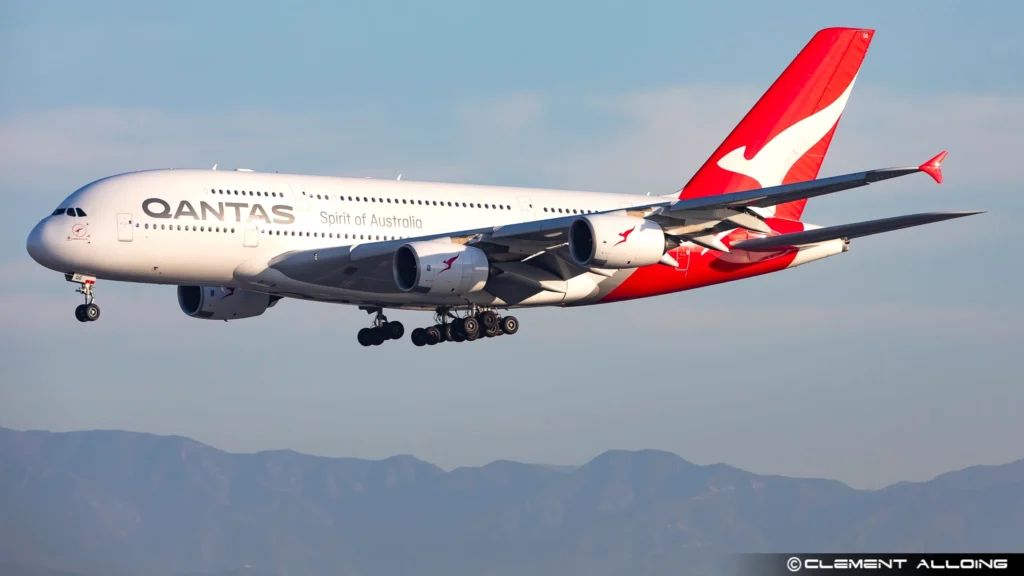
Qantas A380 Retirement
Qantas has brought forward the retirement of its A380 fleet as its next-generation international aircraft arrive.
The airline says the out-of-production aircraft face increasing supply-chain challenges and maintenance costs, while its incoming Airbus A350-1000s and Boeing 787-9s will provide newer and more efficient capacity.
The A380 remains popular with passengers, but its economics have become harder for airlines to justify.
Qantas plans to replace the superjumbo with aircraft that can offer long-range capability while allowing the airline to adjust capacity more easily across its international network.
The change also reflects a shift in Qantas’ premium strategy. Its replacement aircraft will feature a greater proportion of first, business and premium economy seats, allowing the airline to target growing demand for higher-value travel rather than relying on the enormous capacity of the A380.

Why The A380 Faded
Airbus delivered 251 A380s to 14 customers before ending production.
The aircraft can carry more than 500 passengers and has a maximum certified capacity of 853, but airlines increasingly favored smaller twin-engine widebodies that could provide long-range capacity without the operating requirements of a four-engine superjumbo.
The A380’s size made it particularly effective on heavily traveled hub-to-hub routes.
However, airlines gained more flexibility from aircraft such as the Airbus A350 and Boeing 787, which can operate long routes with smaller passenger loads and open more city pairs.
The pandemic accelerated the shift. Several airlines retired their A380 fleets, although strong passenger demand and delays affecting newer aircraft later brought some superjumbos back into service.
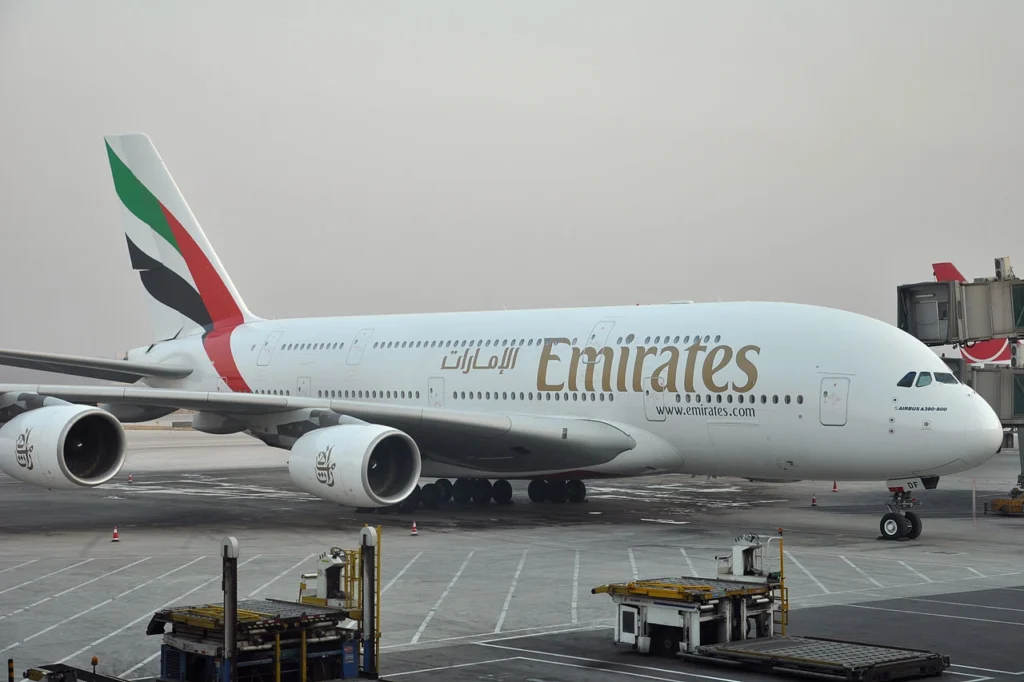
Emirates Keeps Flying the Double Decker
The A380’s future is therefore unlikely to end with Qantas. Emirates remains by far the aircraft’s largest operator and is investing heavily in cabin refurbishments, including upgrades across its A380 fleet.
Emirates plans to operate the A380 into the early 2040s, giving the aircraft a much longer future at the Dubai-based carrier than at most other airlines, CNN reported.
The airline has built its network and airport infrastructure around high-capacity aircraft, making the A380 particularly valuable on routes with sustained demand.
For passengers, Qantas’ retirement will remove another major A380 operator from the global fleet.
The superjumbo may eventually become a niche aircraft dominated by a small number of carriers, but its distinctive double-deck cabin, spacious interior and passenger appeal mean its disappearance will be gradual rather than sudden.
Stay tuned with us. Further, follow us on social media for the latest updates.
Join us on Telegram Group for the Latest Aviation Updates. Subsequently, follow us on Google News
