

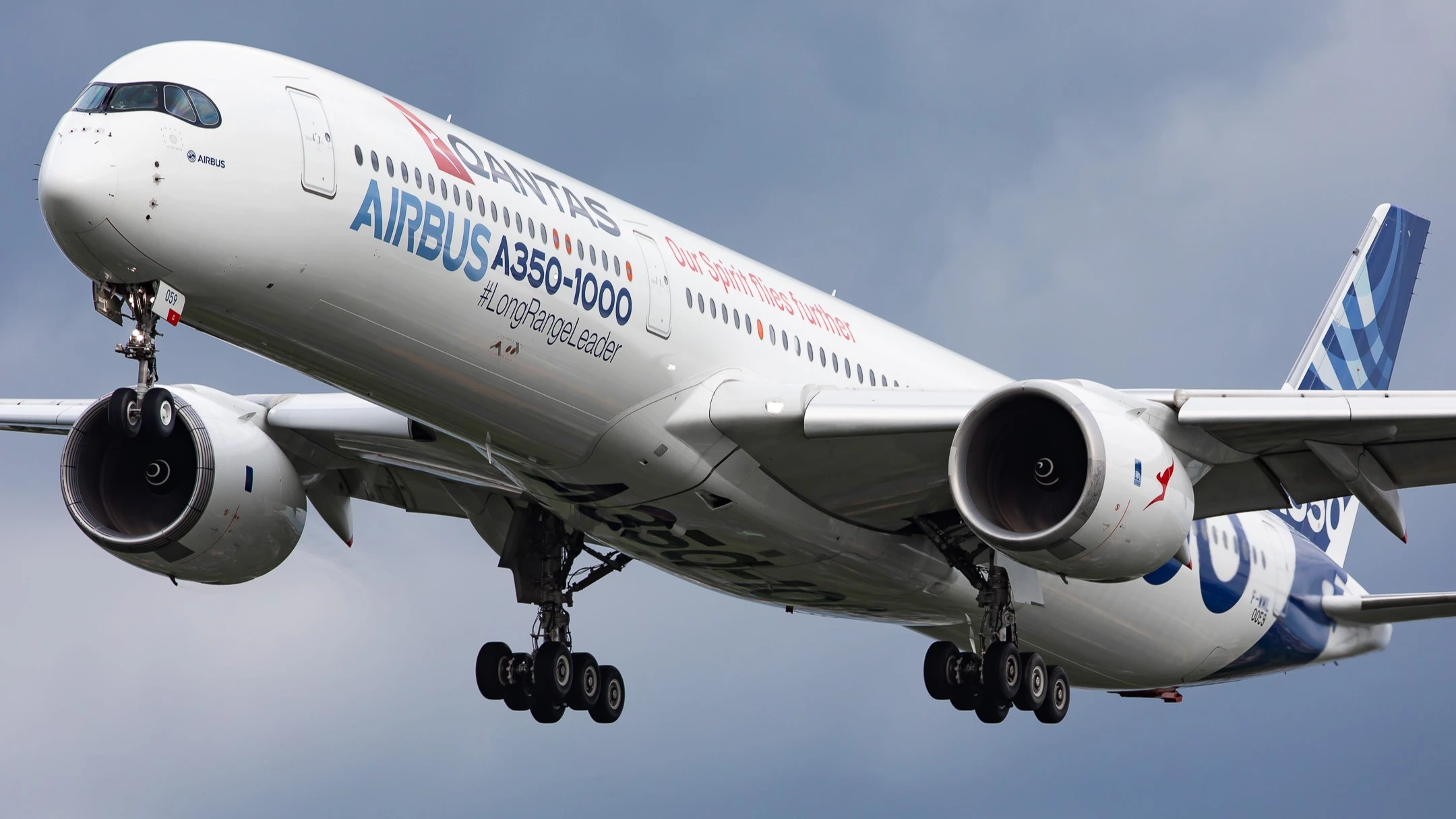
CANBERRA- Qantas (QF) is preparing more than 1,560 pilots and cabin crew members to operate a fleet of just 12 Airbus A350-1000ULR aircraft under its ambitious Project Sunrise programme. The Australian airline has begun preparing its workforce ahead of the introduction of nonstop ultra-long-haul services connecting Sydney with London and New York, where individual flights could remain airborne for up to 22 hours.
The training programme will eventually cover more than 360 pilots and 1,200 cabin crew members, equivalent to approximately 30 pilots and 100 cabin crew for each aircraft when divided across the planned fleet. The first A350-1000ULR is scheduled to arrive in April 2027, with the inaugural Sydney-London service planned for October 2027 and Sydney-New York flights expected from mid-2028.

Qantas’ 1,560 Crew Members
The scale of Qantas’ recruitment and training commitment stands out because the airline will initially operate only 12 aircraft under Project Sunrise.
However, these aircraft will perform some of the longest commercial passenger flights in the world, requiring different crew arrangements from conventional long-haul operations.
Qantas has confirmed that the training programme will cover more than 360 pilots and 1,200 cabin crew by the time the twelfth A350-1000ULR joins its fleet.
The combined workforce will exceed 1,560 people, although the figures represent the total training requirement rather than the number of employees assigned permanently to each aircraft.
Each A350-1000ULR will accommodate 238 passengers across four cabin classes, comprising six first-class suites, 52 business-class suites, 40 premium economy seats and 140 economy seats.
The relatively low passenger capacity reflects the aircraft’s specialised configuration, which prioritises passenger comfort and operational requirements for exceptionally long journeys.
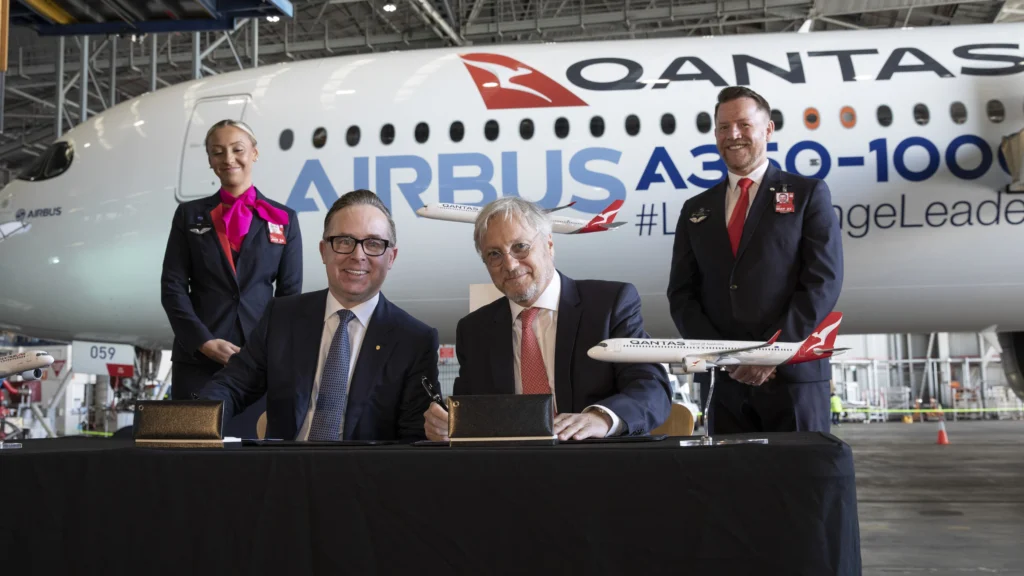
Qantas Crew Train For 22 Hours
The additional crew requirement is closely connected to the aircraft’s operating range. Airbus has equipped the A350-1000ULR with an additional 20,000-litre rear centre fuel tank, allowing it to cover more than 16,000 kilometres and remain airborne for up to 22 hours without stopping.
Flights of this duration require carefully planned crew rotations and extended rest arrangements.
Qantas has also worked with Australia’s Civil Aviation Safety Authority on fatigue management requirements for ultra-long-haul operations, although the airline has not publicly disclosed the complete crew rostering arrangements.
Training is already underway using Australia’s first A350 flight simulator in Sydney. Qantas has also sent pilots to train with British Airways in the United Kingdom, drawing on experience from an airline that already operates the A350-1000.
The initial group includes 40 existing Qantas A330 pilots who are transitioning to the A350 while continuing to operate their current aircraft. This approach allows the airline to develop its pilot workforce before receiving its first Project Sunrise aircraft.
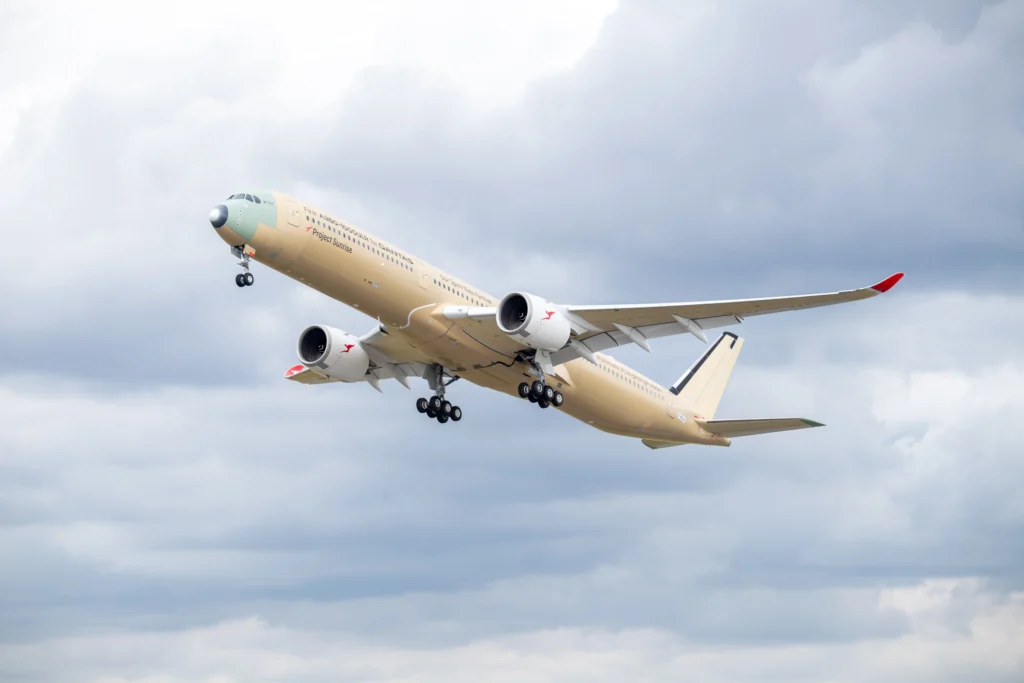
Project Sunrise Timeline
Qantas selected the Airbus A350-1000 for Project Sunrise in 2019 and confirmed an order for 12 specially configured aircraft in May 2022.
The programme aims to establish nonstop connections between Australia’s east coast and major international destinations that have traditionally required intermediate stops.
The first aircraft is scheduled for delivery in April 2027, giving Qantas approximately six months to complete preparations before launching daily Sydney-London flights in October.
Sydney-New York will become the programme’s next major route from mid-2028, Simple Flying flagged.
Qantas will gradually expand its trained workforce as additional aircraft arrive. The airline’s commitment to training more than 1,560 pilots and cabin crew members demonstrates the operational scale required to establish Project Sunrise as a regular part of its international network rather than a limited ultra-long-haul operation.
Stay tuned with us. Further, follow us on social media for the latest updates.
Join us on Telegram Group for the Latest Aviation Updates. Subsequently, follow us on Google News
