

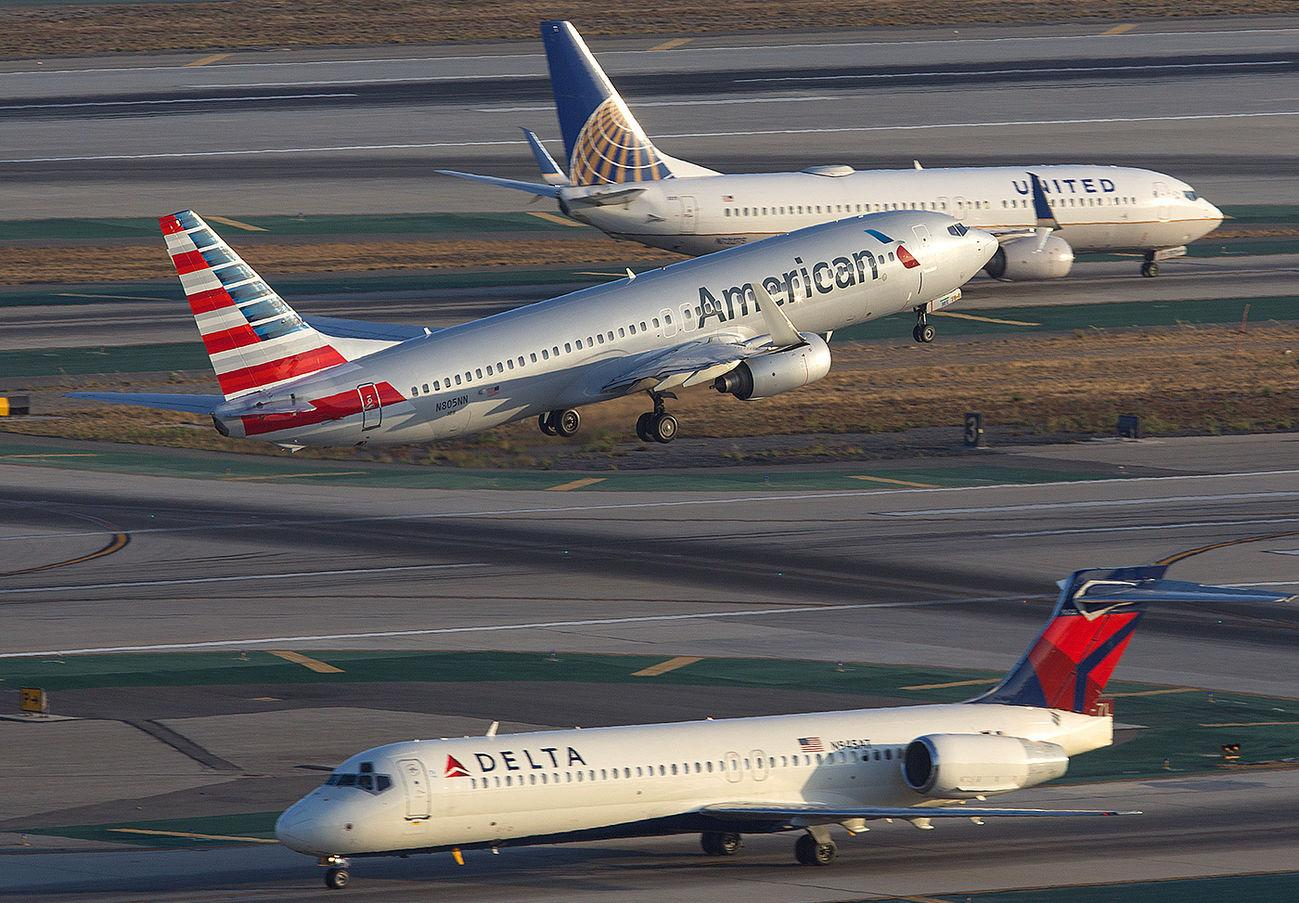
HERNDON- Two new class action lawsuits accuse US airlines of using shared airfare and shopping data to keep ticket prices high, though information sharing alone is not a legal violation.
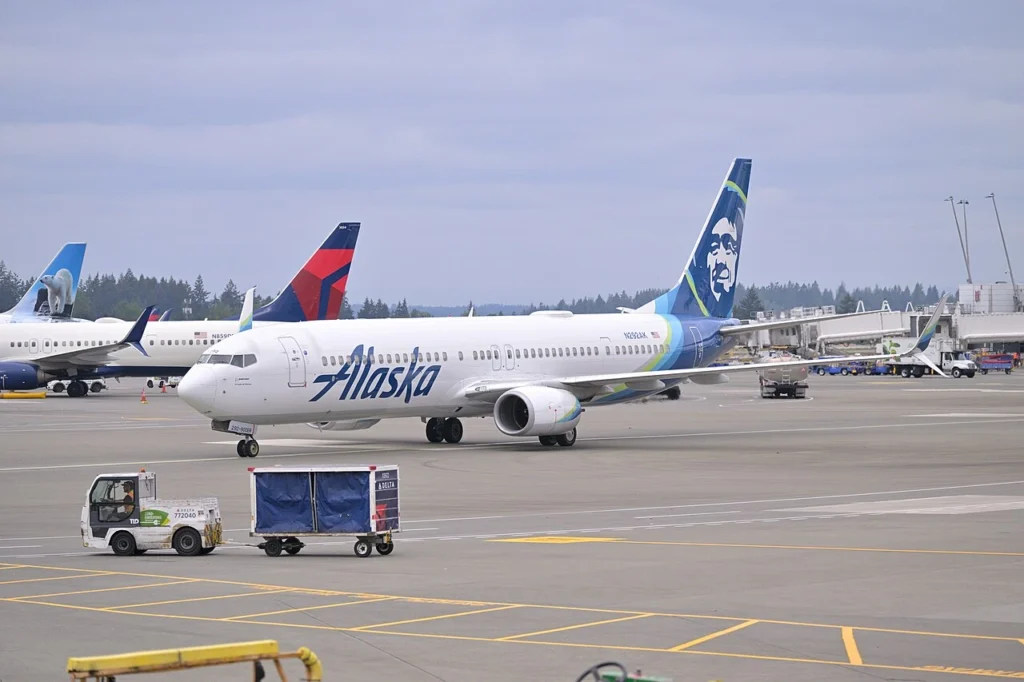
The Seattle (SEA) complaint names American Airlines (AA), Delta Air Lines (DL), United Airlines (UA), Southwest Airlines (WN), Alaska Airlines (AS), Hawaiian Airlines (HA) and JetBlue Airways (B6).
Shared Shopping Data Became Antitrust Concern
Airline fares rose 22.4% over the year to September, according to the Bureau of Labor Statistics (BLS) September inflation report.
The lawsuits claim the airlines built a way to spot competitors’ discounts and discourage the price cutting that could save passengers money.
Cory Garner flagged the two complaints. Ward v. ATPCO was filed on November 4 in federal court in Seattle. Brown v. ATPCO was filed in early November in federal court in Virginia. Ward names seven airlines.
Brown reportedly names 5 of them: American, Delta, Southwest, Alaska and JetBlue. Between them, the complaints name the Airline Tariff Publishing Company (ATPCO) and its 3Victors subsidiary.
ATPCO is owned by airlines and has long distributed fares and fare rules. The lawsuits target its newer shopping data business.
Airlines increasingly generate offers that vary by channel, itinerary, bundle and customer. Those offers are harder for competitors to observe than a published fare.
View from the Wing recently reported that former American Airlines CEO Doug Parker explained how airlines use Wall Street analysts to pressure competitors to stop growing, while denying that executives signal each other.
The lawsuits raise a related question about the systems pricing departments use every day: whether airlines agreed to share information in a way that helps them avoid competing.

Iris, PriceEye and DemandView Work
Three 3Victors tools sit at the center of the claims:
- Iris collects shopping data. Airlines and other participants contribute information and receive competitive information in return.
- PriceEye makes offers easier to compare. It supplies competitive data and alerts that draw attention to differences in pricing.
- DemandView identifies demand before it becomes bookings. Search activity can show where customers want to travel even before they buy tickets.
3Victors describes the exchange as “the more you contribute, the more you receive.” It also says Iris collects all offers returned by a shopping request, including different brands, cabins and prices. That is more than an airline gets by scraping a limited website search result.
Plaintiffs Say Data Discourages Discounts
The lawsuits argue the system gives airlines visibility into competitor pricing they would not otherwise have, including offers that have not led to sales.
An airline that might discount to fill seats instead knows rivals can quickly discover and respond to the offer, so it holds back. If an airline expects every price cut to be matched almost immediately, it sees less opportunity to win business by cutting in the first place.
Same Data Can Lower Fares
The same information can make tickets cheaper. If an airline sells a flight for $100 more than a competitor, an alert about being underpriced lets it adjust the fare and avoid losing a sale.
Better demand information can also support an extra flight or a larger aircraft. That adds seats and supports lower fares.
Antitrust Law Draws Line
The plaintiffs allege violations of the Sherman Act, whose Section 1 prohibits agreements that unreasonably restrain trade.
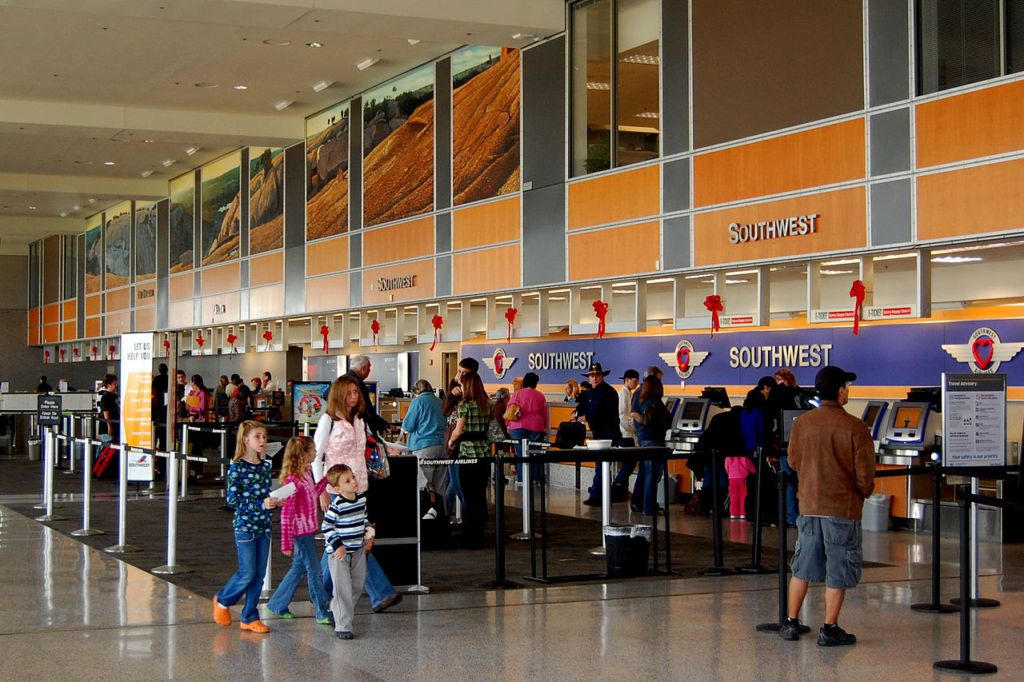
Similar prices alone do not prove an agreement. American, United and Southwest all showed the same $523 fare, yet independently responding to a rival’s price is not an antitrust violation. An airline can generally observe a public price and decide to match it.
Competitors agreeing to keep prices above a certain level is price fixing. An agreement to exchange sensitive information that makes competition less vigorous falls somewhere in between. The lawsuits do not establish that such an agreement exists. The cases must reach discovery first.
Two points from case history frame the debate:
- In United States v. Container Corp. (1969), the Supreme Court found that a reciprocal exchange of recent customer-specific prices violated the law, even without an agreement to adhere to a price schedule. The case involved a concentrated industry with interchangeable products.
- The Court also recognized that information exchanges can improve competition.
Garner notes that the earlier government case against ATPCO, brought in the early 1990s, involved airlines circulating proposed fares before customers could buy them. That let airlines see whether competitors would go along with an increase before risking lost sales.
PriceEye’s ability to show current offers for future flights is different. A price available today for travel next June is not advance notice of a planned price increase.
Airline Defenses and Possible Outcomes
The airlines have several possible defenses:
- A faster, more reliable way to observe bookable fares can help airlines compete.
- The systems do not make pricing decisions, and no common agent fixes fares.
- Higher fares alone do not show the system caused them. Fuel prices and the resulting capacity discipline have played a large role.
- Over the past decade, airfares rose 9.8% while prices across all items rose 38.6%, according to NerdWallet’s analysis of BLS data.
Assuming the cases reach discovery, the contracts airlines signed and the data feeds would show what was agreed and what information was actually shared. They would also show how the services are marketed and discussed inside the airlines.
If the cases go far, a settlement involving payment and tighter limits on data sharing is a possible outcome.
Section 4 of the Clayton Act lets successful private antitrust plaintiffs recover three times their proven damages, plus attorneys’ fees.
Stay tuned with us. Further, follow us on social media for the latest updates.
Join us on Telegram Group for the Latest Aviation Updates. Subsequently, follow us on Google News
