

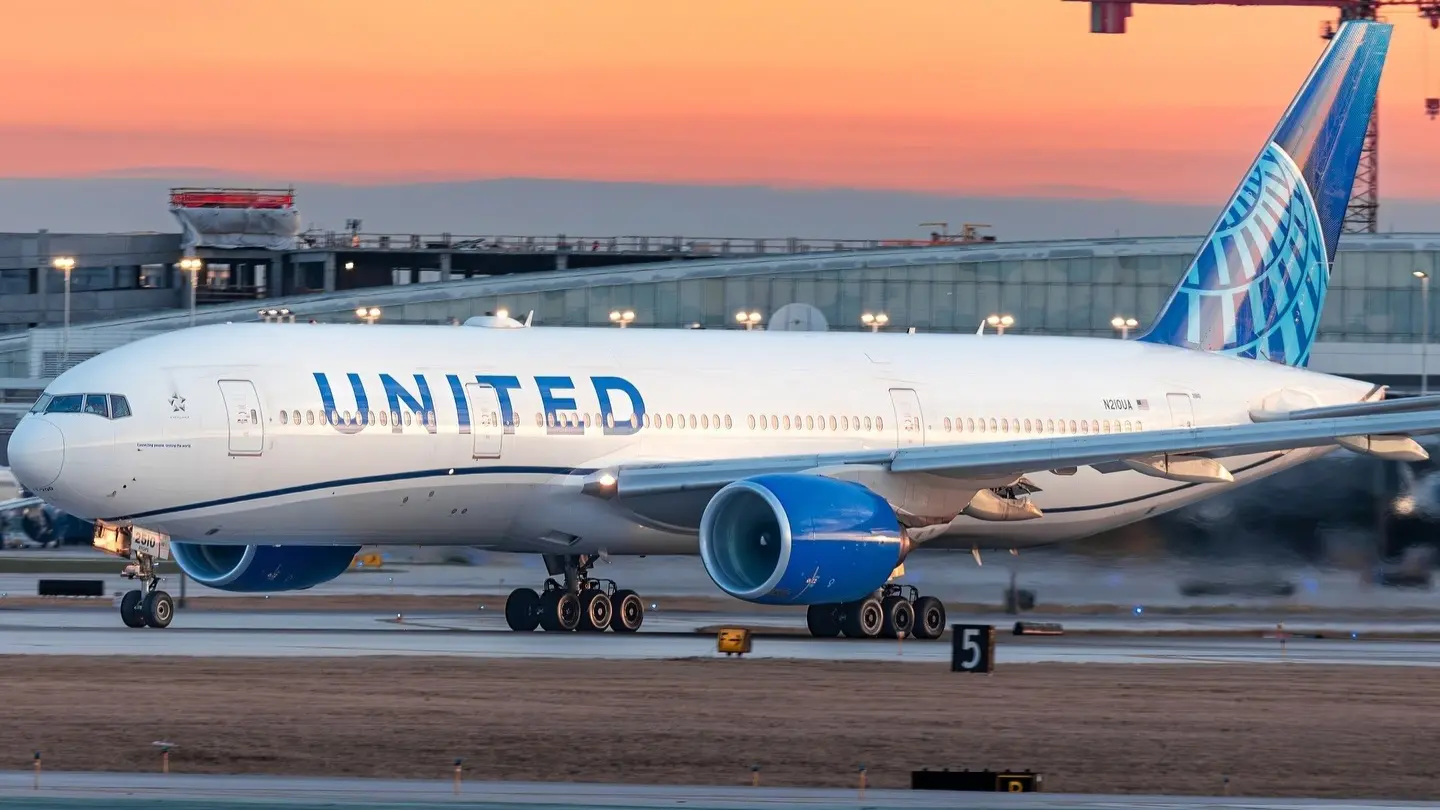
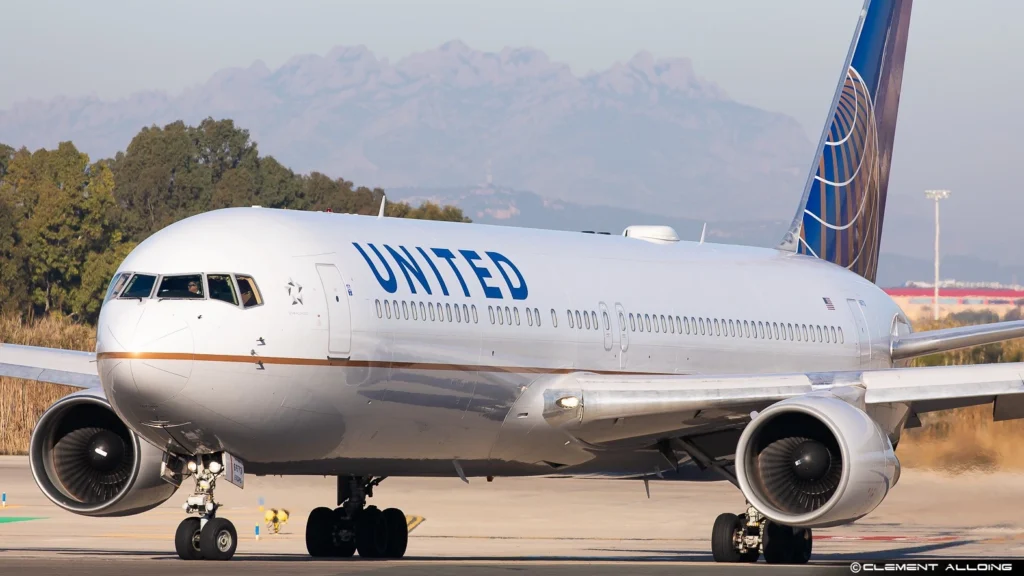
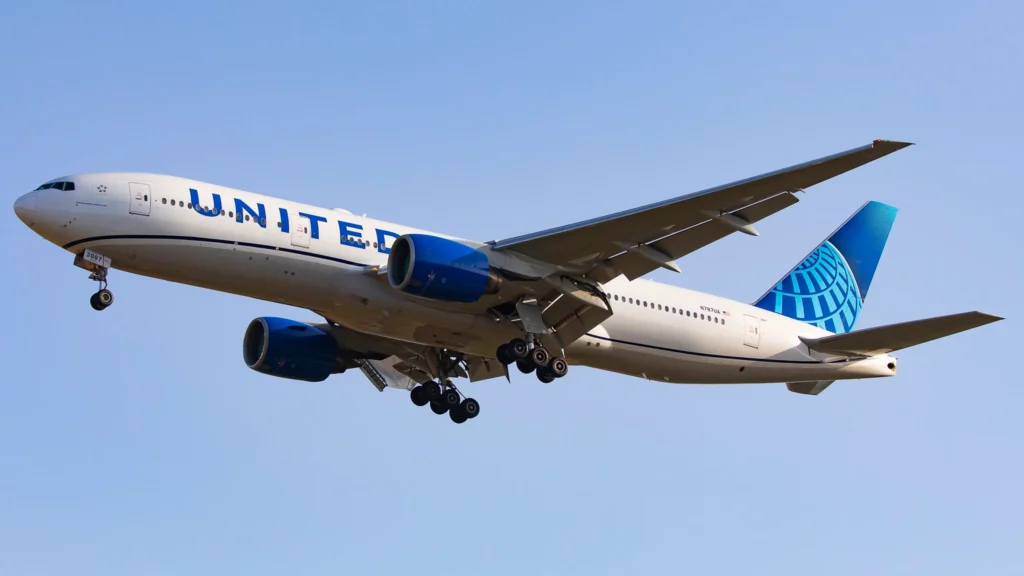
CHICAGO- United Airlines (UA) believes its technology and extensive route network make it the world’s best airline.
However, airlines such as Emirates (EK), Singapore Airlines (SQ), Qatar Airways (QR), STARLUX Airlines (JX) and Air France (AF) offer different strengths that make a universal ranking difficult.

What Makes an Airline the Best in the World?
United CEO Scott Kirby believes his airline deserves the title of the world’s best. During his October 27, 2026, interview on Cheeky Pint with John Collison and Ben Thompson, he explained why technology gives United an advantage over international competitors.
Kirby acknowledged that Asian and Middle Eastern airlines often offer better seats, food and onboard service.
However, he considers flight schedules the primary reason passengers choose an airline, followed by service, product quality, reliability and technology for building long-term loyalty.
His argument highlights an important change in airline competition. Passenger experience now depends on digital services and operational communication as much as traditional cabin quality.
Technology Improves Passenger Communication
Kirby’s strongest example involves United’s use of weather radar images to explain flight delays.
During a disruption in Chicago, thunderstorms affected aircraft routes even though the weather at the airport appeared clear. Passengers questioned the delays because they could see sunshine outside.
United tested 2 communication methods. Half of the affected passengers received conventional delay notifications, while the others received radar images explaining the weather conditions.
Kirby reported that the traditional notification produced an NPS of minus 60, compared with plus 60 for passengers who received the radar image. The reported difference was 120 points for a one-hour delay.
These figures come from Kirby’s interview and are not independently verified research findings.
The example demonstrates why transparent communication matters. Passengers may accept unavoidable disruptions more easily when airlines explain their causes.
United already uses generative AI to assist its customer-service teams with flight updates and weather-related information. Live and Let’s Fly also reported on the airline’s use of AI-assisted weather explanations and live radar maps in 2024.
Technology can improve passenger satisfaction, but it cannot independently establish an airline’s overall quality.
Route Networks and Flight Schedules Matter
An airline is only useful when it can take passengers where they need to go at convenient times.
A nonstop flight can be more valuable than a better business-class seat that requires an additional connection. Flight frequency also matters because multiple daily services give passengers more flexibility when arranging journeys or recovering from disruptions.
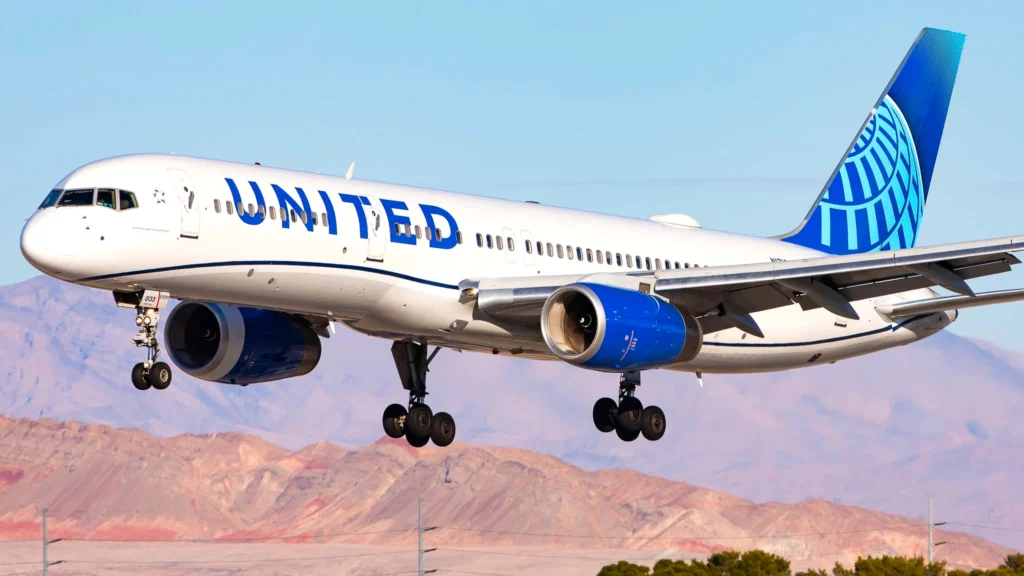
United’s extensive network is one of its strongest advantages. Its domestic and international connections provide practical reasons for many travellers to choose the airline beyond its premium products.
However, network quality depends on the passenger’s location. A traveller based in Chicago may prefer United, while someone living in Taipei may find a regional airline more convenient.
The original reviewer’s willingness to take unusual routes to experience different airline products also highlights the difference between aviation enthusiasts and ordinary travellers. Most passengers prefer convenient connections and suitable departure times over complicated itineraries.
There is no single route network that works equally well for everyone.
Luxury Reputation Does Not Guarantee Best Cabin
Airline reputation can create high expectations, but the actual experience often depends on the aircraft and cabin configuration.
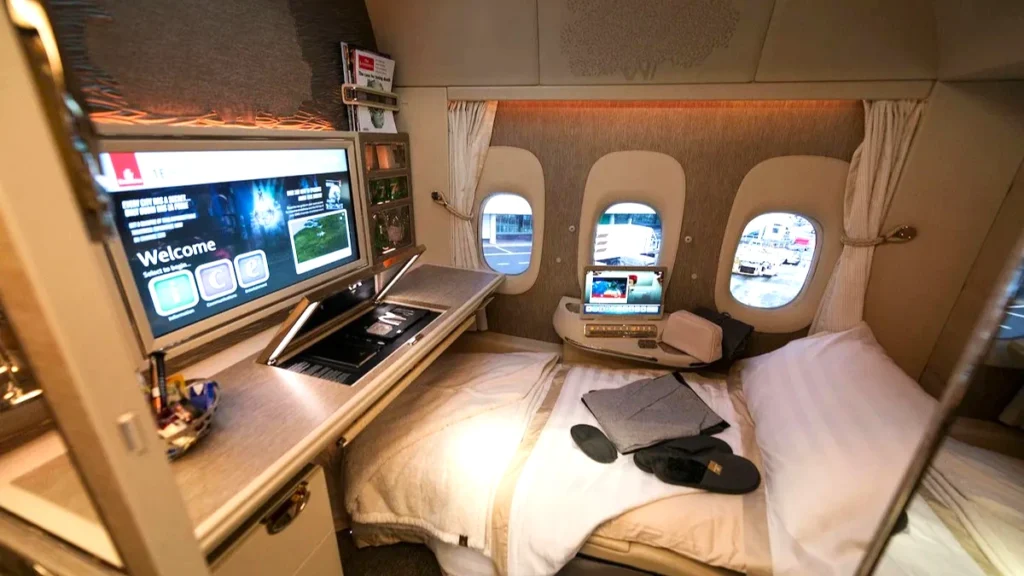
Emirates has built a luxury image through its A380 First Class suites, onboard showers, lounge and premium dining. However, these features are not available across its entire fleet.
Passengers booking business class on some older Boeing 777 aircraft may encounter a product that falls below the airline’s reputation. Retrofitted 777s offer a 1-2-1 configuration with direct aisle access, although their seats may still fall behind leading business-class products elsewhere.
Singapore Airlines provides another example. Its reputation for attentive service and the Singapore Girl branding is widely recognised, but some passengers dislike the sleeping position and design of its long-haul business-class seats.
A recent Emirates 777 First Class experience described in the original review also illustrates this distinction: the suite was excellent, but the service did not meet expectations.
A premium seat, excellent meal or strong brand reputation cannot compensate for every weakness in the passenger experience.

Technology and Inflight Wi-Fi Are Part
Digital services directly affect how passengers manage bookings, receive updates and resolve travel problems.
An airline application that allows passengers to change flights without waiting in an airport queue provides genuine customer service. Accurate notifications, automatic rebooking and accessible travel information also improve convenience.
The reviewer considers United’s mobile application the best among airline apps. Alaska Airlines (AS), American Airlines (AA) and Delta Air Lines (DL) also receive favourable comparisons with many international competitors.
However, technology cannot replace helpful employees or excuse poor airport service.
Inflight connectivity is another important factor. Reliable Wi-Fi allows passengers to work, communicate and access online services during long flights. Slow or unreliable internet can make an otherwise comfortable journey frustrating.
Air France has strengthened its offering through the rollout of Starlink-powered high-speed Wi-Fi. The service is free for passengers who access it through Flying Blue on equipped aircraft.
Connectivity matters more to business travellers than passengers who prefer to sleep or disconnect. Airlines should therefore be evaluated on how well they serve different passenger requirements.
Economy Class Must Be Part of Airline Rankings
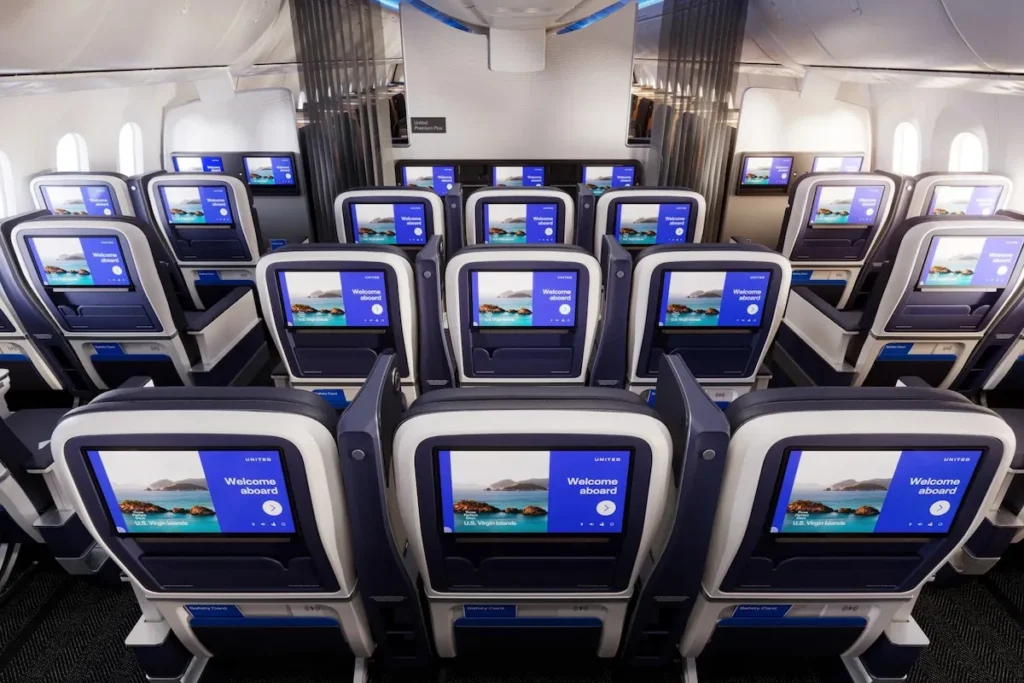
Comparing airlines only through business and first class provides an incomplete picture of their overall quality.
The reviewer acknowledges that much of the original assessment focuses on premium cabins. That perspective may not represent the experience of economy-class passengers.
Legroom, seat comfort, meals, baggage allowances, fare restrictions and seat-selection charges also influence airline quality.
Some Asian airlines offer better combinations of economy-class legroom, meals and attentive service than their American competitors. These strengths deserve consideration even when their premium cabins are not the newest.
Ticket value matters particularly to families purchasing several seats. A convenient nonstop flight at an affordable total price may be more useful than a luxury product that significantly increases travel costs.
Airline rankings should consider the entire passenger experience, not just the services offered to premium travellers.
Reliability and Disruption Management Build Trust
A good airline should operate reliably and provide effective support when disruptions occur.
Weather, mechanical problems and air traffic restrictions can affect every carrier. However, airlines can distinguish themselves through clear communication, practical assistance and effective rebooking.
American Airlines illustrates why individual strengths do not always translate into consistent performance.
The reviewer highlights some recent American meals as among the best experienced on US network carriers. Complimentary Wi-Fi also performed well during those flights.
However, inconsistent customer service and operational problems lowered the airline’s overall assessment relative to United and Delta.
This does not mean every American flight is poor or every Delta flight is good. It reflects the cumulative effect of repeated experiences.
Airlines earn passenger confidence through consistency and can lose it through repeated failures.
Loyalty Programmes Should Add Real Value
Frequent flyer programmes influence airline selection through award availability, redemption prices and elite benefits.
Priority services, lounge access and additional baggage allowances can make one airline more attractive when competing flights offer similar schedules and fares.
However, passengers should distinguish between the airline they enjoy flying and the loyalty programme that provides the most value.
An attractive redemption cannot make an uncomfortable seat better, and elite status cannot prevent a flight cancellation.
Ideally, loyalty benefits should strengthen a relationship that an airline has already earned through reliable operations and good service.
Why Different Airlines Can Be the Best Choice
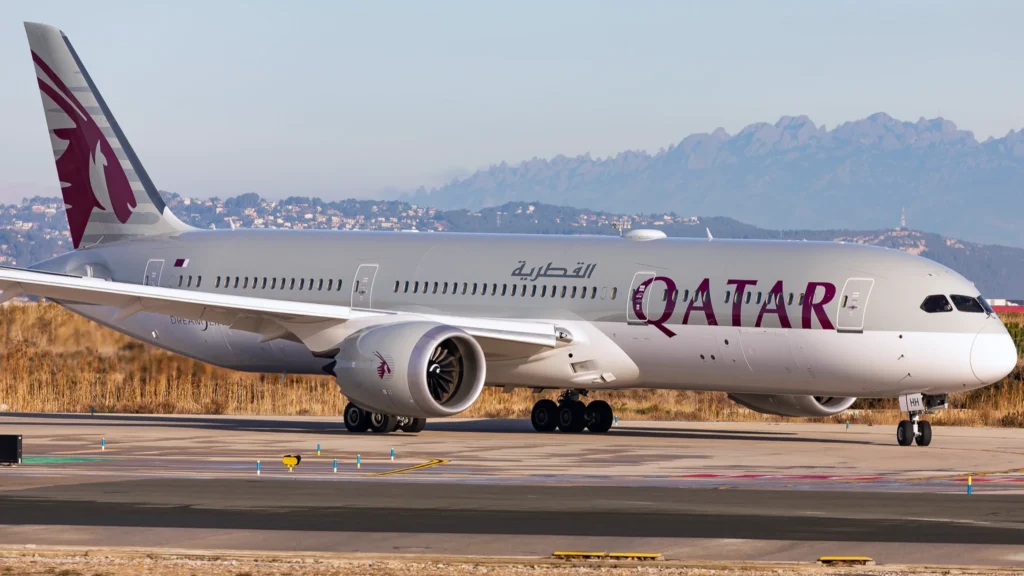
Qatar Airways and STARLUX Airlines are among the reviewer’s preferred carriers because of their overall experiences, including reliable Wi-Fi, service and cabin quality.
Air France has also improved through its newer business-class seat, food and onboard service, alongside its Starlink connectivity rollout.
United remains an attractive choice because of its extensive network and technology. These practical advantages can outweigh a more luxurious onboard experience offered by another carrier on a particular journey.
The distinction is important: a passenger’s favourite airline may not always be the best airline for a specific trip.
Destination, flight schedules, cabin class, ticket price and personal preferences all influence the final choice.
Best Airline Is the One That Performs Consistently
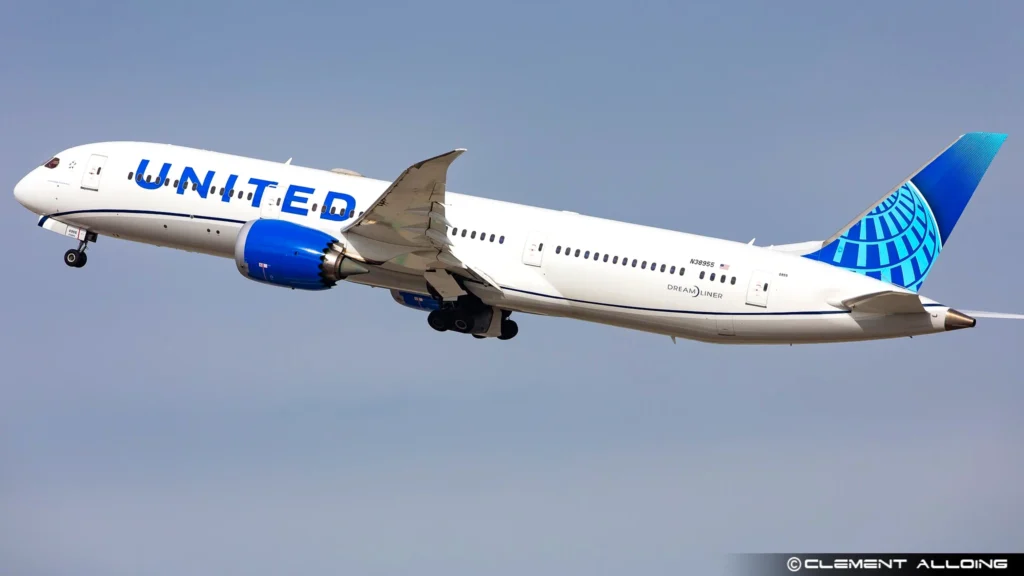
Scott Kirby’s claim deserves consideration because it recognises that airline quality extends beyond premium seating and onboard hospitality. United’s technology, communication and network are meaningful competitive strengths.
However, these advantages do not automatically make it the world’s best airline. Cabin comfort, customer service, economy-class quality, connectivity, operational reliability and ticket value remain equally relevant.
Emirates, Singapore Airlines, Qatar Airways, STARLUX, Air France and United each offer different advantages.
Rather than searching for one universal winner, passengers should recognise airlines that consistently perform well in the areas that matter to them and avoid rewarding carriers that repeatedly disappoint.
The better question is not which airline is the best in the world, but which airlines deliver the best experience for their passengers.
Stay tuned with us. Further, follow us on social media for the latest updates.
Join us on Telegram Group for the Latest Aviation Updates. Subsequently, follow us on Google News
