

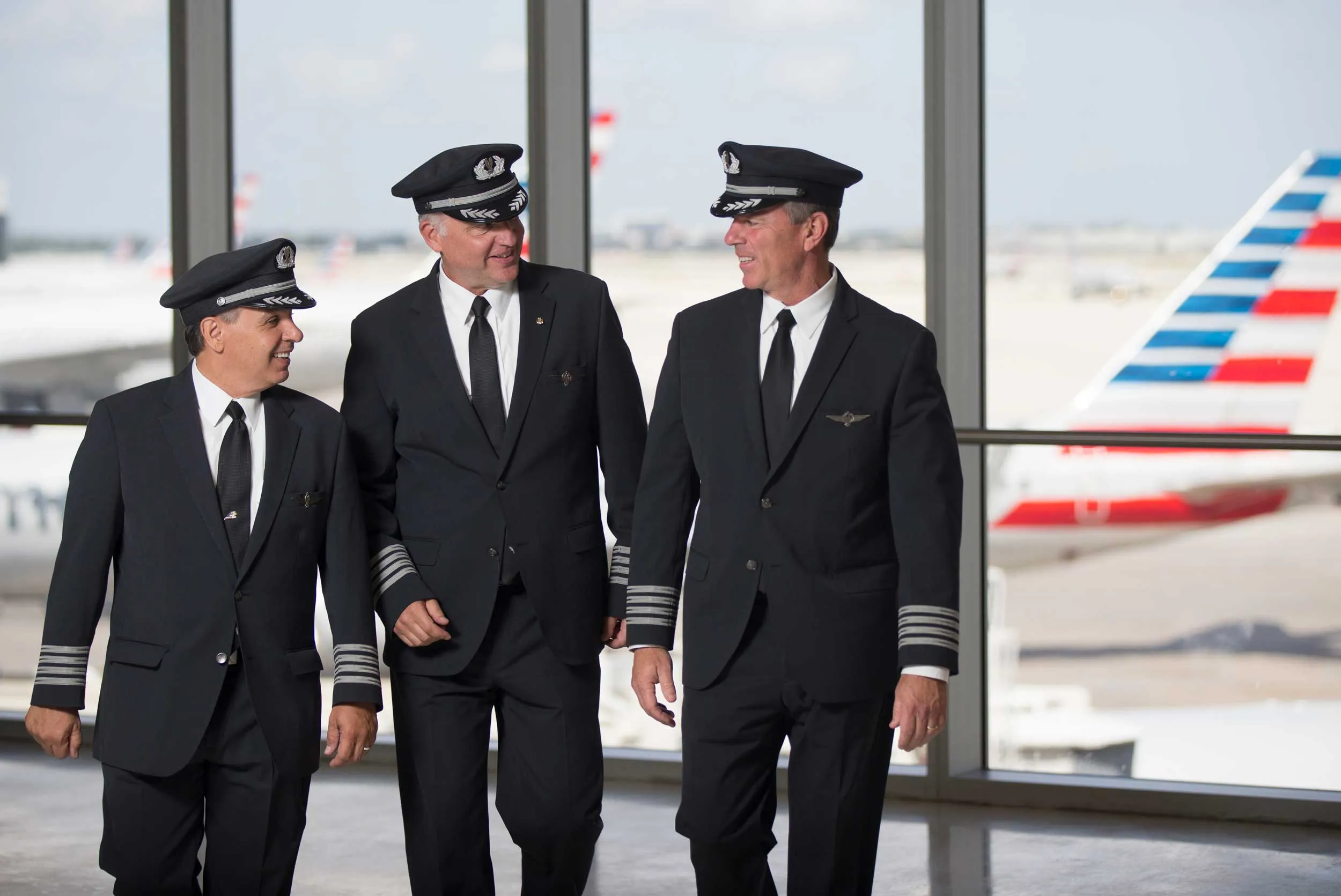
FORT WORTH– American Airlines (AA) pilots have been warned not to eat tiramisu served on some crew meal trays at Phoenix Sky Harbor International Airport (PHX) after the contracted catering provider supplied desserts containing alcohol.
The Allied Pilots Association (APA), which represents American Airlines pilots, issued the warning after its Aeromedical-HIMS Committee identified the catering issue. The union said alcohol could remain in the finished dessert because it was not cooked after the ingredient was added.
American Airlines Issues Warning Over Alcohol-Containing Crew Meals
The warning affects American Airlines flight crews based in or transiting through Phoenix. According to an internal APA memo shared by aviation industry insider JonNYC on X, the contracted catering provider included alcohol-containing tiramisu on some crew meal trays.
The union highlighted a specific concern with the dessert preparation process. Alcohol was added to the tiramisu, but the dessert was not cooked afterward. As a result, some alcohol could remain in the finished product and potentially expose pilots to an unintended source of alcohol consumption.
The APA Aeromedical-HIMS Committee said it could not determine the exact amount of alcohol in each serving or establish what effect consuming the dessert might have on a crew member undergoing Department of Transportation (DOT) alcohol testing.
The union therefore recommended that pilots avoid the tiramisu completely until the catering issue is resolved.
According to the memo, the APA was coordinating with the Phoenix Flight Office to have the dessert removed from crew meal trays and replaced. Pilots were advised that accepting an incomplete crew meal was preferable to risking the potential consequences of consuming the dessert.
The warning also addressed pilots who might have already eaten the tiramisu. Crew members concerned about their fitness to operate a flight were instructed to contact their APA domicile representatives immediately and avoid allowing schedule pressure to influence their fitness-for-duty decisions, PYOK reported.

FAA Rules Impose Strict Alcohol Restrictions on Flight Crews
The incident raises concerns because pilots and other aviation safety-sensitive employees operate under strict alcohol restrictions. Under Federal Aviation Administration (FAA) regulations, flight crew members must meet specific requirements before operating an aircraft.
Under 14 CFR § 91.17, a person cannot act or attempt to act as a crew member of a civil aircraft within eight hours after consuming an alcoholic beverage. The regulation also prohibits crew members from operating an aircraft while under the influence of alcohol or drugs that could affect their ability to perform safely.
Separately, the regulation prohibits flight crew members from operating an aircraft with an alcohol concentration of 0.04 or greater in a blood or breath specimen. These requirements apply independently, meaning that meeting the eight-hour requirement does not automatically establish compliance with the alcohol-concentration limit.
The eight-hour restriction is commonly known across the aviation industry as the bottle-to-throttle rule. It prevents pilots from consuming alcoholic beverages during the eight hours before operating an aircraft.
However, the alcohol concentration requirement creates an additional concern for pilots who may undergo testing. Even when a crew member does not feel impaired, a test result can raise questions about compliance with federal aviation regulations.
The FAA also states that violations of these requirements can result in the revocation of an airman certificate. This makes accidental alcohol exposure a serious concern for professional flight crews.
Random Alcohol Testing Adds to Crew Compliance Concerns
The risk of testing is another reason the APA has taken the catering issue seriously. Aviation employees covered by federal drug and alcohol testing regulations are subject to random testing programs.
For 2026, the FAA has maintained minimum annual random testing rates of 25% for drug testing and 10% for alcohol testing among covered safety-sensitive employees.
These are annual minimum selection rates under the FAA’s testing program, rather than a requirement that every pilot undergo an alcohol test each year.
Pilots may therefore face an alcohol test as part of their employer’s random testing program. The possibility of testing makes it important for crew members to know the ingredients in food, beverages and medication consumed before duty.
The tiramisu warning highlights how a catering error can create an avoidable compliance concern for flight crews. Although the APA did not establish the alcohol concentration of the dessert, it considered the uncertainty significant enough to recommend that pilots avoid it entirely.

Previous Alcohol-Related Warnings for Airline Crew
The tiramisu incident is not the first time an American Airlines employee union has raised concerns about alcohol exposure from everyday products.
In December 2023, the Association of Professional Flight Attendants (APFA), which represents American Airlines cabin crew, warned members about NyQuil nighttime cold and flu liquid.
The warning concerned the product’s alcohol content, with the union highlighting the possibility that using certain cold and flu remedies could create complications during workplace alcohol testing.
The incident illustrates why aviation unions pay close attention to substances that might affect alcohol test results, even when crew members do not consume conventional alcoholic beverages.
Catering Error Raises Questions About Crew Meal Checks
The Phoenix incident highlights the importance of accurate ingredient information and proper quality checks in airline catering operations.
Unlike passenger meals, crew meals are supplied to employees who must meet strict fitness-for-duty requirements. Catering providers therefore need to account for ingredients that could create operational or regulatory concerns for flight crew members.
In this case, the APA’s immediate priority was to prevent further consumption by having the alcohol-containing dessert removed and replaced.
The union’s warning did not establish how many crew members had received the dessert, how long it had been included in meal trays, or how much alcohol an individual serving contained.
Until the catering issue is resolved, the APA has advised pilots to avoid the tiramisu and contact their union representatives if they have already consumed it and have concerns about their fitness to operate a flight.
The incident demonstrates how an ingredient in an ordinary crew meal can become an aviation safety and regulatory concern when flight crew members are subject to strict alcohol restrictions.
Stay tuned with us. Further, follow us on social media for the latest updates.
Join us on Telegram Group for the Latest Aviation Updates. Subsequently, follow us on Google News
