

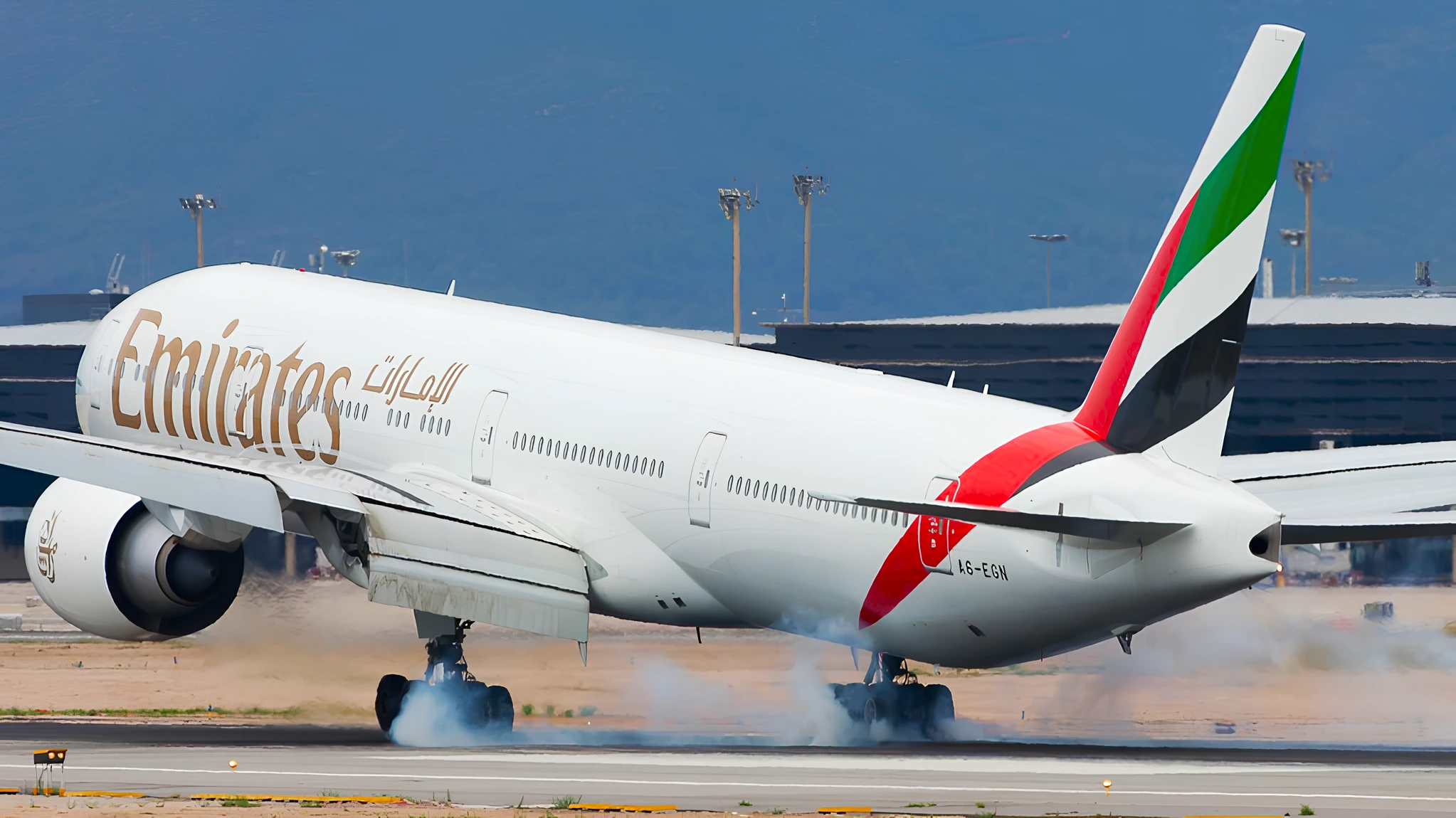
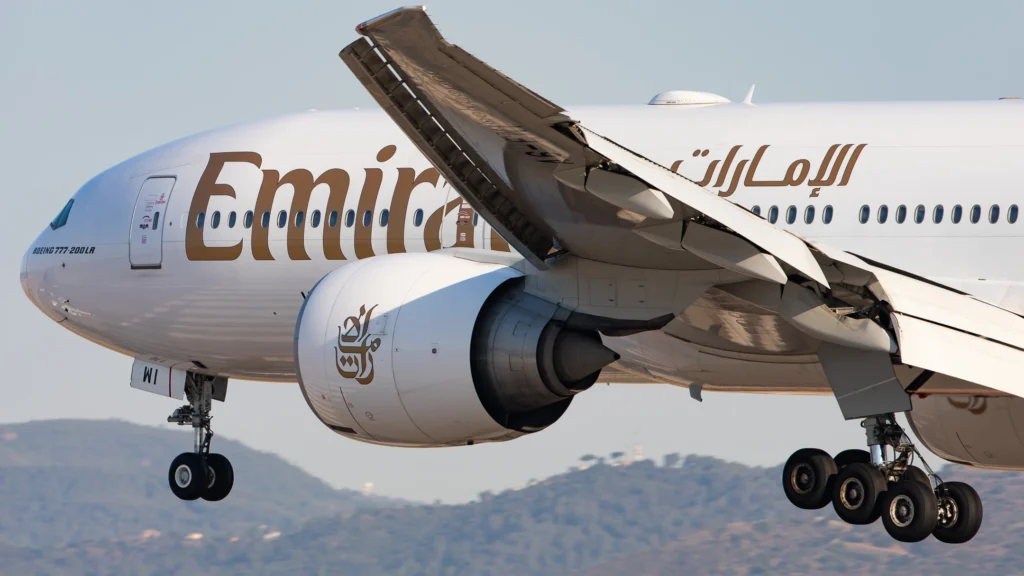
MIAMI- An Emirates (EK) Boeing 777-300 carrying as many as 328 passengers declared a low-fuel “Mayday” emergency after two failed attempts to land at Miami International Airport (MIA) on Sunday morning. The flight had been airborne for more than 17 hours before the crew made the distress call.
Emirates flight EK213, which operates from Dubai (DXB) to Miami before continuing to Bogota (BOG), had earlier warned Air Traffic Control about its fuel state and even requested a diversion to Fort Lauderdale (FLL) before landing safely on the third attempt.
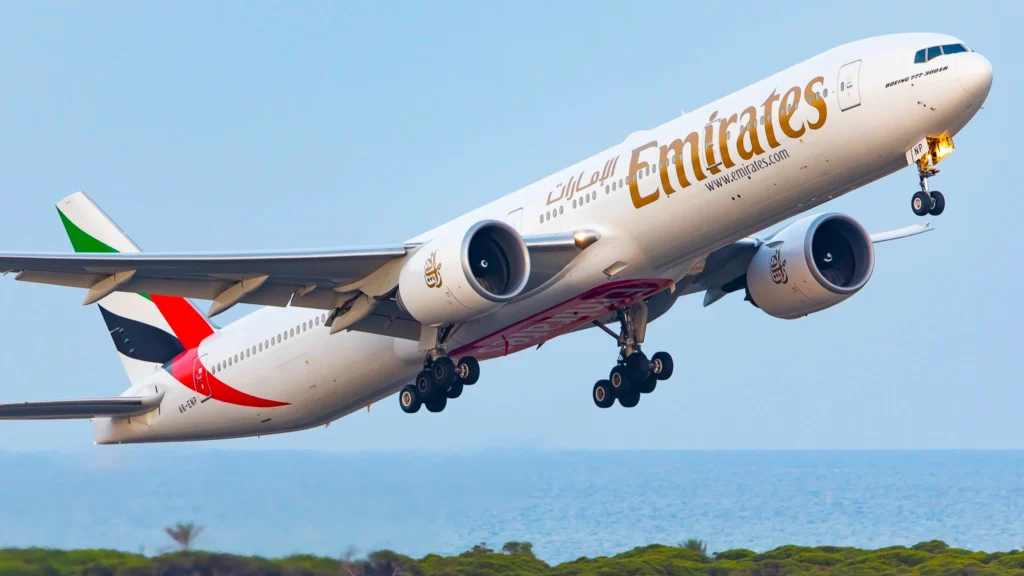
Emirates 777 Go Arounds Twice at Miami
The journey was already longer than usual. Strong headwinds across the Atlantic Ocean stretched the flight time, and data from Flightradar24 showed EK-213 spent 17 hours and 16 minutes in the air after landing on May 17, 2026.
The route normally takes between 15 and a half and 16 and a half hours, depending on wind strength.
The headwinds alone were manageable, but conditions worsened on arrival. As the aircraft approached Miami International at around 10:30 am on Sunday, thunderstorms were moving through the area and producing wind shear near the airport.
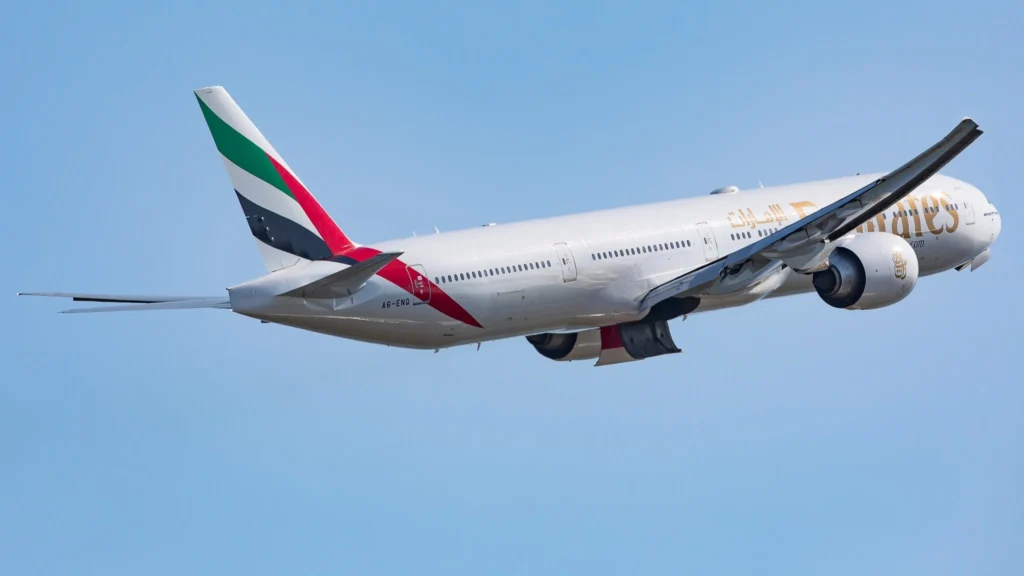
First Approach Rejected on Runway 09
On the final approach to Runway 09, the pilots rejected the landing because of low visibility and wind shear. Concerned about fuel and unsure whether the weather would improve, the crew asked for an unusual diversion to Fort Lauderdale.
The air traffic controller instead suggested Runway 12, which sits at a different angle to Runway 09 and was therefore less affected by the wind shear.
The pilots agreed but informed ATC that they were declaring “Minimum Fuel.” This is not an emergency declaration, but an advisory that the crew cannot accept any significant delay or holding.
Second Approach Ends in a Go-Around
The aircraft circled and lined up for Runway 12. The approach was going well, and the jet came within less than 100 feet of the runway, until controllers noticed that another aircraft had not cleared the runway in time.
To prevent a possible collision, the pilots of EK213 were ordered to abort the landing and go around.
At that point, the crew immediately upgraded their call to a full “Mayday” emergency. According to PYOK, this changed the situation from an advisory into a formal declaration that obligated controllers to prioritise the flight.
ALSO READ: Emirates 777 Pilots Failed to Land Twice at Hong Kong, Flight Diverted
Third Attempt Successful
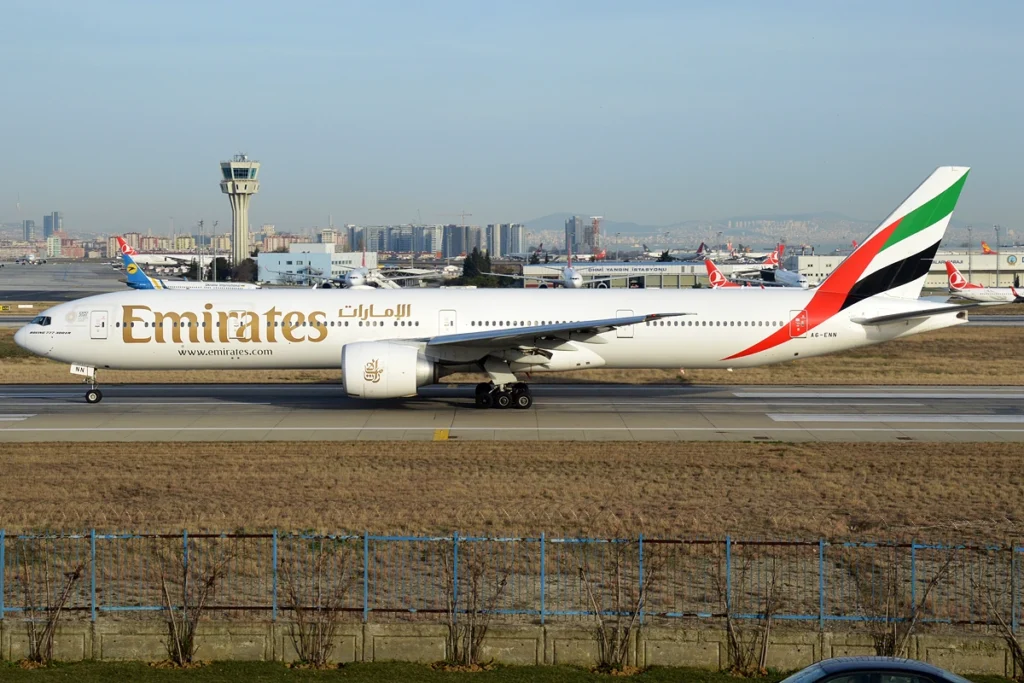
Controllers moved another aircraft out of the landing pattern so EK-213 could take precedence. On the third attempt, the Boeing 777-300 landed on Runway 12 without incident and taxied to the gate under its own power.
Emirates had only resumed flights between Dubai and Miami on May 1, after suspending the service for two months because of the war in Iran.
How Fuel Planning Played a Role
These incidents often raise questions about how little fuel remained in the tanks and why more was not loaded in Dubai. Carrying extra fuel adds weight, which slows the aircraft, burns more fuel, and increases emissions, so fuel loads are calculated rather than simply filled to the maximum.
In this case, the pilots had assessed they had enough fuel for at least one missed approach at Miami, followed by a reroute to Fort Lauderdale as an alternate airport. Once the aircraft experienced two missed approaches, the situation became far more serious. The aircraft was not about to run out of fuel, but the crew judged that it was no longer safe to remain in a holding pattern while waiting to land.
Stay tuned with us. Further, follow us on social media for the latest updates.
Join us on Telegram Group for the Latest Aviation Updates. Subsequently, follow us on Google News
