

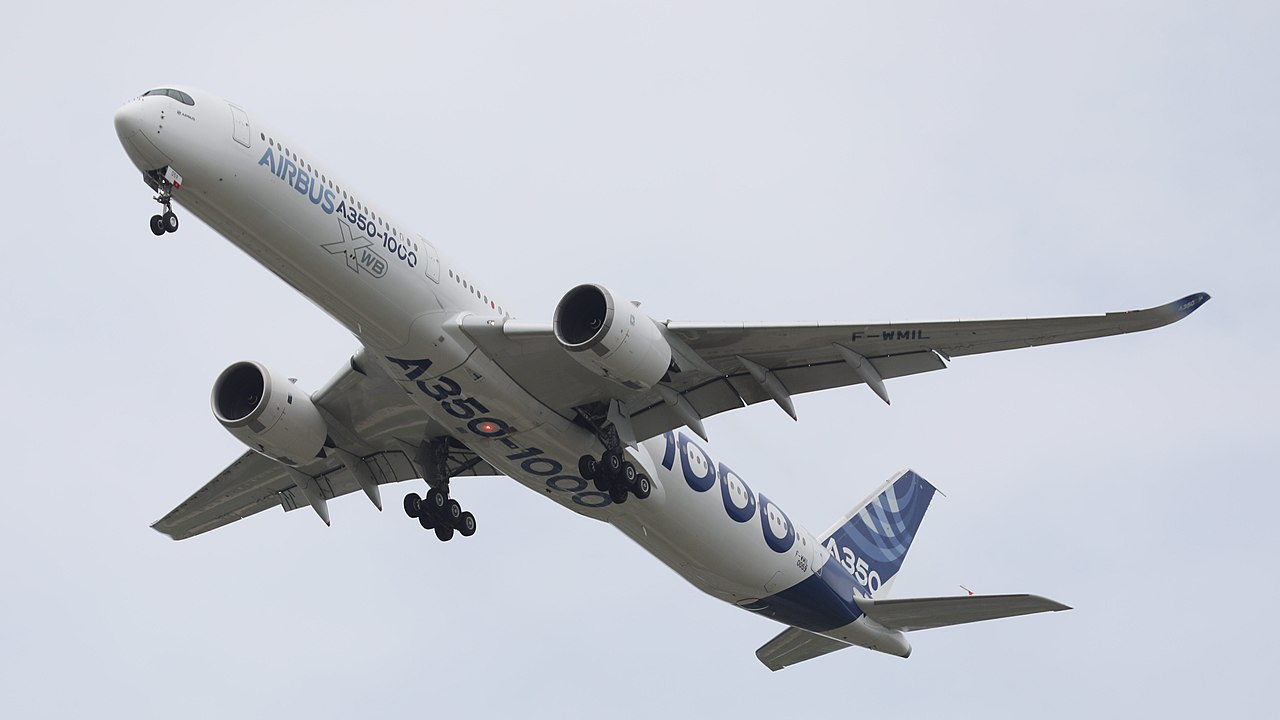
TOULOUSE- Airbus is moving closer to deciding whether to launch the stretched A350-2000 widebody aircraft, positioning it against Boeing’s upcoming 777X family. The European manufacturer confirmed it is studying larger A350 variants, while Rolls-Royce said a final decision could come within the next 12 months.
The proposed aircraft could eventually replace aging Airbus A380 fleets at airlines such as Emirates (EK), based at Dubai International Airport (DXB). If approved, the new aircraft would likely enter commercial service in the early 2030s after a new Rolls-Royce engine completes development and certification.
Airbus Evaluates Larger A350
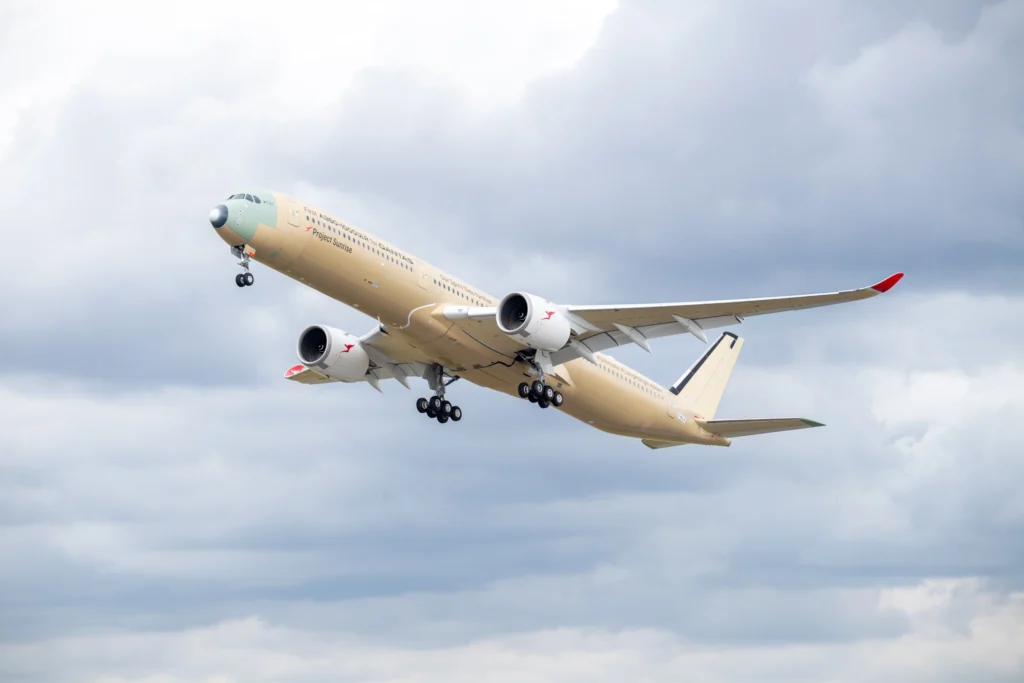
Airbus is actively assessing whether to launch a stretched version of its successful A350 family, widely referred to within the industry as the A350-2000. Although the aircraft has not yet received official program approval or a formal designation from Airbus, executives confirmed that market demand for larger twin-engine aircraft continues to grow.
The announcement came during the Farnborough International Airshow, where Airbus acknowledged it is studying multiple options to expand the A350 lineup.
According to Airbus, airlines continue to seek efficient high-capacity aircraft capable of replacing four-engine jets while reducing fuel burn and operating costs. The proposed A350-2000 would address this segment and compete directly with Boeing’s 777-9, the largest member of the delayed 777X family.
Airbus has not confirmed the aircraft’s final size or passenger capacity. However, industry expectations suggest it would seat significantly more passengers than today’s A350-1000 while remaining below the capacity once offered by the Airbus A380.
Decision Could Arrive Within the Next Year
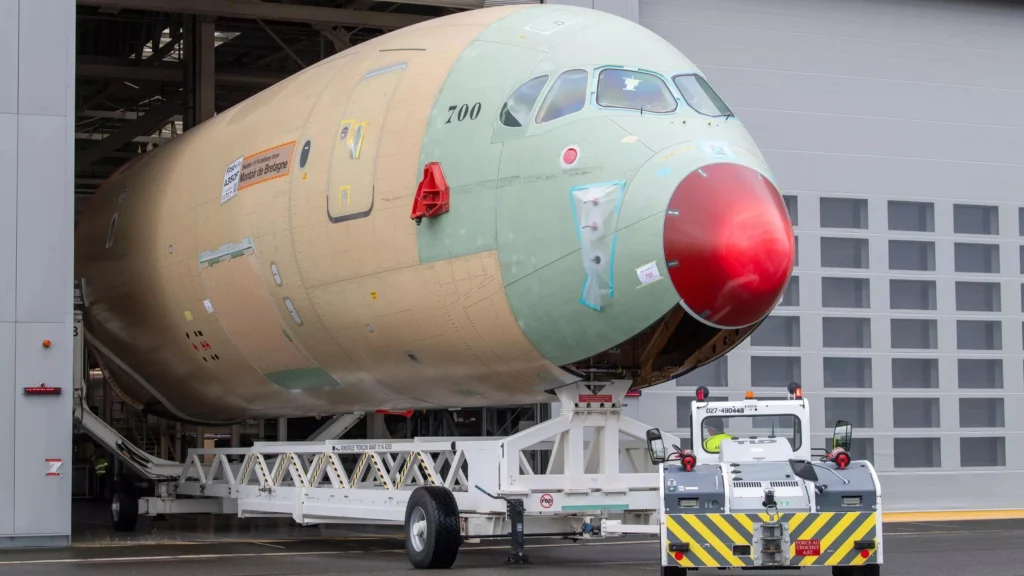
Rolls-Royce CEO Tufan Erginbilgic revealed that Airbus may decide whether to proceed with the program within approximately 12 months.
Rolls-Royce is the exclusive engine supplier for the A350 family, making its participation essential for any larger aircraft variant.
Erginbilgic stated that if Airbus approves the project around early 2027, the required engine would take approximately six to seven years to develop, test, certify, and enter service. That timeline would place first deliveries around 2033 or 2034.
Airbus Chief Executive Guillaume Faury has not confirmed a launch date but acknowledged that demand for large widebody aircraft remains strong.
An Airbus spokesperson said the company is exploring potential evolutions of the A350 family to meet future airline requirements but emphasized that no final decision has been made, WSJ reported.
Rolls-Royce’s UltraFan Technology Will Be Critical
A larger A350 cannot simply rely on today’s Trent XWB engines with minor upgrades.
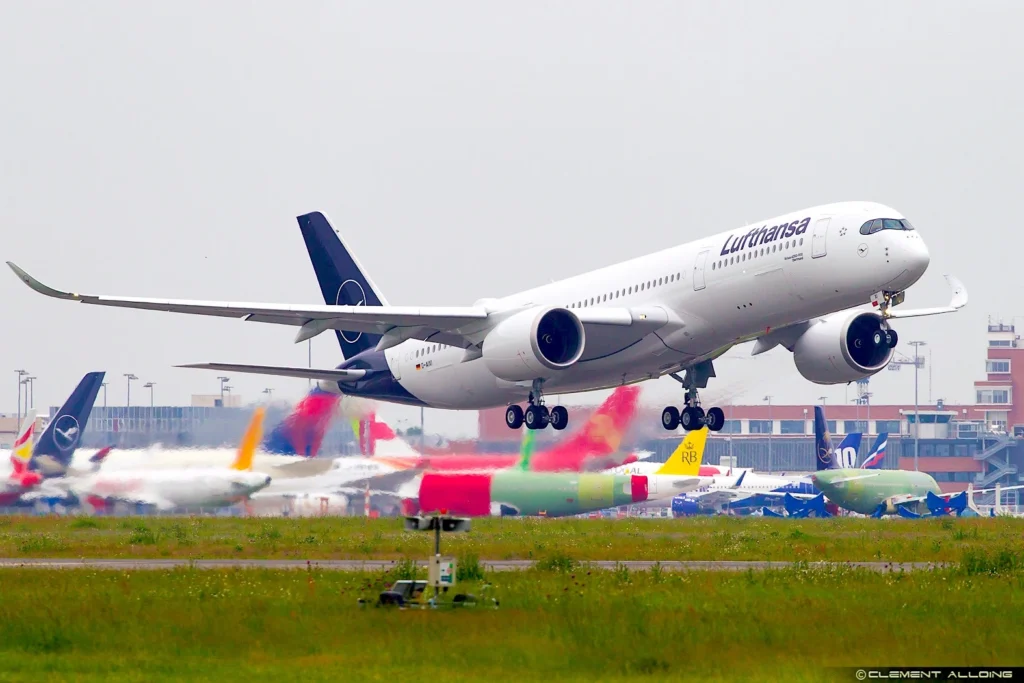
Instead, Rolls-Royce is expected to incorporate technology from its UltraFan engine program, which represents the company’s next generation of commercial aircraft propulsion.
UltraFan introduces a geared architecture that allows the front fan to rotate at a slower speed while the engine core operates at much higher efficiency. This configuration is designed to improve fuel consumption by 10% to 25% compared with current-generation Trent engines.
The new engine is also being developed for compatibility with 100% Sustainable Aviation Fuel (SAF), supporting aviation’s long-term emissions reduction goals.
Rolls-Royce has adopted a cautious development strategy following the costly technical issues experienced with its Trent 1000 engines used on the Boeing 787 Dreamliner. Those problems resulted in billions of dollars in financial losses and significant operational disruptions for airlines.
Company executives have stressed that reliability will take priority over speed during the UltraFan development program.

Airbus Financial Recovery Supports New Aircraft Development
The improved outlook follows a difficult beginning to 2026.
Earlier this year, Airbus reported a 52% decline in first-quarter core operating profit, largely because of persistent supply chain disruptions affecting aircraft production.
CEO Guillaume Faury identified shortages of Pratt & Whitney engines as one of the primary reasons dozens of completed A320neo family aircraft remained undelivered at Airbus facilities.
Despite those challenges, investor confidence strengthened after Airbus announced a share buyback program and outlined plans to double profits by 2029.
The company’s long-term production outlook has also improved.
Airbus expects supply chain issues affecting the A320neo family to ease by 2028. During the same period, production of the A350 family is planned to increase to 12 aircraft per month, providing stronger financial support for future development programs.
Another major advantage is Airbus’ enormous commercial backlog, which exceeds 9,200 aircraft orders. That backlog provides production stability for years while allowing Airbus to invest in future aircraft.
Competing Directly With Boeing’s 777X
The proposed A350-2000 would enter one of the most competitive segments of the commercial aviation market.
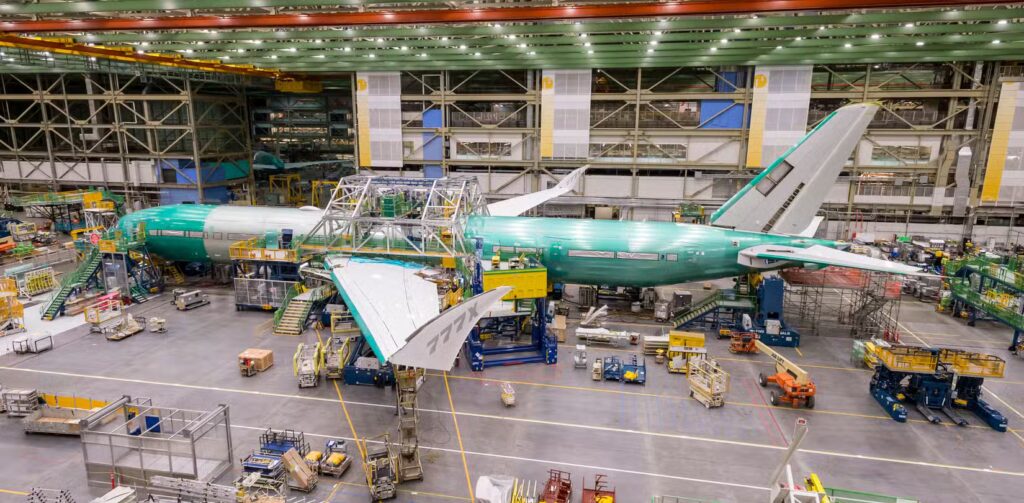
Boeing’s 777X program has experienced multiple certification and production delays, postponing entry into service by roughly seven years.
Boeing now expects the first 777-9 deliveries to begin next year, although previously manufactured aircraft still require retrofit work before delivery.
Boeing CEO Kelly Ortberg confirmed the company is modifying early-built aircraft at dedicated facilities without disrupting ongoing production.
Ortberg also reiterated that the 777X certification program remains on schedule despite earlier setbacks.
By the time Airbus could introduce the A350-2000 during the early 2030s, Boeing’s aircraft would already have accumulated years of operational experience.
That leaves Airbus with little margin for technical or certification delays, increasing the importance of delivering a highly efficient and reliable aircraft from day one.
Emirates Could Become a Launch Customer
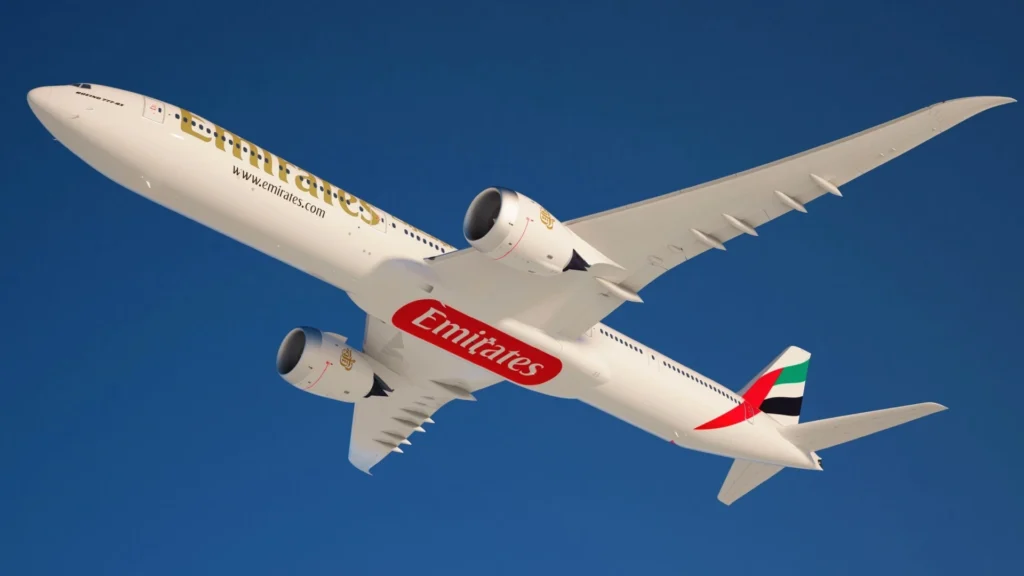
One airline frequently linked with the larger A350 is Emirates (EK).
The Dubai-based carrier operates the world’s largest fleet of 116 Airbus A380 aircraft from Dubai International Airport (DXB).
Many of those aircraft are expected to approach retirement between 2030 and 2040, creating a significant capacity gap.
Although Emirates has already ordered Airbus A350-900 aircraft, Boeing 787 Dreamliners, and more than 200 Boeing 777X aircraft, the airline still lacks a direct replacement for the passenger capacity provided by the A380.
Emirates President Sir Tim Clark has consistently encouraged Airbus to develop either an A380 successor or a significantly larger A350.
During the Farnborough Airshow, Clark reiterated his support for a stretched A350 while also commenting on Boeing’s progress.
Clark later described earlier remarks suggesting Boeing should scrap its first 10 completed 777X aircraft as “facetious.” However, he maintained that the earliest aircraft would require additional modifications because later production incorporated design improvements.
Clark also praised Boeing CEO Kelly Ortberg and Boeing Commercial Airplanes CEO Stephanie Pope for helping stabilize the company after several challenging years.
What the Proposed A350-2000 Means for Airlines
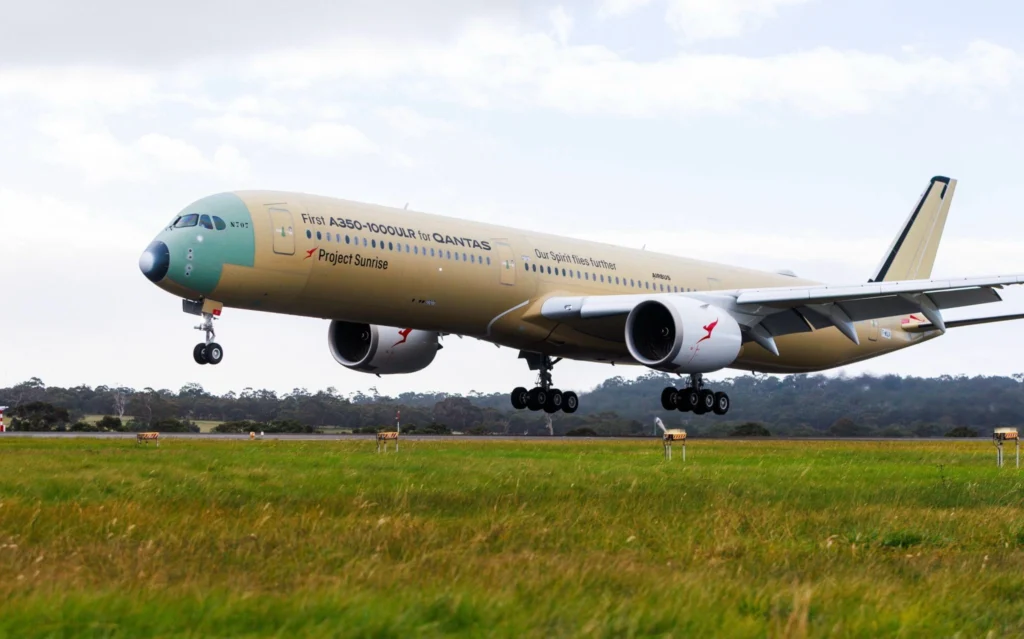
If Airbus proceeds with the project, the A350-2000 would become the largest twin-engine aircraft ever produced by Airbus.
The aircraft would target airlines operating dense long-haul routes that require greater capacity without returning to four-engine aircraft such as the A380.
Its combination of increased seating, improved fuel efficiency, lower emissions, and compatibility with future sustainable aviation technologies could make it an attractive replacement for older widebody fleets throughout the 2030s.
However, Airbus must first determine whether airline demand justifies the investment and whether Rolls-Royce can successfully deliver the required next-generation engine within the proposed schedule.
With a formal decision expected within the next year, the coming months could determine the future direction of Airbus’ flagship widebody family.
Stay tuned with us. Further, follow us on social media for the latest updates.
Join us on Telegram Group for the Latest Aviation Updates. Subsequently, follow us on Google News
