

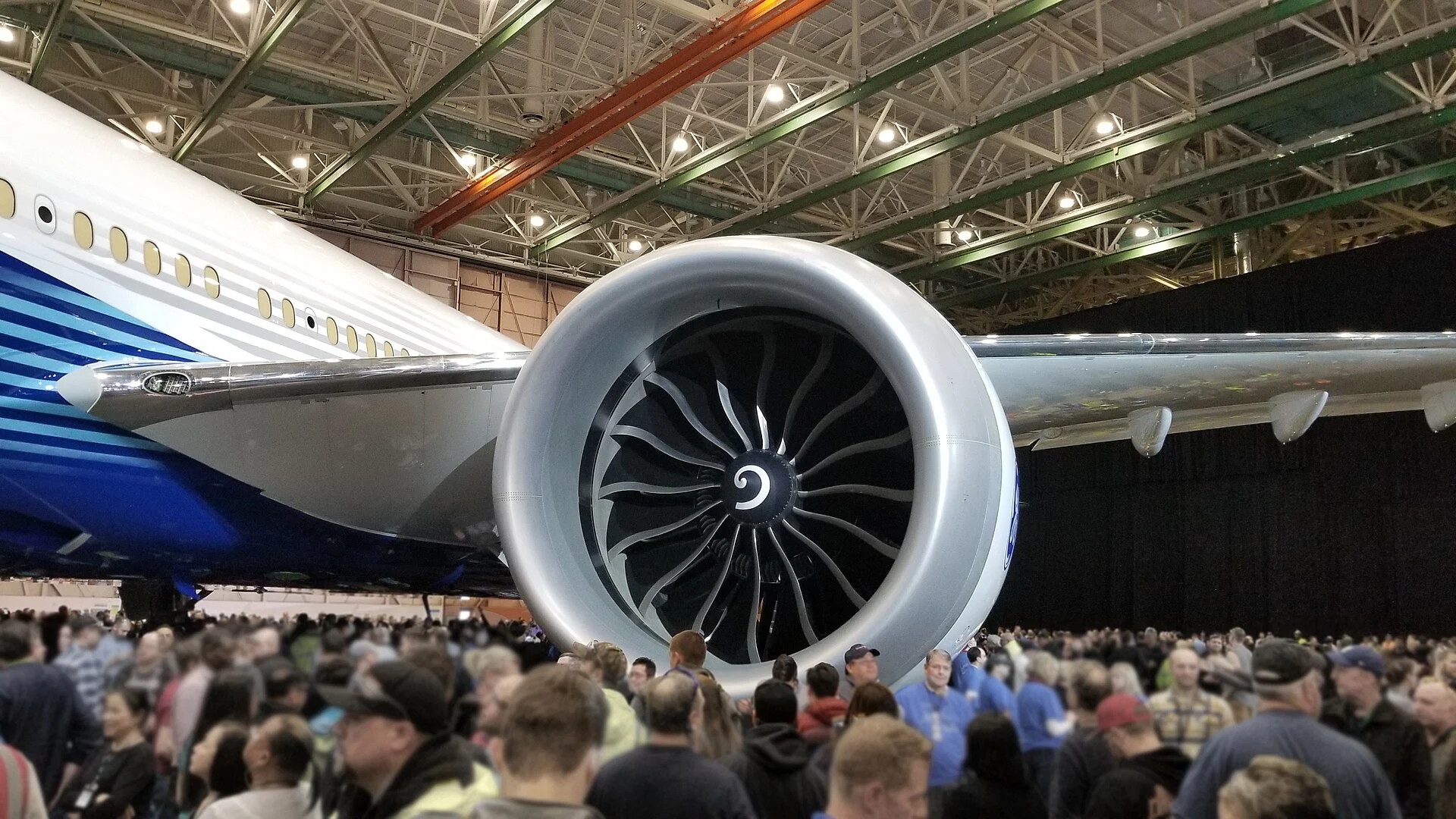
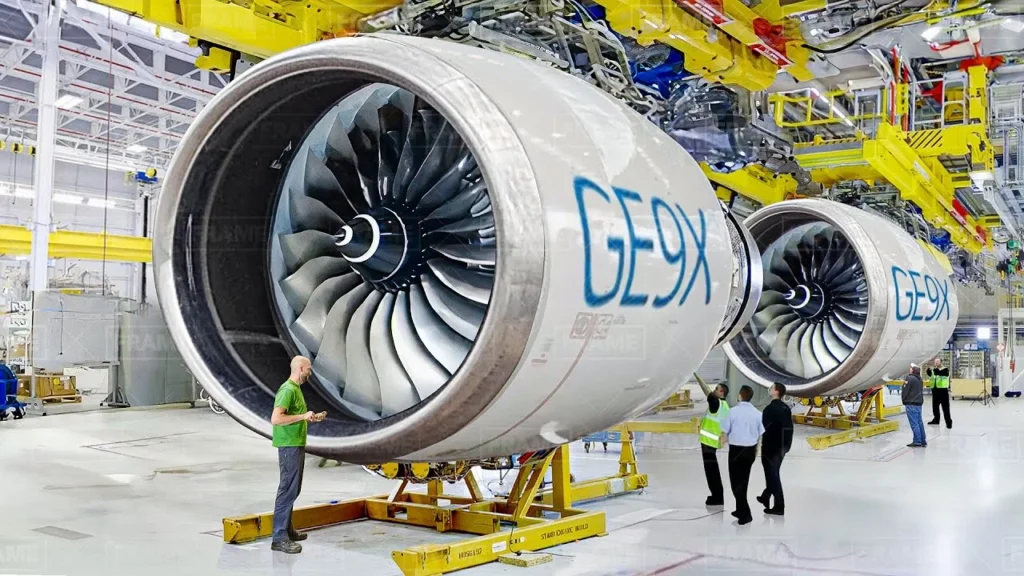
ARLINGTON- Boeing has confirmed that GE Aerospace has temporarily paused deliveries of GE9X engines for the Boeing 777-9 due to a previously disclosed durability issue. Despite the interruption, Boeing expects engine shipments to resume during the third quarter, keeping the aircraft certification program on track.
The delay affects the Boeing 777-9, which is expected to enter commercial service next year. Boeing says certification flight testing is progressing as planned, while early production aircraft continue to undergo modifications before delivery to customers, including Emirates (EK), one of the aircraft’s largest customers.
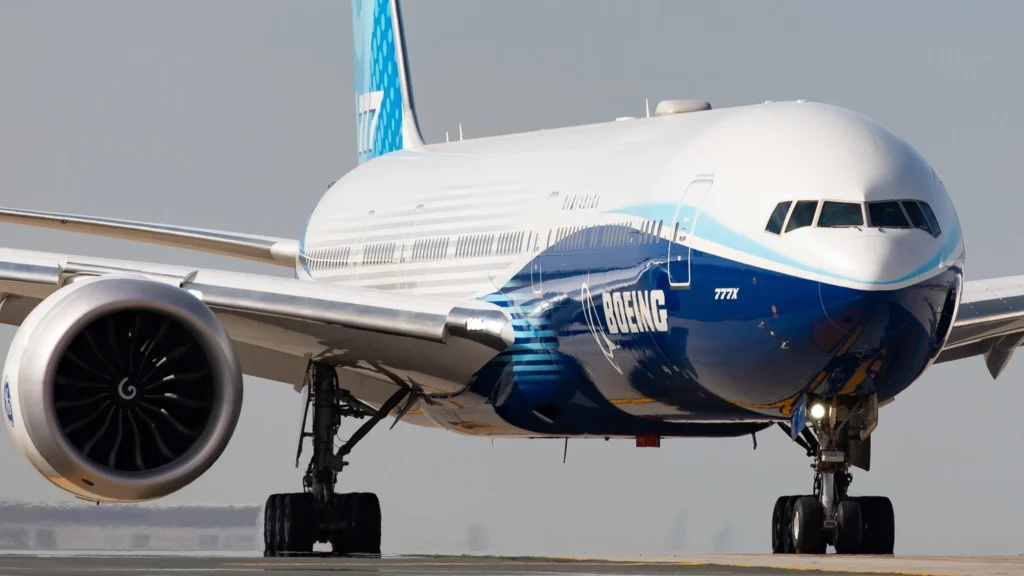
Boeing GE9X Engine Deliveries Expected to Restart Soon
During Boeing’s second quarter earnings call on July 28, Chief Financial Officer Jay Malave said GE Aerospace is finalizing modifications to address the previously identified durability issue affecting the GE9X engine.
The problem, first disclosed earlier this year, involves a cracked mid-seal component inside the engine. The mid-seal plays a critical role in balancing power between turbine stages, making it essential for long-term engine durability and reliability.
According to Malave, GE Aerospace has completed its root cause analysis and remains confident in the corrective solution.
He added that the manufacturer is working closely with the Federal Aviation Administration (FAA) to complete the certification of the modification.
GE Aerospace has already incorporated the revised design into its production system, and Boeing expects engine deliveries to resume before the end of the third quarter.
Neither Boeing nor GE Aerospace disclosed exactly when engine shipments were paused or how many GE9X engines remain affected by the interruption, FlightGlobal reported.
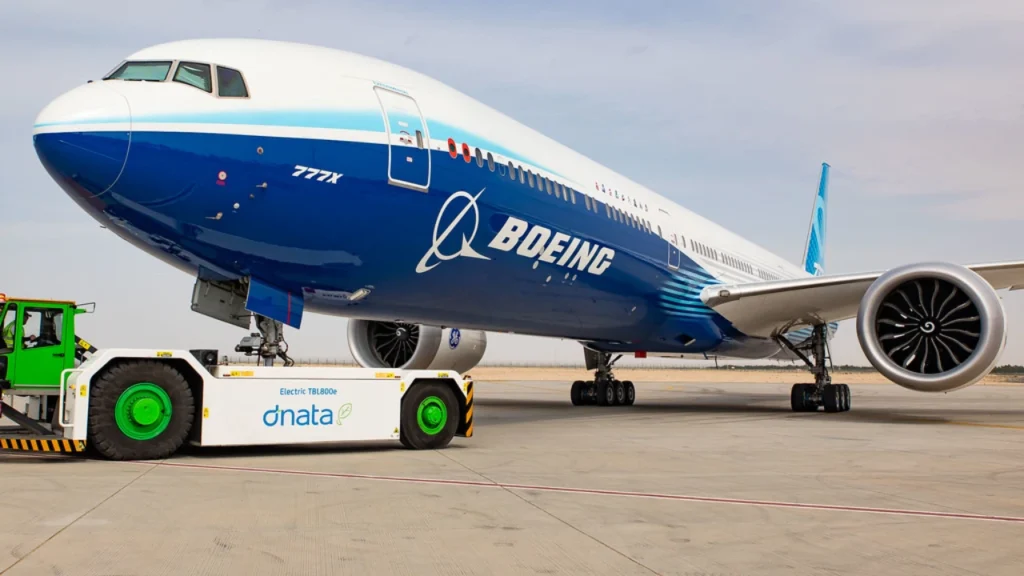
777-9 Certification Program Continues to Progress
Boeing emphasized that the engine delivery pause is not expected to delay certification of the 777-9.
Chief Executive Officer Kelly Ortberg said the flight test campaign continues to move forward at an accelerated pace.
More than 55% of the required certification flight testing has now been completed.
The company also expects to begin Extended-range Twin-engine Operational Performance Standards (ETOPS) certification testing later this year.
ETOPS certification is a major regulatory milestone for long-haul twin-engine aircraft because it allows airlines to operate routes farther from diversion airports while meeting stringent safety requirements.
Boeing continues to target certification completion in time for customer deliveries beginning next year.
Early Aircraft Undergoing Extensive Rework
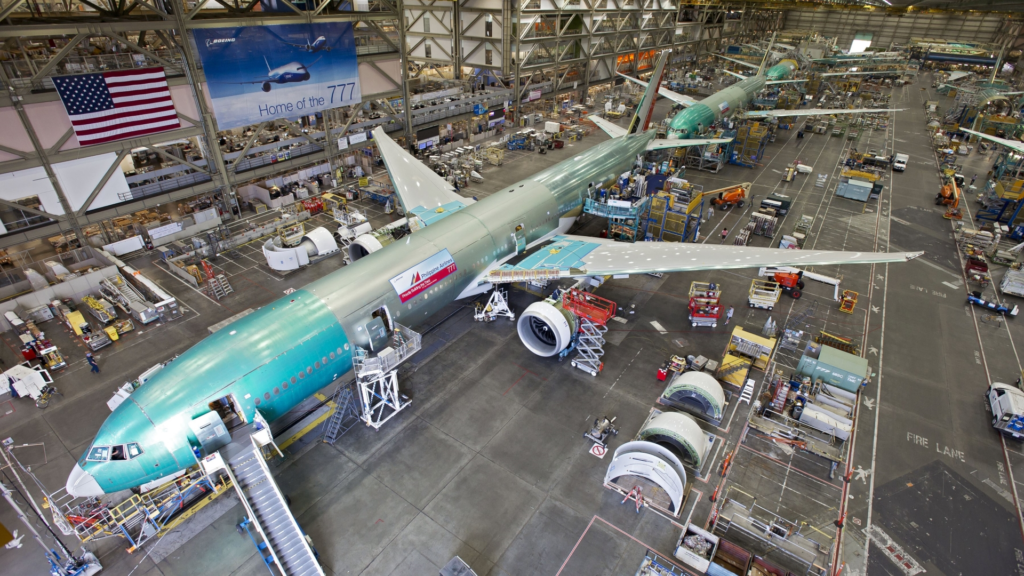
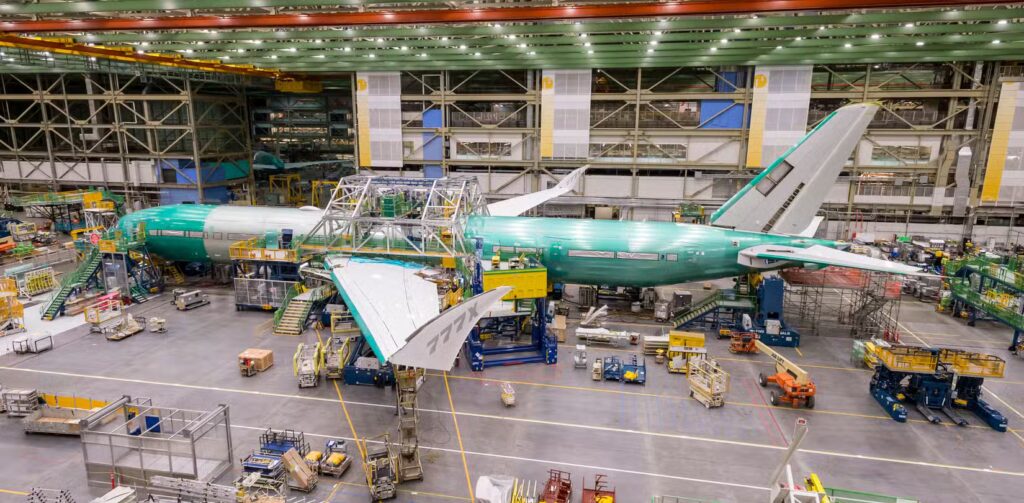
Alongside certification activities, Boeing is carrying out a significant modification program on approximately 30 early-build 777-9 aircraft.
These aircraft were produced before the final design standard was established and require updates through Boeing’s “change incorporation” process.
Ortberg acknowledged that the amount of work varies across individual aircraft.
Some airplanes require substantially more modifications than others before they are ready for delivery.
He said Boeing will continue working closely with customers regarding delivery schedules and the final configuration of each aircraft.
Earlier this month, Boeing Commercial Airplanes President and CEO Stephanie Pope said the rework reflects the natural evolution of the aircraft’s design during development rather than any newly identified production issue.
She also noted that Boeing does not expect these modifications to result in additional financial charges because previous program accounting already covered the expected rework.
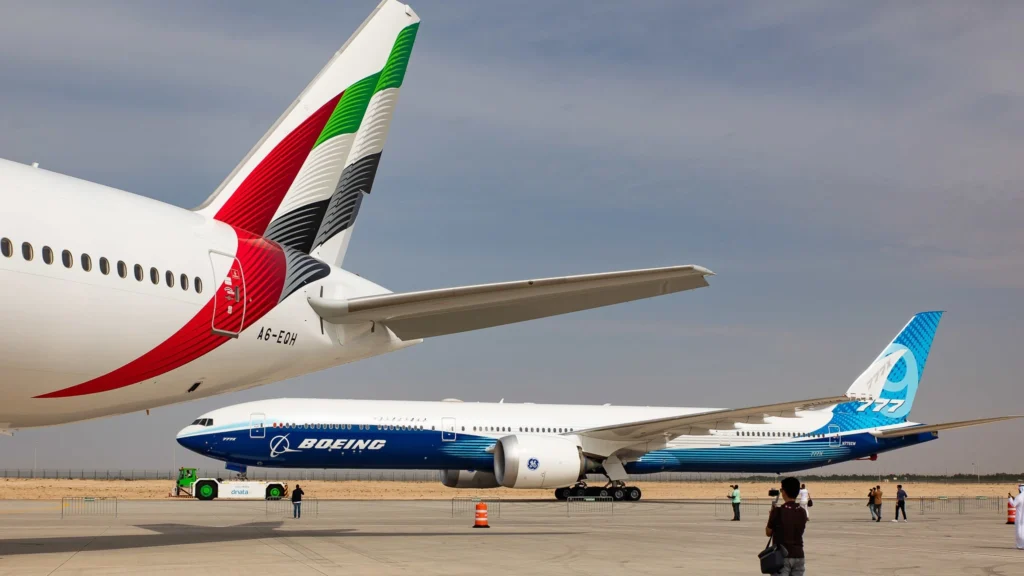
Emirates Raises Concerns Over Early Production Aircraft
One of the biggest customers for the Boeing 777-9, Emirates (EK), has publicly expressed concerns regarding the early-build aircraft.
According to recent industry reports, Emirates President Sir Tim Clark has declined to accept some of the earliest production aircraft because of the extensive modifications required to bring them to the latest design standard.
Emirates has long been the largest customer for the Boeing 777X family and has consistently pushed Boeing to deliver aircraft that fully meet the final certified production specification.
The airline’s position highlights the importance of completing the rework program before deliveries begin.
Financial Impact Already Accounted For
Boeing indicated that the current engine durability issue is not expected to create a significant financial setback for the 777X program.
The company previously recognized a $4.9 billion program charge during the third quarter of last year after revising its assessment of the 777-9 certification timeline.
Executives said those earlier financial adjustments already included expected costs associated with change incorporation work on early production aircraft.
As a result, Boeing does not currently anticipate recording another major charge related to the ongoing modifications.
777-9 Program Remains on Track
Although GE Aerospace’s temporary pause in GE9X deliveries has created another challenge for the Boeing 777-9 program, Boeing maintains that certification milestones remain achievable.
With more than half of flight testing completed, ETOPS evaluations scheduled for later this year, and engine deliveries expected to resume during the current quarter, the manufacturer continues working toward first customer deliveries in 2027.
The coming months will be critical as Boeing, GE Aerospace, and the FAA finalize the engine modifications and complete the remaining certification activities for the world’s newest large twin-engine widebody aircraft.
Stay tuned with us. Further, follow us on social media for the latest updates.
Join us on Telegram Group for the Latest Aviation Updates. Subsequently, follow us on Google News
