


SINGAPORE- Singapore Airlines (SQ) is rolling out a fresh round of passenger upgrades, from new amenity kits to revamped lounges, alongside deeper partnerships with Air India (AI), Malaysia Airlines (MH) and Air China (CA).
The announcements came as the carrier reported a first-quarter net loss of S$76 million in a Singapore Exchange filing on July 28, its first quarterly deficit since 2022, even as SQ and Scoot (TR) carried a record number of passengers through Singapore Changi Airport (SIN) and its wider network.
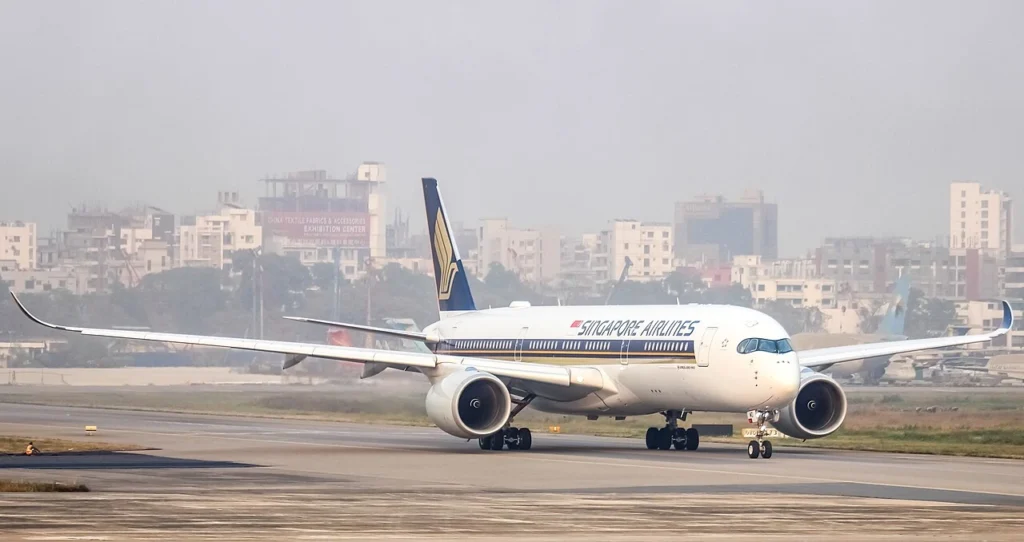
Singapore Airlines Fuel Costs Erase Quarterly Profit
The deficit came on the back of net fuel costs rising 78.5% to S$2.25 billion, an increase of S$991 million on the same quarter a year earlier. Fuel costs before hedging more than doubled during the three months ended June 30.
The increase was driven by skyrocketing oil prices linked to the Middle East conflict, which broke out on February 28 and has effectively blocked the Strait of Hormuz, an immensely vital global shipping channel for oil and gas.
Fuel is the airline’s single largest cost component. Group expenditure rose 27.9% overall, and operating profit fell 73.8% to S$106 million.
The result reversed a profit of S$186 million in the same quarter last year. It also came in far below market expectations, with the LSEG consensus estimate pointing to a loss of just S$4.3 million.
The loss stands in contrast to the group’s top-line performance. SIA achieved record revenue of S$5.71 billion, an increase of 19.3% year on year.
Passenger revenue grew 18.6% to S$4.58 billion, supported by a 12% increase in passenger yields. SIA and Scoot together carried a record 10.9 million passengers, up 6.3% from a year ago.
Cargo revenue climbed 33.5% to S$708 million on stronger yields and higher loads.
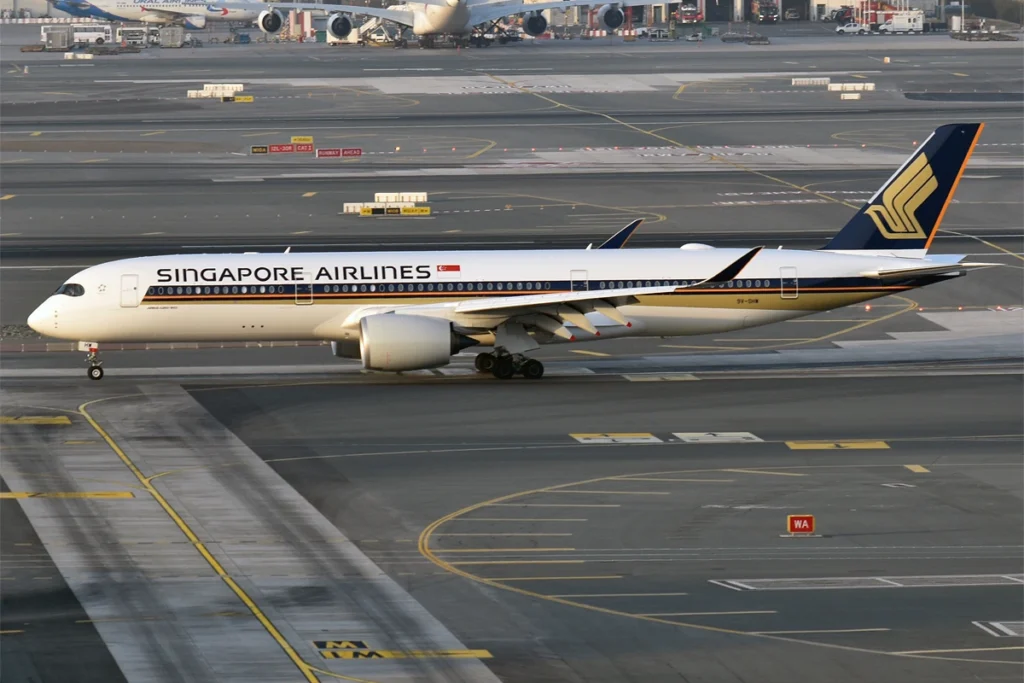
Air India Stake Deepens The Deficit
SIA said Air India, in which it holds a 25.1% stake, has made “tangible progress” in its transformation efforts. The Singapore carrier and its partner, Tata Sons, remain committed to the Indian airline.
A higher share of losses from Air India added a S$42 million drag to the quarterly result.
The disclosure followed remarks a day earlier from Tata Sons chairman N Chandrasekaran, who wrote in the group’s 2025-26 annual report that Air India’s transformation must be seen as a five- to ten year journey. He cited supply chain disruptions in key components and the need to overhaul legacy systems, culture and fleet.
Chandrasekaran also pointed to measurable gains, noting that Air India’s Net Promoter Score improved from minus 35 in the 2023 financial year to plus 42 in June 2026. Wide-body refurbishment is expected to finish by the end of the 2028 financial year.
SIA added that it is deepening its commercial partnership with Air India by enhancing network connectivity, expanding code-share arrangements and collaborating on loyalty programmes. These are expected to be rolled out progressively in 2026.
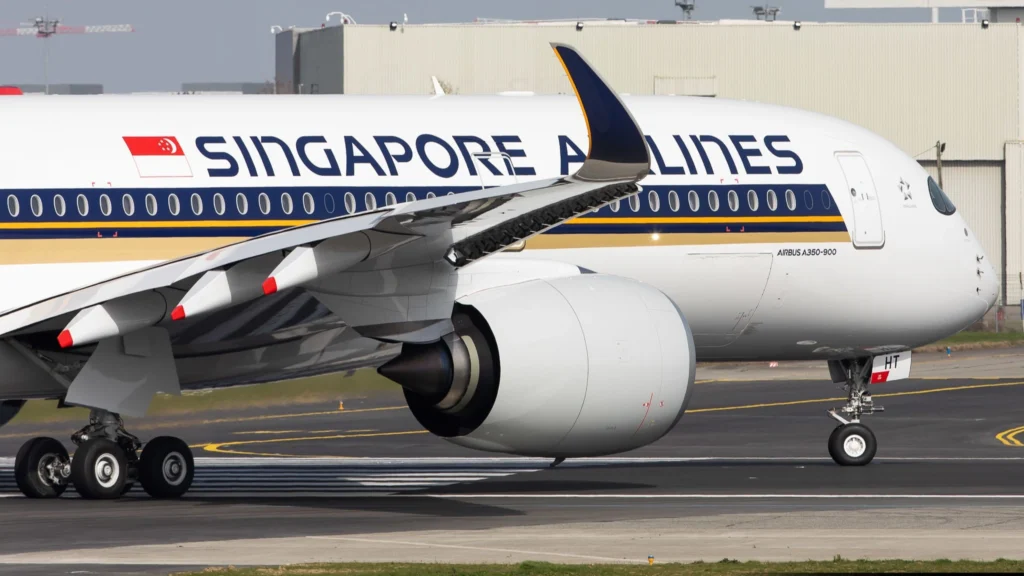
Malaysia Airlines And Air China Tie-Ups Advance
SIA has received final regulatory approval for its commercial joint business with Malaysia Airlines. Both companies introduced joint-fare products for travel between Singapore and Kuala Lumpur in June.
Other customer benefits are in the works, including reciprocal lounge access and coordinated flight schedules, delivering a more seamless travel experience, SIA said in remarks reported by The Straits Times.
SIA also signed an agreement with Air China in June for a commercial joint-venture partnership. If approved by regulators, both airlines can have expanded code-share arrangements, coordinated flight schedules, joint-fare products and revenue-sharing arrangements.
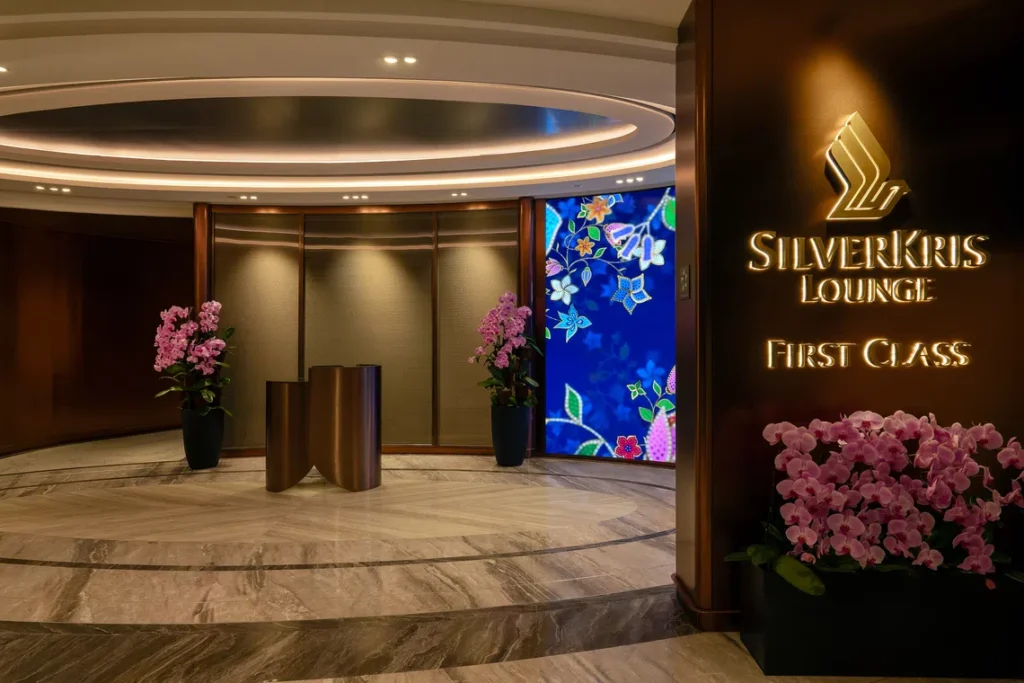
New And Refurbished Lounges
On the ground, a new First Class SilverKris Lounge at Changi Airport Terminal 2 has opened. Lounges in Brisbane, Bangkok and Hong Kong have been refurbished.
SIA added that work is ongoing on the upgraded Business Class SilverKris and KrisFlyer Gold lounges at Changi Airport Terminal 2, along with a new SilverKris Lounge in Melbourne. These will be rolled out progressively in financial year 2026/2027.
The Terminal 2 lounge programme carries a S$45 million investment and will deliver 50% more space, with full completion targeted for mid-2027.
Cabin Products And Starlink Connectivity
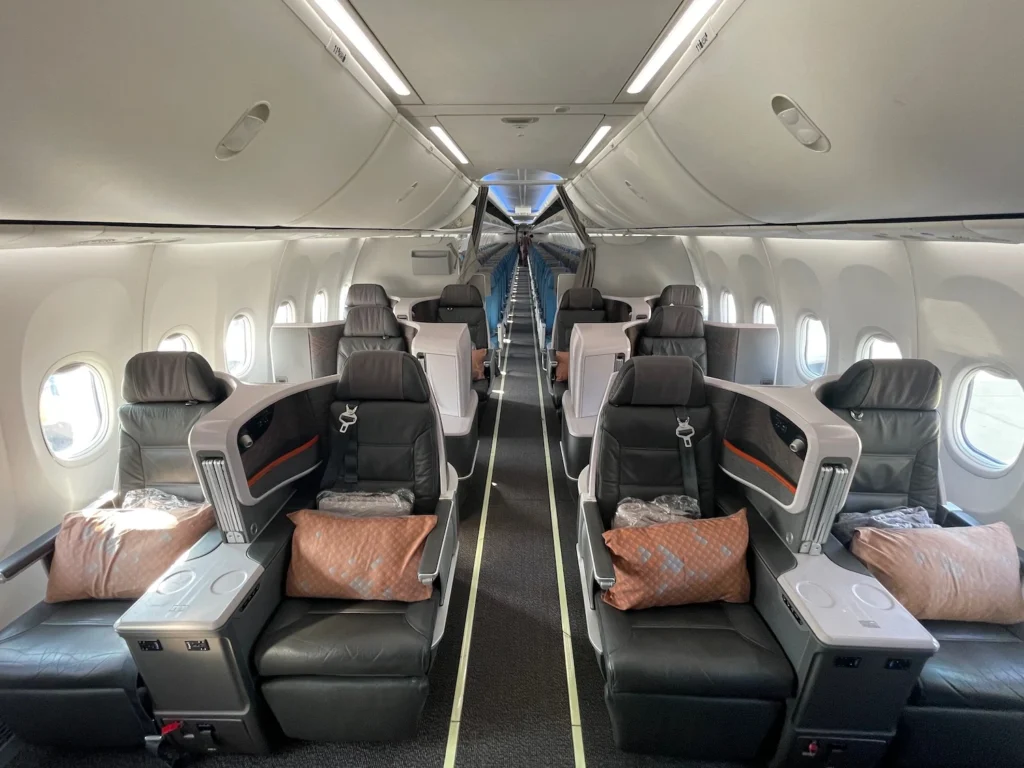
Also in the pipeline is a spruced-up in-flight experience that SIA will unveil later in 2026. It includes next-generation long-haul cabin products, a refreshed in-flight entertainment system, enhancements to in-flight dining and new amenity kits.
From 2027, SIA will progressively introduce Starlink’s low Earth orbit satellite-based broadband service to enhance onboard internet connectivity. The airline confirmed Starlink as its Wi-Fi provider in May 2026.
SIA said it remains firmly committed to investing in and enhancing its product and service offerings to elevate the end-to-end customer experience.
Outlook Remains Uncertain
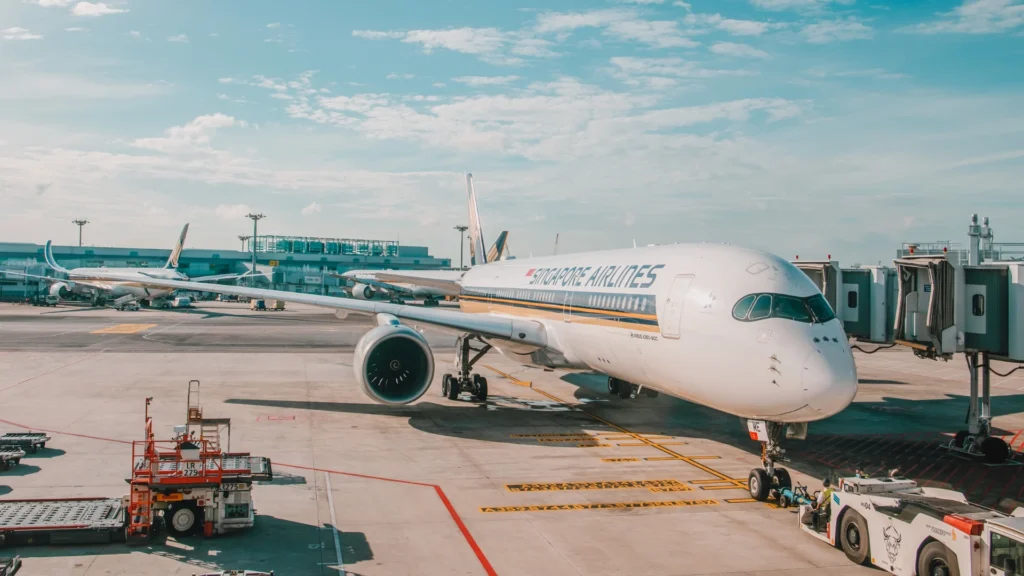
SIA said geopolitical developments, including the Middle East conflict, continue to add uncertainty to the airline industry’s operating environment. This is even as demand for air travel and cargo remains robust.
The most immediate impact of geopolitical uncertainty is on jet fuel prices. “Sustained elevated prices relative to pre-conflict levels have added significant cost pressure,” the airline said.
SIA added that while it and Scoot have adjusted airfares and cargo rates to help mitigate this, the measures do not fully offset the impact of significantly higher fuel prices.
The airline said a prolonged conflict in the Middle East “may also affect supply chains, global trade and macroeconomic conditions.”
The squeeze is not confined to Singapore. Carriers across the United States and Asia have reported that rising passenger yields and record travel demand are failing to keep pace with fuel bills inflated by the conflict.
Group Strategy Ahead
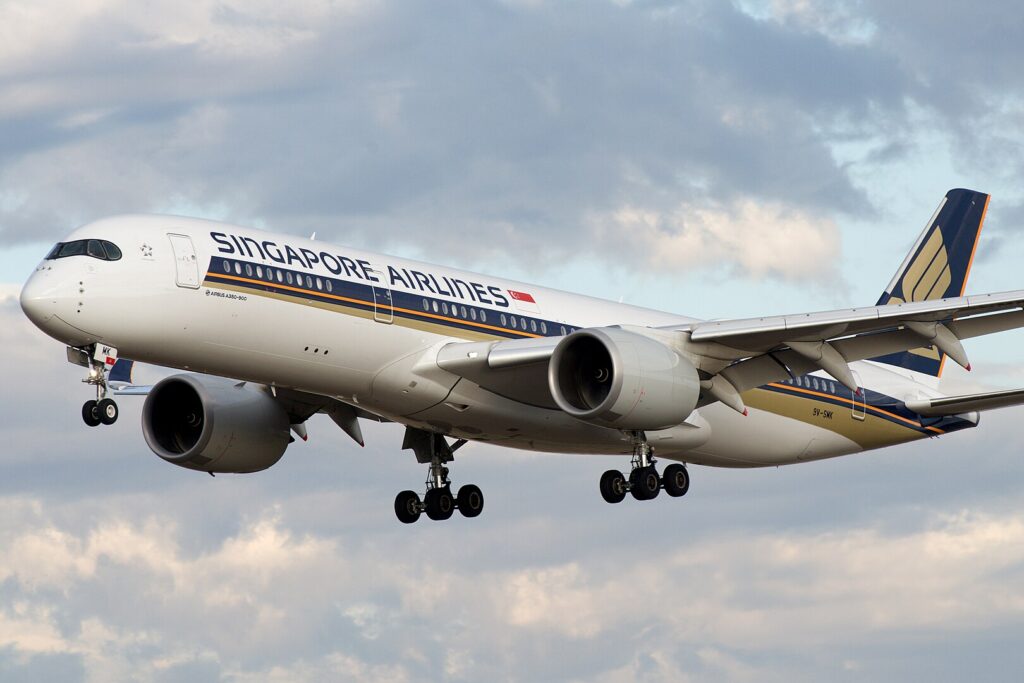
Against this backdrop, SIA said it will continue to seize growth opportunities, leveraging its well-diversified global passenger and cargo network that is anchored by Singapore’s position as a strategic Asia-Pacific hub.
SIA also noted that its dual-brand portfolio of SIA and Scoot provides flexibility to calibrate capacity and schedules as demand patterns evolve, allowing it to remain nimble and agile.
SIA shares traded at S$7.77 on the Singapore Exchange following the announcement, up 0.78%.
Stay tuned with us. Further, follow us on social media for the latest updates.
Join us on Telegram Group for the Latest Aviation Updates. Subsequently, follow us on Google News
