

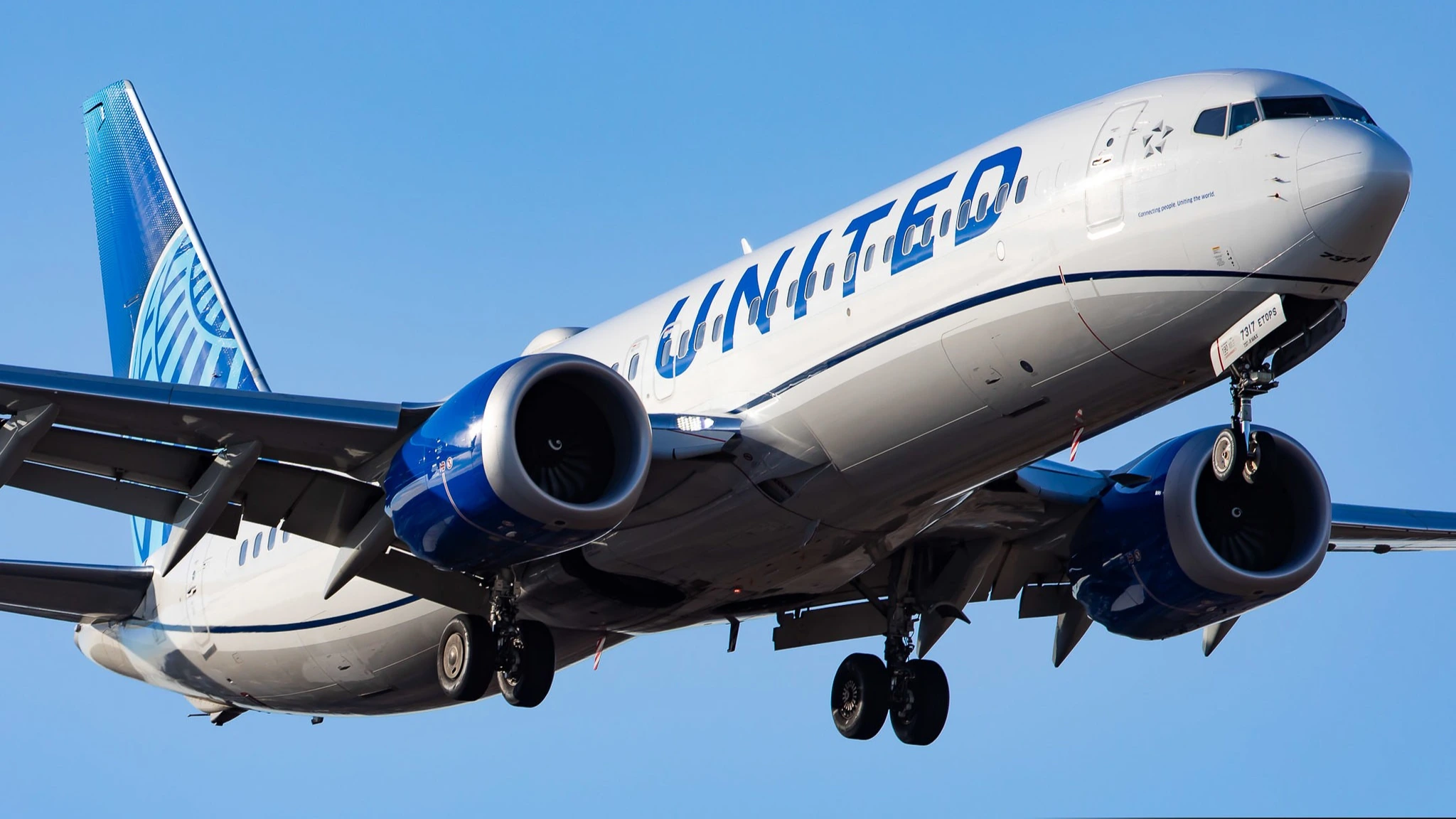
CHICAGO- United Airlines (UA) flight UA471, operating between San Antonio International Airport (SAT) and Washington Dulles International Airport (IAD) faced a routing dispute before departure.
The pilots questioned an air traffic control (ATC) proposal that appeared to direct their Boeing 737-700 through the heaviest rain and thunderstorms.
The crew requested its original route around the storm and consulted United’s dispatch team, which supported the decision.
ATC subsequently approved an alternative routing, and the aircraft landed safely.

United Pilots Challenged Proposed Thunderstorm Route
The incident reportedly occurred on a Friday, although the exact date was not confirmed in the original report. As the aircraft pushed back from the gate and taxied towards the runway, the flight crew questioned the routing provided by ATC.
The aircraft had initially been assigned a route south of the severe weather system. However, a subsequent routing proposal would have taken it through the heaviest rain and thunderstorms.
The pilot told ATC that the crew would consult United dispatch before proceeding. The pilots refused to accept the proposed route, citing the challenging weather conditions and potential impact on passengers and crew.
In the recording, the pilot said the proposed routing could involve up to four hours of challenging weather conditions. It could also add almost an hour to the flight compared with the usual duration of two hours and 45 minutes.
After questioning the proposed clearance, the pilots contacted United’s dispatch team to discuss the weather conditions and available routing options.
The dispatch team supported the crew’s concerns and agreed that the aircraft should not fly through the adverse weather along the proposed route. The pilots therefore requested permission to use the original southbound routing, which would take the aircraft around the thunderstorm system.
ATC reviewed the request and approved an alternative flight path. The aircraft was subsequently cleared to avoid the worst of the weather.
Simple Flying reported that it contacted United on Saturday and that the airline confirmed the flight had landed safely.

Pilot-in-Command Holds Final Authority
The incident highlights the authority and responsibilities of the pilot-in-command (PIC) during commercial flight operations.
Under 14 CFR §91.3, the pilot-in-command is directly responsible for and holds final authority over the operation of the aircraft.
The FAA also states that an ATC clearance does not authorise an unsafe operation. When a proposed clearance could place an aircraft in jeopardy, the pilot is responsible for requesting an amended clearance.
For domestic airline operations, 14 CFR §121.533 establishes shared operational responsibilities between the pilot-in-command and the aircraft dispatcher.
Dispatchers monitor flights, provide safety information and can cancel or redispatch a flight when they or the pilot-in-command believe it cannot operate safely as planned.
In this incident, the pilots questioned the proposed routing, obtained dispatch support and worked with ATC to secure an alternative. Their decision demonstrates how flight crews and airline operations teams can work with air traffic controllers to address weather-related safety concerns.
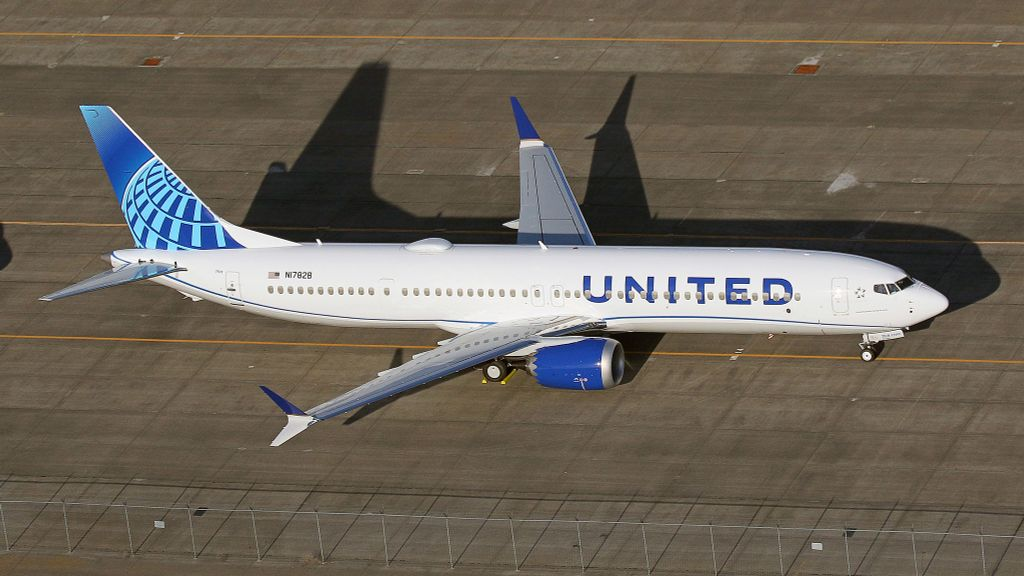
United Airlines’ San Antonio Flight Network
United Airlines and United Express operate scheduled services from San Antonio International Airport (SAT) to several major destinations across the United States.
The destinations listed in the original report include:
- Chicago O’Hare International Airport (ORD)
- Denver International Airport (DEN)
- George Bush Intercontinental Airport, Houston (IAH)
- Newark Liberty International Airport (EWR)
- San Francisco International Airport (SFO)
- Washington Dulles International Airport (IAD)
The UA471 incident highlights the importance of operational coordination when severe weather affects planned flight routes.
Although ATC manages aircraft movements and provides clearances, pilots retain responsibility for assessing the safety of their aircraft and requesting suitable alternatives when necessary.
Stay tuned with us. Further, follow us on social media for the latest updates.
Join us on Telegram Group for the Latest Aviation Updates. Subsequently, follow us on Google News
