

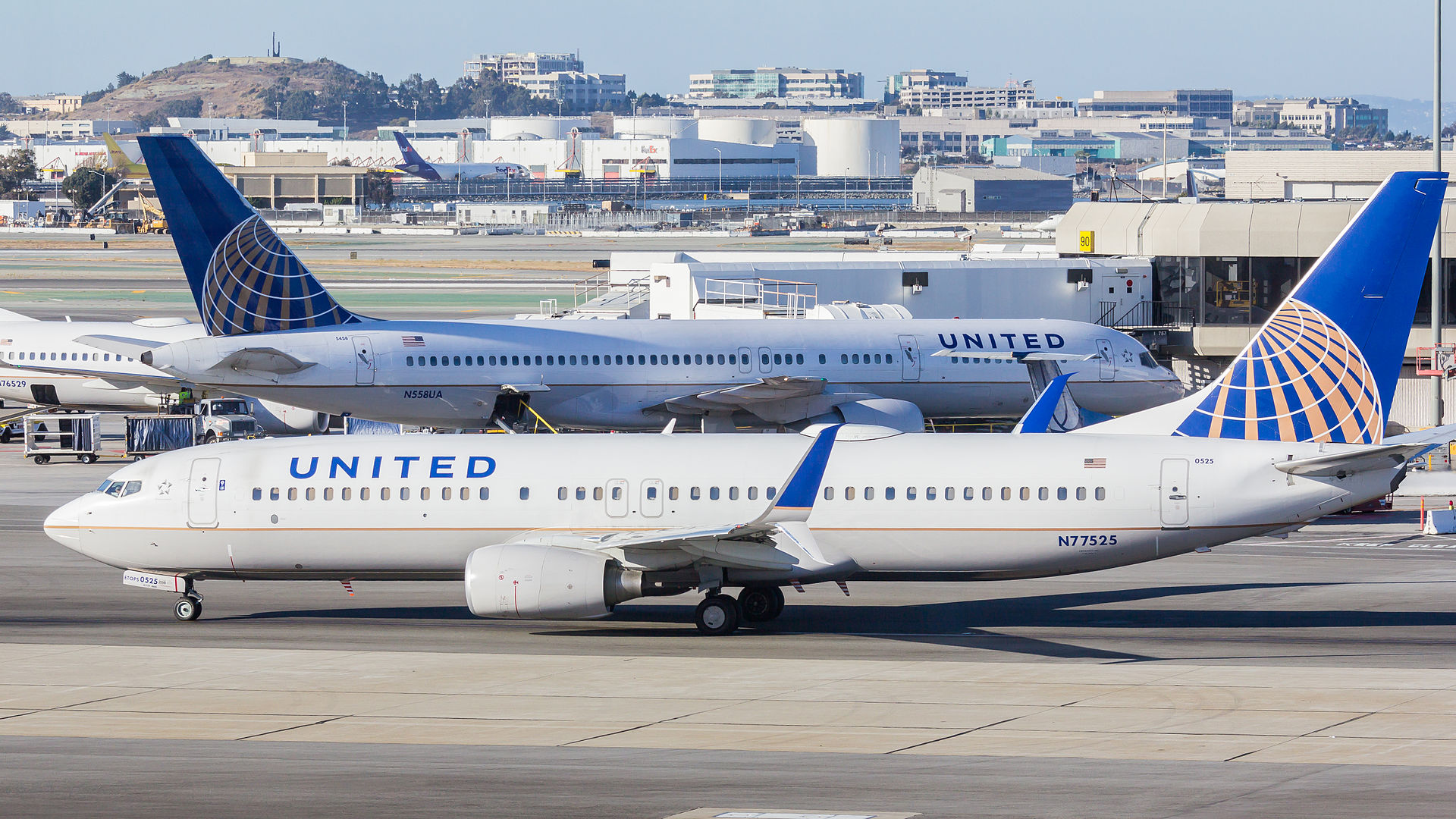
CHICAGO- United Airlines (UA) features in the first accounts of a Cessna 172 Skyhawk that overturned at John Wayne Airport (SNA) in Orange County, California, on Saturday, November 7.
The aircraft’s operator and ATC audio point to jet blast from a departing airliner, with the operator naming United or Southwest Airlines (WN). Airport officials first attributed the incident to wind. Nobody was hurt.
United Jet Blast Flips Cessna 172
The Cessna, registered N57BM, flipped at around 2:38 PM local time. Orange County Fire Authority and airport officials told CBS Los Angeles that firefighters were called to the ramp at around 2:40 PM.
The ramp belongs to ACI Jet, a fixed-base operator (FBO) that handles private and general aviation at the airport. Early reports placed the incident on a runway, but officials confirmed it happened on the ramp.
The aircraft ended up upside down with two people aboard. The operator says they were a flight instructor and a student. Neither was injured. A large crane lifted the Cessna back onto its landing gear before it was towed away. The extent of the damage is not yet known.
Simple Flying reported that recordings from ATC App capture the pilot of another Cessna 172 taxiing behind N57BM.
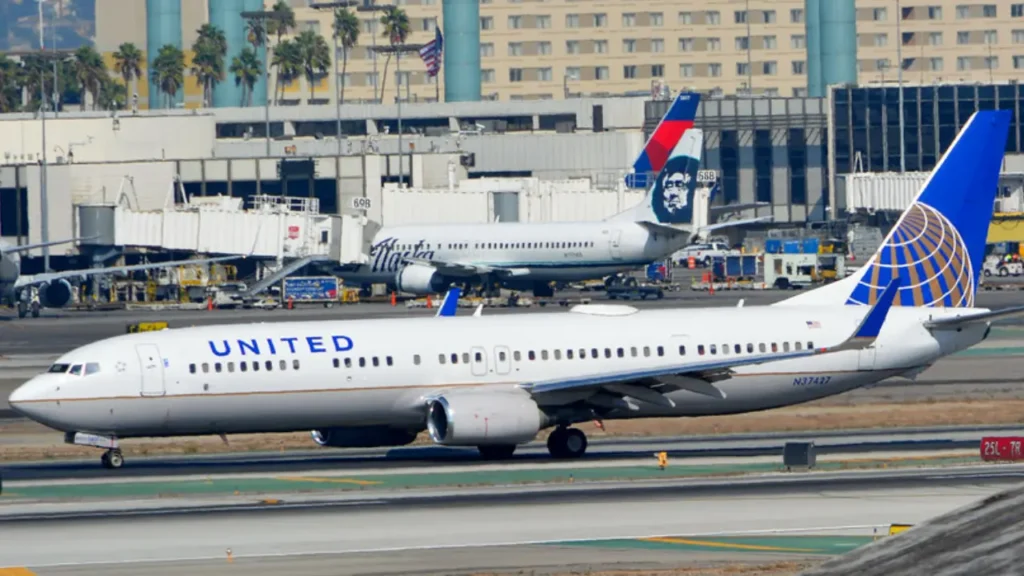
The pilot says the aircraft “just flipped over” and that they turned back to avoid hitting it. When the controller asks whether everyone is okay, the pilot replies that they had been hit by jet blast from a United Boeing 737.
The occupants of the overturned Cessna do not respond on the recording. The other pilot explains that they had already shut down their engines, so they could not hear or answer radio calls.
Conflicting Accounts From Airport Officials and the Operator
Orange County Fire Authority and airport officials first told CBS Los Angeles that wind blew the plane over while it sat parked in its stall with nobody aboard.
Airport officials later said it was a Cessna 172 carrying a pilot and a passenger, with no injuries. An airport spokesperson attributed the incident to high winds.
Neither the fire authority nor the airport has said jet blast caused it. Both said they would share more as the investigation continues.
Wind has overturned aircraft at the airport before. In November 2023, a Cessna 172 flipped near a taxiway during gusts of around 50 mph.
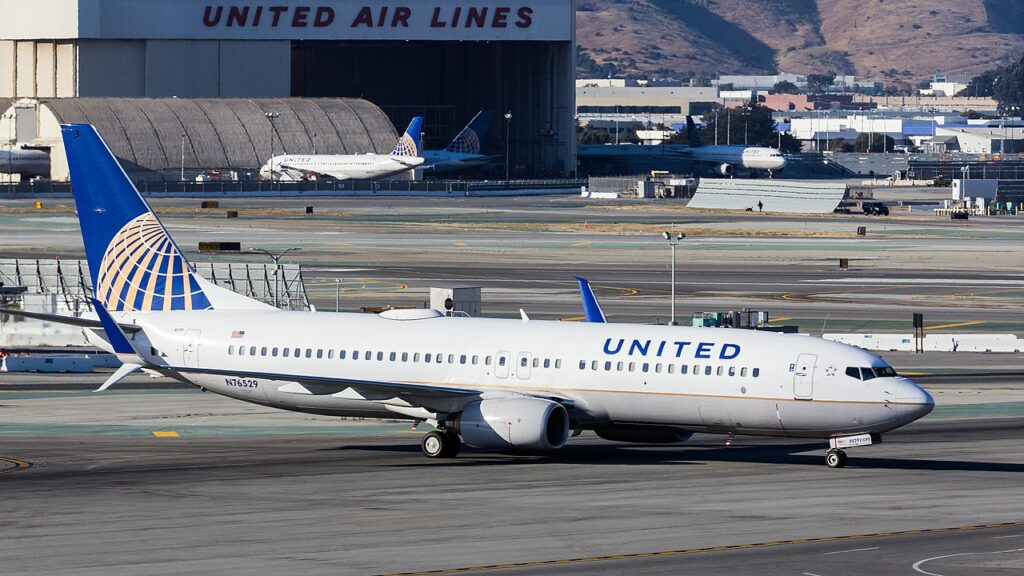
Orange County Flight Center (OCFC), which owns the Cessna, told CBS Los Angeles that jet blast from “a United or Southwest airline jet” overturned the aircraft. The operator says that jet was cleared to take off as its Cessna left the ramp toward the taxiway. It could not confirm which airline was responsible.
OCFC’s director also said a major reconstruction and realignment project at the airport is adversely affecting general aviation aircraft and may jeopardize flight safety.
Airport officials have not confirmed that claim. Which flight was involved and how the Cessna was moving at the time also remain unclear.
Jet Blast Endangers Light Aircraft
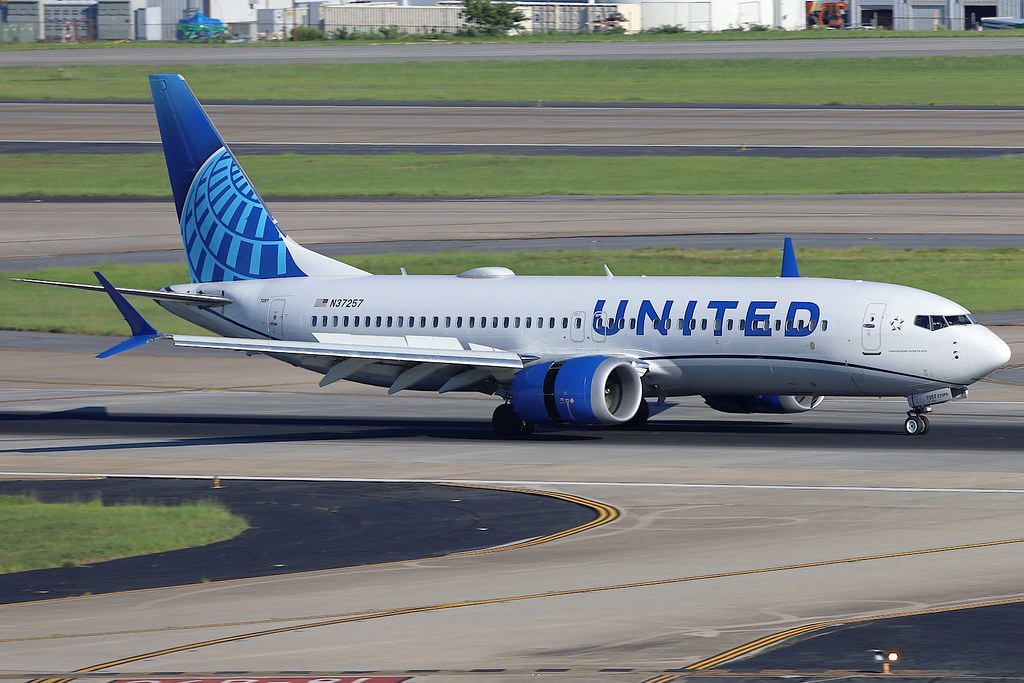
Jet blast is a known hazard for light aircraft near larger jets on the ground. The exhaust can affect nearby aircraft even when an airliner is only taxiing, and the risk grows as pilots add thrust for takeoff.
According to Boeing, the exposed area can extend up to 400 feet behind large jets at breakaway thrust. At takeoff thrust, it can reach 1,900 feet.
A light aircraft has little weight to resist that force. The Cessna 182M in the Flagstaff case below has a certified maximum gross weight of 2,800 lbs.

Earlier Jet Blast Incidents Involving Light Aircraft
At about 8:40 AM on March 6, 2026, a Cessna 182M was cleared to taxi for departure at Flagstaff Pulliam Airport in Arizona. On the airport’s only taxiway, it met jet blast from a parked SkyWest Airlines Bombardier CRJ700.
The Cessna flipped and came to rest inverted. Both wings and the tail section were substantially damaged, and the pilot and passenger suffered minor injuries.
The National Transportation Safety Board (NTSB) published its final report on June 22, 2026. According to the CRJ700’s operator, the jet had just been repaired, and mechanics were testing its engines at takeoff power.
They had not moved it away from the passenger terminal and had not told air traffic control. The Cessna taxied behind the jet after both engines reached takeoff power.
The CRJ700’s planning manual lists a 60 mph jet blast 290 feet from the engine with one engine at maximum thrust. Investigators estimated the Cessna was 240 feet away.
The operator said its mechanics had to contact ATC before ground engine runs, while the airport manager said no policy designated areas for high-power engine runs.
The NTSB named the mechanics’ decision to run the engines at takeoff power in front of an active taxiway, and their failure to notify ATC, as the probable cause. Its findings also list the adequacy of airport policy and procedures as an organizational issue.
Tucson 2002
On September 2, 2002, a Cessna 172 landed on runway 11R at Tucson International Airport and taxied toward the ramp while a United Boeing 737 held short at taxiway A4 for takeoff from runway 11L.
The instructor was discussing jet blast awareness with the student, and they taxied as far to the right as they could. As they passed, the Boeing spooled up its engines and moved onto the runway for takeoff.
The Cessna suffered wing and propeller damage, and neither occupant was hurt. The NTSB cited the instructor’s failure to keep an adequate distance from the jet as the probable cause. It also listed the controller’s failure to issue a jet blast advisory as a factor.
Skiathos
Aircraft take off unusually close to public viewing areas at Skiathos Airport in Greece. On Monday, August 10, a 52-year-old Italian tourist suffered severe head trauma after a departing aircraft’s jet blast knocked her down.
She was airlifted to Volos General Hospital, and another woman reportedly suffered an arm fracture three days later.
In July 2022, a 61 year old British tourist suffered serious head injuries, a fractured pelvis, and injuries to her right shoulder and left wrist.
Airline and General Aviation Traffic Share
John Wayne Airport recorded 319,042 aircraft operations in 2025, including 216,093 general aviation movements and 94,388 commercial movements.
General aviation made up about 67.7% of the total. The airport has two runways. The commercial runway is 5,700 feet long, and the general aviation runway is 2,887 feet. The airport handled more than 11.3 million passengers in 2025.
DWU Consulting’s analysis of federal T-100 data shows Southwest Airlines as the largest carrier, with 29.2% of 2025 enplaned passengers.
American Airlines (AA) followed with 16.8% and United Airlines with 14.3%. Alaska Airlines had 10.5% and Delta Air Lines had 9.2%.
Stay tuned with us. Further, follow us on social media for the latest updates.
Join us on Telegram Group for the Latest Aviation Updates. Subsequently, follow us on Google News
