

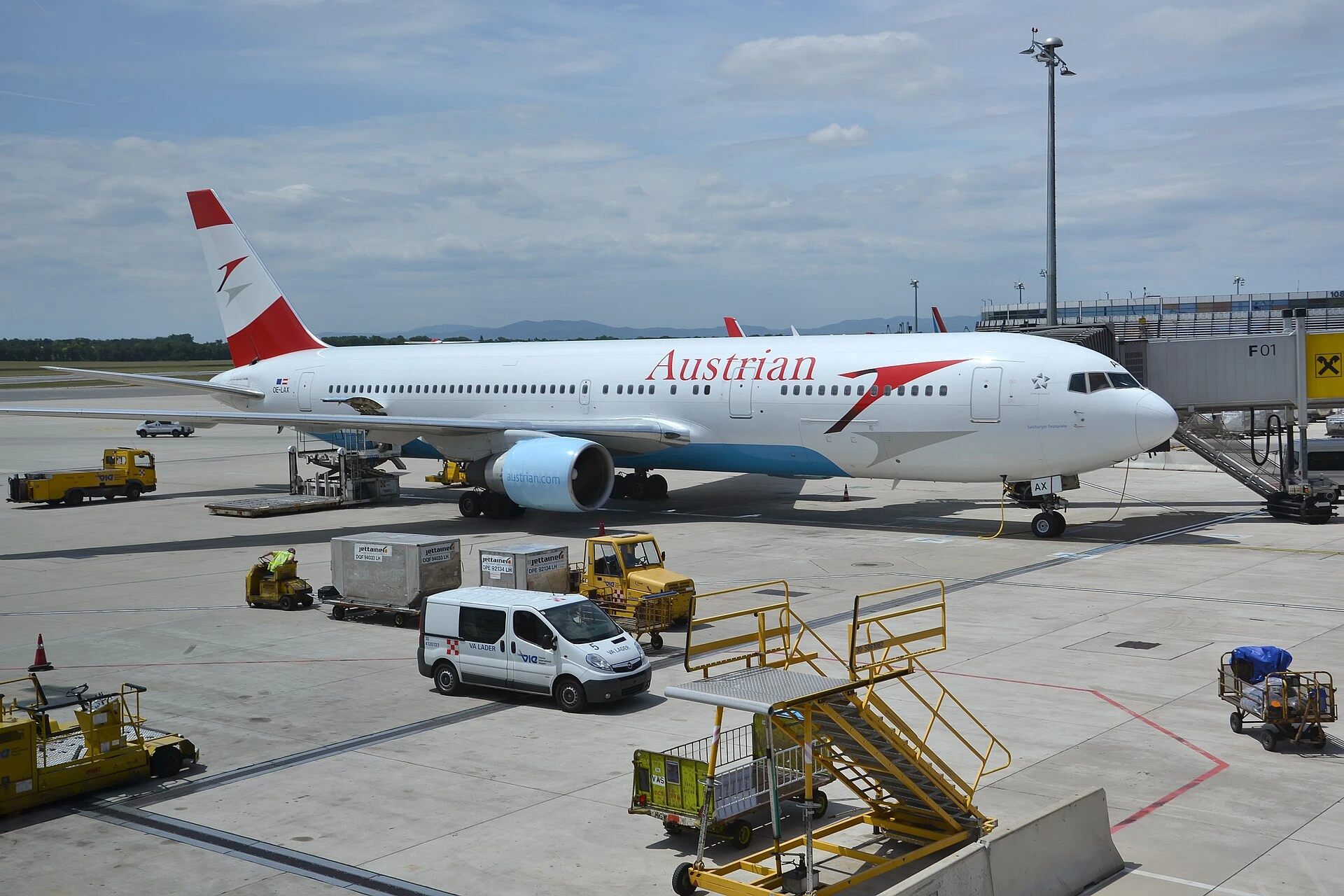
VIENNA- Austrian Airlines (OS) will have to postpone a major part of its long-haul fleet modernization after its parent company, Lufthansa Group, redirected five new Boeing 787-9 Dreamliners to other operations. The decision follows delays to the Boeing 777X programme, forcing Lufthansa to retain additional aircraft and use the originally planned Austrian deliveries to support its own fleet requirements at Frankfurt Airport (FRA).
The change means Austrian Airlines will continue operating its Boeing 777-200ER fleet until at least the end of 2029 or early 2030, rather than replacing the aircraft as originally planned. The airline had expected to build a 12-aircraft Dreamliner fleet by the end of 2028, but the latest allocation decision has pushed that target further away.
Lufthansa Redirects Dreamliners
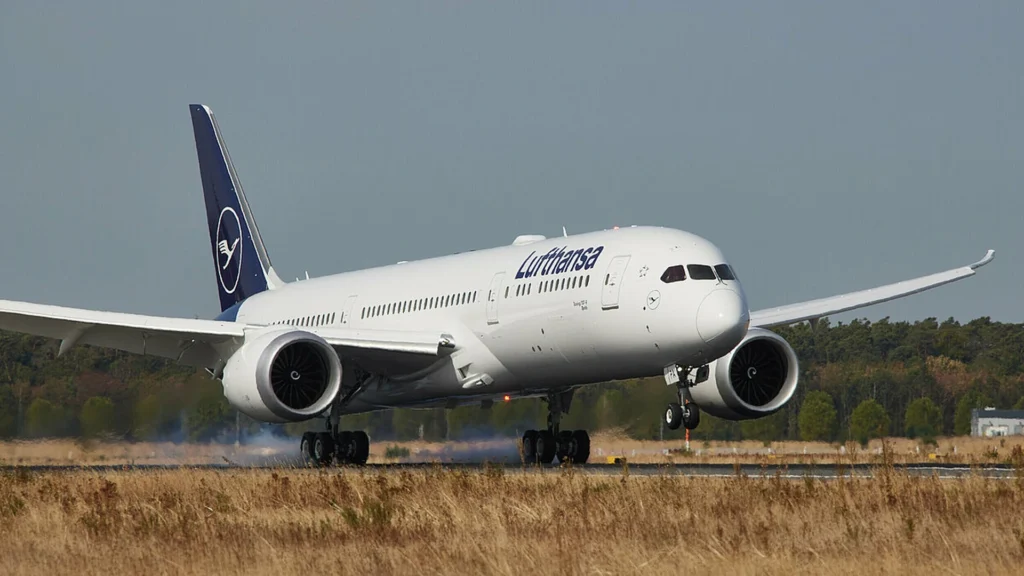
Lufthansa Group CEO Carsten Spohr confirmed the revised aircraft allocation during a media conference on November 3, 2026. He explained that the five factory-new Boeing 787-9s originally intended for Austrian Airlines would initially support Lufthansa’s mainline operations.
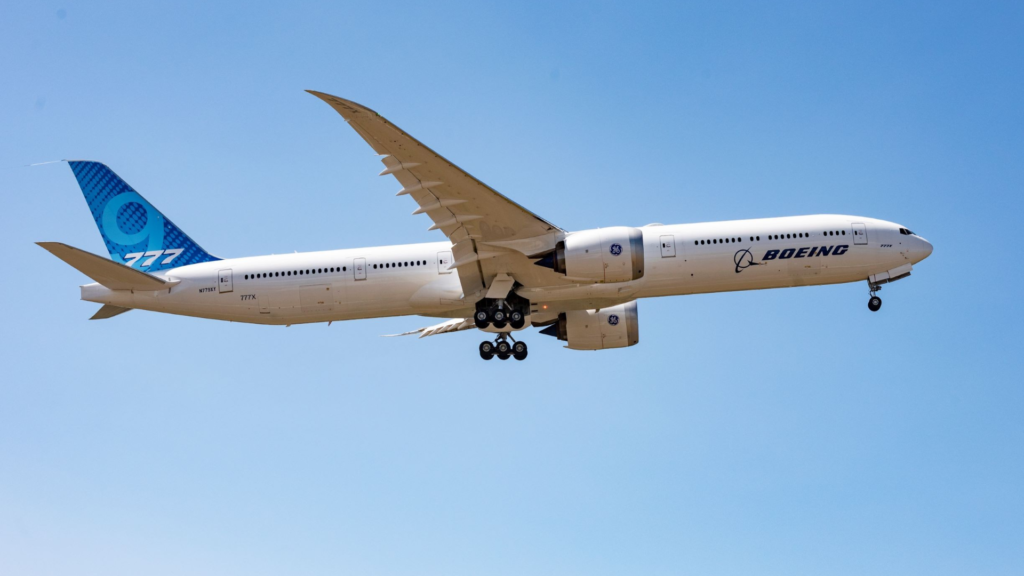
The decision is directly connected to delays involving the Boeing 777X, particularly the 777-9 variant. Lufthansa had expected to receive its first aircraft in 2027, but Boeing’s revised delivery schedule has created a capacity gap that the German airline must address.
Lufthansa plans to use additional Boeing 787s to maintain its flight schedule while waiting for the delayed aircraft. The group is therefore prioritizing its Frankfurt-based operations before completing the planned expansion of Austrian Airlines’ Dreamliner fleet.
The five aircraft were originally scheduled to begin arriving for Austrian from late 2027. Their reassignment represents a significant change to the group’s earlier fleet distribution plans.

Austrian Fleet Renewal Delayed
Austrian Airlines had been pursuing an ambitious replacement programme for its ageing long-haul fleet. The airline already has four Boeing 787-9 Dreamliners and had planned to take over three additional aircraft before receiving five factory-new examples through Lufthansa Group’s aircraft order.
The original plan was to operate 12 Dreamliners by the end of 2028, gradually replacing six Boeing 777-200ERs and three Boeing 767-300ERs. The aircraft transition was intended to improve fleet efficiency while providing a more consistent long-haul operation.
With the five new aircraft reassigned, Austrian will have to depend on its existing Boeing 777s for considerably longer. A company spokeswoman confirmed that the six Boeing 777s would remain in service until at least the end of 2029 or the beginning of 2030.
The airline has also indicated that an alternative fleet-replacement option could be considered. However, it has not disclosed whether this would involve additional leased aircraft, different Boeing deliveries, or another arrangement within the Lufthansa Group.
Future Deliveries Uncertain for Lufthansa
Spohr described the reassignment as a temporary measure intended to stabilize Lufthansa’s fleet while the 777X programme faces further delays. He also indicated that the group could consider allocating other Boeing 787s planned for Lufthansa’s mainline fleet to Austrian at a later stage.
However, any future allocation will depend partly on the operating conditions in Austria.
Spohr highlighted the need for Lufthansa Group to reach an agreement with the Austrian government and Vienna Airport (VIE) over location costs before committing to additional aircraft deployment, Aero Telegraph flagged.
The issue is important because Austrian Airlines’ expansion plans depend on the financial competitiveness of its Vienna base. Higher airport and operating costs could influence the group’s decisions about where to deploy future aircraft and invest in additional capacity.
For now, the airline’s long-haul fleet modernization remains tied to Boeing’s delivery schedule and Lufthansa Group’s wider aircraft requirements. While Austrian is still expected to receive additional Dreamliners eventually, the timing and number of future deliveries have not been confirmed.
The immediate consequence is that the Boeing 777s will remain an important part of Austrian Airlines’ long-haul operations well into the next decade, extending the transition away from its older widebody fleet.
Stay tuned with us. Further, follow us on social media for the latest updates.
Join us on Telegram Group for the Latest Aviation Updates. Subsequently, follow us on Google News
