

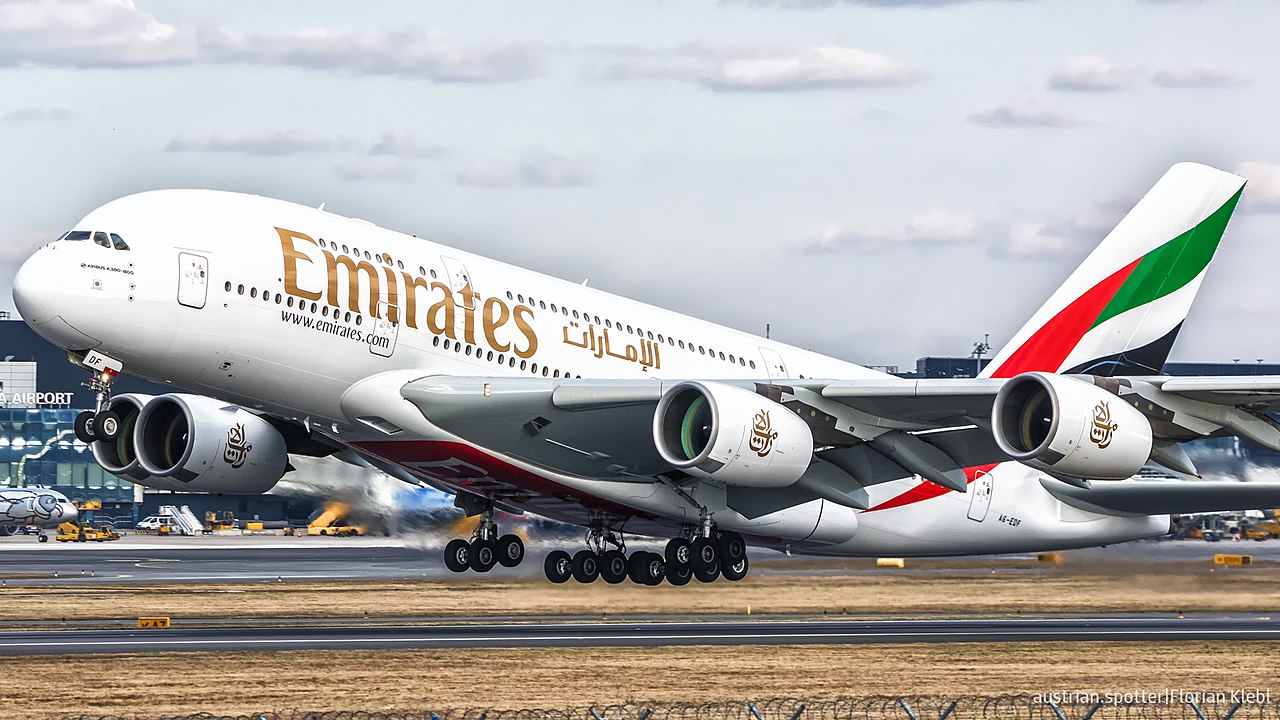
DUBAI- Emirates (EK) will operate about 16 percent fewer Airbus A380 flights in July than it did a year earlier, according to data from aviation analytics firm Cirium. The reduction has fuelled speculation that the airline is quietly retiring the double-deck superjumbo that defines its Dubai (DXB) hub.
Industry analysts reject that reading. They say the thinner schedule reflects a multi-billion-dollar cabin refurbishment programme, routine maintenance and continued Boeing delivery delays, and point to the aircraft’s upcoming debut on the Delhi (DEL) route from October 25 as proof the type still has years of service ahead.
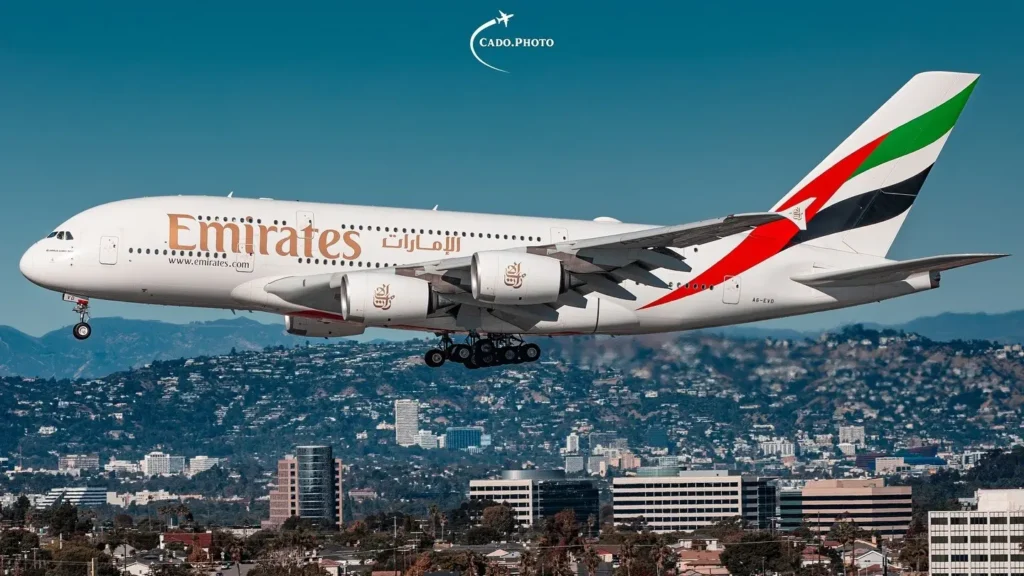
Why Emirates A380 Flights Have Fallen This Summer
The cuts are not spread evenly across the network. Emirates’ A380 services to Australasia have absorbed the steepest reduction, falling by more than a quarter compared with last year. A380 flights to Europe are down by almost 23 percent.
The main driver is capacity that is temporarily unavailable rather than capacity that has been removed.
Close to 30 Emirates A380s have been out of service at some point this year, either undergoing cabin refurbishment, sitting in routine maintenance, or being reassigned following regional disruption.
Emirates has already completed upgrades on 42 A380s. The airline expects around 110 aircraft to remain in active service by the end of 2026, a figure that leaves little room for a retirement narrative.
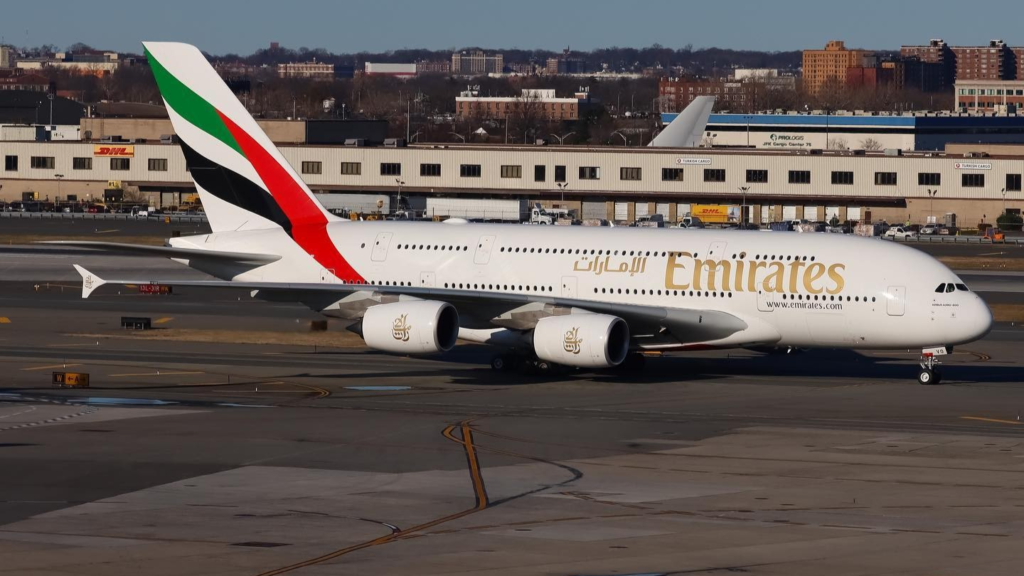
The $5 Billion Argument Against Retirement
Linus Bauer, founder of aviation consultancy BAA & Partners, said the reduced schedule signals the opposite of a wind-down. The refurbishment programme, he argued, is a long-term commitment that only makes financial sense if the aircraft flies deep into the next decade.
“You don’t spend $5 billion retrofitting 110 A380s on an asset you’re winding down,” Bauer said.
He linked the aircraft’s extended life directly to problems at Boeing. “The A380 isn’t being phased out; it’s being forced into a second life by Boeing’s delivery failures,” he said.
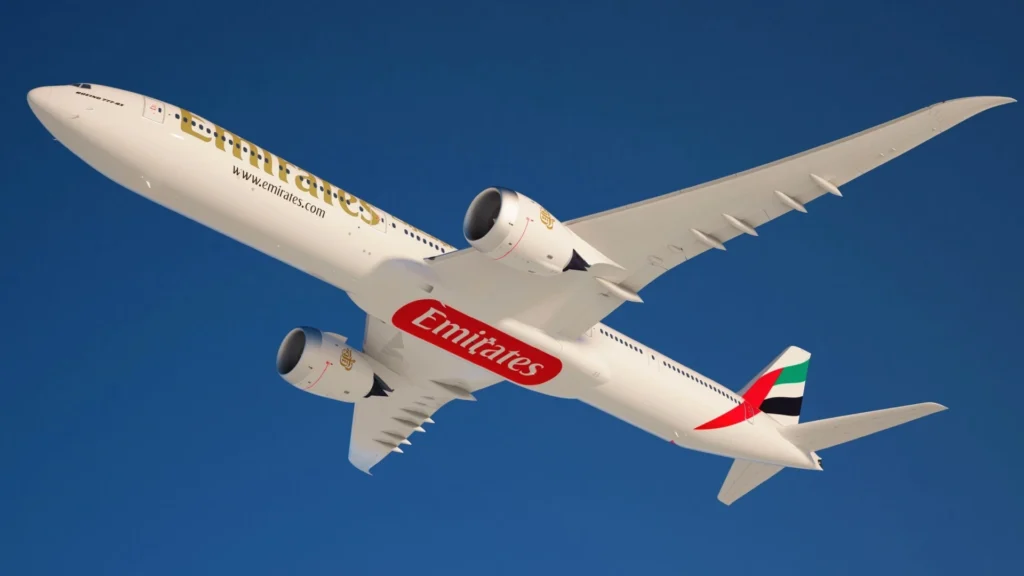
Emirates has been waiting on the Boeing 777X for years. Repeated slips in that programme have left the carrier without the replacement widebody it had planned around, forcing the A380 to carry more of the network than originally intended.
The Wing Crack Inspection
The schedule reduction coincides with a separate technical issue. In June, Airbus was required to inspect 16 A380 aircraft after cracks were discovered in a key wing component. Fifteen of those aircraft were operated by Emirates.
The investigation into the cracks is still ongoing. Emirates was contacted for comment on its A380 schedule.
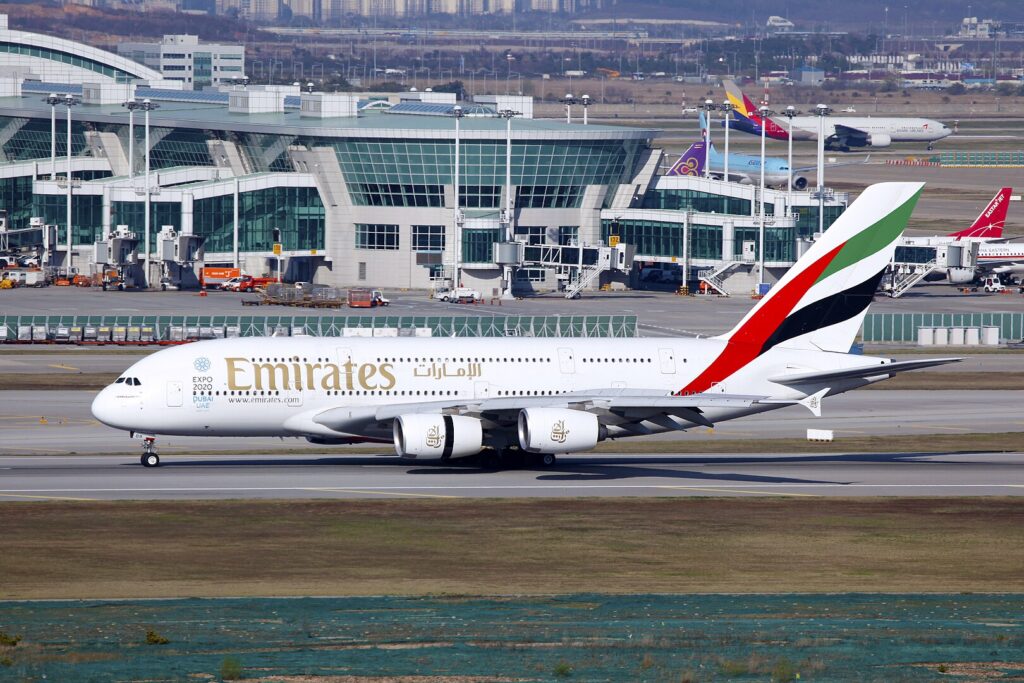
A380 to Delhi from October 25
Emirates confirmed on Thursday that it will deploy the A380 to Delhi (DEL) from October 25. The move makes the Indian capital the third destination in India served by the superjumbo.
The decision is difficult to reconcile with a phase-out. Adding a new A380 market at this stage points to an airline still building schedules around the aircraft rather than unwinding them.
The Commercial Failure Emirates Turned Around
For most of the aviation industry, the A380 is remembered as an engineering achievement that never worked commercially. Airbus launched the programme in 2000 expecting to sell more than 1,200 aircraft. It delivered 251 before shutting the line down in 2021.
Emirates was the exception. The Dubai carrier ordered 123 aircraft, close to half the entire global fleet, and built its hub-and-spoke model around funnelling hundreds of passengers at a time through Dubai (DXB).
When rivals rushed to retire their superjumbos during the pandemic, Emirates held on. That decision was rewarded by a strong post-pandemic rebound in long-haul demand and by the repeated delays to Boeing’s 777X.
As reported by AGBI, when Emirates took delivery of its final A380 in late 2021, airline president Tim Clark said: “The A380 will remain Emirates’ flagship product for the coming years and a vital pillar of our network plans.”
No Direct Replacement Exists
The bigger problem for Emirates is what comes next. Independent aviation analyst Brendan Sobie said no aircraft currently matches what the A380 does.
“There is not a like-for-like successor,” Sobie said. “Emirates will ultimately have to go with smaller widebodies, which could have implications on some routes if they remain slot- or bilaterally constrained.”
That constraint matters on routes where Emirates cannot simply add more frequencies. Where airport slots or bilateral traffic rights cap the number of flights, the only way to carry more passengers is with a bigger aircraft. The A380 remains the largest option available.
Other Airlines Still Operating the A380
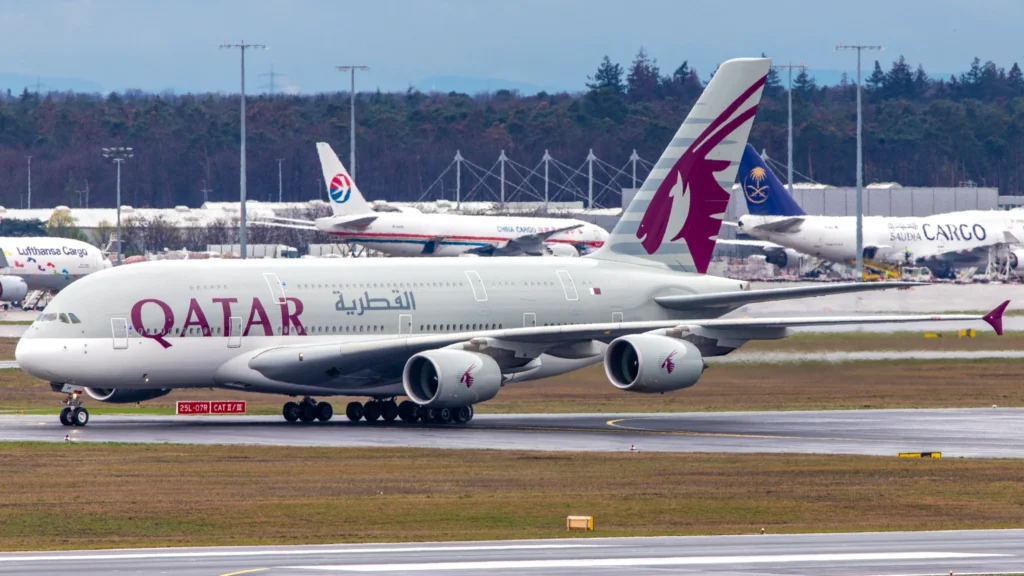
Emirates is not alone in keeping the type. Other carriers still flying the A380 include Singapore Airlines (SQ), British Airways (BA), Qantas (QF), Lufthansa (LH), Qatar Airways (QR), Korean Air (KE), Etihad Airways (EY), ANA (NH) and Asiana Airlines (OZ).
Stay tuned with us. Further, follow us on social media for the latest updates.
Join us on Telegram Group for the Latest Aviation Updates. Subsequently, follow us on Google News
