

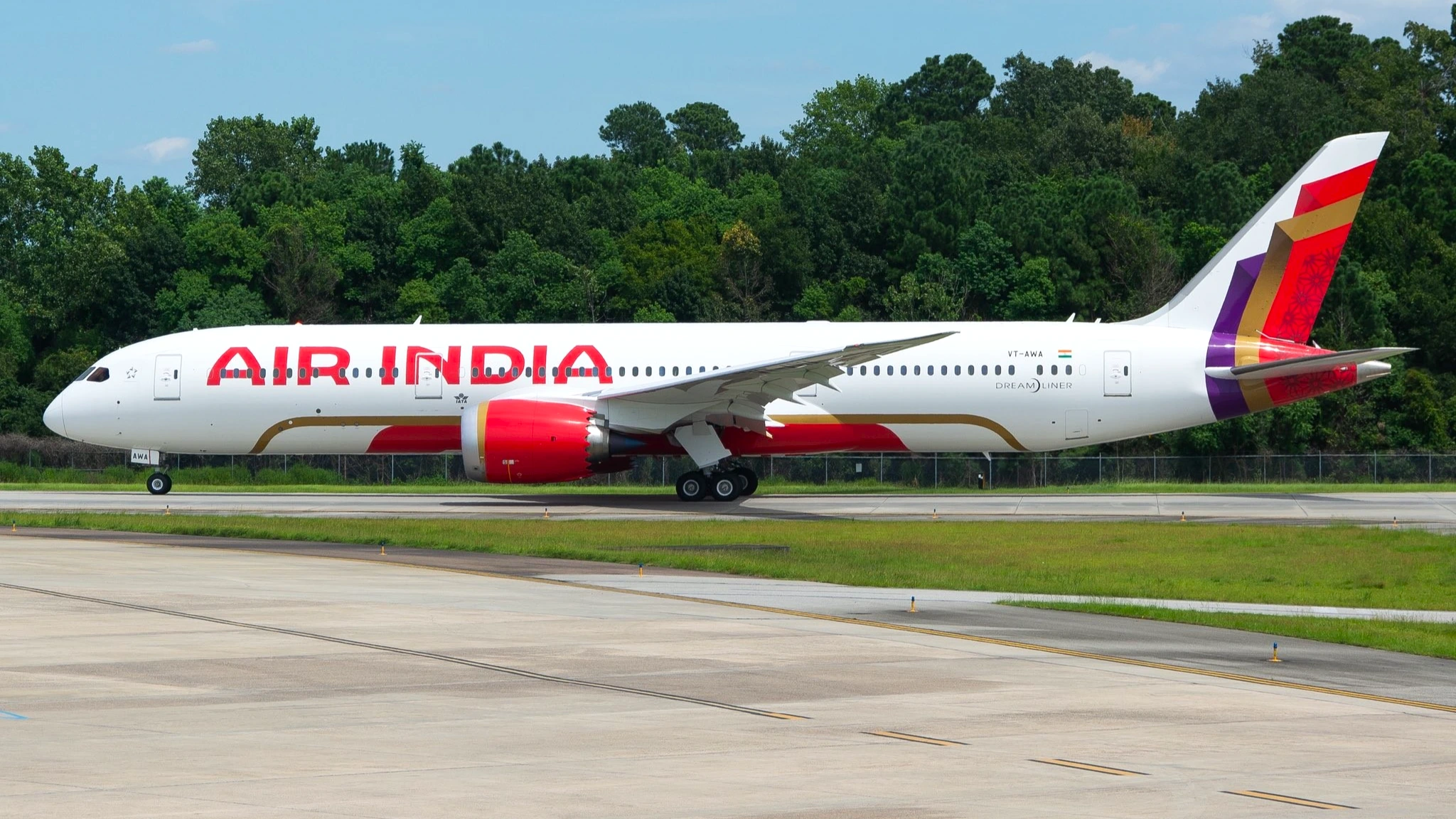
GURUGRAM- Tata Group-owned Air India (AI) has secured approval from the Directorate General of Civil Aviation (DGCA) to use Electronic Technical Logbooks (ETL) as the primary technical document for its Boeing 787 fleet. The regulator has also authorised parallel implementation across the Boeing 777 fleet.
The approval marks another step in Air India’s transformation journey and reflects the airline’s commitment to leveraging technology to strengthen operational performance, safety, reliability, and sustainability. The carrier says the move positions it as a technology-enabled, modern global airline.
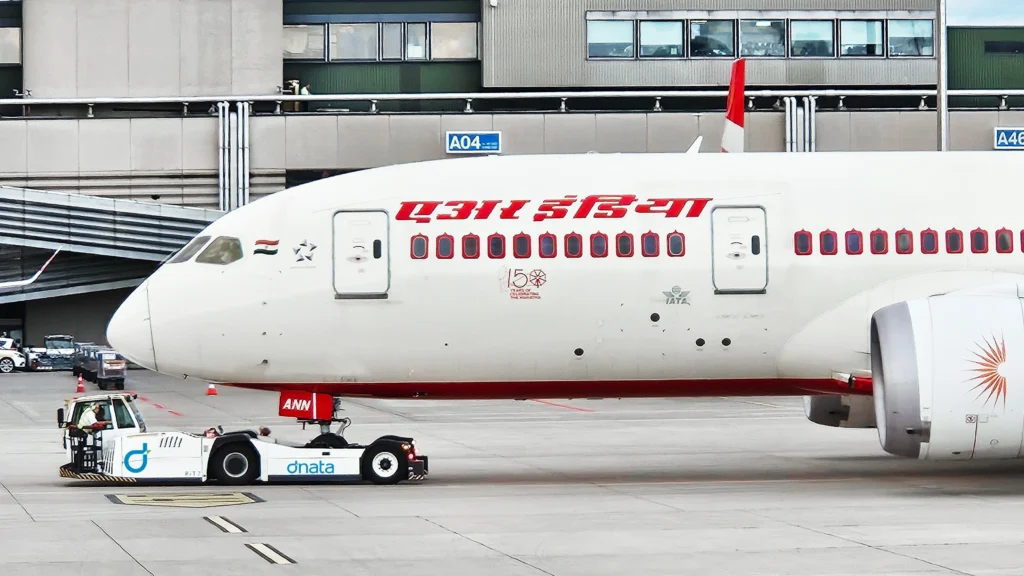
DGCA Clears ETL for Air India Widebodies
The DGCA has approved the Electronic Technical Logbook as the primary technical document for the Boeing 787 fleet, with parallel implementation authorised on the Boeing 777 fleet.
With this approval, Air India has become one of the first airlines to adopt fleet-wide Electronic Technical Logbooks across its entire Boeing 787 widebody fleet, achieving a complete fleet-wide ETL implementation.
The Electronic Technical Logbook replaces traditional paper-based maintenance records with a secure digital platform. The platform enables faster, more accurate, and more efficient management of aircraft maintenance and engineering activities.
The digital system provides real-time information sharing between maintenance engineers and operational teams. That shared view improves coordination, accelerates defect reporting and rectification, and enhances aircraft dispatch reliability.
The ETL platform delivers enhanced data integrity, traceability, and regulatory compliance. It also provides advanced analytics that support predictive maintenance and informed engineering decision-making.
The paperless system significantly reduces paper consumption, supporting Air India’s sustainability objectives.
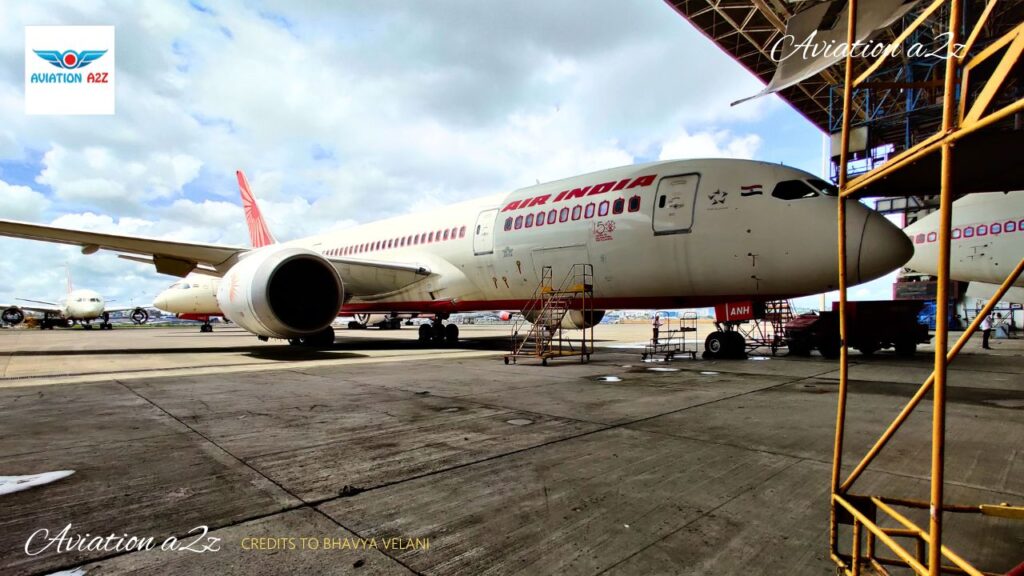
Air India Engineering Leadership
The implementation of Electronic Technical Logbooks across our widebody Boeing fleet reaffirms the collaborative work involving engineering, flight operations, digital technology teams, OEM partners and the regulator. Replacing paper-based processes with real-time digital information, we are improving operational efficiency, strengthening maintenance governance, enhancing regulatory compliance and enabling faster decision-making across our engineering and operations teams.
Jeremy Yew Jin Kit, Senior Vice President, Engineering & Maintenance, Air India
The rollout drew on engineering, flight operations, and digital technology teams working with OEM partners and the regulator.
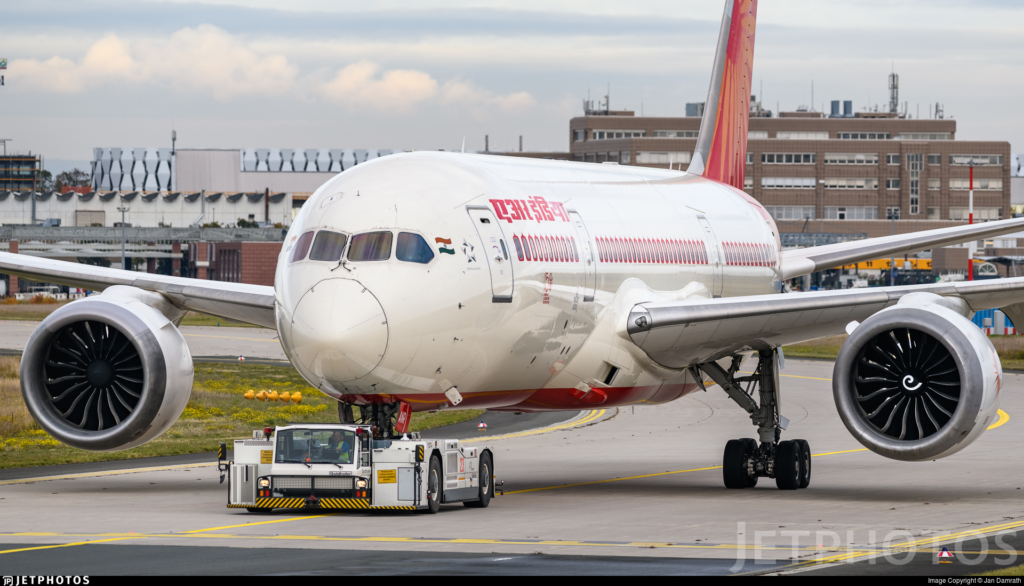
Bottom Line
The achievement reflects Air India’s continued investment in digital technologies to modernise engineering and maintenance operations while maintaining the highest standards of safety and regulatory compliance.
The airline calls it a key step in its broader vision of building a world-class, data-driven aviation business that excels in operational performance and customer service.
Stay tuned with us. Further, follow us on social media for the latest updates.
Join us on Telegram Group for the Latest Aviation Updates. Subsequently, follow us on Google News
