

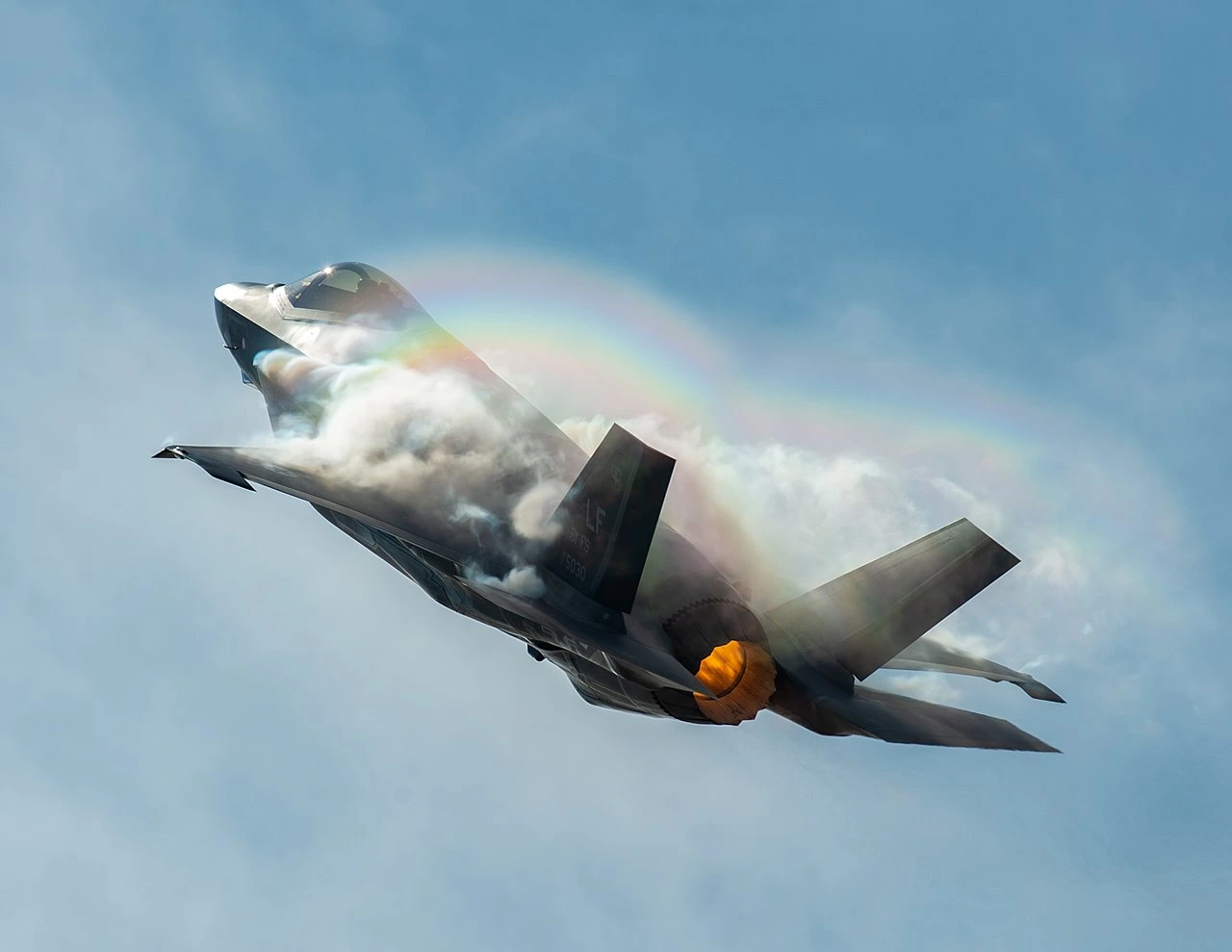
LONDON- The United Kingdom’s Ministry of Defence (MoD) confirmed that UK F-35 jets intercepted a Russian Tupolev Tu-142 “Bear-F” maritime patrol aircraft after it repeatedly approached the HMS Prince of Wales carrier strike group in the Norwegian Sea.
The interception took place on Thursday, July 2, 2026, during Operation Firecrest, with the carrier deployed off Iceland under NATO command.
According to the BBC, the Russian aircraft flew at low altitude and unnecessarily close to HMS Prince of Wales before UK jets escorted it away. The MoD described Moscow’s activity as unsafe and unprofessional.
Russian Bear-F Approaches UK Carrier Strike Group
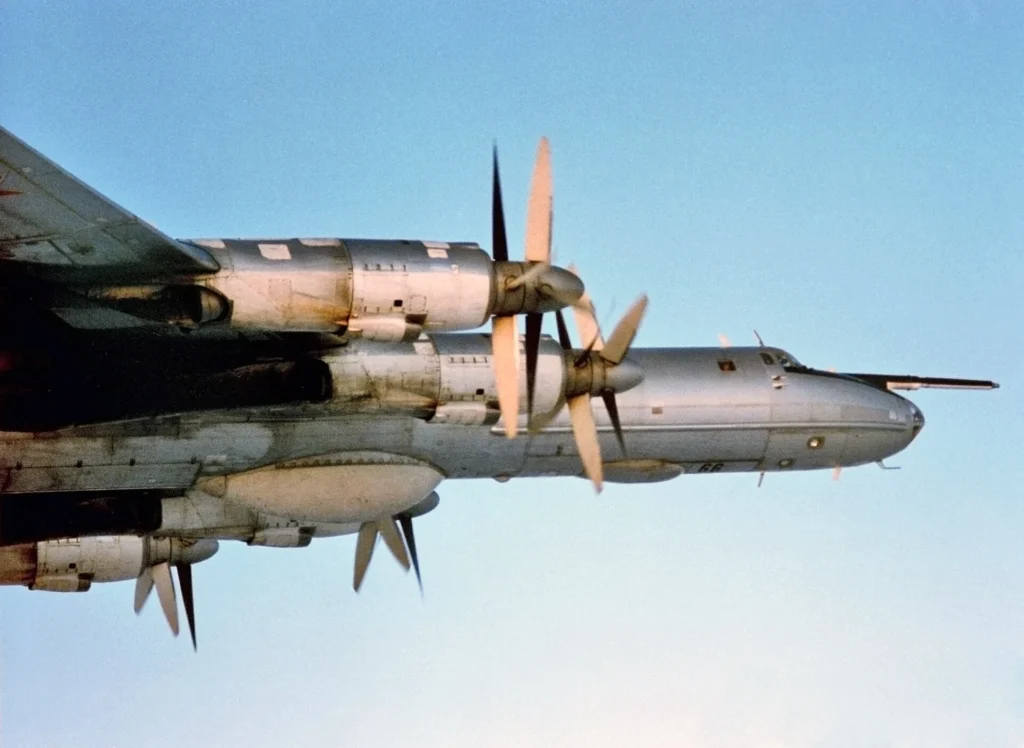
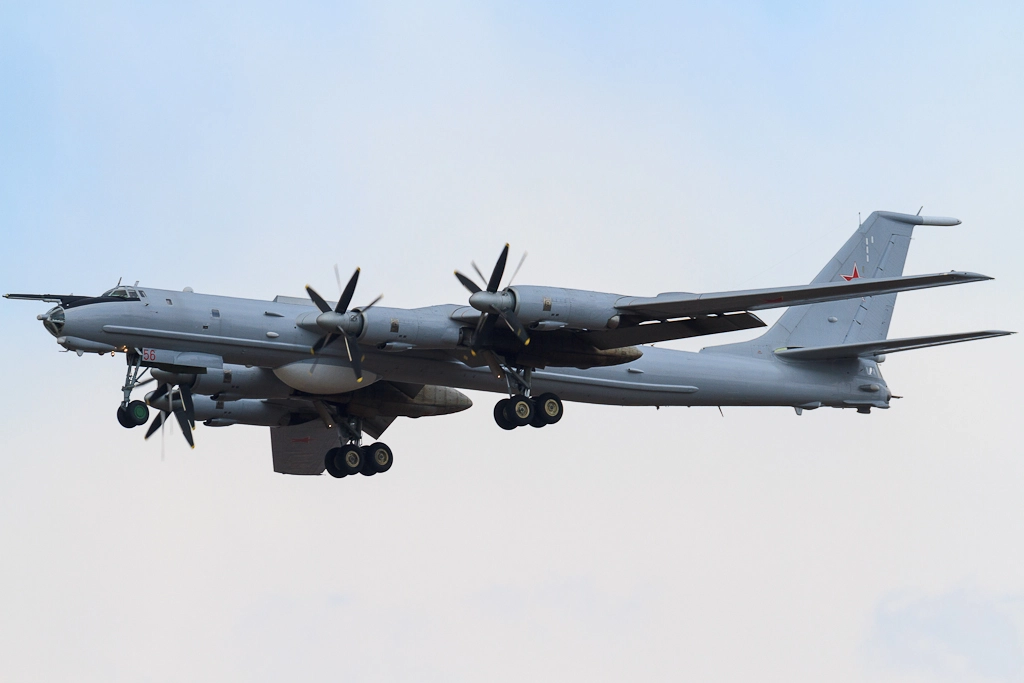
The MoD said the Tu-142 repeatedly approached the Carrier Strike Group while it operated in the Norwegian Sea. The aircraft passed at low altitude and unnecessarily close to HMS Prince of Wales and is believed to have dropped multiple sonobuoys into the water nearby.
Sonobuoys are floating devices that use sonar to detect submarines and other vessels beneath the surface. The Tu-142, a Soviet-era aircraft derived from the Tu-95 turboprop, was likely attempting to identify any undersea capability protecting the carrier group.
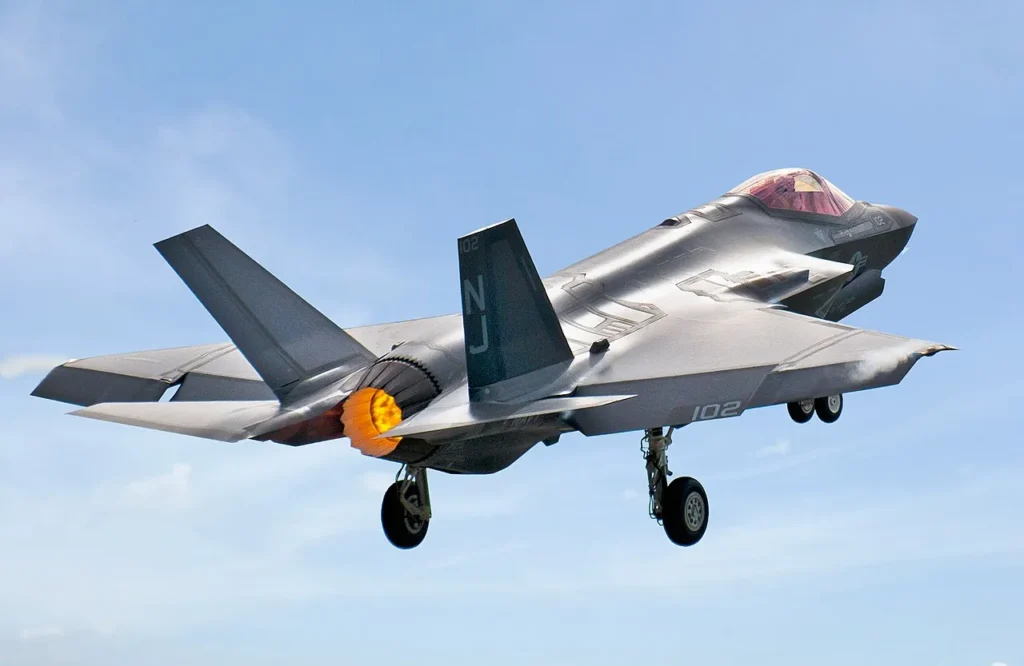
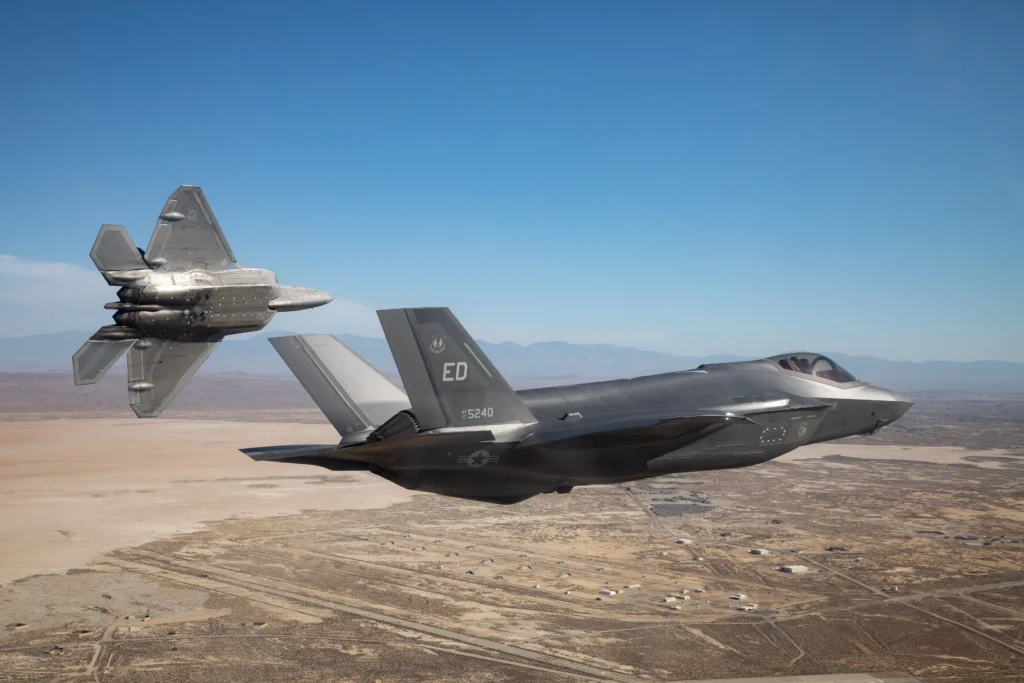
British forces attempted to contact the Russian aircraft on international frequencies, but it did not respond. Two UK F-35 jets then launched from HMS Prince of Wales and escorted the Bear-F away from the strike group.
The UK’s Carrier Strike Group is deployed off Iceland under NATO command, with more than 1,500 British personnel across the force.
The group is led by HMS Prince of Wales and includes the Type 45 destroyer HMS Duncan, F-35 jets, and Merlin and Wildcat helicopters. It is supported by the replenishment tanker RFA Tidespring.
The F-35Bs aboard the flagship are flown by 809 Naval Air Squadron and 617 Squadron, home-based at RAF Marham in Norfolk.
The deployment marks the first time NATO has conducted air policing operations from a European aircraft carrier.

Defence Secretary Highlights Security Threats
Defence Secretary Dan Jarvis visited HMS Prince of Wales during the deployment, accompanied by Icelandic Foreign Minister Thorgerdur Katrin Gunnarsdottir.
Jarvis described the current period as an increasingly dangerous and uncertain time and said deployments alongside NATO allies and partners, including Iceland, strengthen deterrence and defence.
Jarvis told Channel 4 News that the threat from Russia extends across every domain, including under the water, on the water, on land, in the sky, in space, and in cyberspace. Iceland provides support to allied forces operating from its territory, boosting security in the North Atlantic.
Military Leaders Warn of Rising Russian Activity
The interception followed recent incidents involving Russian activity near UK interests. Weeks earlier, Royal Marines boarded a Russian shadow fleet oil tanker in the English Channel.
Defence leaders have warned that the risks facing the UK are greater now than at any point since the Cold War.
Chief of the Defence Staff Sir Richard Knighton said in June that Russia had been probing, challenging, and testing UK defences and was raising the stakes and risking crossing a line. NATO has warned that Russia could be ready to use military force by 2030.
Defence Investment Plan Faces Scrutiny
The government published the UK’s long-delayed Defence Investment Plan last week. Outgoing Prime Minister Sir Keir Starmer set out a £15bn increase in defence spending, around half of the amount military officials said was needed.
Part of the funding is expected to come from reductions across other government departments.
Opposition politicians and military figures argue the investment does not go far enough to meet the threat posed by Russia.
John Healey and Al Carns resigned from the government in June over an earlier version of the plan, contributing to political pressure surrounding defence strategy.
Shadow Defence Secretary James Cartlidge called the plan too little, too late, noting it was barely more than the amount Healey and Carns resigned over. He argued that defence spending should take priority over expanding welfare to give the armed forces the resources they need.
UK Announces Additional Sanctions
Separately, the government announced sanctions on seven individuals and two organisations linked to the development of the chemical weapons used to kill Dawn Sturgess in the 2018 Salisbury Novichok attack and in the 2024 poisoning of Russian opposition leader Alexei Navalny.
Stay tuned with us. Further, follow us on social media for the latest updates.
Join us on Telegram Group for the Latest Aviation Updates. Subsequently, follow us on Google News
