

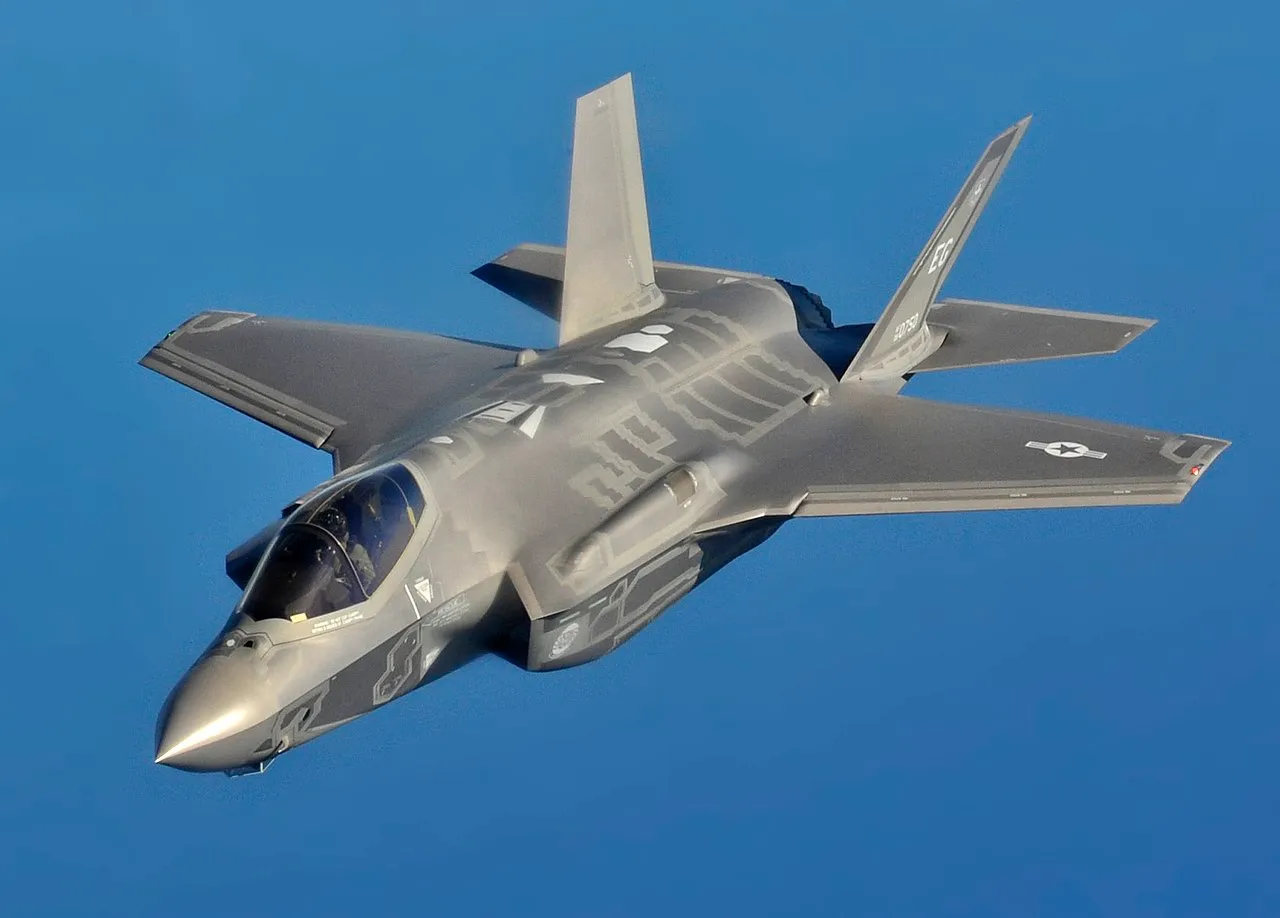
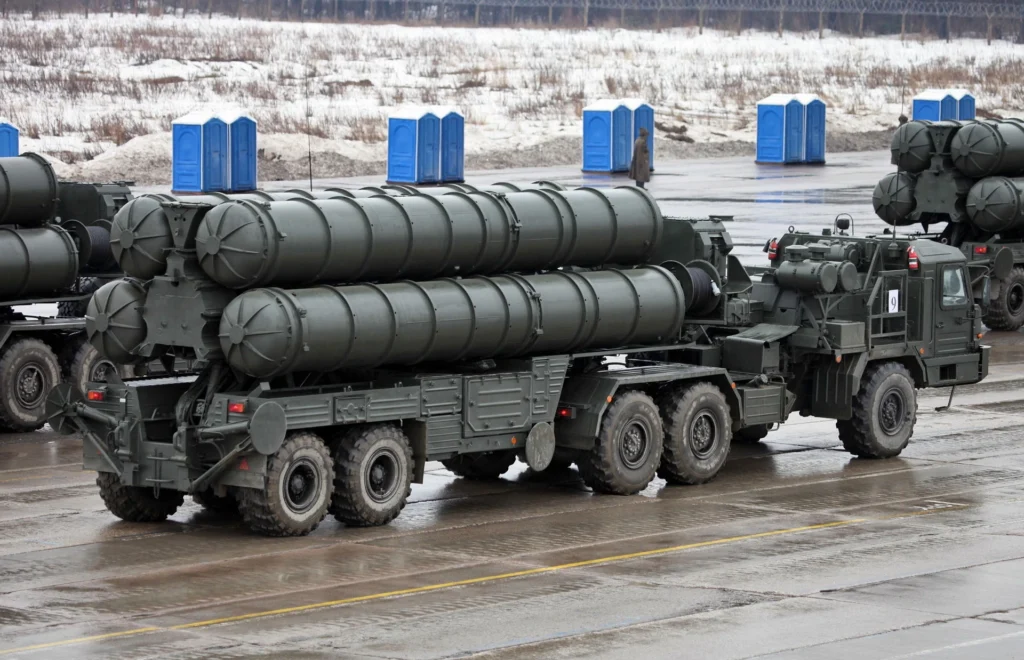
WASHINGTON, D.C.- President Donald Trump’s proposal to sell Lockheed Martin F-35 fighter jets to Türkiye remains on hold as legal, political, and security concerns continue to delay the deal. The dispute centers on Türkiye’s Russian-made S-400 air defense system and opposition from members of the US Congress.
The stalled negotiations have implications beyond the United States and Türkiye. They also affect NATO, Israel, and broader Middle East security, while countries such as the United Arab Emirates (UAE) and Saudi Arabia continue pursuing their own advanced fighter aircraft ambitions.
Why the F-35 Deal Remains Frozen
The proposed sale has remained in limbo more than a month after President Trump publicly backed the idea during the NATO summit alongside Turkish President Recep Tayyip Erdoğan.
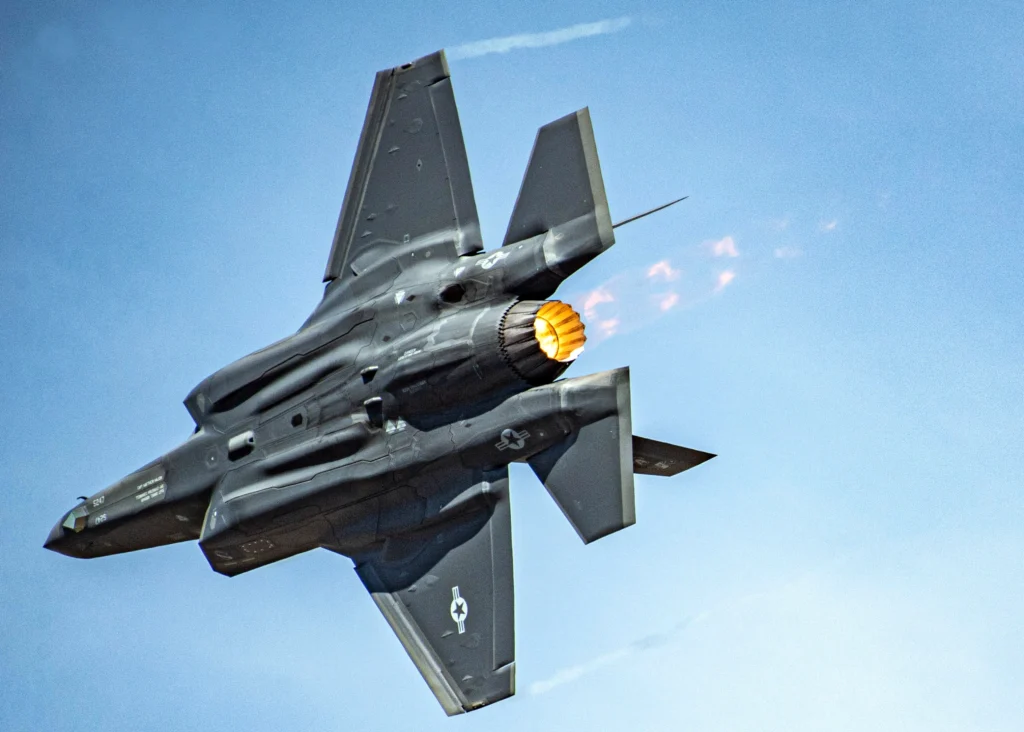
Türkiye was originally a partner in the multinational F-35 program and invested billions of dollars into its development. The country also paid for six F-35 aircraft before being removed from the program in 2019 after accepting delivery of the Russian-made S-400 air defense system.
The United States determined that operating both the F-35 and S-400 together could expose sensitive information about the stealth fighter’s capabilities. As a result, Washington expelled Türkiye from the program and imposed sanctions under the Countering America’s Adversaries Through Sanctions Act (CAATSA).
Current US law requires Türkiye to remove the S-400 issue before access to the F-35 program can move forward. The interpretation of what qualifies as compliance remains one of the largest obstacles, Semafor reported.
Congress Continues to Resist the Sale
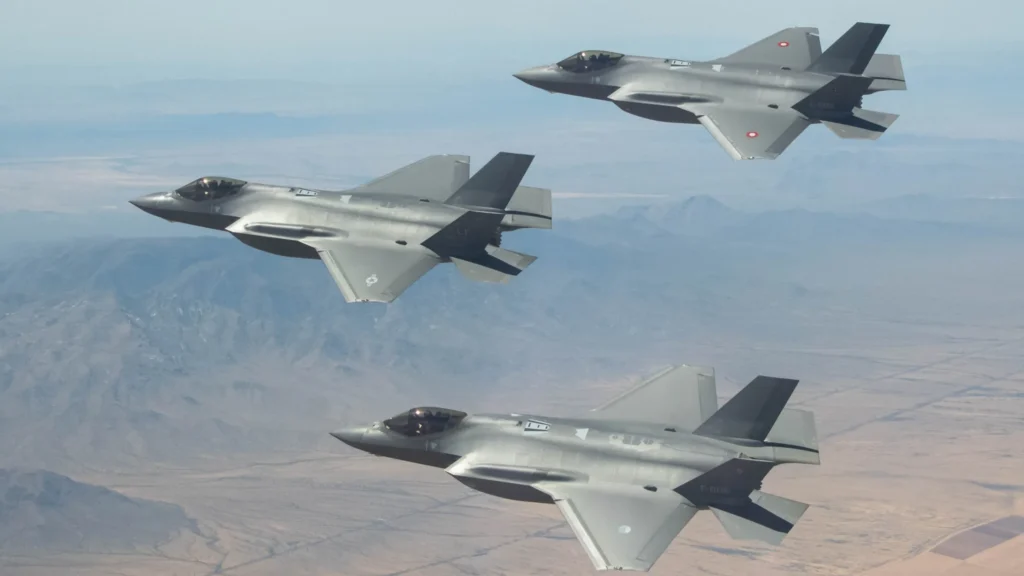
Although Republicans control Congress, the proposed sale faces bipartisan skepticism.
Several lawmakers insist that Türkiye must completely divest itself of the Russian air defense system before any transfer of F-35 aircraft can be considered.
Senator Rick Scott stated that Türkiye should not receive F-35s while retaining the S-400, emphasizing that he has not heard of any movement from the Trump administration toward completing the sale.
Senate Foreign Relations Committee Chairman Jim Risch echoed that position, saying the process remains at a standstill because Türkiye has not removed the S-400 system.
Other lawmakers have also expressed broader concerns regarding Türkiye’s democratic record, its military activities in Cyprus, and previous tensions with Greece.
Possible Solutions Under Discussion
Several options have reportedly been explored to resolve the dispute.
One proposal involves disabling the S-400 system without fully removing it. However, many members of Congress believe US sanctions law requires complete divestment rather than simply making the system inactive.
Another proposal involves Türkiye selling the S-400 system to the United Arab Emirates. Reports indicate discussions took place, but no agreement has been reached.
Even if Türkiye and the UAE reached a deal, Russia would still need to approve any transfer because of contractual restrictions governing the weapon system.
Some officials have also suggested that destroying the S-400 could satisfy legal requirements, though no decision has been announced.
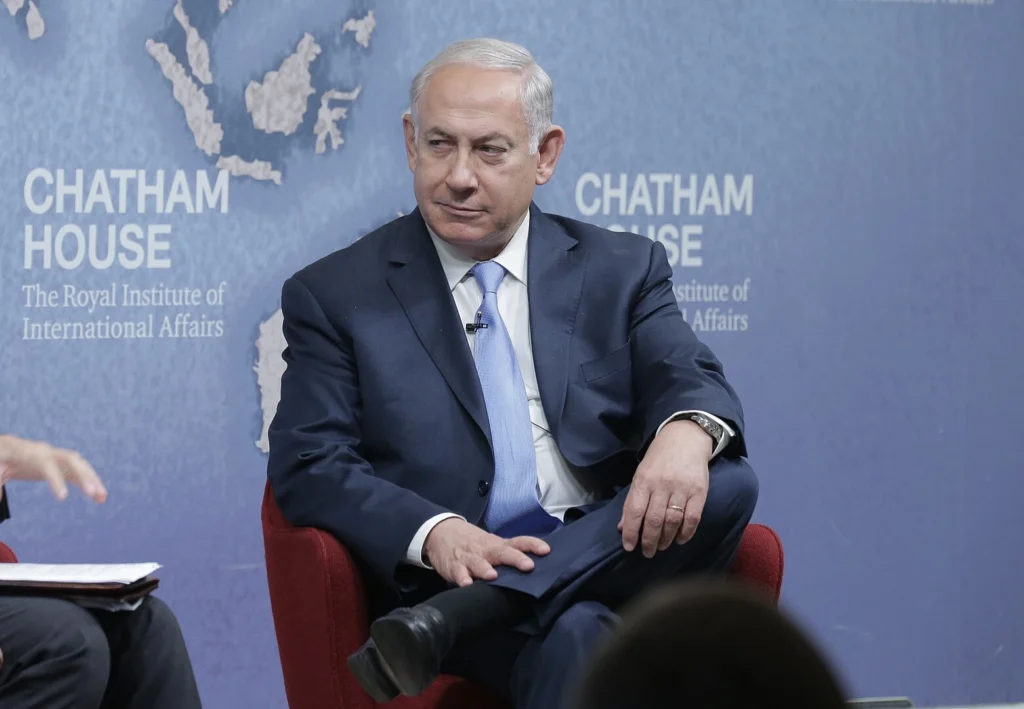
Israel Opposes Türkiye Receiving F-35 Fighters
Israel has emerged as one of the strongest opponents of the proposed sale.
Prime Minister Benjamin Netanyahu warned that supplying F-35 fighters to Türkiye could alter the military balance across the Middle East.
Security analysts note that Israel currently maintains a qualitative military edge in the region, including exclusive operational access to the F-35 among Middle Eastern nations.
Experts argue that adding F-35 aircraft to Türkiye’s already large military would significantly strengthen Ankara’s air power.
The American Israel Public Affairs Committee (AIPAC) also expressed concerns, citing Türkiye’s relationships with Hamas, Iran, Russia, and China.
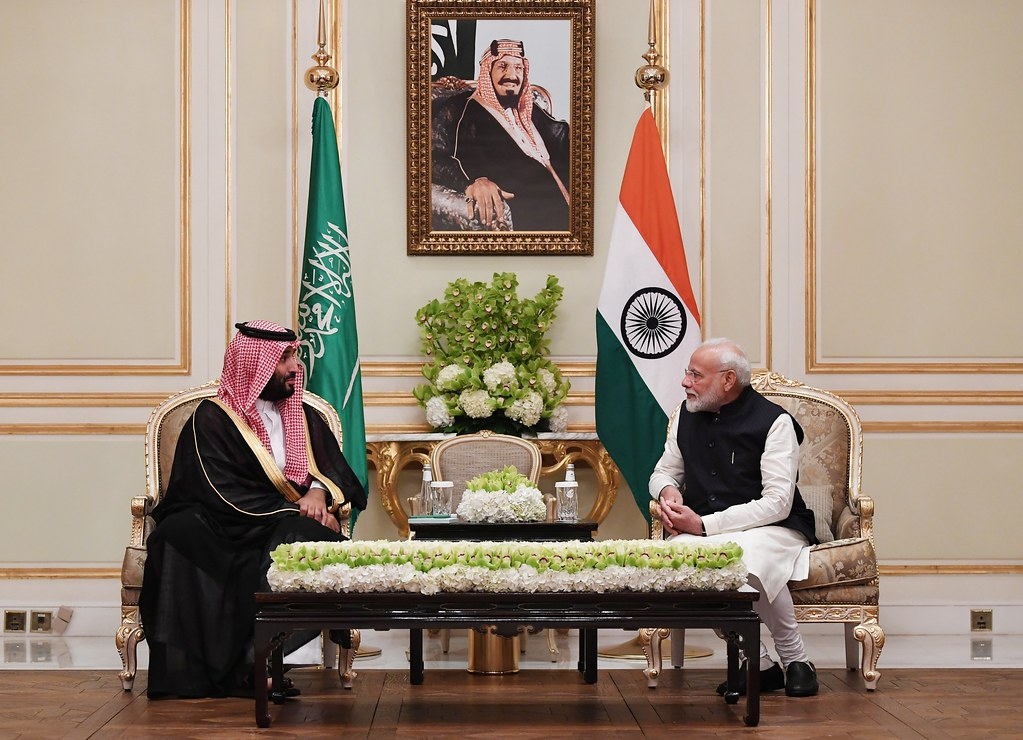
Saudi Arabia Is Pursuing Its Own F-35 Deal
While Türkiye waits for progress, Saudi Arabia continues lobbying Washington for approval of its own F-35 purchase.
Saudi Defense Minister Khalid bin Salman recently met Trump administration officials as Riyadh attempts to build momentum following broader diplomatic engagement with the United States.
Experts describe any Saudi F-35 acquisition as a long-term process that will likely involve complex regional security negotiations and continued consultation with Israel.
Analysts believe Saudi Arabia could begin receiving F-35 aircraft later in the decade if negotiations eventually succeed.
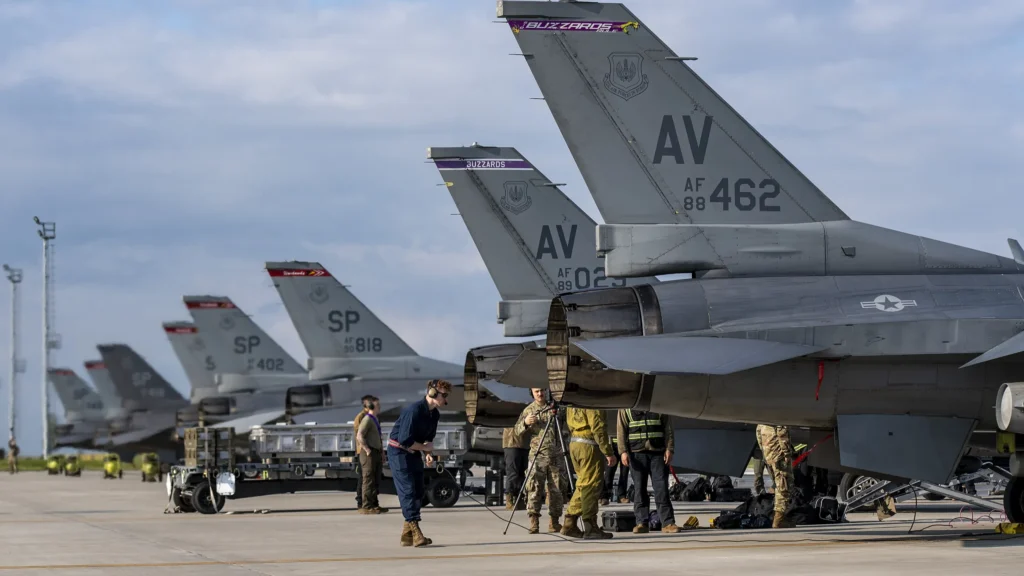
NATO and Regional Security Implications
The ongoing dispute has become more than a fighter jet procurement issue.
For NATO, Türkiye’s continued operation of the Russian S-400 system raises concerns about alliance interoperability and military cohesion.
Security experts argue that resolving the issue would strengthen cooperation within NATO while improving defense coordination between the United States and Türkiye.
At the same time, Washington must balance its relationship with a strategically important NATO ally against longstanding commitments to Israel’s regional security.
This balancing act has complicated congressional approval and made the F-35 debate one of the most politically sensitive defense export issues currently facing the United States.
What Happens Next
No formal agreement has been announced, and negotiations remain stalled.
Any future progress depends on how Türkiye addresses the S-400 issue and whether Congress is satisfied that US legal requirements have been met.
Even if the Trump administration formally submits the sale, lawmakers retain the authority to challenge or block the transaction through congressional review.
Until those political and legal hurdles are resolved, Türkiye’s long-standing effort to regain access to the F-35 program is expected to remain on hold.
Stay tuned with us. Further, follow us on social media for the latest updates.
Join us on Telegram Group for the Latest Aviation Updates. Subsequently, follow us on Google News
