

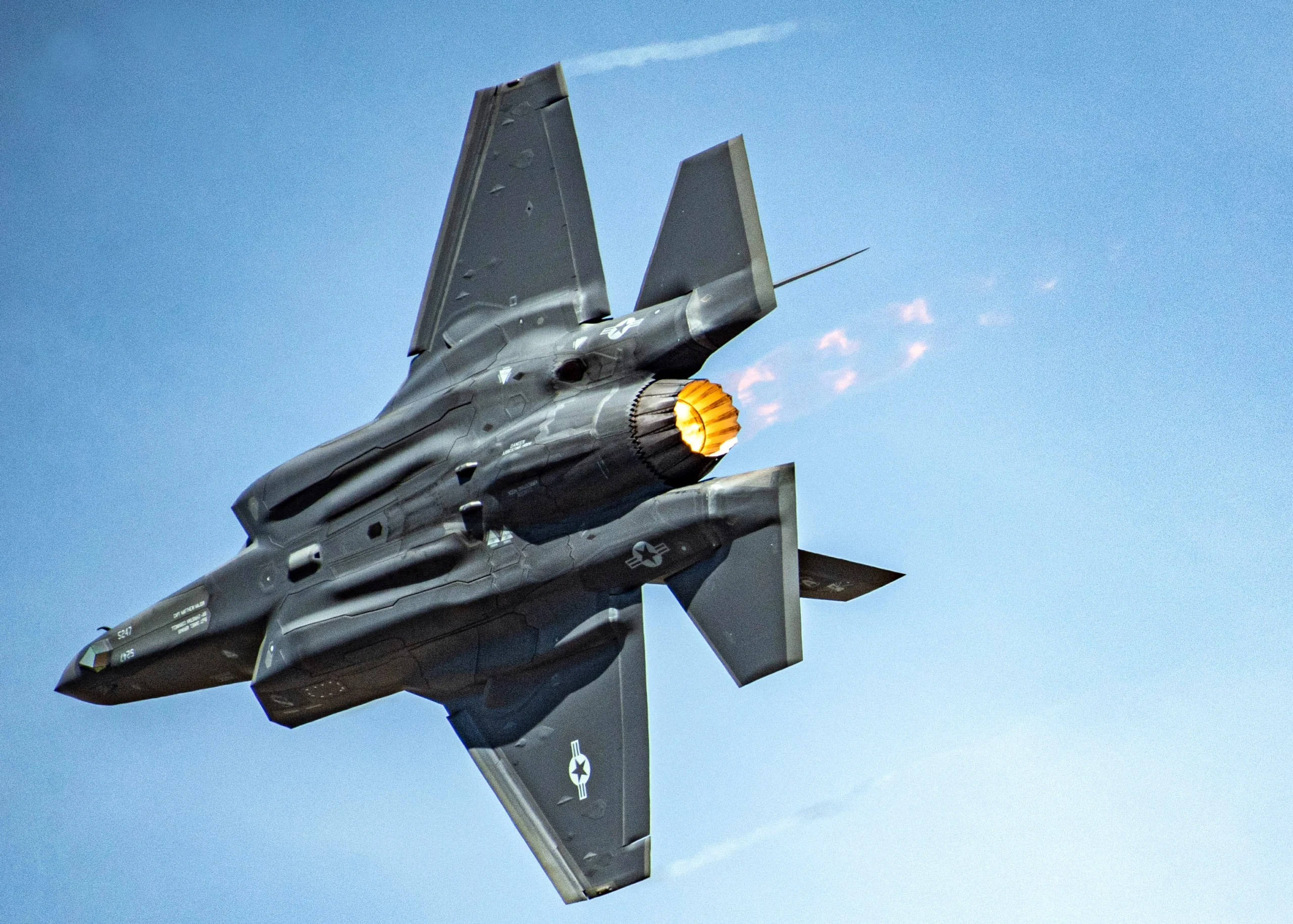
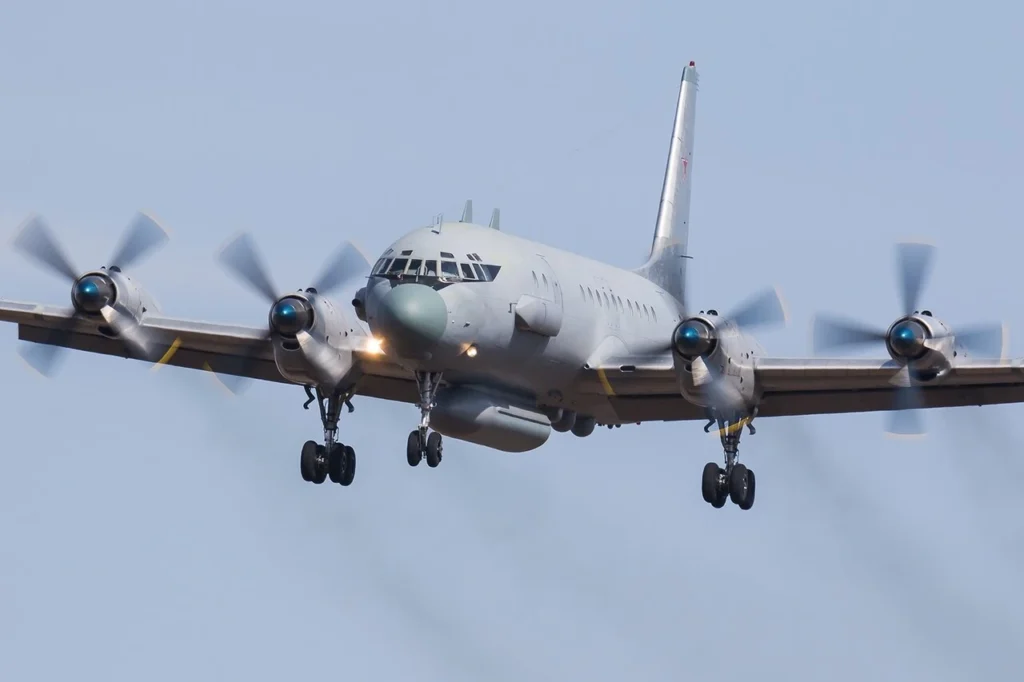
OSLO— Norwegian Air Force F-35A fighters scrambled from Evenes Air Station (EVE) on 15 April to intercept an unidentified aircraft approaching Norwegian airspace. The Quick Reaction Alert (QRA) mission identified the contact as a Russian Ilyushin Il-38 maritime patrol aircraft.
A Norwegian (DY) passenger jet was placed in a holding pattern during the scramble as the military alert took priority over civil air traffic. The F-35s were airborne for approximately two hours before returning to Evenes (EVE), and the interception concluded without incident, ht.no reported.
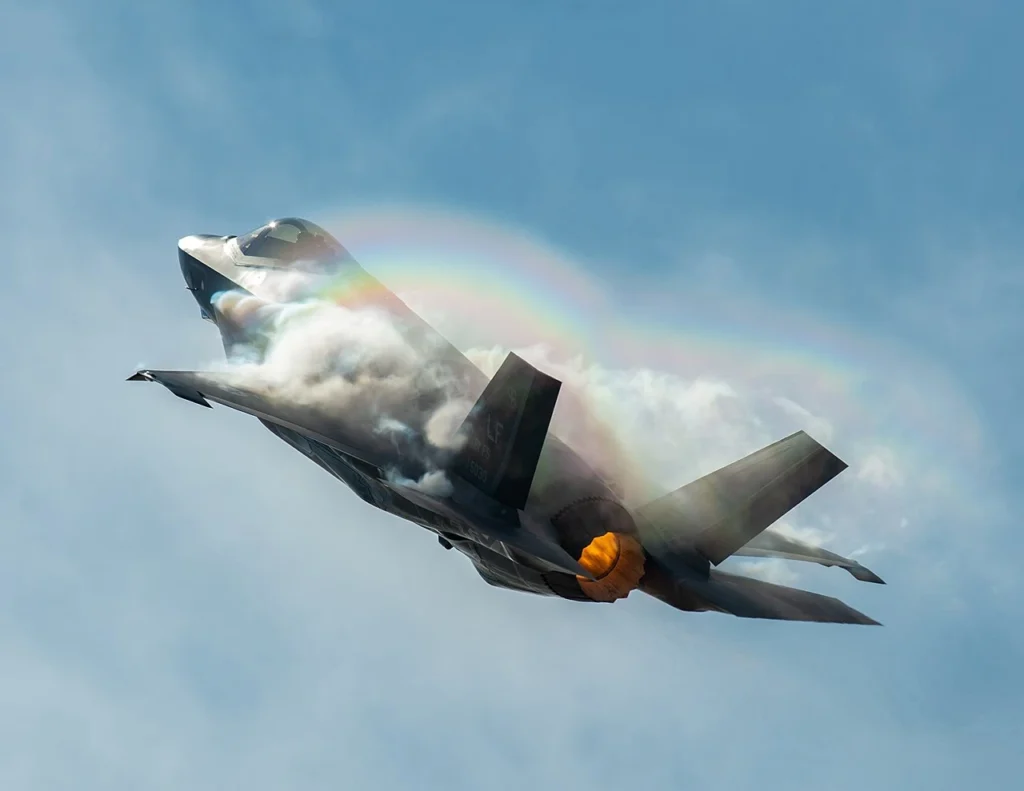
Norway F-35 Fighters Intercept Russian Il-38
The scramble followed standard NATO procedure for unknown aircraft detected near a member nation’s territorial boundaries.
Two F-35A Lightning II fighters launched from Evenes Air Station on a QRA mission after radar systems detected an unidentified contact approaching Norwegian airspace on Monday evening.
Major Stian Roen, spokesperson for the Norwegian Air Force, confirmed the sortie and described it as routine. The fighters positively identified the aircraft as a Russian Ilyushin Il-38 anti-submarine and maritime patrol platform, designated “May” under NATO’s reporting name system.
The Il-38 first flew on 27 September 1961 and entered active service in 1967. Russia continues to operate the type for maritime surveillance over the North Atlantic and Arctic regions, with 58 airframes originally built.
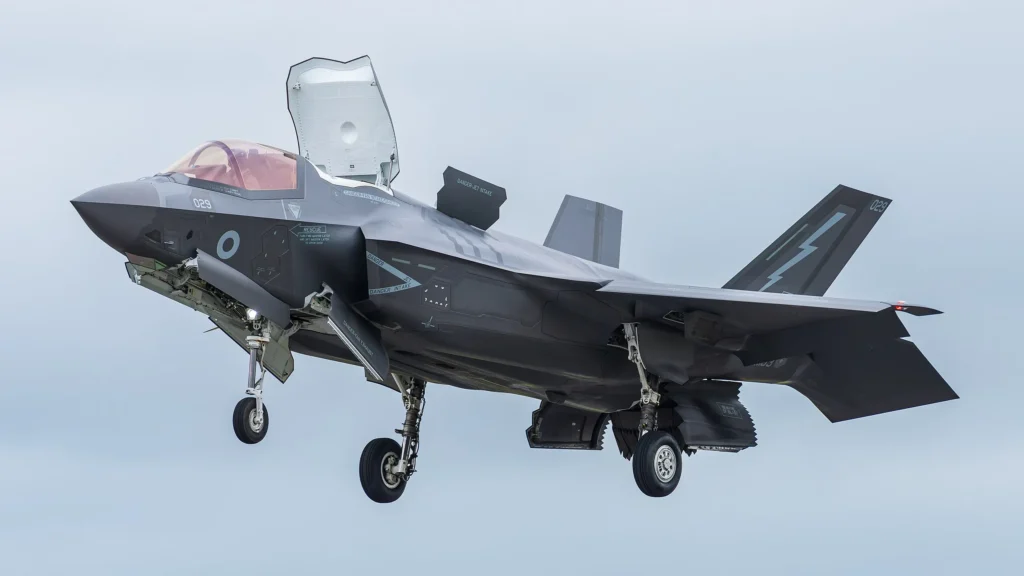
Norway’s QRA Readiness at Evenes Air Station
Norway maintains two F-35A fighters on round-the-clock alert at Evenes Air Station (EVE). In a confirmed alert situation, those jets are typically airborne within 15 minutes. The QRA system is designed to intercept, identify, document, and prevent any violation of Norwegian sovereign airspace.
The Norwegian Air Force has logged 19 QRA missions so far this year and identified 28 aircraft during that period. Monday’s interception fits within an established pattern of Russian military aviation operating near Norwegian airspace as part of broader surveillance activities in the High North.
Norway shares a land border with Russia in the Arctic Finnmark region, placing it on NATO’s front line in the strategically significant Arctic.
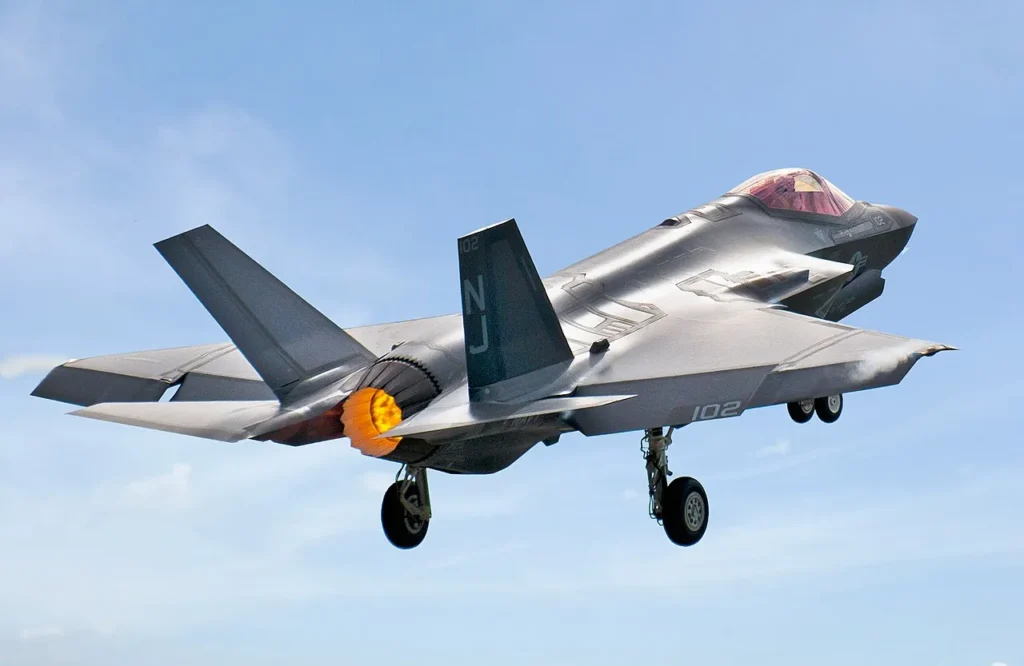
F-35A Lightning II Role in Norway’s Air Defense
The F-35A Lightning II, built by Lockheed Martin, serves as the backbone of Norway’s air sovereignty mission.
Norway has fully transitioned from its legacy F-16 fleet and integrated the fifth-generation fighter into its national QRA rotation.
The aircraft’s advanced sensor suite, low-observable design, and speed make it well-suited for rapid intercept missions in the demanding Arctic conditions where weather and extended darkness complicate long-range identification of unknown contacts.
Routine Scrambles Reflect Persistent Operational Tempo
Norway’s defense establishment conducts continuous surveillance of its airspace and adjacent areas. When an unknown aircraft approaches Norwegian territory, fighters launch without delay to identify the contact, document its presence, and ensure no airspace violation occurs.
Oslo characterizes such intercepts as routine, though 19 scrambles in a single year reflect a persistent operational tempo that demands significant readiness from aircrew and ground support personnel alike.
Monday’s mission ended without incident. The Russian aircraft was identified, documented, and tracked until the F-35s returned to base. The Norwegian (DY) passenger flight landed without reported disruption beyond the delay.
Stay tuned with us. Further, follow us on social media for the latest updates.
Join us on Telegram Group for the Latest Aviation Updates. Subsequently, follow us on Google News
