

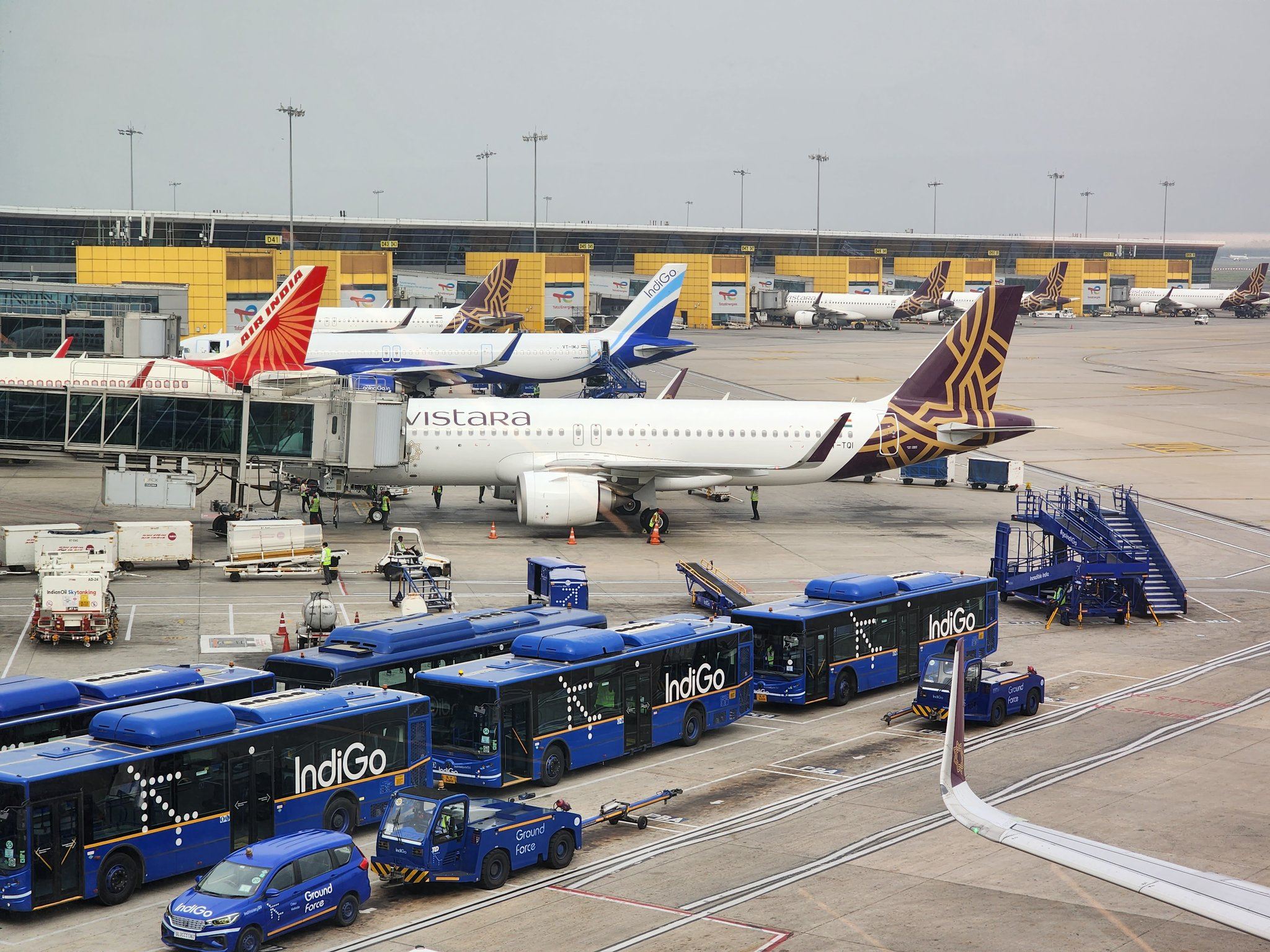
NEW DELHI- Delhi International Airport Ltd (DIAL), the operator of Indira Gandhi International Airport (DEL), has proposed a 10-year master plan to increase the airport’s annual passenger handling capacity from 106 million to 125 million by 2032. The phased expansion aims to support rising domestic and international travel demand across India’s busiest airport.
The proposed plan includes the construction of a new Pier E at Terminal 3 by April 2030, increasing annual capacity to 116 million in the first phase. While Delhi Airport (DEL) currently serves airlines such as Air India (AI) and IndiGo (6E) from its three terminals, future projects including Terminal 4 and an Automated People Mover (APM) remain under evaluation.
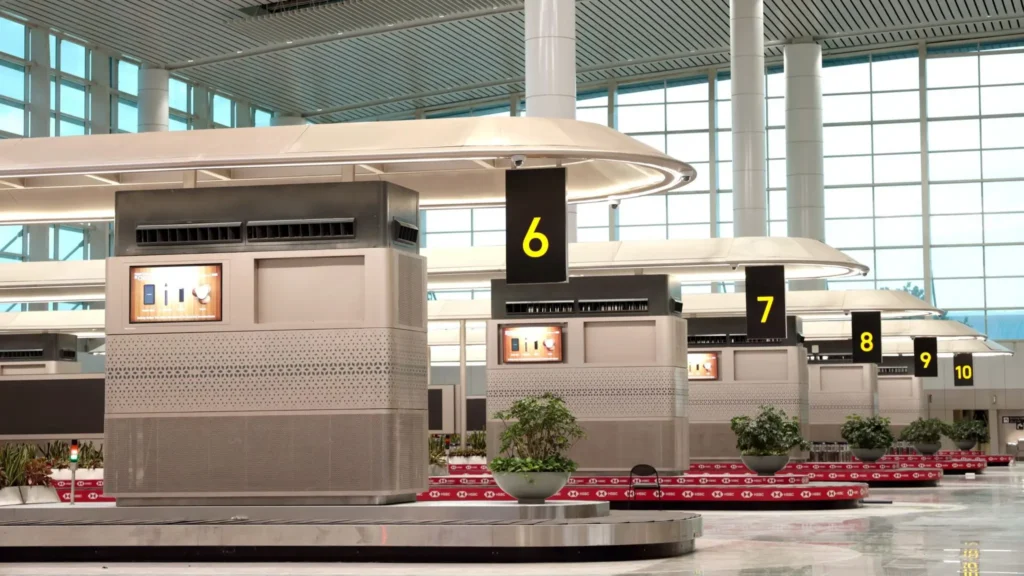
Delhi Airport’s Long-Term Expansion Strategy
Delhi International Airport Ltd (DIAL), led by the GMR Group consortium, is preparing a comprehensive master plan covering airport development through 2036. The proposal is currently undergoing consultations with stakeholders before being finalized.
The first milestone under the expansion strategy is to increase annual passenger capacity from the current 106 million to 116 million by April 2030. The second phase targets an increase to 125 million passengers annually by 2032.
The expansion reflects continued growth in passenger demand at Indira Gandhi International Airport, which remains India’s largest and busiest airport.
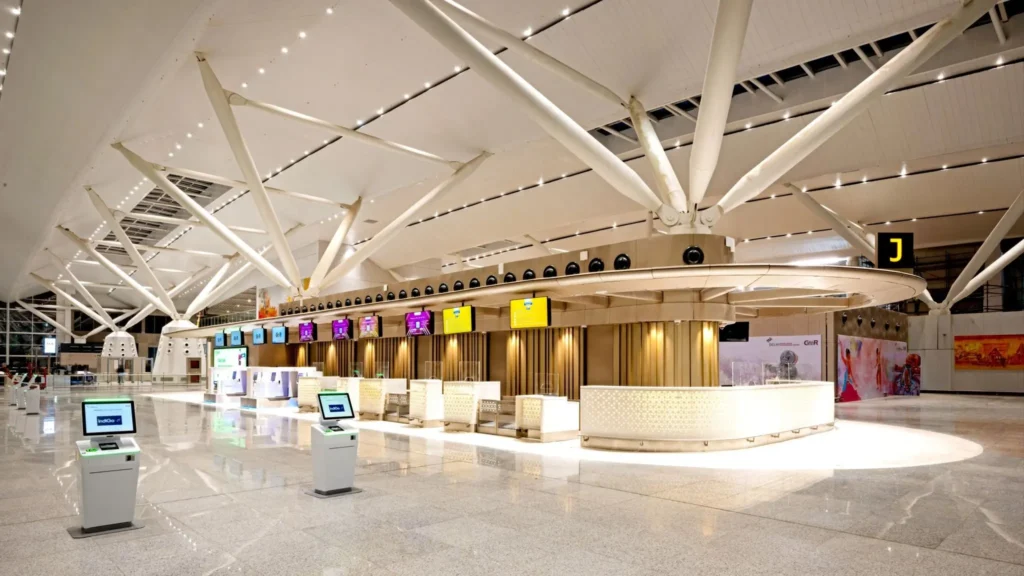
Terminal Capacity and Pier E Development
At present, Delhi Airport operates three passenger terminals.
- Terminal 1 has an annual capacity of 42 million passengers.
- Terminal 2 has a capacity of 14 million passengers.
- Terminal 3 handles up to 50 million passengers annually.
Terminal 3 serves both domestic and international passengers. It currently accommodates approximately 19 million domestic passengers and 31 million international passengers each year.
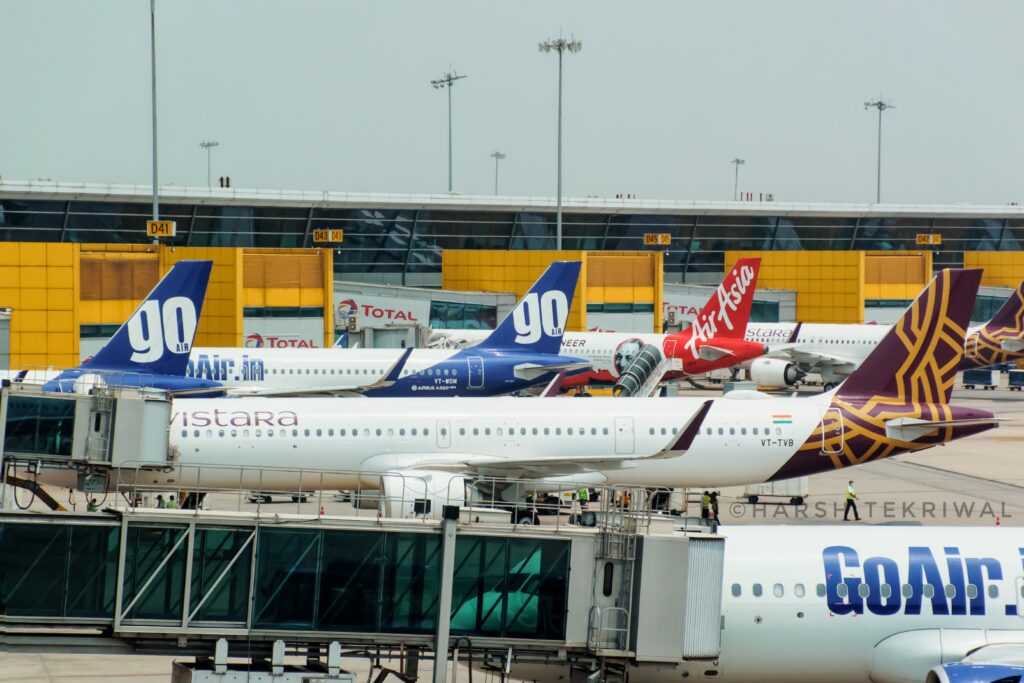
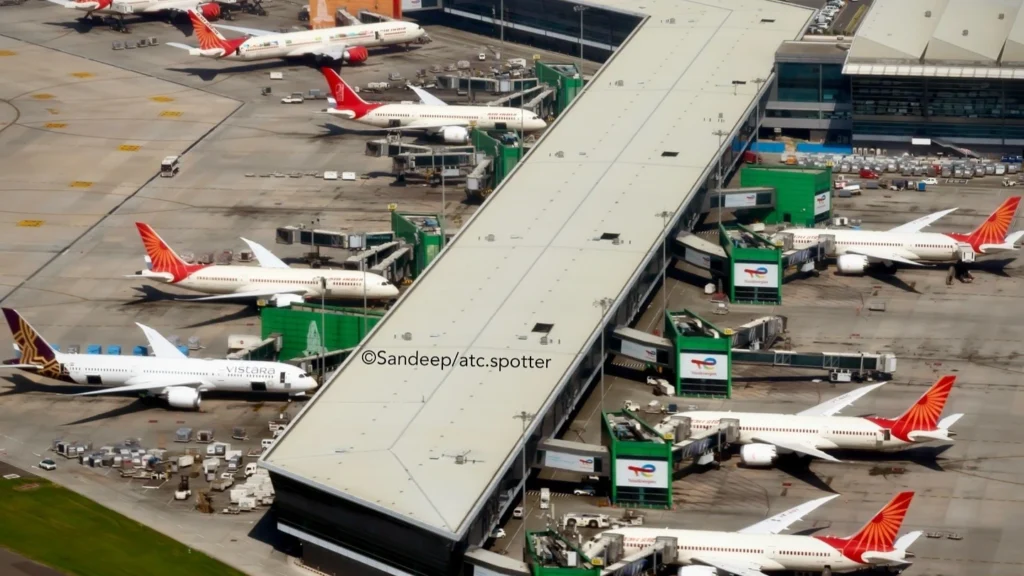
The terminal currently features four passenger piers.
- Pier A and Pier B serve international flights.
- Pier C and Pier D were originally used for domestic operations.
- Pier C has recently been converted to support international operations.
To accommodate future traffic growth, DIAL plans to construct Pier E at Terminal 3 by April 2030. Airport piers connect the main terminal building with aircraft parking positions through aerobridges, allowing passengers to board and disembark more efficiently.
The additional pier is expected to add approximately 10 million passengers of annual handling capacity.
Terminal 4 and Automated People Mover Remain Future Options
Although the master plan focuses primarily on Pier E, it also preserves flexibility for future expansion.
According to the proposal, DIAL will reserve a 7.5-kilometre right of way for an Automated People Mover (APM) system. The automated transport network was originally envisioned as an elevated and partly at-grade system connecting Terminal 1 with the airport’s other terminals, providing faster and more convenient passenger transfers.
However, there is currently no confirmed timeline for construction.
Similarly, no final decision has been taken regarding Terminal 4. Airport officials indicated that if passenger traffic exceeds future projections, Terminal 2 could eventually be redeveloped into a new Terminal 4 to provide additional capacity.
These projects remain under consideration and will depend on long-term traffic growth and operational requirements.
Passenger Traffic Continues to Grow
Delhi Airport continues to experience steady passenger growth.
During July 2026, the airport handled approximately 6 million passengers, representing a 3.7 percent increase compared with the same month last year.
For the financial year 2026-27, passenger traffic reached 26.4 million through the end of July.
The continued increase in passenger volumes supports the need for additional terminal infrastructure and operational capacity over the coming decade.
Importance of the Master Plan
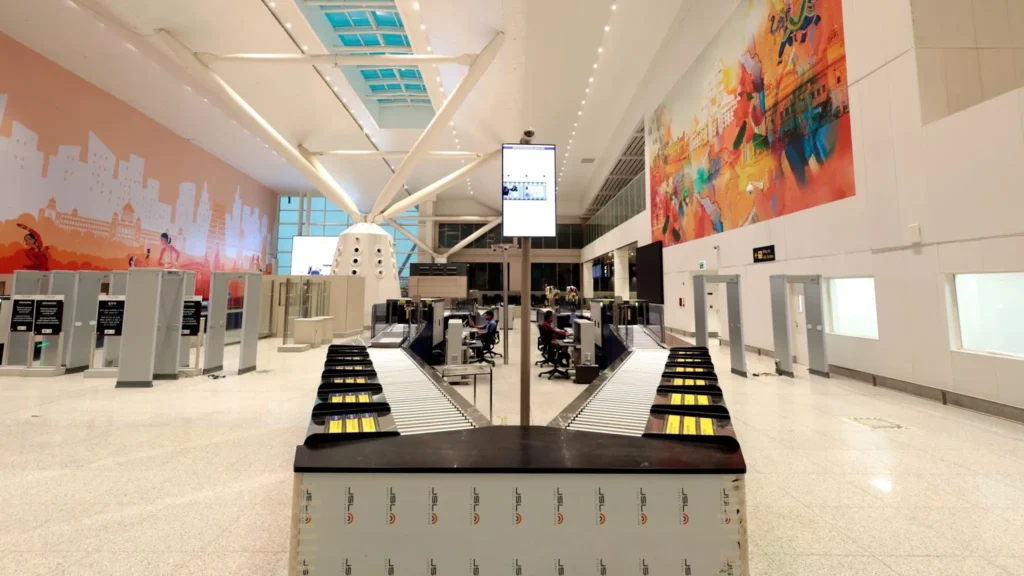
The proposed expansion is intended to ensure Delhi Airport can accommodate growing demand while maintaining efficient passenger movement.
Adding Pier E will expand Terminal 3’s operational capability, particularly for international services. Reserving land for an Automated People Mover and keeping the option of Terminal 4 open also allows DIAL to respond to future passenger growth without requiring major changes to the airport’s long-term development strategy.
Once finalized, the master plan will guide infrastructure investment and capacity expansion at India’s busiest airport through 2036.
Stay tuned with us. Further, follow us on social media for the latest updates.
Join us on Telegram Group for the Latest Aviation Updates. Subsequently, follow us on Google News
