

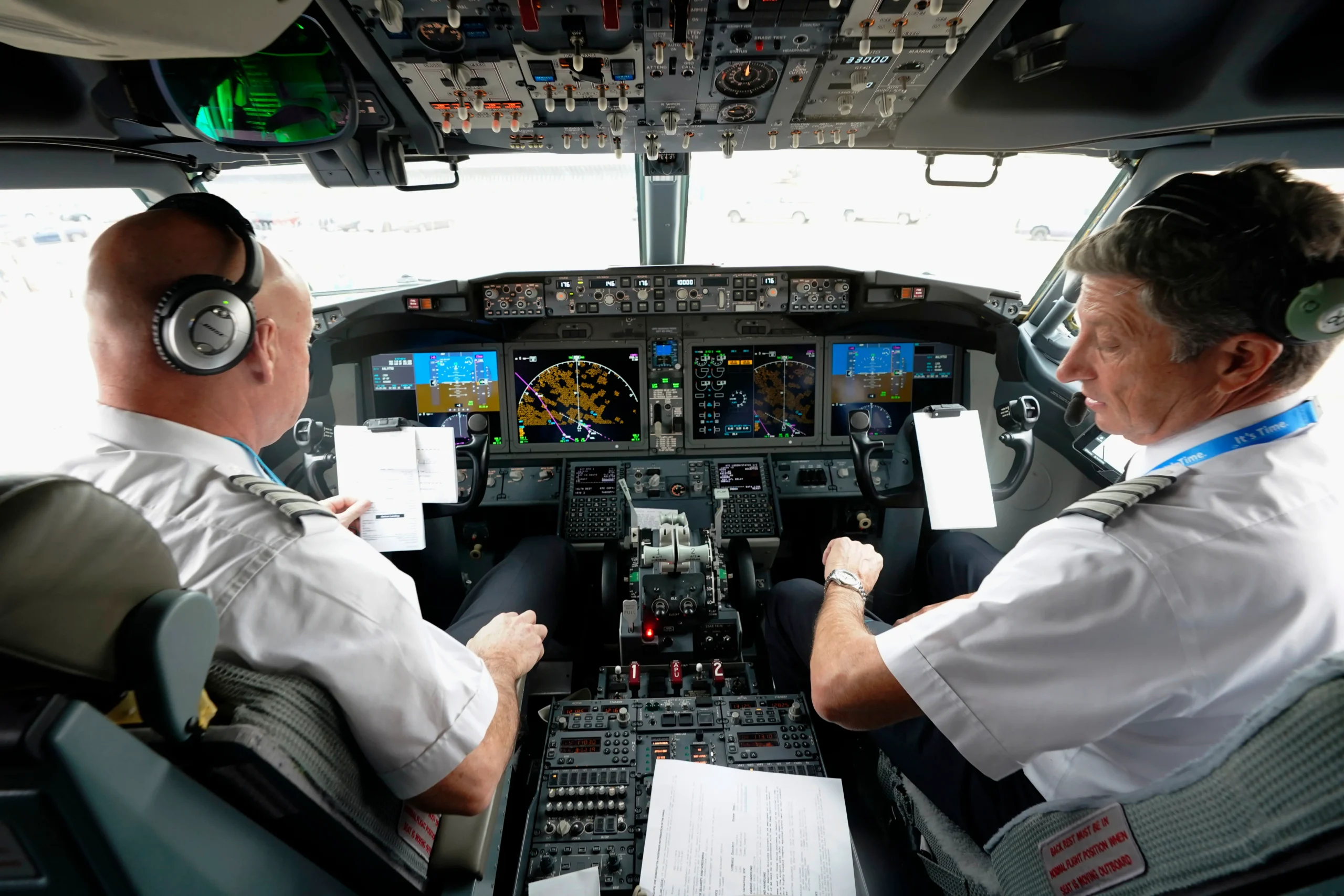
CHICAGO- American Airlines (AA) has reportedly removed access for nearly all employees to an internal read-only boarding tool known as ACE that displayed boarding progress, connecting passenger details, and missed connection data.
Pilots and flight attendants used the system to assist travelers, and several were encouraged to use it during company training shortly before access was withdrawn. The carrier has signaled through management channels that the tool will not return.
Aviation watchdog JonNYC first highlighted the change after receiving reports from multiple employees who relied on the system during daily operations.
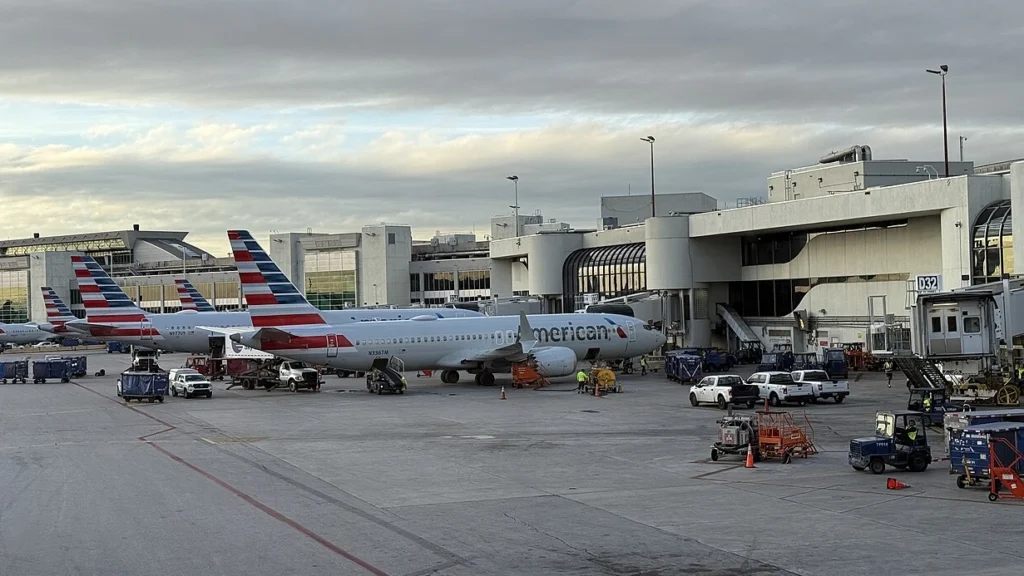
American Airlines Ends ACE Boarding Tool Access
American Airlines has reportedly removed access for nearly all employees to a gate agent boarding tool that combined real-time operational information into a single interface.
The ACE system was read-only for pilots and flight attendants and gave them one place to monitor boarding activity, seat maps, passenger connections, inbound aircraft status, ground time, and arrival gates.
Employees said they could see which passengers had boarded, which held confirmed reservations but had not yet checked in, large connecting groups, and where connecting passengers were arriving from.
The system also displayed seat assignments and the seat locations of elite frequent fliers, helping crews understand customer priorities during irregular operations.
According to View from the Wing, employees familiar with the system said management has indicated the tool will not come back. Crews have noted the contradiction, pointing out that the airline emphasizes Net Promoter Score performance while removing a resource many used to deliver better service.
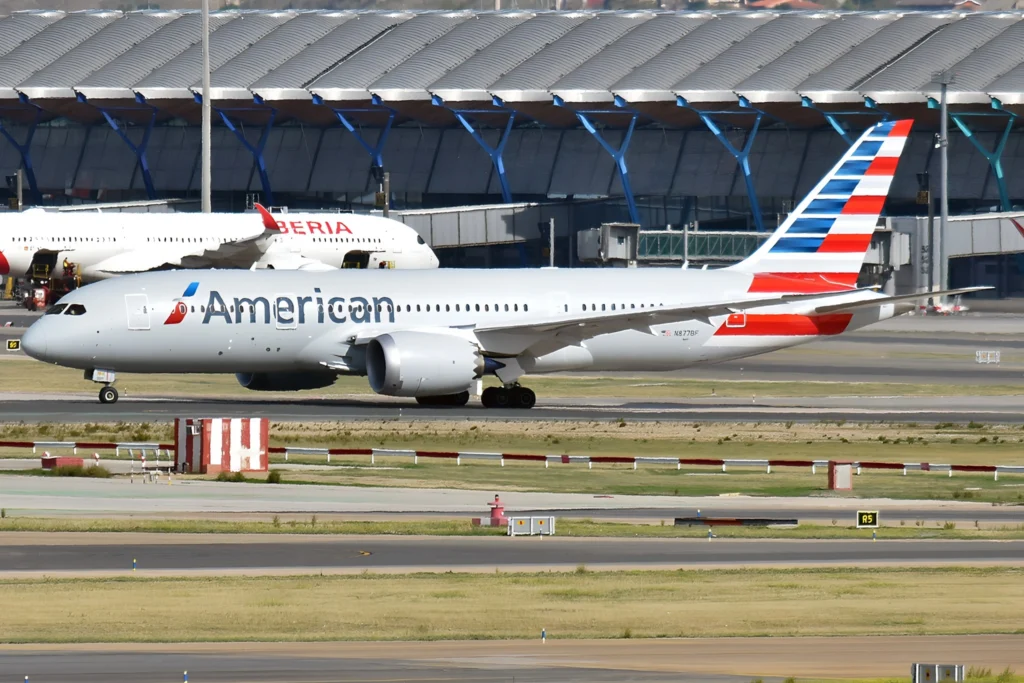
How Pilots Used Information To Help
Several pilots told JonNYC that the system helped them make better operational decisions before departure.
One employee explained that the tool displayed the aircraft seat map alongside which passengers had boarded, while also identifying connecting flights, their arrival status, available ground time, and whether inbound aircraft had reached the gate.
Another pilot said many flight crews routinely checked the system before departure because it helped them take better care of customers, particularly passengers making tight connections. Pilots also noted they were encouraged to use the tool during training before access was later removed.
JonNYC shared comments describing the system as one of the most useful operational tools available, because it combined information now spread across multiple internal platforms.
He added that pilots could make stronger decisions when they knew whether connecting passengers were only a few minutes from reaching the gate.
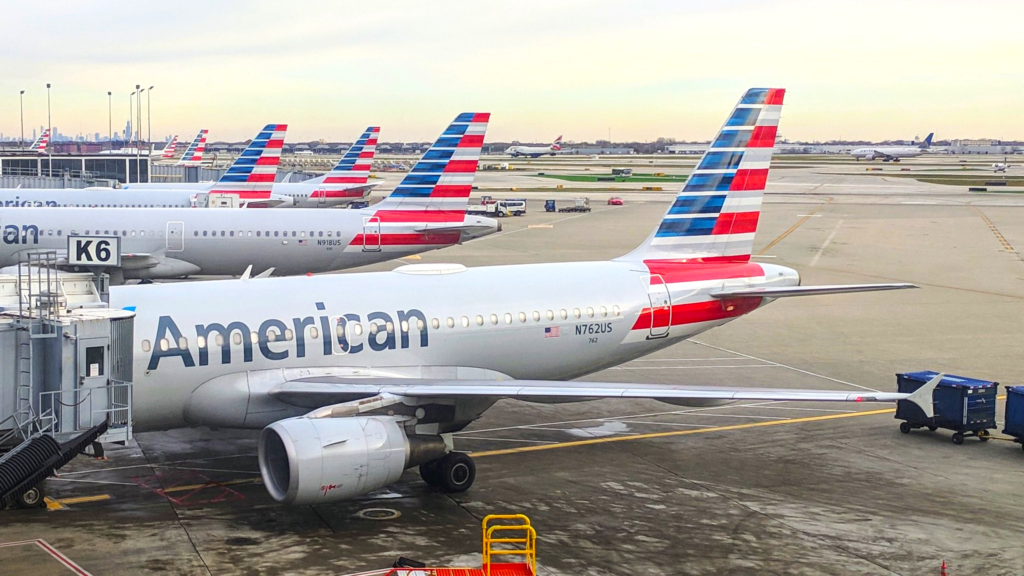
Centralize Departure Decisions
While pilots believed the information helped them understand passenger connections, American Airlines has consistently maintained that departure decisions should remain centralized.
A pilot viewing misconnecting passengers might be tempted to wait a couple of minutes before doors-close, and that is exactly the behavior the airline has discouraged.
The carrier uses an automated system that determines whether a flight should be held for connecting passengers.
It evaluates network-wide factors including downstream delays, passenger connections, gate availability, crew duty limitations, and the overall impact on the schedule.
Crews have previously been instructed not to delay departures on their own. When a Dallas-based captain raised the issue with then-CEO Doug Parker during an employee question and answer session, Parker explained that the Integrated Operations Center holds the complete network picture and can make better decisions than individual crews or gate agents.
He noted that employees may assume time can be recovered in the air or that they are dealing with the final flight of the day, while the operations center may already be managing gate conflicts, downstream connections, and other factors they cannot see.
Parker also said customers benefit most from achieving D0, the airline’s exact on-time departure target, rather than allowing individual employees to decide when flights should wait.
Existing Boarding Policy
American Airlines already allows gate agents limited flexibility under specific circumstances. Agents may hold a door rather than close it when a customer is running toward the gate and remains in the agent’s direct line of sight at 10 minutes before departure.
For the final flight of the day, employees have been permitted to wait until approximately 5 minutes before departure for doors-close when operationally appropriate.
Outside these situations, departures follow strict timelines designed to protect schedule reliability across the network.
How Employees Used Tool For Standby Travel
Employees also used the system while traveling on nonrevenue standby tickets. By monitoring likely missed connections in real time, they could identify flights expected to have open seats after confirmed passengers had been accommodated.
Many viewed this as an efficient use of otherwise empty seats, since nonrevenue travelers board only after all paying customers are seated.
JonNYC noted that some employees believe management may have been concerned about this type of standby planning, though no official explanation has been given for the removal.
Privacy Questions
The system included passenger information alongside operational details, which raised questions about how much was visible to employees.
Those familiar with the system said it displayed customer names and flight information but remained read-only, with sensitive personal data restricted.
JonNYC noted there is some disagreement over exactly how much the system showed. Some employees argue that if privacy concerns existed, restricting access to specific passenger fields would have been a more balanced approach than removing the entire tool.
For now, the operational information remains available, but it is scattered across multiple internal systems, requiring extra steps for crews to assemble the same picture before departure.
Stay tuned with us. Further, follow us on social media for the latest updates.
Join us on Telegram Group for the Latest Aviation Updates. Subsequently, follow us on Google News
