

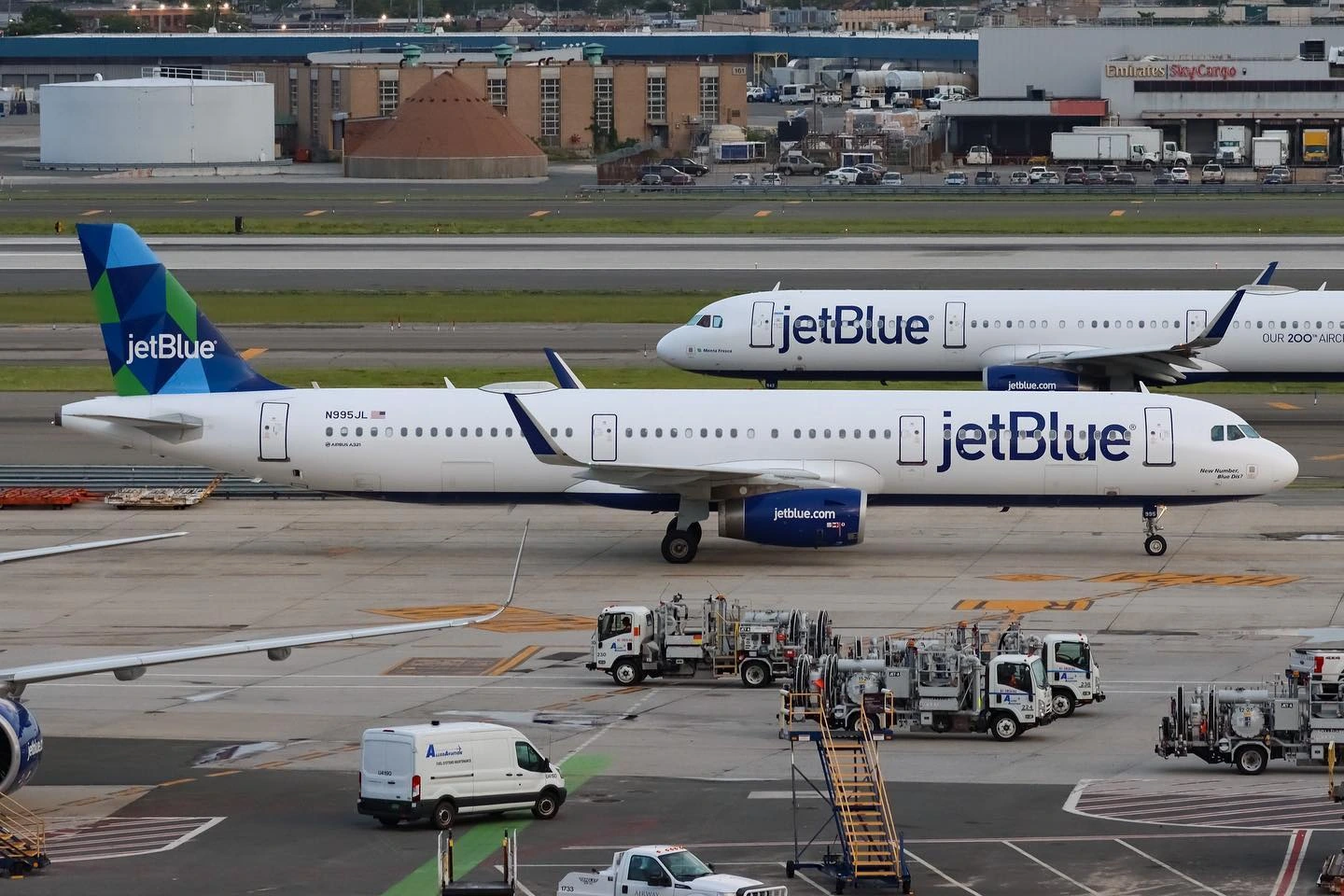
NEW YORK CITY- JetBlue Airways (B6) has cancelled two transatlantic flights between Boston Logan International Airport (BOS) and Barcelona El Prat Airport (BCN) after pilots scheduled to operate the services were delayed while traveling on domestic flights from New York John F. Kennedy International Airport (JFK).
The latest disruptions highlight mounting operational challenges at JetBlue Airways (B6), where weather disruptions, air traffic control delays, crew shortages, and fatigue reports continue to place pressure on the airline’s network, particularly across the busy Northeast corridor.
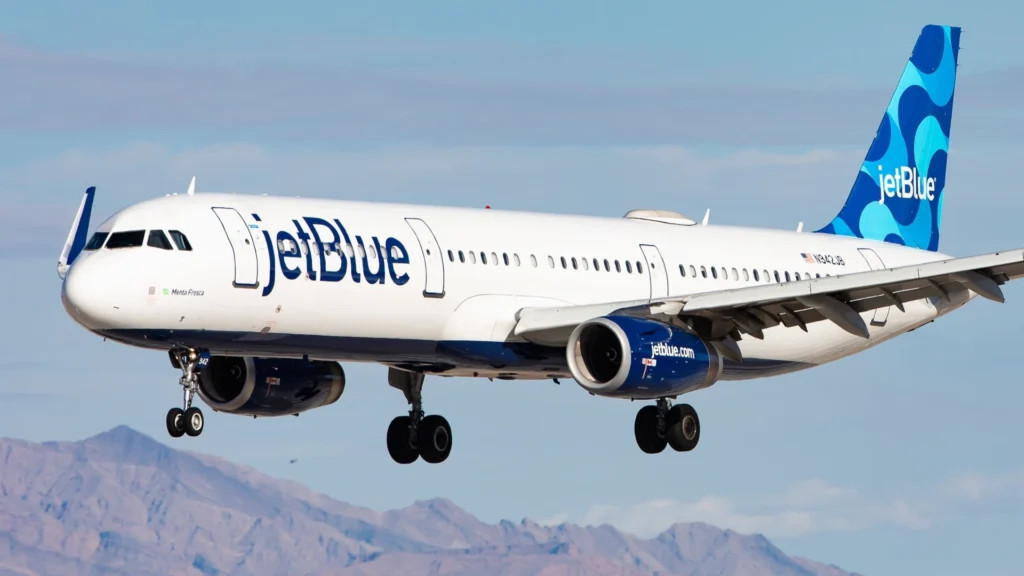
Crew Positioning Delays Hit JetBlue’s Europe Flights
JetBlue’s flagship transatlantic operation has now been affected by operational disruptions that originated far from the international flights themselves.
According to aviation insider JonNYC on X, pilots assigned to operate JetBlue Flight B6 345 from Boston (BOS) to Barcelona (BCN) were scheduled to travel from New York JFK to Boston as passengers before taking control of the aircraft.
This process is known as deadheading, where pilots or flight attendants travel aboard another flight as part of their work assignment. Although they are not actively operating the aircraft during the positioning flight, the time generally counts toward their legal duty limits.
Because the domestic flights carrying these pilots experienced significant delays caused by air traffic control restrictions, the crew arrived too late to legally operate the scheduled overnight flight to Spain.
As a result, JetBlue cancelled Flight B6 345 on August 6. The same route was cancelled again on August 8 for the identical reason after another delayed crew positioning flight prevented the pilots from remaining within federally permitted flight duty limits.
According to PYOK, the repeated cancellations demonstrate how delays on short domestic sectors can cascade into major disruptions across long-haul international operations.
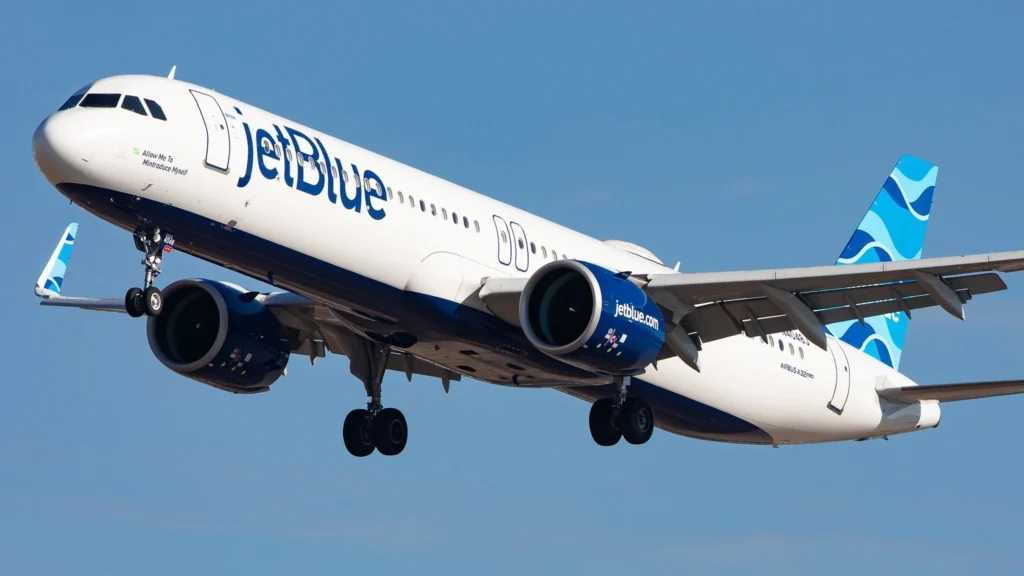
Why Replacement Pilots Were Not Available
Finding substitute pilots for transatlantic services is considerably more difficult than replacing crews on domestic routes.
Pilots operating flights between North America and Europe require a specialized Atlantic European qualification, which includes training on oceanic air traffic control procedures and operations in areas without continuous radar coverage.
Because only a limited number of JetBlue pilots hold these qualifications, the airline reportedly had very few reserve pilots available in Boston who could immediately replace the delayed crews.
This shortage significantly reduced operational flexibility and left the airline with little choice but to cancel the scheduled departures.
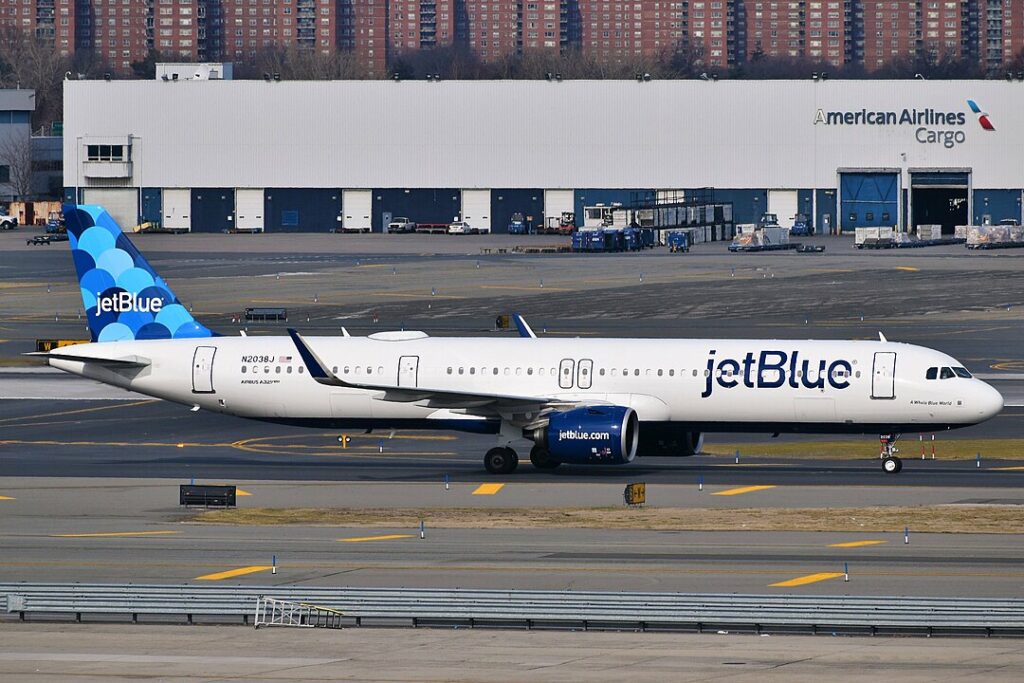
Fatigue Reports Continue to Pressure Operations
The operational challenges extend beyond crew positioning delays.
The same source claimed that a recent JetBlue flight between Boston (BOS) and Paris Charles de Gaulle Airport (CDG) departed more than four hours behind schedule, eventually leaving after 1:00 a.m. on August 10 because numerous crew members reportedly called in fatigued.
Fatigue has become an increasing concern across the airline after weeks of repeated weather disruptions and extended duty periods.
Long delays, irregular operations, and frequent schedule changes can significantly increase crew workloads, even when airlines remain within regulatory flight time limitations.
JetBlue has not immediately responded to requests for comment regarding the reported incidents.
Weather and Air Traffic Control Continue to Disrupt the Network
JetBlue has spent much of the summer managing operational pressures across its Northeast hubs.
The airline has reportedly maintained a Level 2 operational alert for an extended period as repeated thunderstorms, congested airspace, and air traffic control restrictions have slowed operations.
While adverse weather has affected many U.S. airlines during the peak travel season, industry observers note that JetBlue’s recovery from disruption has remained particularly challenging because of its network concentration in heavily congested airports such as New York JFK and Boston (BOS).
Federal Aviation Administration traffic advisories have continued to show substantial ground delays at JFK due to thunderstorms, further complicating recovery efforts.
JetBlue Offers Incentives to Boost Staffing
To improve operational reliability, JetBlue has introduced financial incentives for flight attendants willing to work additional assignments.
The airline has offered bonuses worth up to $4,000 for crew members who accept a significant amount of flying during their scheduled days off.
In addition, JetBlue introduced an August incentive program allowing flight attendants to earn between 2,000 and 4,000 Crewbucks, the airline’s internal rewards currency.
Crewbucks can be redeemed for confirmed flights or converted into cash, making the highest reward equivalent to approximately $4,000.
However, insiders reportedly believe that reaching the maximum bonus would require an exceptionally demanding workload that many crew members may find difficult to achieve.
With weather disruptions continuing across the Northeast and fatigue reports remaining elevated, JetBlue’s operational recovery is expected to remain under pressure unless network conditions improve.
Stay tuned with us. Further, follow us on social media for the latest updates.
Join us on Telegram Group for the Latest Aviation Updates. Subsequently, follow us on Google News
