

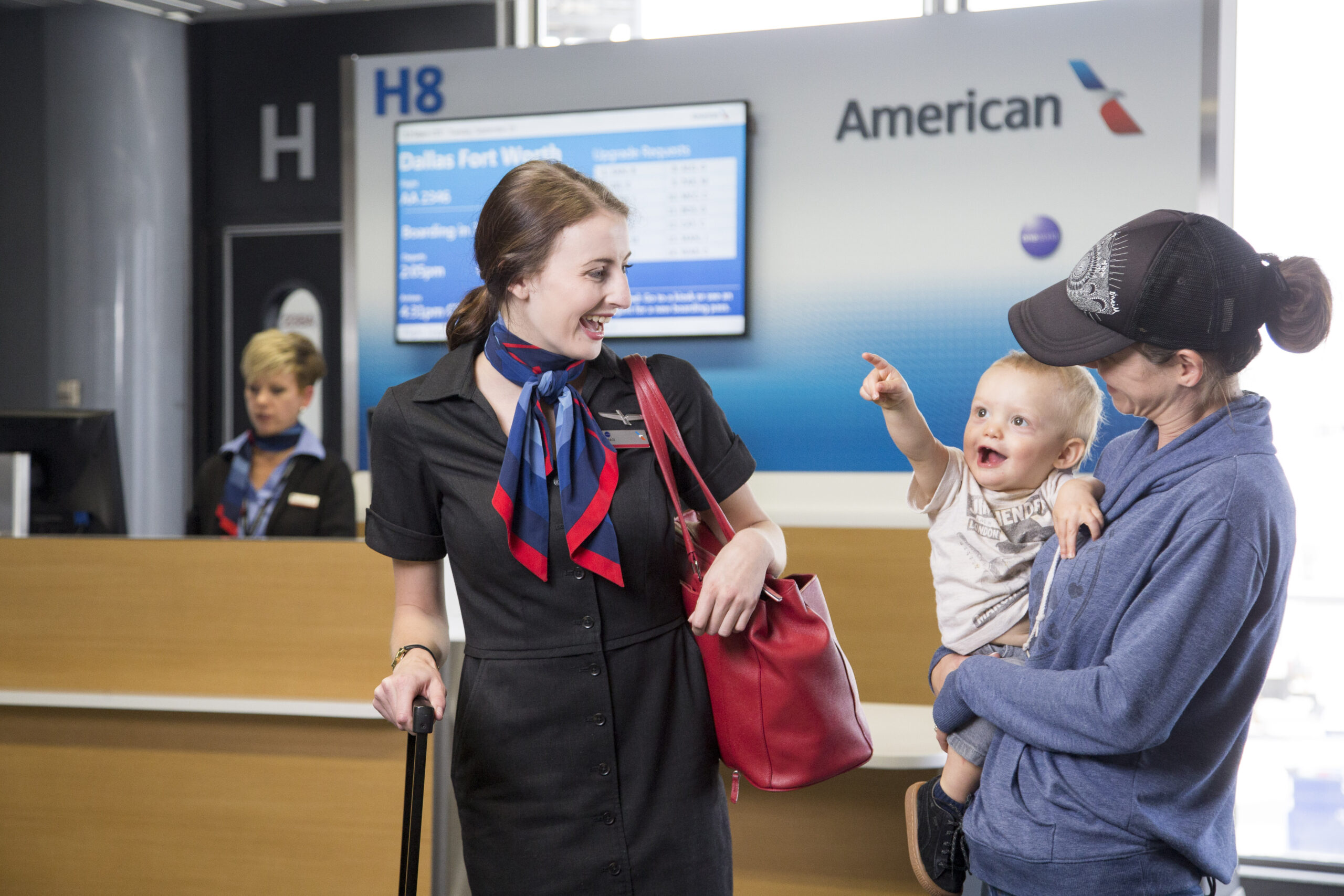
FORT WORTH- American Airlines (AA) faced sharp criticism after severe thunderstorms exposed deep cuts to customer service staffing at Ronald Reagan Washington National Airport (DCA) on Friday.
The carrier led the world in cancellations that day, leaving stranded passengers with little in-person support at one of its busiest hubs.
The storms swept across the Mid-Atlantic and combined with FAA air traffic slowdowns and weather in Dallas to ground a large share of flights.
Regional partner PSA Airlines (OH) cancelled nearly a third of its schedule, while United Airlines (UA) was cited as a contrast for keeping agents reachable when disruptions strike.
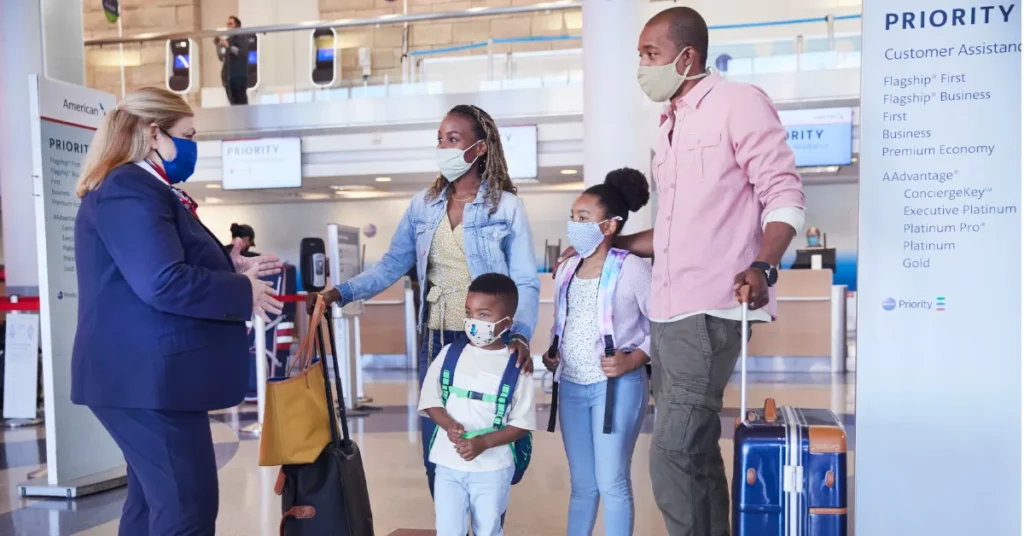
American Airlines Customer Service QR Codes
Friday’s weather hit Washington National hard. Severe thunderstorms and FAA slowdowns forced the cancellation of 34% of flights at the airport, while another 39% ran late. American felt the impact across its network.
The airline cancelled 9% of its total operation and delayed 36% of its mainline flights, the worst cancellation rate of any carrier in the world that day. Its regional arm fared even worse, with PSA Airlines scrapping 31% of its flights.
Washington National serves as an American hub, yet the airline was not equipped to manage disruptions of this scale.
The problem was largely self-inflicted, because American no longer staffs its customer service counters to handle delayed and cancelled passengers in normal conditions.
American has shut down the staffed customer service counters at its Washington National hub. The airline now offers live agent assistance only during major irregular operations events, and it expects passengers to rebook through its mobile app or by phone the rest of the time.
Employees do appear during large-scale events like Fridays, but there are too few of them, and they are not accustomed to doing that work.
One traveler reported being told the airline’s policy is “to not have customer service,” and noted that staff posing as agents only turned up roughly 24 hours later.
According to View from the Wing, that messaging is broadly accurate even if poorly delivered, since the counters are simply no longer staffed for routine disruption handling.
The gap clashes with American’s stated direction. Even as the airline pursues a premium strategy aimed at higher-spending customers, it continues to trim costs and reduce service. The shortfall also undercuts its long-running focus on on-time departures.
Stranded passengers head to gate agents for help, which pulls those agents away from boarding and can delay the very flights the airline wants to push out on time. Gate agents then turn passengers away, damaging the customer experience American is funding elsewhere.
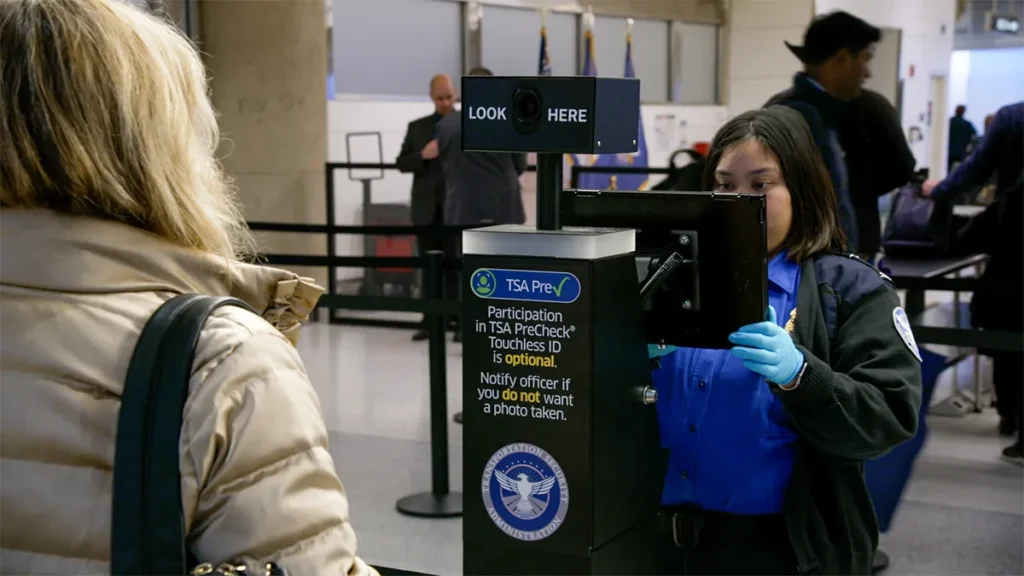
Years of Staffing Reductions
The Friday breakdown reflects a longer pattern. American has spent years reducing staffing across its operations. The airline cut the number of agents at each gate, and domestic flights that are no more than 80% full now receive a single employee.
That solo staffer must board the aircraft, handle customer service tasks such as seat changes, and watch for passengers who are too drunk to fly or carrying too many bags.
American has also automated work that agents once did by hand, clearing upgrades and standby lists through a program called AgentAssist. The combined effect is simple. When a flight cancels, or a passenger misconnects, travelers on American must now rely far more on self-service.
Industry observers note that artificial intelligence will eventually handle most customer service, but that point has not arrived, and passengers still need live agents.
United takes a different approach, giving travelers virtual access to agents and deploying staff more efficiently rather than stationing large teams at every hub each day.
How Passengers Can Get Help During Disruptions
Travelers facing mass cancellations have several tools at their disposal, and using them together works best.
Rebooking can sometimes be done in the mobile app, though it may not show every option. Passengers can often confirm themselves onto a workable flight directly. Those with lounge access can seek help inside the club rather than waiting in a long line.
Social media direct messages are another route, and many travelers message American while in the air when calling is not possible.
Phone support can be faster than a physical queue, especially for elite-status passengers whose calls are answered sooner. Foreign call centers offer a workaround as well. Those calls are not free, but an internet calling app can reach English-language lines abroad at low cost, with American, United Kingdom, and Australian numbers among the most useful.
Help is also available at the gate or back at the ticket counter, where staff outside the main customer service line can assist when conditions are severe.
The strongest tactic is to combine these channels. A passenger can stand in line while working the phone and social media at the same time, advancing in the queue as a backup while a faster fix may arrive first. Knowing the exact flight wanted also speeds things up.
Tools like ExpertFlyer or a simple search on the airline website, done as if buying a new ticket, reveal seats with availability. If the airline can sell a seat, it can usually rebook a passenger onto it.
Availability shifts constantly during major disruptions, since every passenger is competing for the same seats. Refreshing results often helps. Starting a call even before a preferred option appears can pay off, because better choices may open up by the time an agent answers. After a rebooking, continued searching can still improve the itinerary.
Treat the Agent Well, and Ask More Than Once
A final point matters as much as any tool. The traveler may be having a bad day, and the disruption might even be the airline’s fault, but it is rarely the fault of the person trying to help.
Agents deal only with frustrated passengers, so they are having a hard day too. Their employer also gives them no reward for going out of their way, yet they can make a real difference in how fast a passenger reaches their destination.
Getting them on side is the goal. Joke with them, ask how they are doing, and treat them like a person, because that is what they are, and they become more willing to help. Persistence matters just as much.
Some agents bend rules while others withhold what a passenger is owed, so it pays to ask for the same thing at least three times from different people. Expect to be told no at least three times before accepting that as the final answer.
Stay tuned with us. Further, follow us on social media for the latest updates.
Join us on Telegram Group for the Latest Aviation Updates. Subsequently, follow us on Google News
