


BRISBANE- Virgin Australia (VA) has confirmed that it expects to receive its first Boeing 737 MAX 10 aircraft in late 2027, providing the clearest indication yet of when the carrier plans to introduce Boeing’s largest narrowbody jet into commercial service.
Sydney Airport (SYD) and other major Australian gateways could benefit from the aircraft’s higher passenger capacity as Virgin Australia expands its domestic and short-haul international operations. The airline currently holds ten firm orders for the Boeing 737 MAX 10, which is expected to play a key role in its future fleet growth strategy.
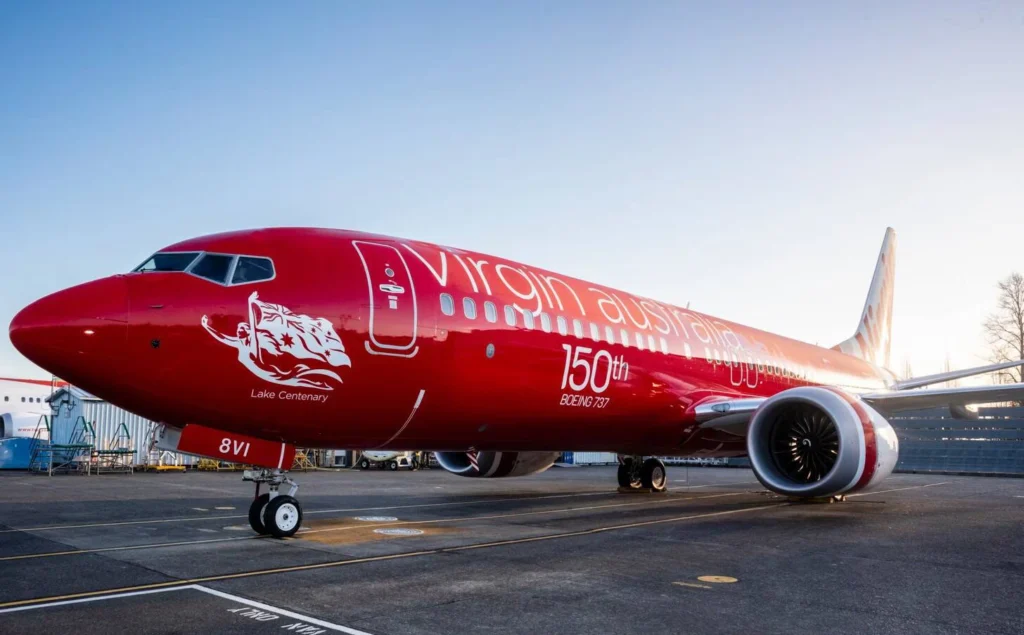
Virgin Australia First 737 MAX 10
Virgin Australia has outlined a late-2027 target for the arrival of its first Boeing 737 MAX 10, marking an important step in the airline’s long-term fleet renewal program.
The aircraft is expected to support network growth while offering greater capacity and improved operating economics across high-demand routes.
The Boeing 737 MAX 10 remains the final member of the 737 MAX family yet to enter airline service.
Once certified and delivered, the aircraft will provide Virgin Australia with increased seating capacity, improved fuel efficiency, lower operating costs, and operational commonality with its existing Boeing 737 fleet.
According to Simple Flying, the confirmation offers the strongest indication so far of Virgin Australia’s expected timeline for introducing the aircraft into commercial operations.
The Boeing 737 MAX 10 is the longest aircraft in the 737 family, measuring 143 feet 8 inches (43.8 meters) in length. The aircraft features a wingspan of 117 feet 10 inches (35.9 meters) and stands 41 feet 8 inches (12.7 meters) tall.
The aircraft can accommodate up to 230 passengers in a high-density configuration, although most airlines install fewer seats based on cabin layouts and route requirements.
Power comes from two CFM International LEAP-1B engines, each capable of producing up to 29,300 pounds of thrust (130 kN). The aircraft has a maximum takeoff weight of 194,700 pounds (88,315 kilograms) and a range of approximately 3,300 nautical miles (6,110 kilometers).
These capabilities allow the MAX 10 to operate a wide range of domestic and regional international services while delivering improved efficiency compared with previous-generation Boeing 737 aircraft.
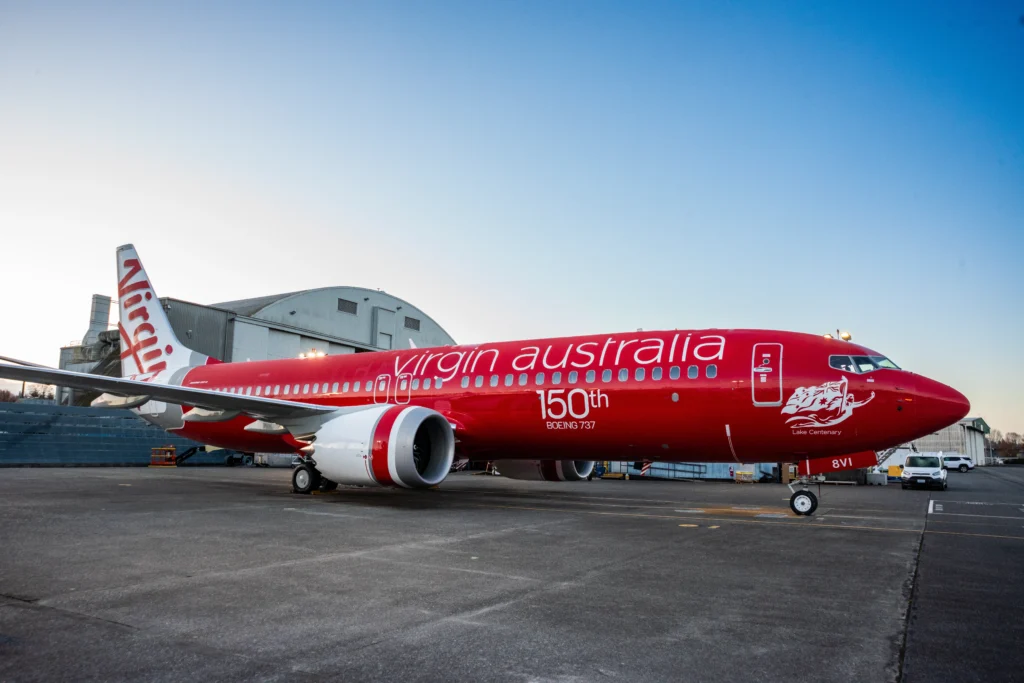
Additional Capacity and Improved Economics
For Virgin Australia, the Boeing 737 MAX 10 offers a significant capacity increase over many aircraft currently operating within its narrowbody fleet.
The additional seats are expected to improve route economics on high-demand services while enabling the airline to maximize operations at slot-constrained airports.
The larger aircraft will provide greater flexibility when matching capacity with passenger demand, allowing Virgin Australia to transport more travelers without significantly increasing flight frequencies.
Once introduced, the MAX 10 will become the largest narrowbody aircraft in the airline’s fleet, strengthening its ability to support future growth across domestic and regional markets.
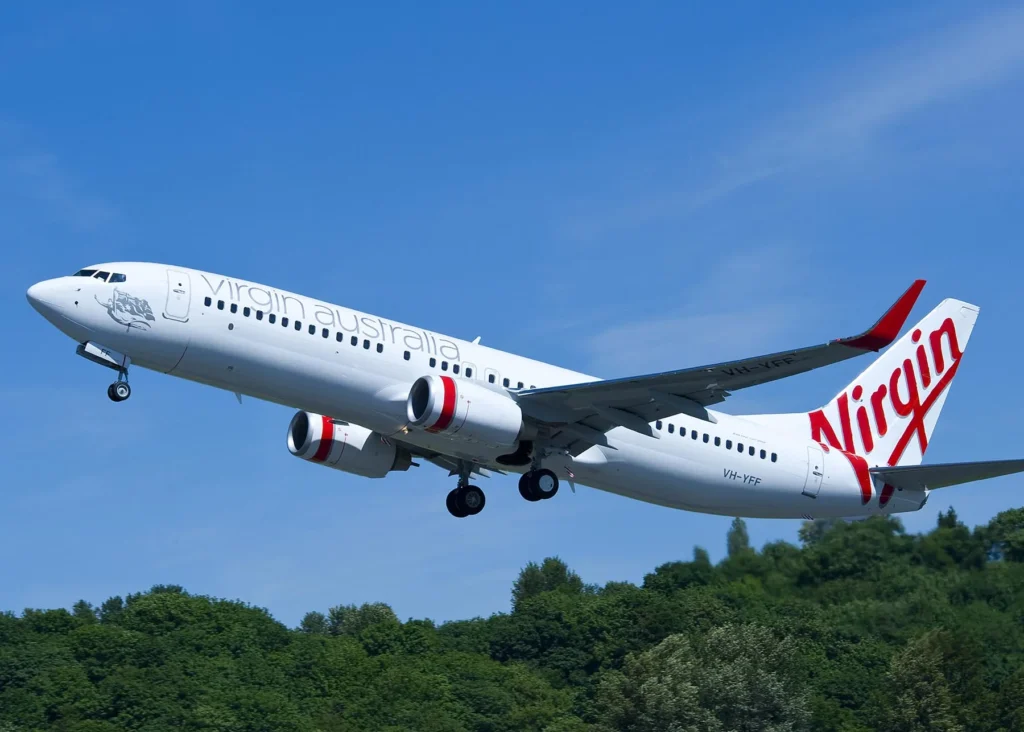
Certification Remains Final Hurdle
Despite being launched several years ago, the Boeing 737 MAX 10 has not yet received certification from the United States Federal Aviation Administration (FAA). Boeing continues to conduct extensive flight testing, engineering reviews, and validation work as part of the certification process.
Regulatory oversight of new aircraft programs has become more rigorous in recent years, resulting in longer approval timelines across the industry. The enhanced scrutiny has extended certification schedules for several aircraft developments, including the MAX 10.
The delayed certification has created challenges for airlines that selected the aircraft as part of their fleet renewal strategies. Several carriers have adjusted growth plans, revised delivery schedules, and retained older aircraft longer than originally planned while waiting for the aircraft to receive final approval.
Virgin Australia’s expectation of a late 2027 delivery reflects the current industry outlook. However, the timeline remains dependent on Boeing completing certification and securing all necessary regulatory approvals before deliveries can begin.
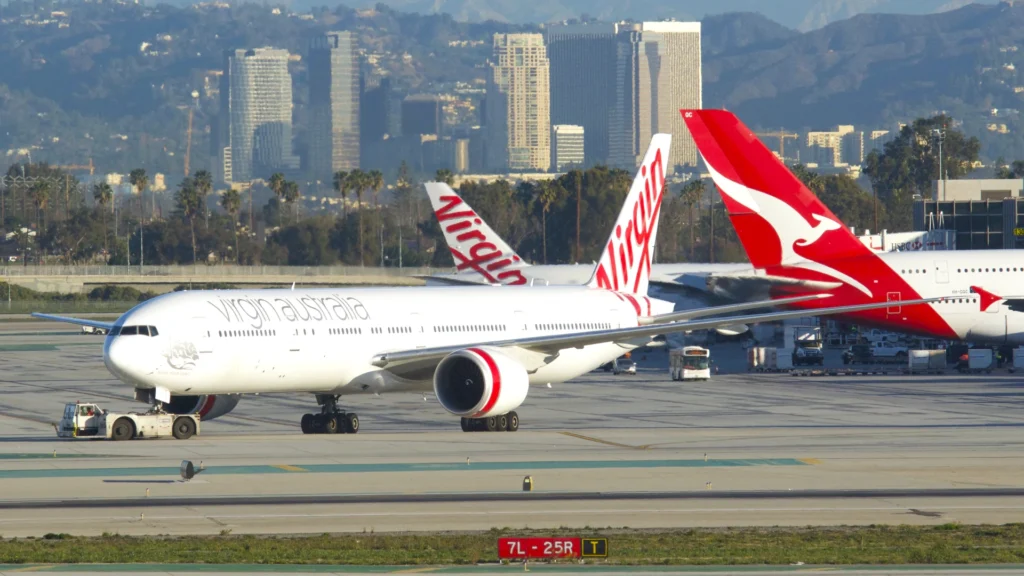
Important Aircraft for Boeing
The Boeing 737 MAX 10 represents a strategically important product for Boeing in the highly competitive narrowbody aircraft market. Airlines continue to seek greater passenger capacity while maintaining the efficiency and flexibility associated with single-aisle aircraft.
As the largest variant in the MAX family, the aircraft allows airlines to add more seats without moving to larger widebody aircraft. This capability makes the MAX 10 an important offering in Boeing’s efforts to compete within the global narrowbody market segment.
The aircraft’s certification and entry into service are therefore significant not only for airline customers but also for Boeing’s broader commercial aviation strategy.
Virgin Australia’s Fleet Renewal Strategy
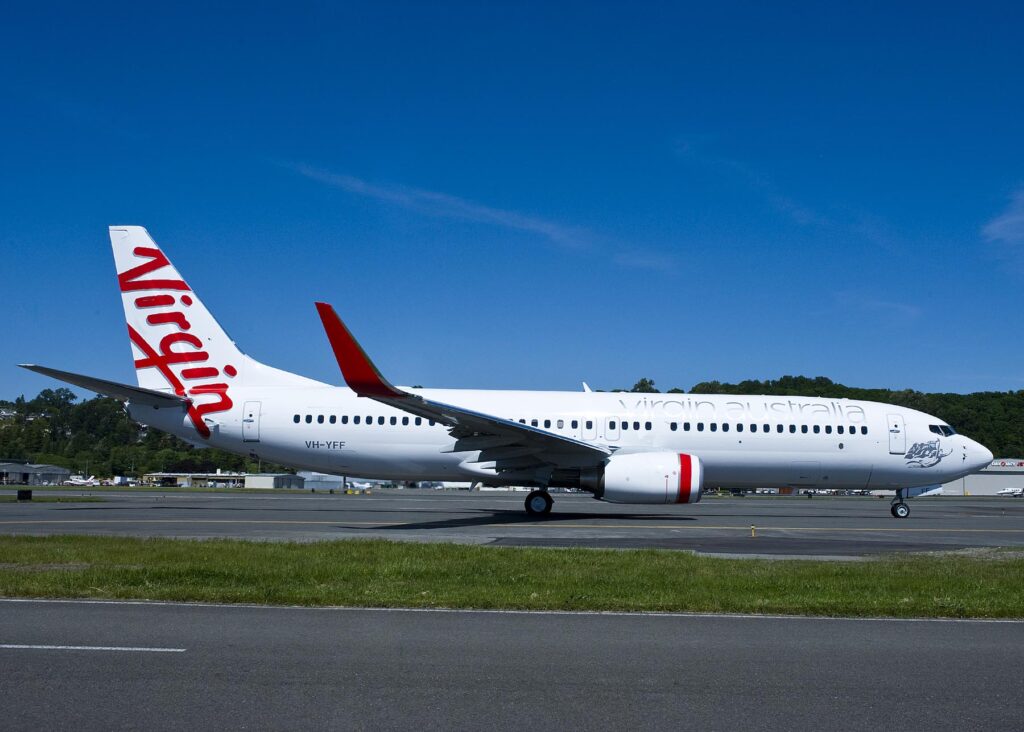
The MAX 10 will form the next phase of Virgin Australia’s fleet modernization efforts. The airline is already expanding its Boeing 737 MAX operations through deliveries of the smaller Boeing 737 MAX 8.
According to Boeing, the 737 MAX family delivers approximately 20 percent lower fuel consumption and carbon emissions compared with the aircraft it replaces. The aircraft family also features larger overhead storage bins, quieter cabins, advanced flight deck technology, and improved aerodynamic performance through Boeing’s Advanced Technology winglets.
Virgin Australia Chief Executive Officer Dave Emerson highlighted the importance of fleet renewal, stating:
“Fleet renewal is the single biggest lever we have to reduce emissions in the near term, and the 737-10 will build on the benefits we are already seeing from the 737-8.”
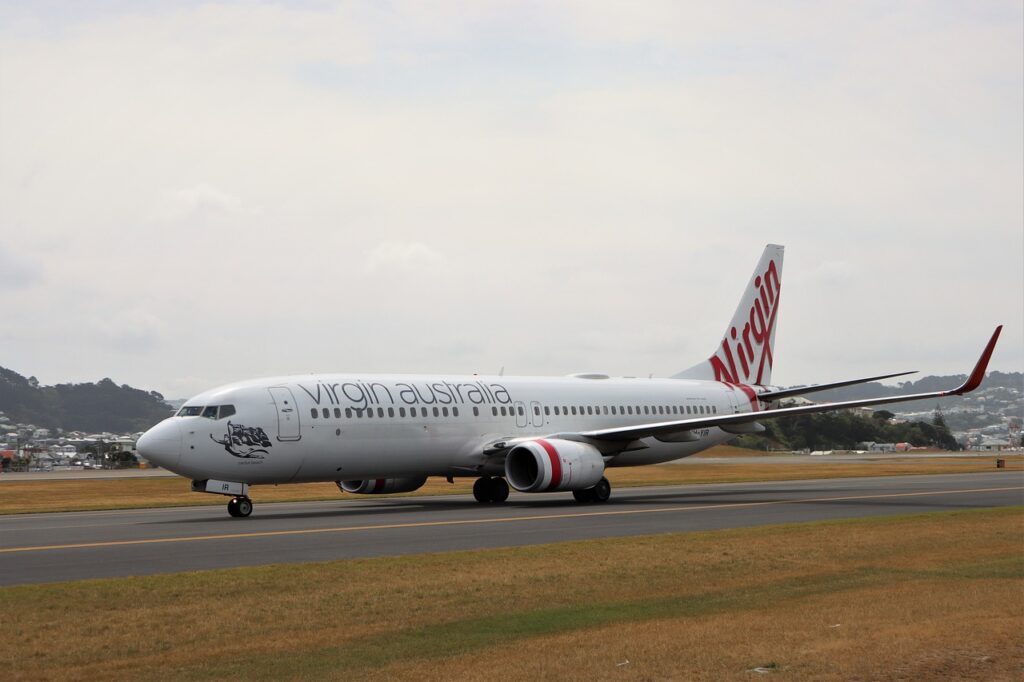
Combined with the growing Boeing 737 MAX 8 fleet, the MAX 10 is expected to improve operational efficiency, support sustainability goals, and provide additional capacity for the airline’s long-term growth ambitions.
Bottom Line
Virgin Australia’s planned introduction of the Boeing 737 MAX 10 in late 2027 represents a significant milestone in its fleet renewal strategy.
While certification remains the final obstacle, the aircraft is expected to deliver higher capacity, improved fuel efficiency, lower emissions, and stronger operating economics.
If current timelines remain on track, the MAX 10 will become a key asset in supporting Virgin Australia’s future growth across domestic and regional markets.
Stay tuned with us. Further, follow us on social media for the latest updates.
Join us on Telegram Group for the Latest Aviation Updates. Subsequently, follow us on Google News
