

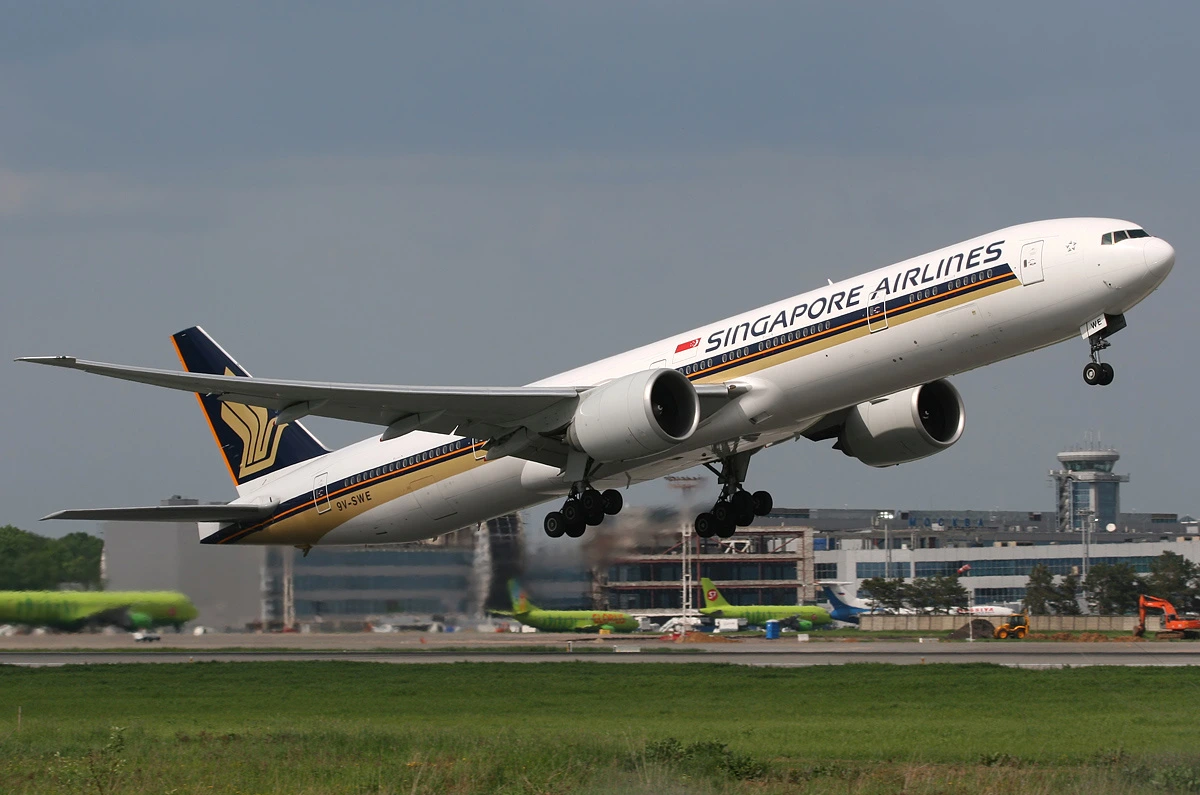
SINGAPORE— Singapore Airlines (SQ) has deployed more than 160 artificial intelligence applications across its operations as the carrier expands its digital transformation programme and seeks to become the world’s leading “digital airline.”
The airline has identified more than 550 potential generative AI use cases, with applications already supporting customers, employees and operational teams.
Singapore (SIN) has become a key base for the carrier’s technology programme, which began in 2018 when Chief Executive Officer Goh Choon Phong identified AI as a strategic priority.
SIA subsequently established a CEO-chaired committee and developed an AI blueprint covering business value and the future of work.
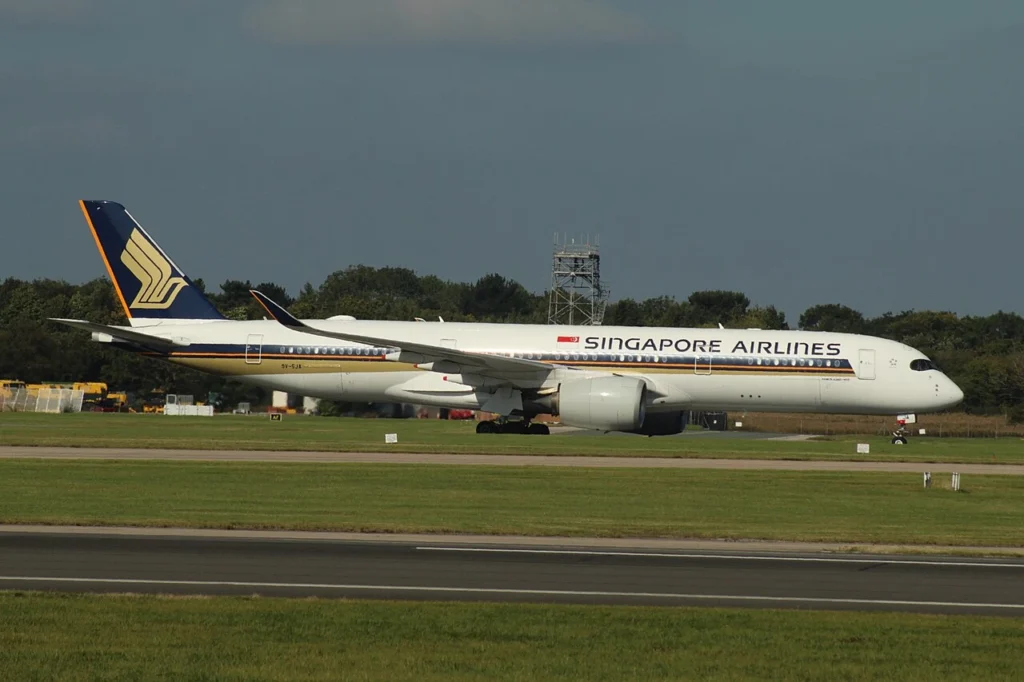
AI Improves Singapore Airlines Customer Service
SIA is already reporting measurable improvements from several AI deployments. Its Kris customer-facing chatbot, which was integrated with a large language model and relaunched in July 2025, has nearly doubled its customer satisfaction score.
The airline also uses AI to recommend flights through its website and mobile app. The feature allows customers to describe their travel needs through a simple prompt and can reduce the time required to find suitable flights by as much as 30 minutes.
Behind the scenes, SIA has connected its customer insights portal with DataIQ, its AI-powered analytics platform.
The system analyses large volumes of customer feedback, while generative AI tools can summarise case histories and prepare draft responses for customer-service agents, helping reduce resolution times and improve consistency.
EDITOR’S NOTE: To get the latest and timely Aviation and News Update, make us your Preferred Source.
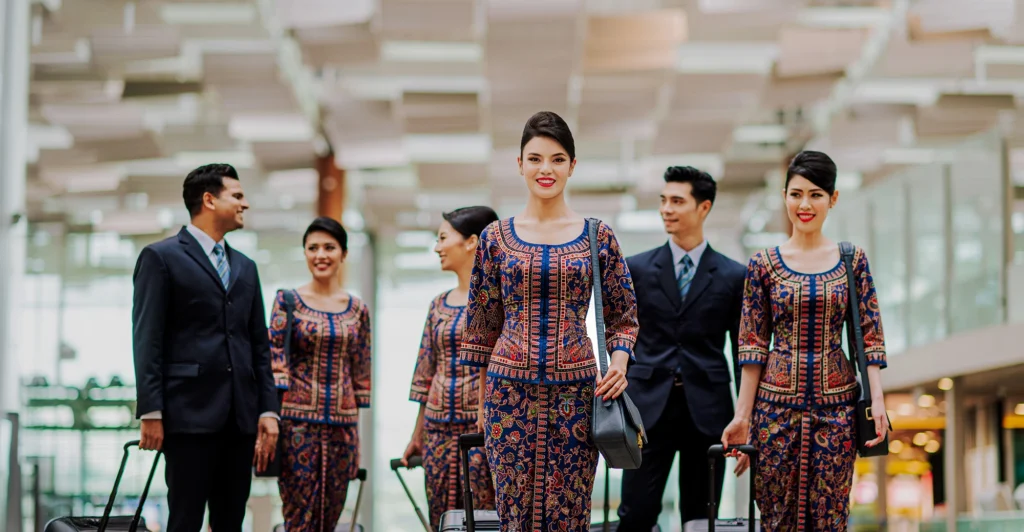
AI Supports Crew Operations
AI is also being used to manage the complex scheduling requirements of SIA’s workforce. The technology helps assign flights, arrange training, account for crew rest periods, and consider regulatory and operational requirements.
According to the airline, AI-assisted crew scheduling saves the equivalent of around 30 man-hours of operations work each day. The reduction in manual tasks allows employees to focus on more strategic responsibilities.
SIA has also recorded strong internal adoption of generative AI. Its Jarvis platform, introduced in 2024, allows employees to create customised AI workflows without coding.
The tool has reached a 95% penetration rate among ground staff, while average monthly active usage remains above 60%. Employees have created about 1,500 AI agents without requiring technical coding skills, Business Times reported.

SIA Expands AI Research
SIA is combining its internal AI programme with longer-term research partnerships. The SIA-NUS Digital Aviation Corporate Laboratory, launched with the National University of Singapore, focuses on areas including artificial intelligence, machine learning, data science, optimisation, cabin comfort and workforce productivity.
The airline also works with A*STAR on predictive maintenance. AI-based systems can identify potential aircraft problems before failures occur, allowing maintenance teams to intervene earlier and reduce aircraft downtime.
SIA’s digital strategy extends beyond immediate operational gains. During the COVID-19 pandemic, when passenger numbers fell 97.5%, the airline accelerated its digitalisation efforts and continued developing technologies intended to improve passenger comfort, safety and operational efficiency.
Wang said AI is intended to support and augment employees rather than replace them. However, he acknowledged that the technology will change how people work, making continuous learning and practical AI adoption increasingly important across the airline.
Stay tuned with us. Further, follow us on social media for the latest updates.
Join us on Telegram Group for the Latest Aviation Updates. Subsequently, follow us on Google News
