

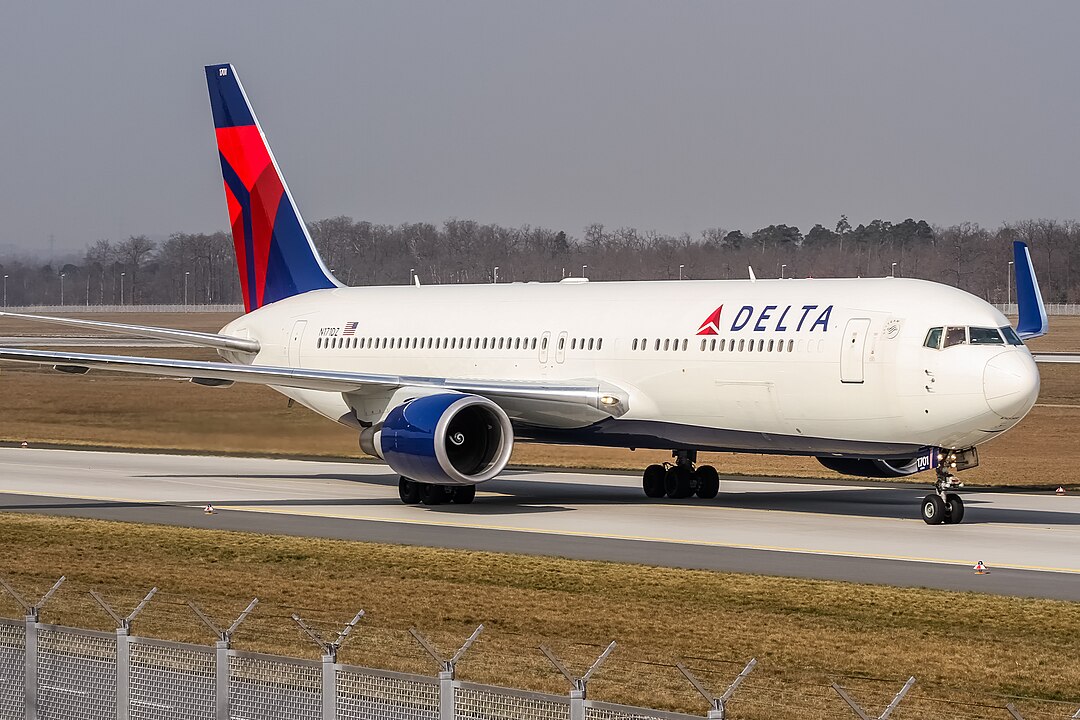
NEW YORK- A Delta Air Lines (DL) transatlantic service bound for Atlanta made an unscheduled diversion to New York John F. Kennedy International Airport (JFK) on Tuesday afternoon after a lavatory and waste system fault rendered part of the cabin unusable.
Delta flight DL83, a scheduled passenger service from Paris Charles de Gaulle (CDG) to Hartsfield-Jackson Atlanta International Airport (ATL), departed France at 11:32 AM CEST. The flight was operated by a 24.2-year-old Boeing 767-400ER registered N844MH.
After roughly seven hours airborne and nearing the end of its oceanic crossing, the crew elected to divert the widebody to New York (JFK), where it landed safely before continuing to Atlanta later in the day.
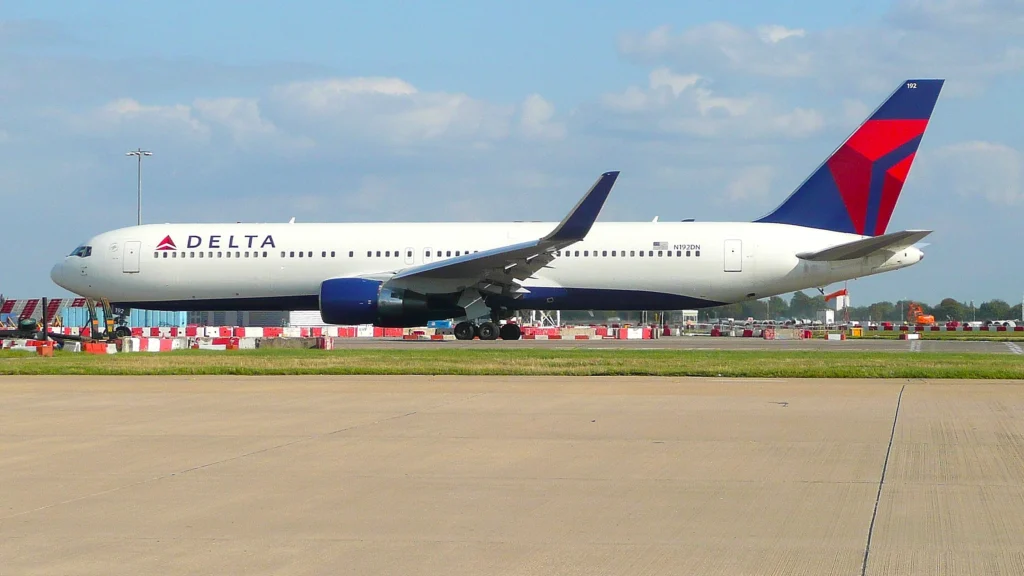
Delta 767 Diverts to New York
The aircraft, ICAO hex AB8FD0, had operated the inbound DL98 from Cincinnati (CVG) to Paris (CDG) earlier that day before turning around as DL83.
ACARS message logs seen by Aviation A2Z from the flight point to a single cause for the diversion: a failed lavatory and waste system. A medical event and a satellite communications glitch also appear in the data, but neither drove the decision to land short of Atlanta.
The first sign of trouble appears at 13:02 UTC, when the flight deck asked dispatch about alternates. The crew message read, “IF WE HAVE TO LAND PRIOR TO ATL ANY PREF AS TO BOS OR JFK.” Dispatcher Mike Lascola replied at 13:07 with “JFK PREFERRED,” and the crew responded, “OK IF WE CAN MAKE IT THAT FAR WILL DO.”
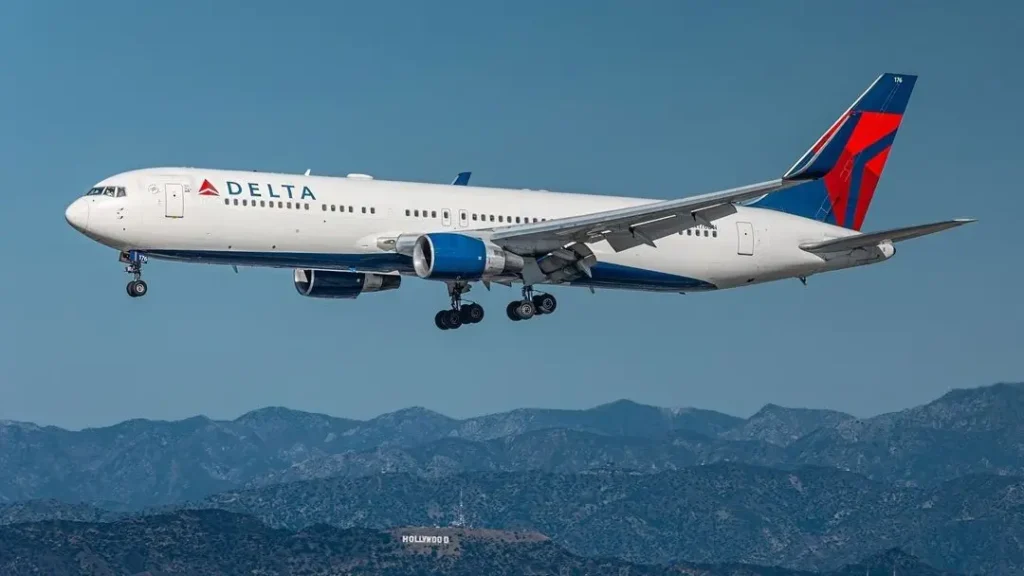
The Lavatory System Became the Limiting Factor
The waste system quickly emerged as the deciding issue. At 13:14 UTC, the dispatcher asked, “HOW IS THE QTY ON THE RIGHT SIDE DOING?”
The crew answered, “ABOUT 3/4 FULL FROM WHAT IM TOLD.” The dispatcher’s reaction at 13:22 underlined the concern, noting hope that passengers would use the lavatories less once the first meal service ended.
The exchange indicates that one side of the lavatory and waste system was unusable, leaving the remaining working tank to fill rapidly during a transatlantic crossing with a full cabin.
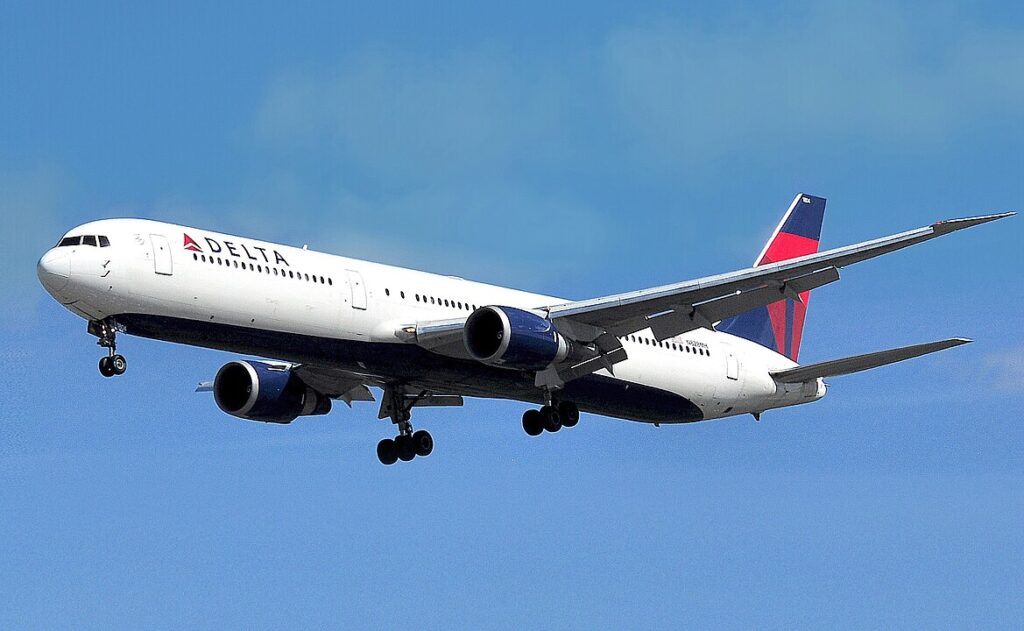
Maintenance Attempted a Recovery Without Success
The crew worked with Maintenance Control to restore the system. At 14:15 UTC, the flight deck reported, “INOP LT STILL ON.” Maintenance coordinator Z. Sethna, a Boeing 767 specialist, replied, “COPY, WAS HOPING THAT WOULD RECOVER. THANKS FOR TRYING.” The crew added, “OF COURSE. WE’LL TRY ANYTHING.” A reset attempt on the affected system failed to clear the fault.
Cabin habitability sets the go or no-go threshold. At 13:39 UTC, the crew stated it would strive to reach Atlanta only as long as the cabin remained tolerable. That condition did not hold.
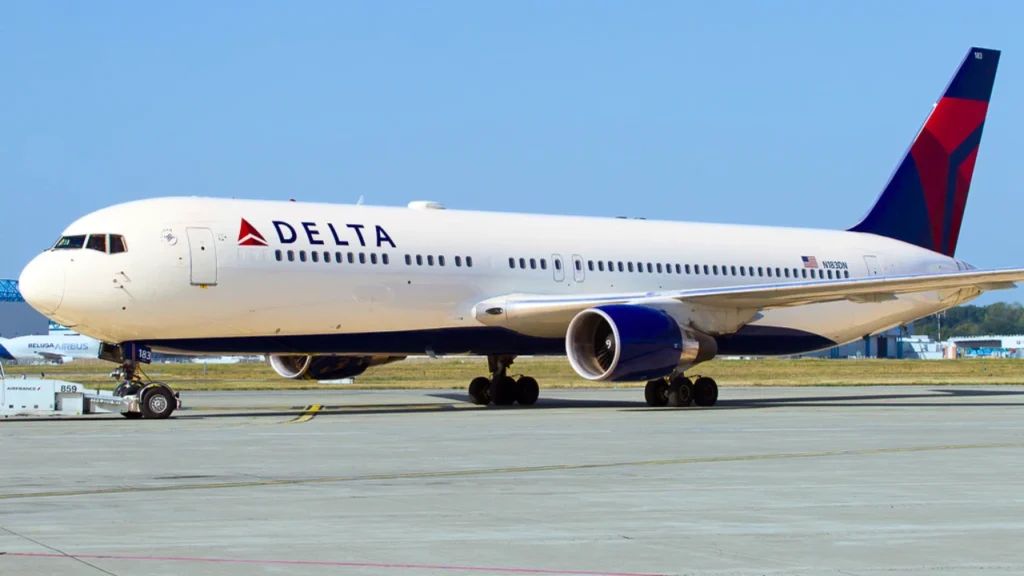
The Diversion to New York Was Executed
Between roughly 15:40 and 15:57 UTC, the destination was replanned to JFK. Route strings in the data changed from a Paris to Atlanta plan to a Paris to JFK plan. The crew requested a new ATC clearance, and the dispatcher asked for the route and fuel on board to handle the rest of the rerouting.
Logs confirm the landing in New York. A fuel uplink record at 17:18 UTC referenced “FLT 0083/02JUN SHIP 1820 JFK-ATL,” showing fuel boarded at JFK for the continuation leg. A gate change at Atlanta around 20:00 confirms the aircraft completed the final JFK to ATL segment.
Two Events That Did Not Cause the Diversion
The data contains two additional incidents that did not trigger the diversion. A satellite communications issue occurred early in the crossing between about 11:46 and 11:56 UTC, with VHF ACARS dropping out. Maintenance guided the crew in resetting SATCOM circuit breakers H8 and H9 per QRH 5.7, and satellite data worked well afterward.
A medical event was logged at 12:43 UTC involving a 14-year-old male in seat 42A reporting vomiting and upper gastrointestinal pain. The passenger was treated onboard through MedLink with ondansetron and acetaminophen. The message explicitly stated, “NO EMT NEEDED FOR ARRIVAL,” confirming it was not a factor in the diversion.
Bottom Line
DL83 diverted to New York (JFK) because of a failed lavatory and waste system. One side was inoperative and could not be reset, while the remaining working tank approached full capacity, leaving the cabin at risk of becoming untenable.
With Atlanta roughly two hours beyond JFK, continuing was not viable, so the crew landed at the dispatcher’s preferred diversion field, refueled, and completed the journey to Atlanta.
Stay tuned with us. Further, follow us on social media for the latest updates.
Join us on Telegram Group for the Latest Aviation Updates. Subsequently, follow us on Google News
