

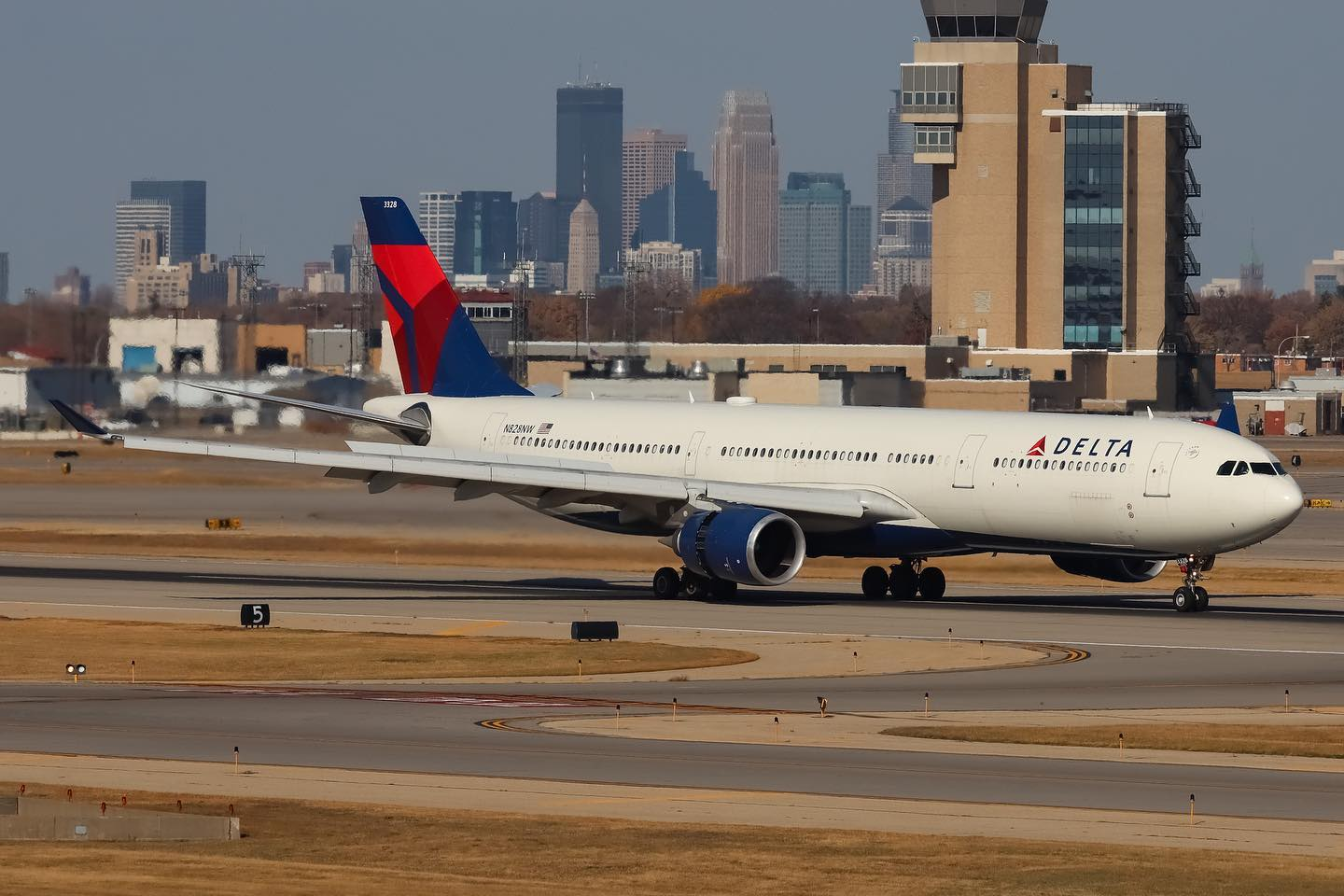
ATLANTA- Delta Air Lines (DL) flight DL85 from Paris (CDG) to Atlanta (ATL) reported an abnormal cabin odor shortly after departure, prompting operational attention during the transatlantic journey.
The flight, operating from Paris Charles de Gaulle to Atlanta, later landed safely with emergency services on standby as a precautionary measure at London Heathrow (LHR).
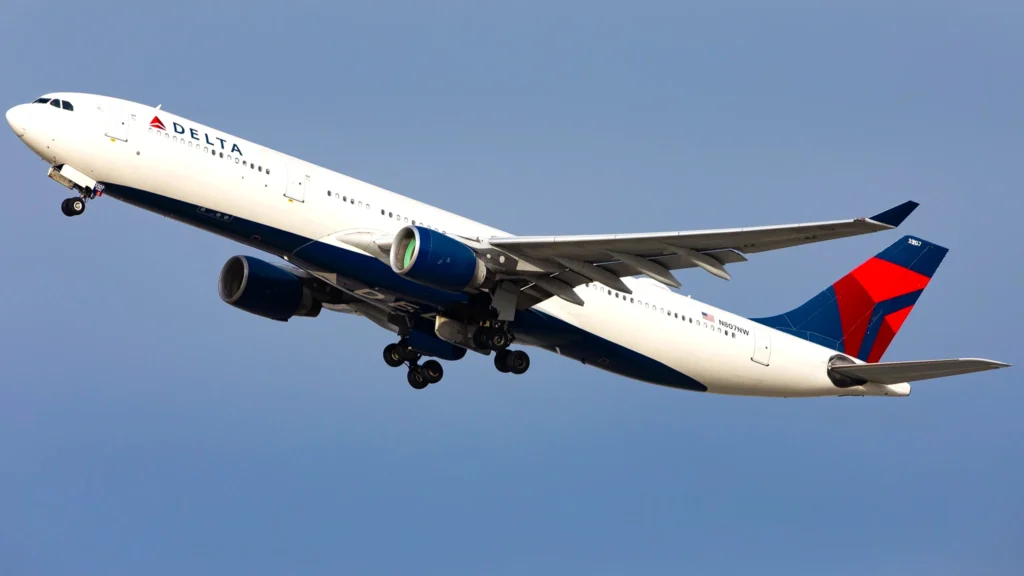
Delta Flight Emergency Landing at London
Passengers onboard reported a strange smell originating from the rear section of the Airbus A330 shortly after departure from Paris. The odor reportedly affected passengers’ noses and ears, and the flight crew acknowledged the issue while managing the situation during the cruise.
Prior to departure, the aircraft also experienced a right engine start issue at Paris CDG, causing a delay while ground engineers addressed the problem. Once resolved, the flight departed and proceeded normally until the cabin odor was noticed.
Flight tracking data showed the aircraft maintaining a lower altitude for several minutes during parts of its routing, allowing spacing adjustments among surrounding traffic. Observers noted nearby aircraft movements adjusting accordingly.

Approach and Landing Operations
The aircraft conducted a smooth landing at Atlanta after crossing the Atlantic. Emergency vehicles positioned near the runway followed standard safety protocols for flights reporting technical or cabin-related irregularities.
After touchdown, the aircraft briefly remained on the runway before taxiing off and pausing at a designated area. Fire and rescue vehicles surrounded the aircraft as a precaution, but no emergency intervention was required.
The flight was operated using an 19.2-Years-old Airbus A330-323, registered as N814NW, commonly deployed on long-haul Delta routes between Europe and North America.
At the time of monitoring, the aircraft cruised at approximately 20,825 feet with a ground speed of 421 mph while proceeding across UK airspace earlier in the flight.
The crew continued standard procedures and ensured safe arrival despite earlier technical concerns.
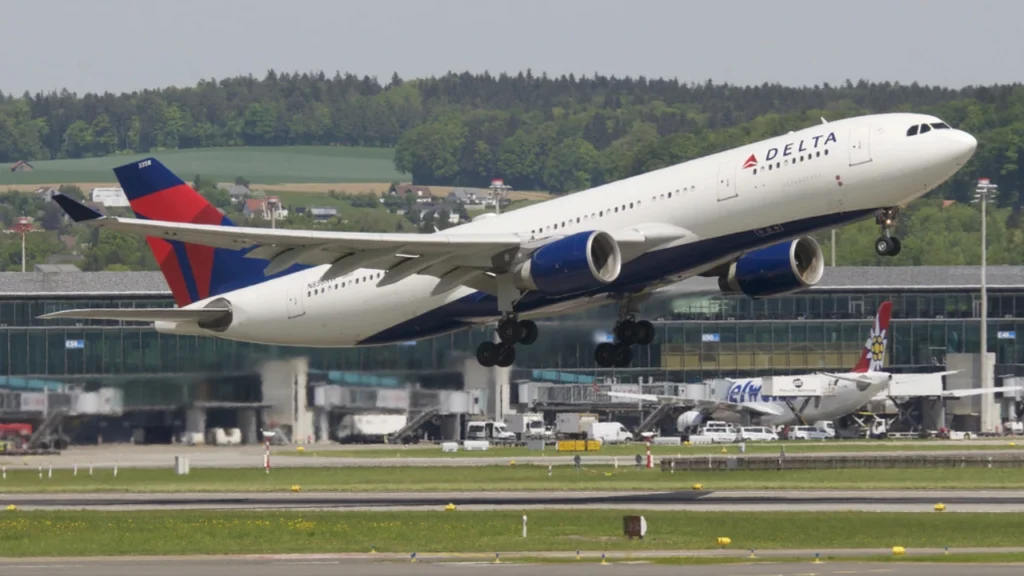
Safety Procedures and Outcome
Aviation procedures require precautionary measures whenever unusual smells or technical irregularities occur onboard. Emergency vehicles typically meet such flights to respond quickly if needed.
In this case, the aircraft completed the journey safely, and the precautionary response ensured passenger and crew safety remained the top priority throughout the flight.
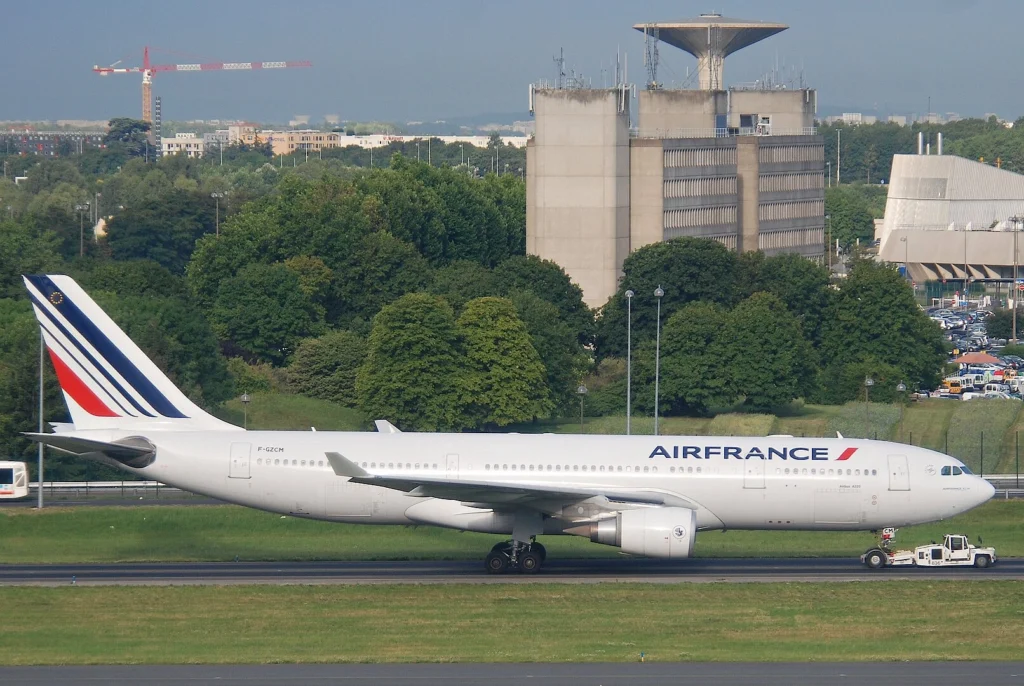
Similar Incident
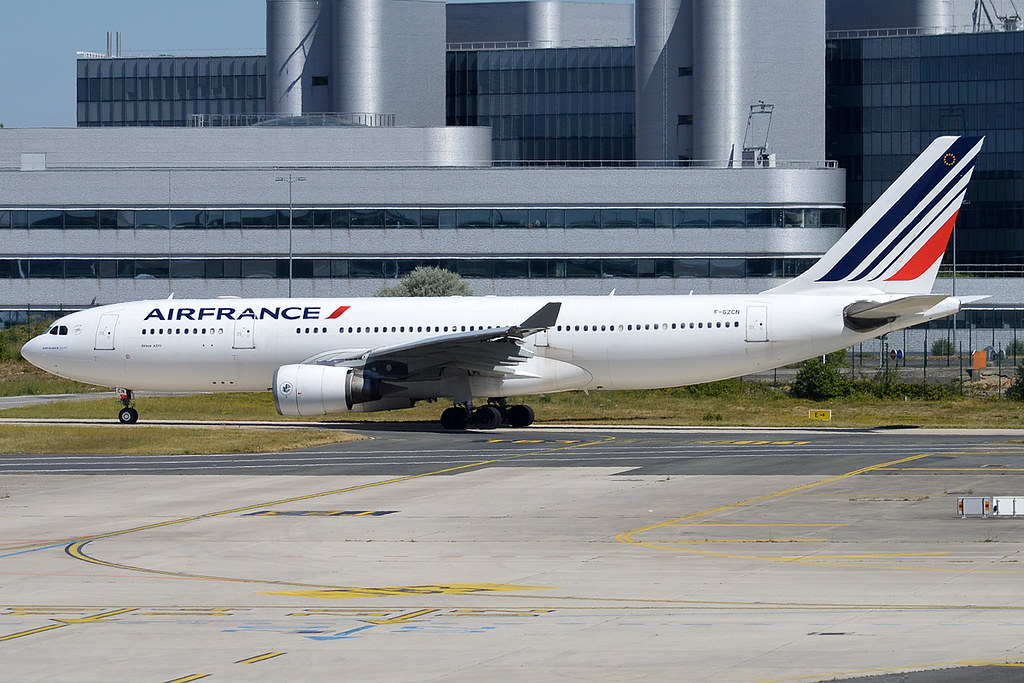
An Air France (AF) flight diverted to Munich (MUC) after the crew detected a smoke odor mid-flight, prompting emergency procedures and a precautionary landing.
Passengers later continued their journey to Paris (CDG) on a replacement aircraft after overnight delays caused by safety inspections and crew duty limits.
Air France flight AF565 departed Beirut later than scheduled, leaving at 5:29 p.m. local time instead of the planned 4:00 p.m. departure.
While cruising at 40,000 feet over southern Germany, crew members noticed a smoke-like odor in the rear cabin. Following standard manufacturer and airline safety protocols, pilots declared an emergency by transmitting Squawk 7700 to air traffic control.
The aircraft safely landed in Munich at 8:18 p.m. local time, where emergency services met the flight and carried out precautionary inspections.
Air France confirmed the diversion was made for technical and safety reasons, prioritizing passenger well-being.
Because inspections required additional time and crew duty limits were reached, the airline canceled the onward leg to Paris for that evening.
Passengers were accommodated overnight and later continued their journey on a replacement aircraft, which departed the next morning at 9:05 a.m. Paris time.
Air France apologized for the disruption and reiterated that safety remains its top priority.
Passenger Observations and Ground Response
One passenger reported noticing a fuel-like smell during the flight before diversion. Photos later shared online showed emergency vehicles inspecting the aircraft on arrival.
Passengers remained onboard briefly until authorities confirmed safe disembarkation procedures.
The Airbus A330-200 is widely deployed on long-haul routes and includes advanced smoke and fume detection systems.
Stay tuned with us. Further, follow us on social media for the latest updates.
Join us on Telegram Group for the Latest Aviation Updates. Subsequently, follow us on Google News
