

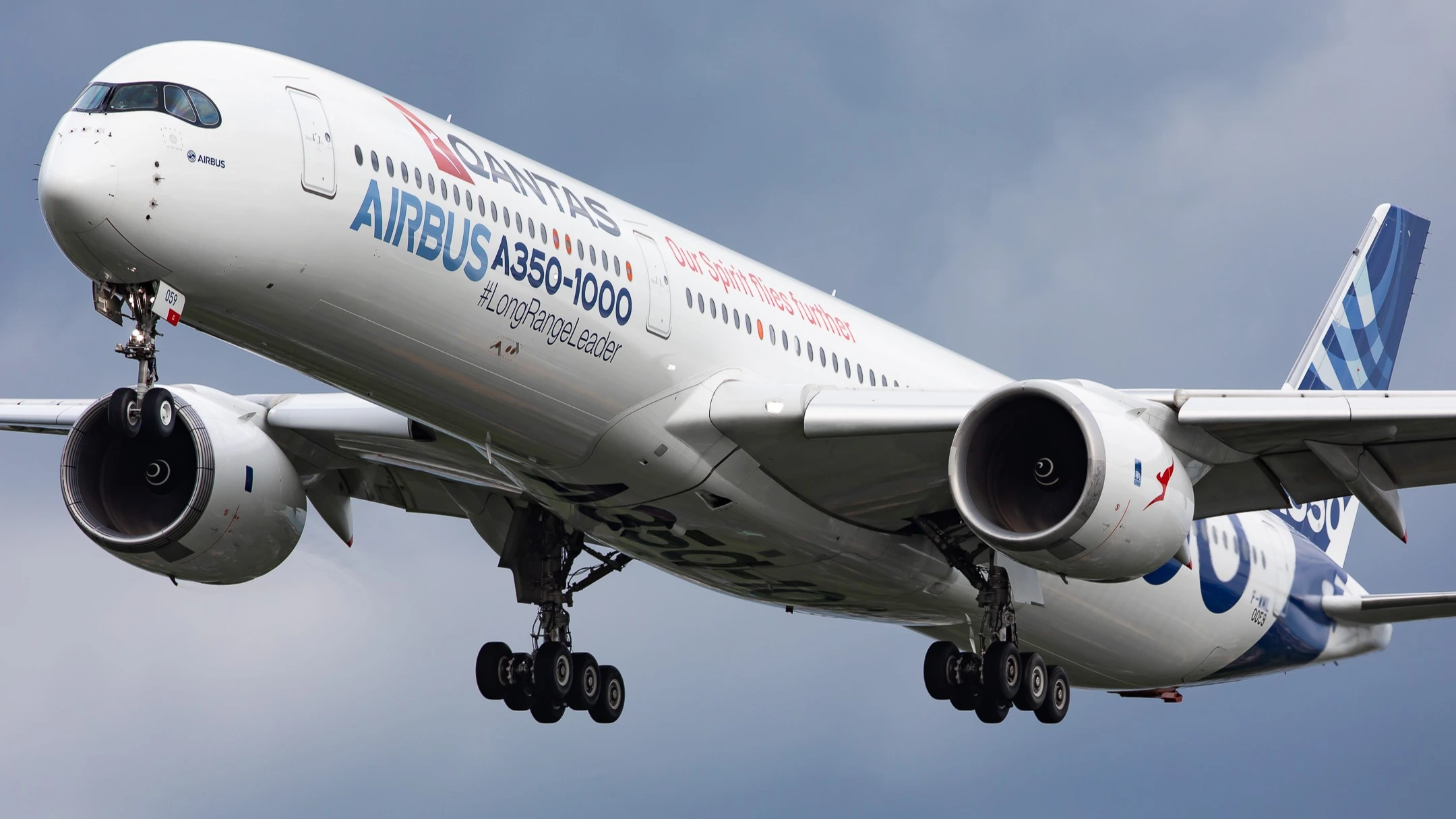
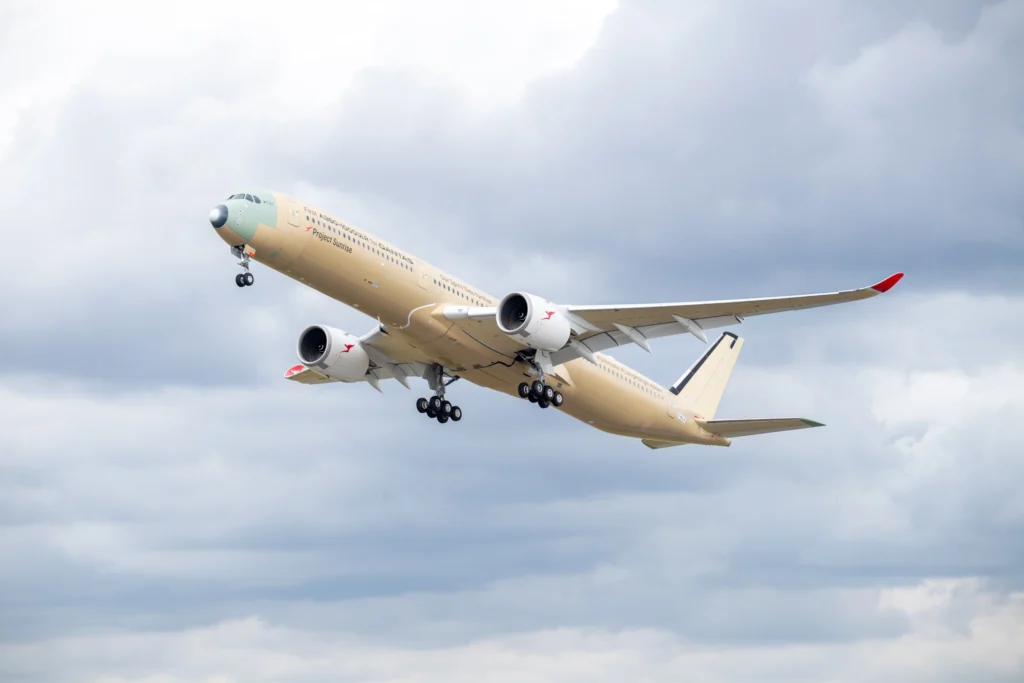
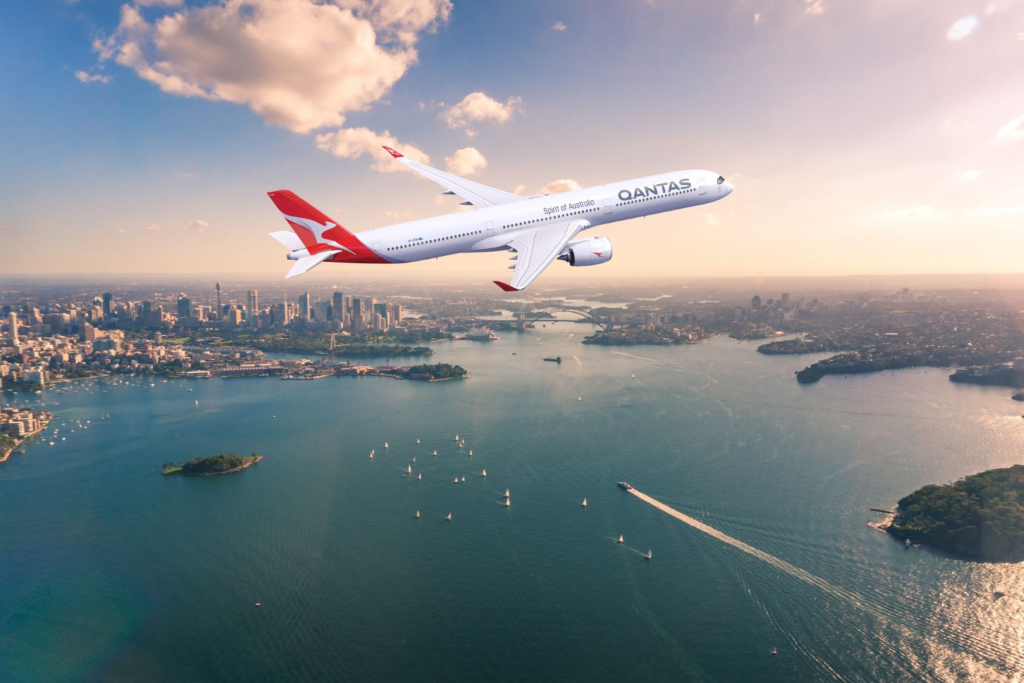
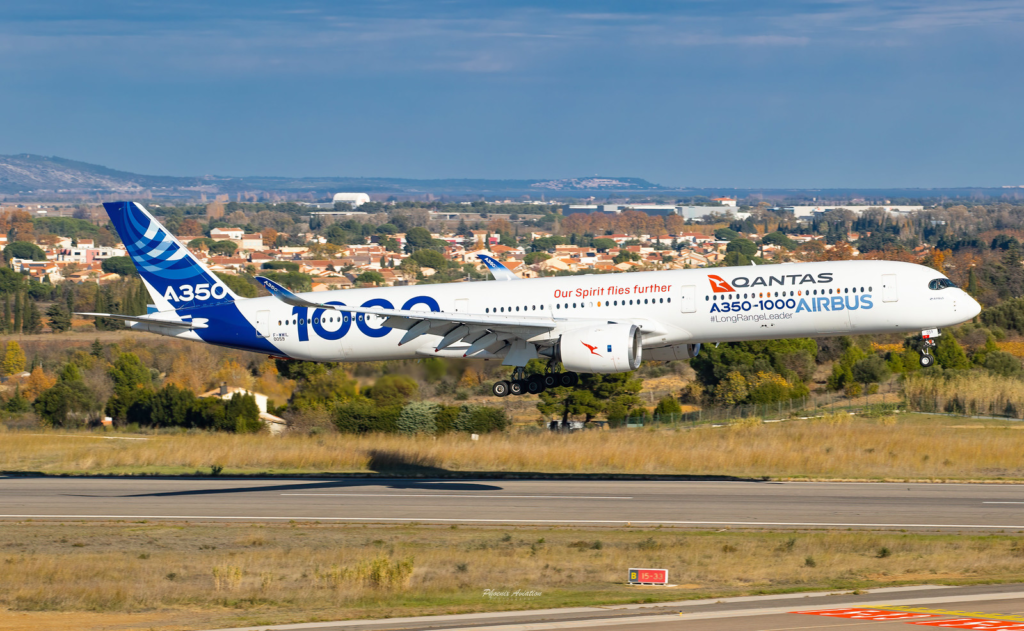
TOULOUSE- Airbus has flown the first ultra-long-range A350-1000 built for Qantas (QF), the aircraft that will enable non-stop service between Sydney (SYD) and London (LON) for the first time. The twinjet, designated MSN707, completed its maiden flight from Toulouse (TLS) on 2 June, opening a two-month certification campaign.
The flight lasted 3 hours and 43 minutes and reached an altitude slightly above 41,000ft, with a cruise segment over the Bay of Biscay. The aircraft is the first of 12 A350-1000ULRs ordered by Qantas under its Project Sunrise initiative, which targets a Sydney to London distance of almost 10,000 nautical miles and flight times of up to 22 hours.
Inside the Airbus A350-1000ULR First Flight
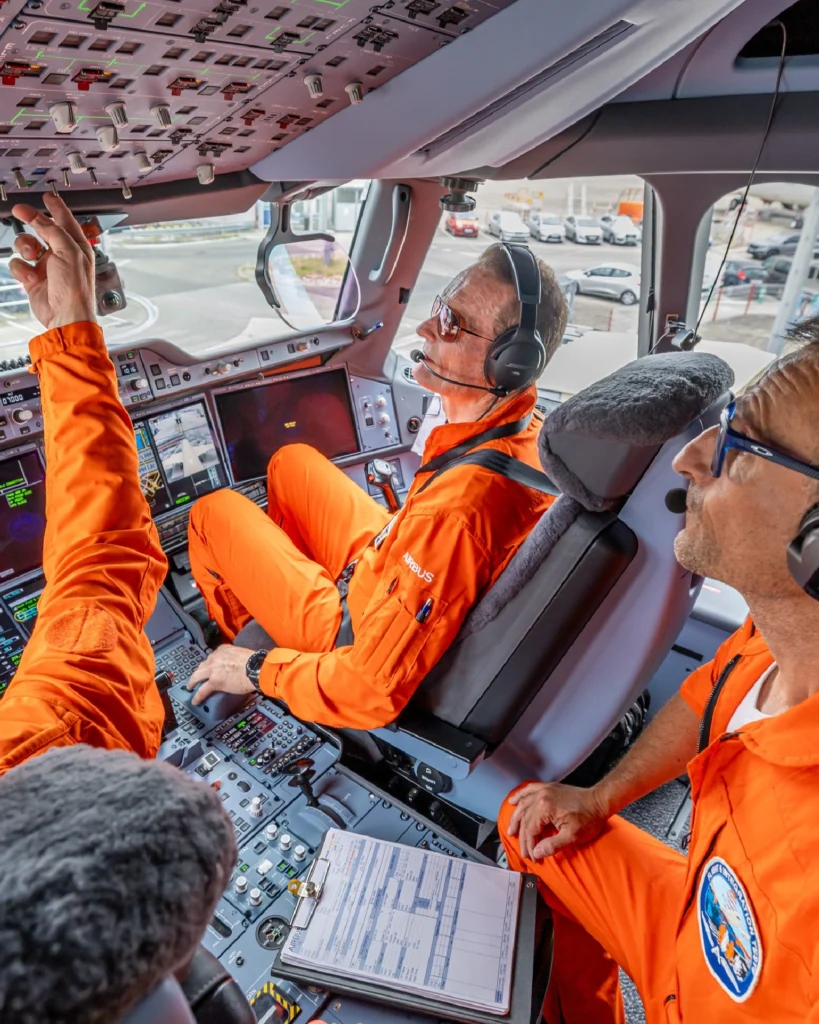
The aircraft carried special flight-test instrumentation throughout the mission and was flown by a dedicated Airbus Flight Test crew.
Six members were on board. Experimental Test Pilots Thomas Wilhelm and Anthony Flynn flew the aircraft, supported by Test Flight Engineer Laurent Rossignol.
Lead Flight Test Engineers Tuan Do and Alexia Plumet were also onboard, along with Ground Test Engineer Vincent Frayssinet.
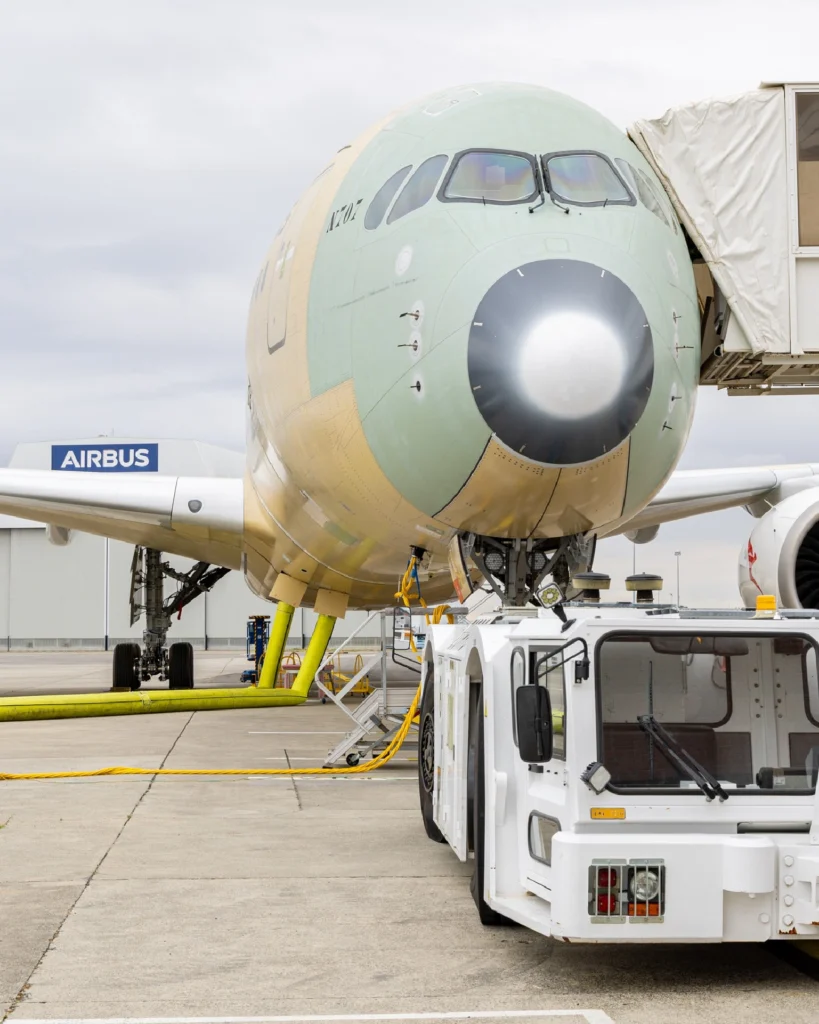
The flight-test aircraft carries the temporary registration F-WULR. The crew used the sortie to carry out general aircraft performance checks and to test the new fuel system architecture, which sits at the heart of the variant’s extended capability.
Project Sunrise and the Range Upgrade
Qantas is taking 12 of the modified A350-1000ULRs for Project Sunrise, an effort designed to overcome one of the last frontiers in non-stop travel from Australia.
The programme aims to link Sydney directly with distant global cities, removing the need for a refuelling stop on some of the longest commercial routes ever planned.
The primary modification is an additional rear centre tank (RCT) integrated into the aircraft structure. This addition increases range by 1,000 nautical miles, giving the aircraft the endurance required to connect Sydney and London directly.
Alongside the ULR fleet, Qantas has ordered 12 standard A350-1000s for future operation across its long-haul network.
Cabin and Comfort Systems for Long Flights
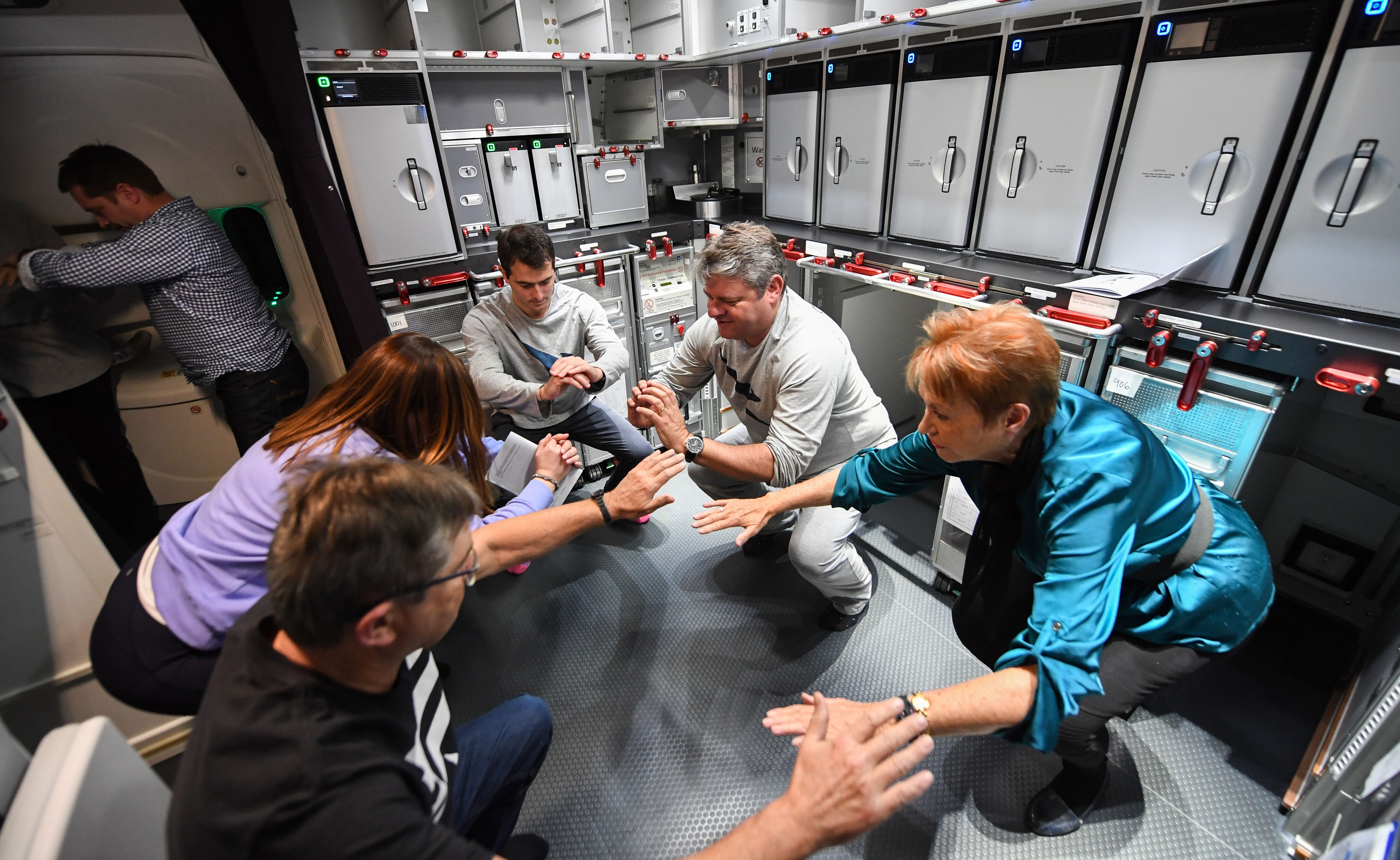
The campaign will also certify a new galley air cooling system designed for very long flights. The system features lighter and more efficient refrigeration units, supporting weight savings and reliability over extended durations.
Cabin ventilation and temperature control will be thoroughly tested as part of the same effort.
These checks reflect the demands of flights that can run close to 22 hours, where the cabin environment and onboard service systems must perform consistently from departure to arrival.
Delivery Timeline and Final Assembly
Once the flight-test campaign is complete, MSN707 will be retrofitted to Qantas’ commercial specifications.
Its delivery will follow that of the second A350-1000ULR, which is scheduled to become the first aircraft handed to the airline in April 2027.
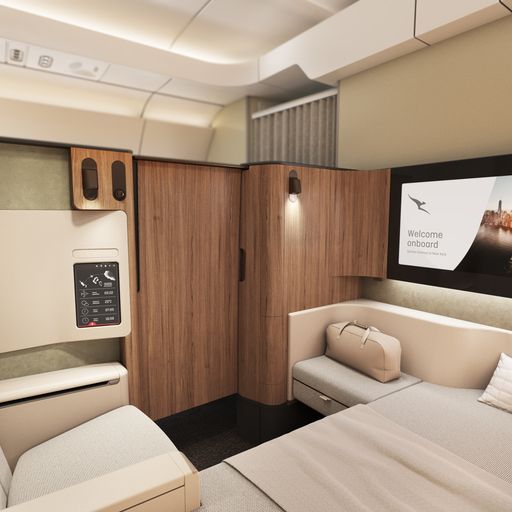
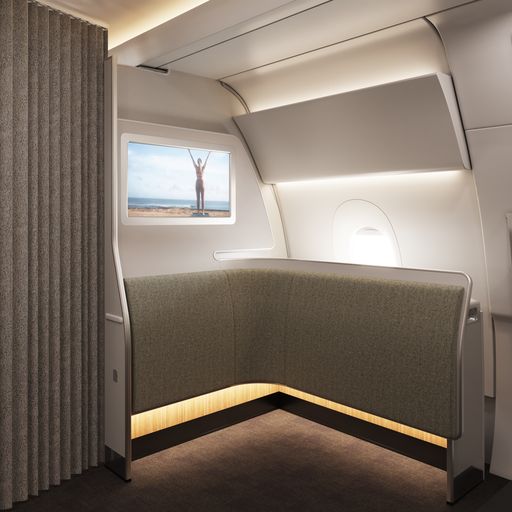
That second airframe is now at an advanced stage of final assembly and is ready to roll out of the paint shop in the coming days. It will then receive its premium four-class cabin layout and engine installation before delivery.
A350-1000ULR in the Wider A350 Family
The A350-1000ULR is the fourth passenger variant of the best-selling A350 Family, joining the A350-900, A350-900ULR, and A350-1000. Together, these aircraft have set new standards in long-haul travel, delivering a step-change reduction in fuel consumption and carbon emissions while raising levels of passenger comfort.
The passenger line-up will soon be joined by the all-new A350F freighter, currently under development at Airbus, with its first flight planned later this year.
At the end of April 2026, the A350 Family had won 1,579 orders from 68 customers, with more than 700 aircraft flying with 41 operators, primarily on long-haul services worldwide.
Stay tuned with us. Further, follow us on social media for the latest updates.
Join us on Telegram Group for the Latest Aviation Updates. Subsequently, follow us on Google News
