


PARIS— A passenger traveling on an Air France (AF) and KLM (KL) round-trip ticket between New York John F. Kennedy International Airport (JFK), Amsterdam Airport Schiphol (AMS), and Paris Charles de Gaulle Airport (CDG) claims he was wrongly charged a €500 fee after the airline alleged that he had not flown an earlier segment of his itinerary.
The dispute has gained attention on social media after the traveler reportedly provided multiple forms of evidence showing he boarded and completed the outbound flight.
Despite the documentation, Air France maintained its position and declined to issue a refund, raising concerns about airline recordkeeping and customer service procedures.
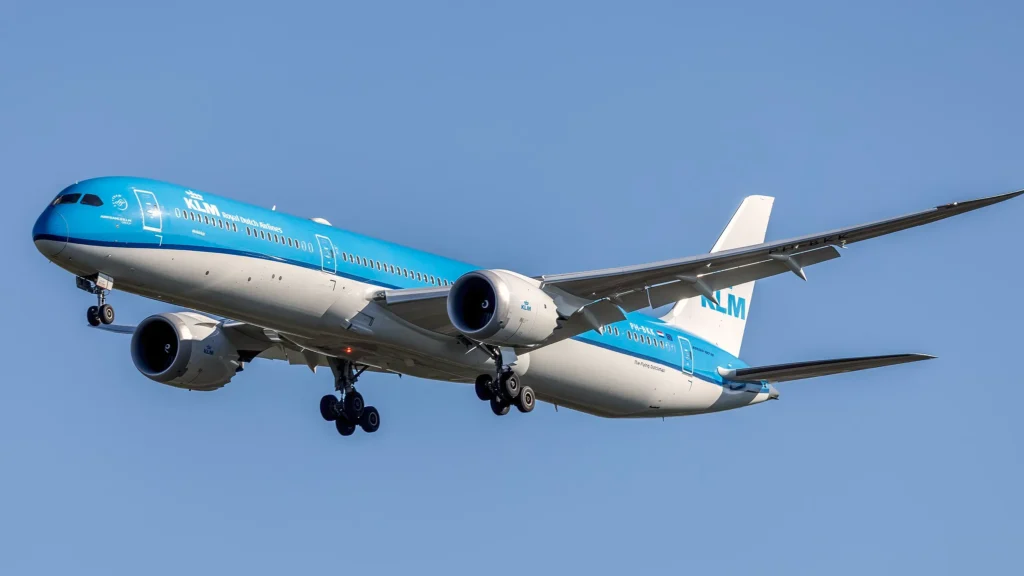
Air France €500 Travel Fee
According to details shared online, the traveler booked a round-trip transatlantic ticket that included an outbound KLM flight from New York (JFK) to Amsterdam (AMS) and a return Air France flight from Paris (CDG) to New York.
When checking in for the return segment in Paris, airline staff reportedly informed him that he would need to pay a €500 “out-of-sequence” fee. The airline’s system allegedly indicated that he had not taken the outbound flight, making the return portion of the ticket invalid.
Passengers who intentionally skip flight segments can face additional charges under airline fare rules. However, the traveler insisted that he had completed the outbound journey exactly as booked.
To avoid missing his return flight, he reportedly paid the fee and later sought reimbursement through Air France’s customer service channels.

Evidence Submitted to Air France
Following the incident, Air France reportedly requested proof that the traveler had boarded and completed the flight in question.
The passenger submitted several forms of supporting documentation. These reportedly included mobile phone network records showing his device connected to a Dutch cellular network near Amsterdam Airport Schiphol shortly after the aircraft landed.
He also provided timestamped photographs taken during the flight, including selfies containing metadata that corresponded with the journey. According to the claims shared online, the evidence was intended to demonstrate that he was physically present on the aircraft.
Despite the documentation, Air France allegedly rejected the reimbursement request on the same day, OMAAT flagged.
The airline reportedly reiterated that its records showed the passenger had not flown the outbound segment and therefore was not eligible for a refund.

Bottom Line
The case highlights how occasional discrepancies can occur within airline operational systems.
Industry experts note that boarding records are generally reliable, but rare errors involving passenger scans, system synchronization, or data processing can occur across large airline networks.
The greater concern for many observers has been the handling of the complaint after evidence was submitted.
Critics argue that customer service teams should have conducted a deeper review before reaching a final decision.
The dispute has since gained traction on social media platforms, where travelers have expressed frustration over the airline’s response. Public attention may ultimately play a role in determining whether the case receives further review.
Stay tuned with us. Further, follow us on social media for the latest updates.
Join us on Telegram Group for the Latest Aviation Updates. Subsequently, follow us on Google News
