

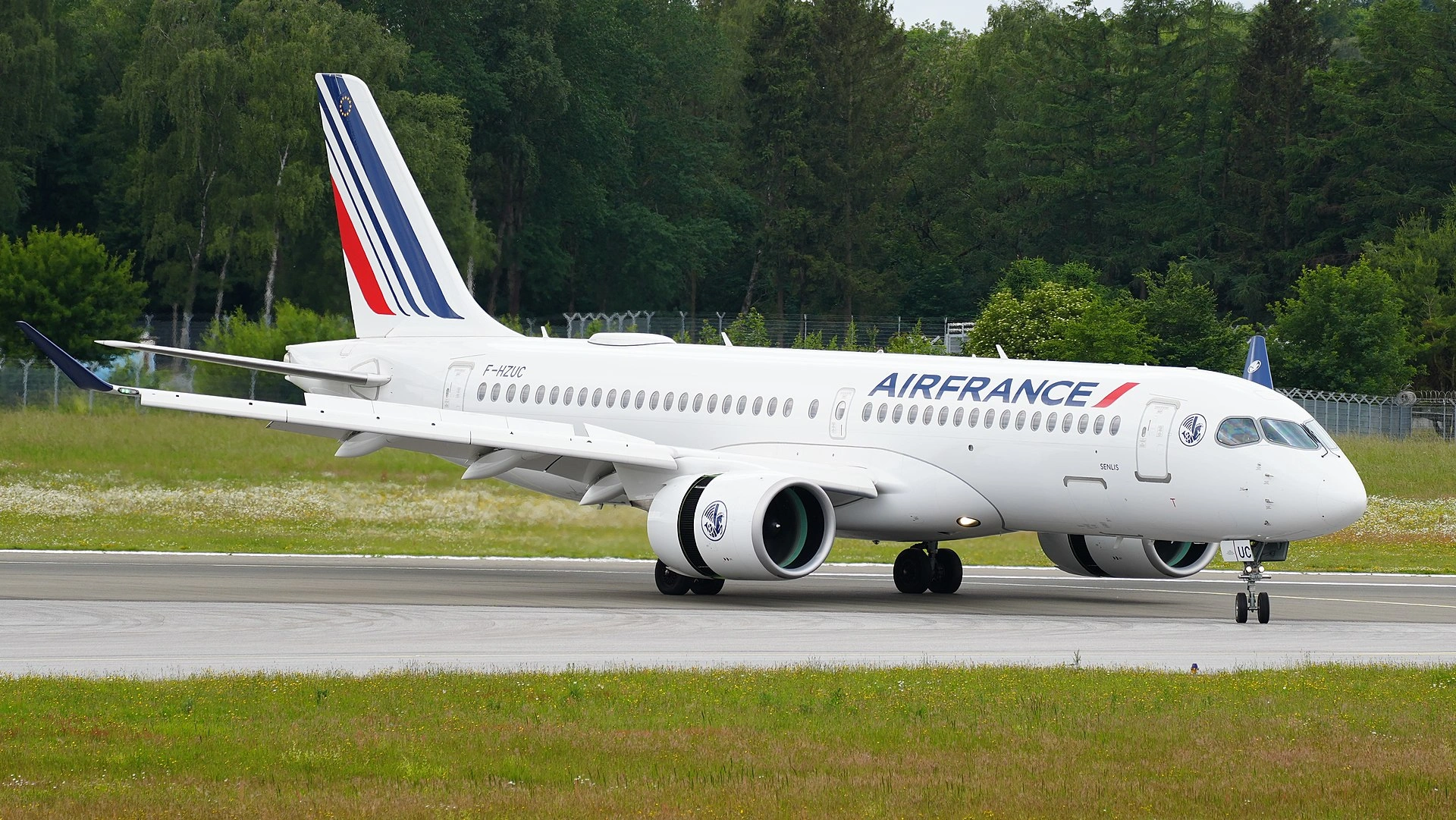
AMSTERDAM– An Air France (AF) passenger flight traveling from Paris Charles de Gaulle Airport (CDG) to Copenhagen Airport (CPH) made an emergency diversion to Amsterdam Schiphol Airport (AMS) on Monday after smoke was detected inside the aircraft cabin.
Emergency crews responded rapidly after the aircraft declared an onboard issue while flying over the Netherlands.
The aircraft involved was an Airbus A220-300 operating a scheduled European service. Airport officials confirmed that the jet landed safely at Schiphol, and authorities reported no injuries among passengers or crew members.
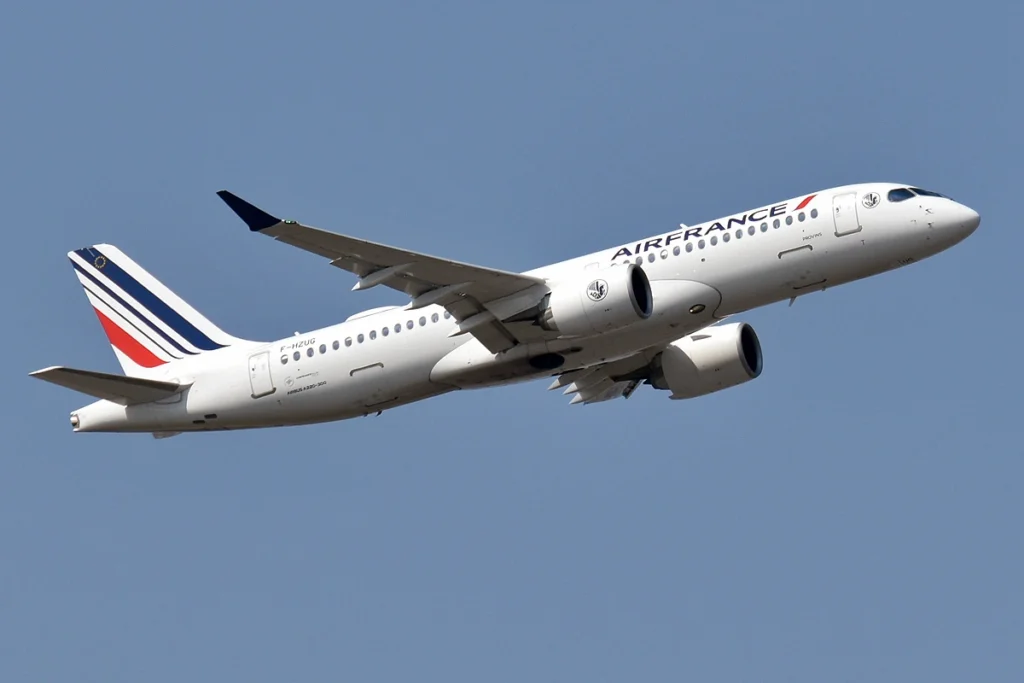
Air France A220 Emergency Landing
The incident occurred while the Air France aircraft was flying near Groningen during the late morning hours. Flight crews reportedly noticed smoke inside the cabin and decided to divert the aircraft as a precautionary measure.
Pilots contacted air traffic control and requested priority handling at Schiphol Airport. The aircraft landed safely shortly afterward, where emergency services had already positioned themselves near the runway.
Schiphol Airport authorities later confirmed that the diversion took place successfully. Officials stated that the exact source of the smoke remains under investigation, NL Times flagged.
Emergency responders, including airport firefighters and medical teams, remained on standby during the landing. However, authorities ultimately did not require any emergency medical intervention.
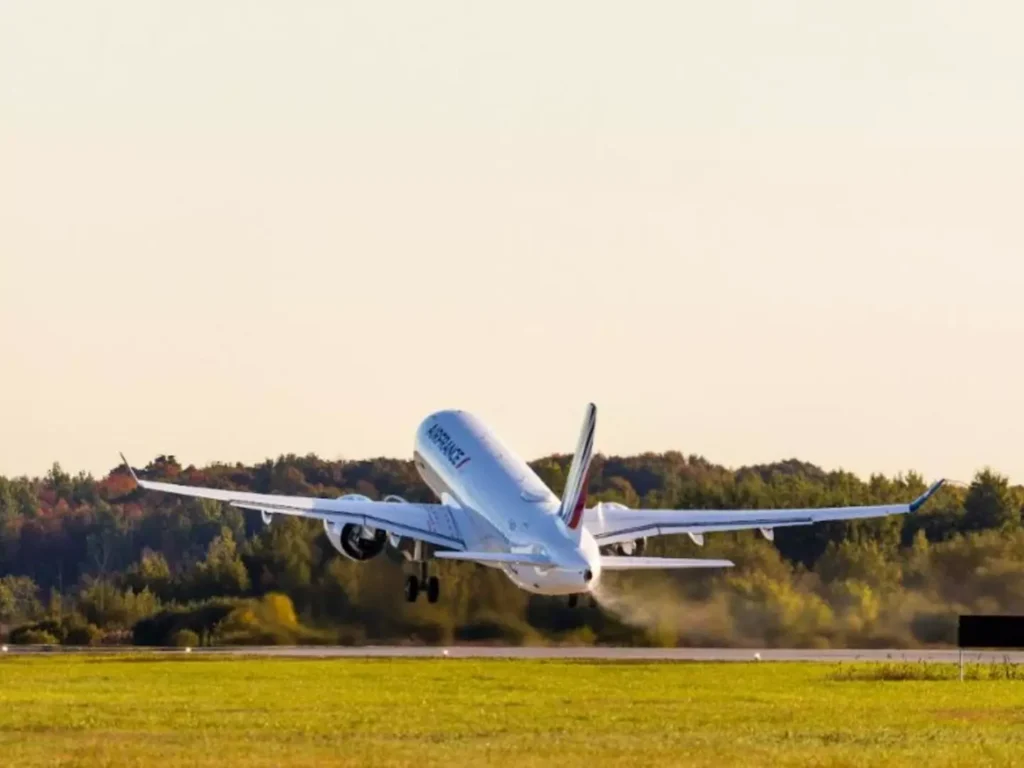
Response Aboard Air France’s Airbus A220
The Airbus A220-300 is one of the newest narrowbody aircraft operating within the Air France fleet. The aircraft type is widely used on short- and medium-haul European routes because of its fuel efficiency and modern cabin design.
Aviation safety procedures require flight crews to treat any smoke-related event onboard with high priority.
Even minor smoke indications can trigger diversions because crews must ensure cabin safety and maintain visibility inside the aircraft.
Airlines regularly train pilots and cabin crew to manage smoke or fire-related emergencies.
Standard procedures include identifying possible sources, communicating with passengers, and preparing for precautionary landings if conditions worsen.
Air France has not yet released additional technical details regarding the onboard smoke event. Maintenance teams are expected to inspect the aircraft thoroughly before it returns to service.
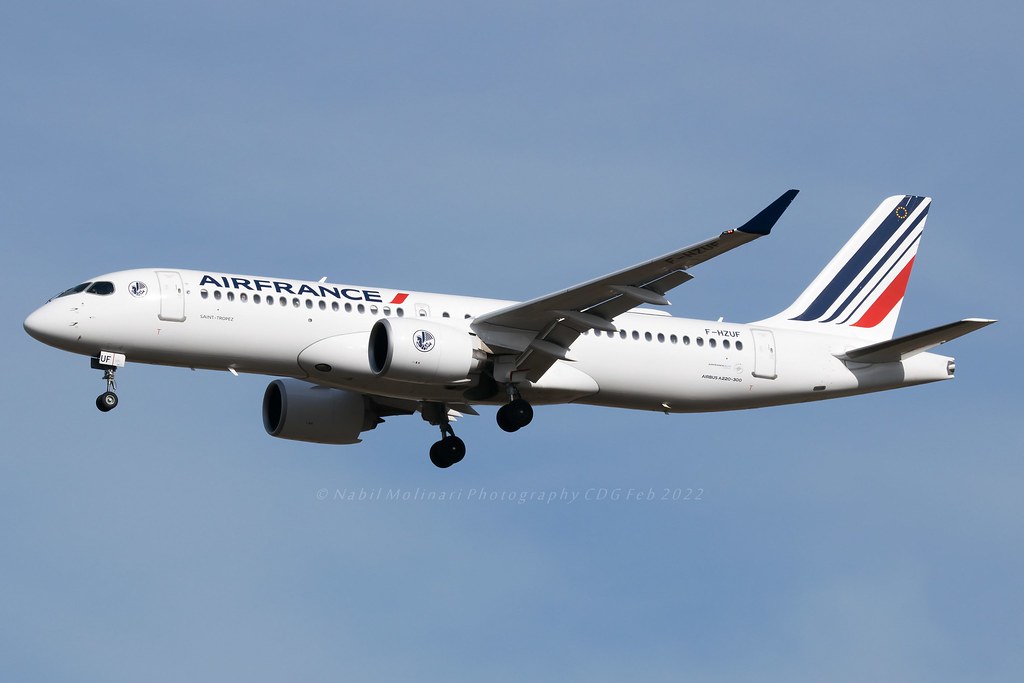
Schiphol Emergency Operation
Amsterdam Schiphol Airport activated its emergency response protocols immediately after receiving notification from the incoming aircraft.
Several fire engines, airport security vehicles, and ambulances responded to the scene as part of standard operational procedure.
The quick response ensured that rescue teams were prepared for any escalation during landing. Authorities later confirmed that the situation remained under control throughout the aircraft’s arrival and taxi process.
European aviation regulators closely monitor smoke-related incidents because they can originate from electrical systems, air-conditioning equipment, or other onboard components.
Investigators will likely review cockpit reports, maintenance records, and aircraft systems data to determine the cause.
The incident also highlights the importance of diversion-ready hubs such as Schiphol, which regularly handles emergency landings from aircraft operating across European airspace.
Stay tuned with us. Further, follow us on social media for the latest updates.
Join us on Telegram Group for the Latest Aviation Updates. Subsequently, follow us on Google News
