


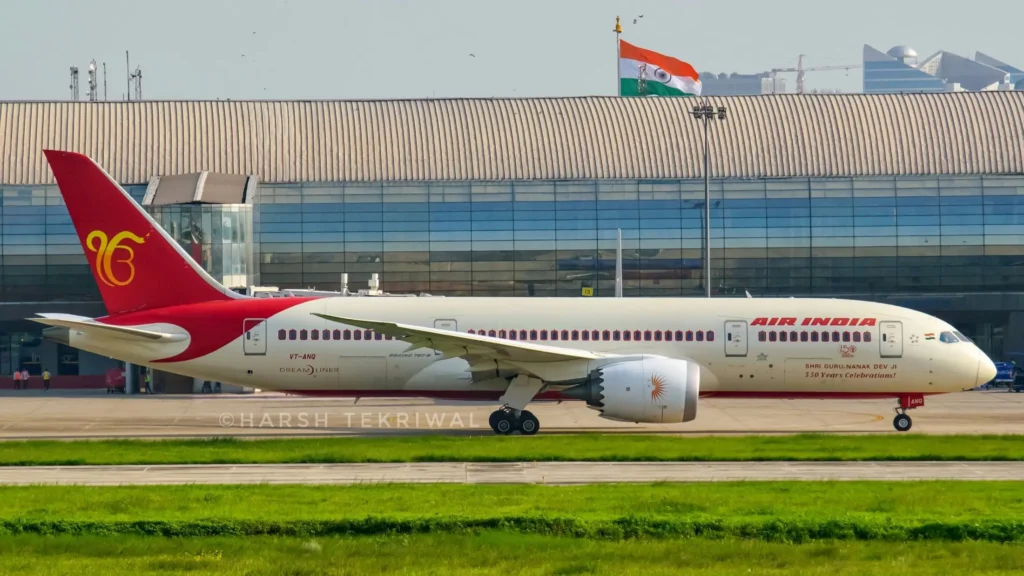
GURUGRAM– Air India (AI) grounded a Boeing 787-8 Dreamliner in February 2026 after the aircraft completed its London Heathrow (LHR) to Bengaluru (BLR) flight. The action followed a Pilot Defect Report flagging a faulty fuel control switch that slipped from ‘RUN’ to ‘CUTOFF’ position with minimal pressure.
The incident occurred eight months after the AI 171 crash in Ahmedabad (AMD) in June 2025, which killed 260 people. Both aircraft were Boeing 787-8 Dreamliners, intensifying scrutiny over fuel control switch reliability and electrical systems in the airline’s wide-body fleet.
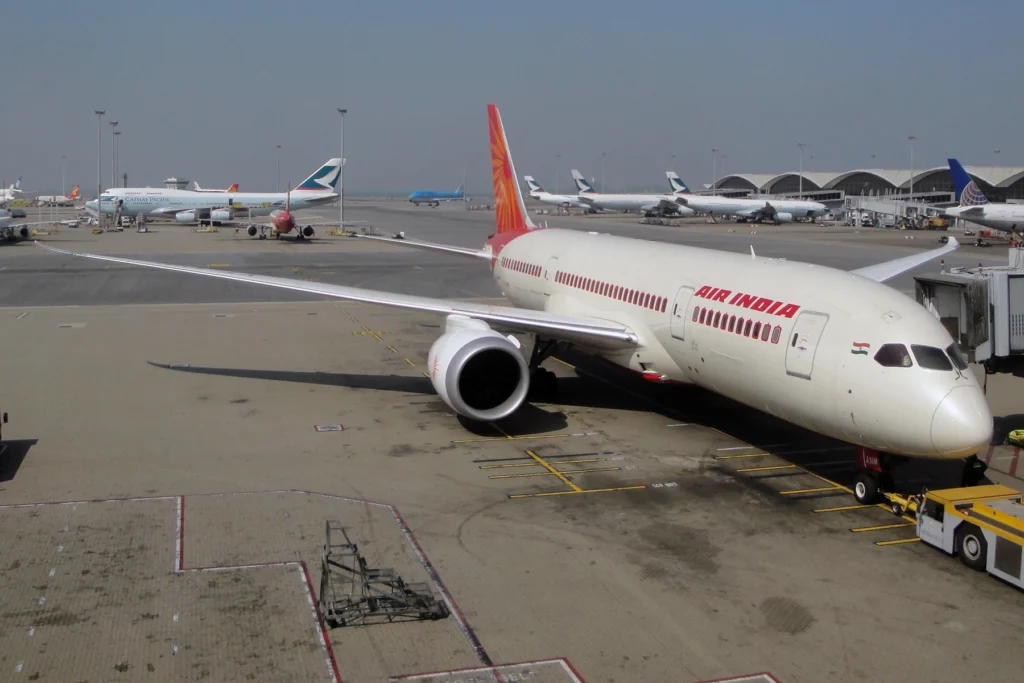
Air India Fuel Control Switch Defect Triggers 787 Grounding
The Ministry of Civil Aviation (MOCA) confirmed that the affected aircraft’s fuel control switch (FCS) failed to lock positively in its selected position. The Pilot Defect Report noted that the switch slipped between operational modes when pushed slightly, raising immediate safety concerns.
Following recommendations from Boeing, the original equipment manufacturer, Air India conducted inspections and functional tests on the fuel control switches. The airline determined that the unit was “mechanically functioning as designed” and classified it as serviceable.
Aviation authorities also dispatched a fuel control switch from the Boeing 787-8 to the United States for additional inspection. The aircraft returned to operational service within days of the grounding, Hindustan Times reported.
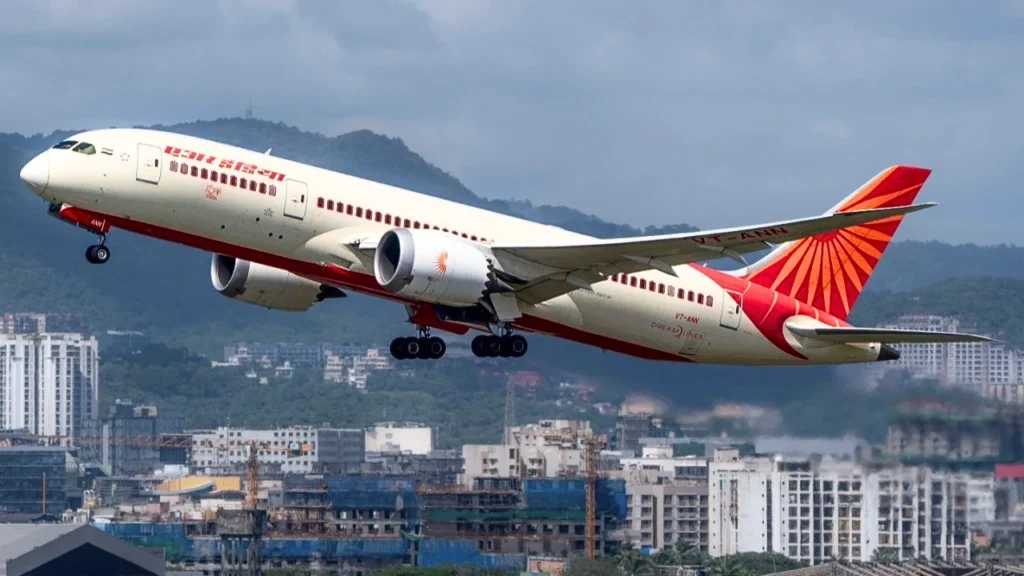
Two Competing Theories Emerge on AI 171 Crash
The aviation industry remains divided over the probable cause of the AI 171 crash as it awaits the final investigation report.
Sources close to the inquiry suggest the report may not be publicly released before August 2026, while the Aircraft Accident Investigation Bureau (AAIB) may present an interim report in June.
The first camp, led by the Indian pilot community, includes industry insiders, aircraft engineers, and Indian Air Force veterans. This group argues that an electrical short circuit or malfunction triggered the deployment of the Ram Air Turbine (RAT) immediately after takeoff. In the Boeing 787, the RAT activates during a dual generator failure or major electrical failure.
The second camp attributes the crash to deliberate pilot action. This theory relies on the cockpit voice recording referenced in the AAIB preliminary report, where one pilot reportedly asked the other why he cut off the fuel, receiving a denial in response.
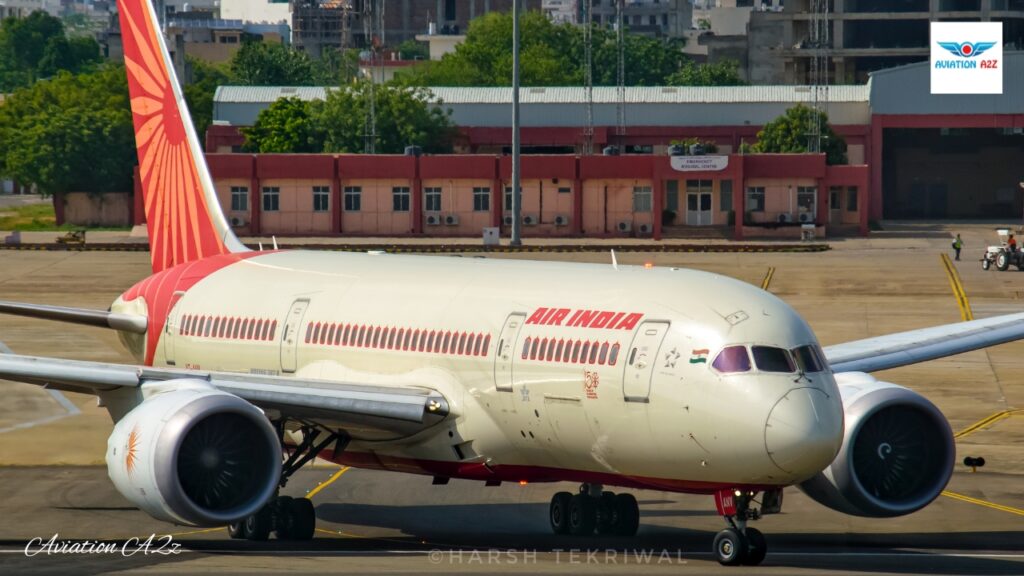
Evidence Supporting the Electrical Failure Theory
A report by the Safety Matters Foundation identifies four indicators from the AAIB preliminary report that point toward electrical power failure shortly after takeoff. These include the absence of a source for aircraft speed data, the inability to identify which pilot spoke due to powerless boom microphones, internal melting of the tail box, and the landing gear freezing mid-retraction.
The foundation also highlighted that the Boeing 787 operating as AI 171 had a documented history of recurring circuit breaker trips, short circuits, overheating events, and a complete electrical panel fire in 2022.
Critics within this group argue that the “pilot did it” theory unfairly scapegoats the deceased commander while shielding both Air India and Boeing from accountability.
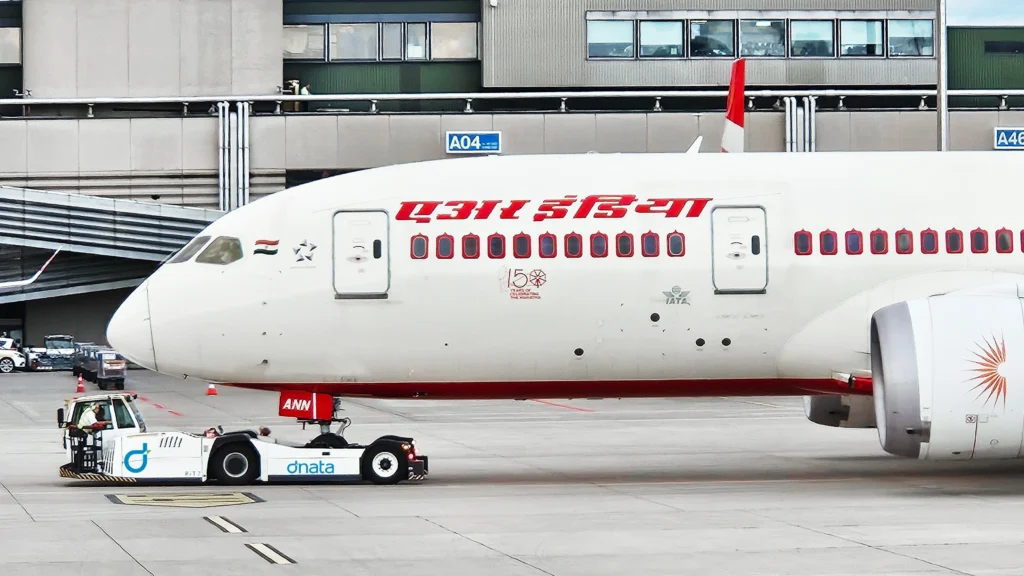
Implications for Boeing, Air India, and Tata Group
The findings could carry significant consequences for all involved parties. Air India had already attracted government attention over safety practices before June 2025.
A note prepared by former Director General of Civil Aviation Vikram Dev Dutt during his tenure (2023-2024) had flagged multiple safety concerns regarding the airline’s operations.
A senior government officer indicated that any finding attributing the crash to Air India’s culpability would be particularly damaging to the Tata Group.
The country’s highest airline safety authority had issued warnings prior to the crash, and any inaction on those warnings could potentially amount to criminal negligence if pursued through legal channels.
Unresolved Questions in the Investigation
The preliminary report has not specified the exact time of RAT deployment, although independent post-mortems estimate it occurred within 4 to 8 seconds after lift-off.
Critics argue that no current explanation adequately addresses why the RAT was deployed almost immediately after the aircraft became airborne, with deployment visible while the aircraft was still just above the runway.
The first officer, Clive Kunder, was the pilot flying and focused on takeoff procedures, while Commander Sumeet Sabharwal served as the pilot monitoring. This division of duties shapes how both theories interpret the cockpit voice recording transcript.
Stay tuned with us. Further, follow us on social media for the latest updates.
Join us on Telegram Group for the Latest Aviation Updates. Subsequently, follow us on Google News
