

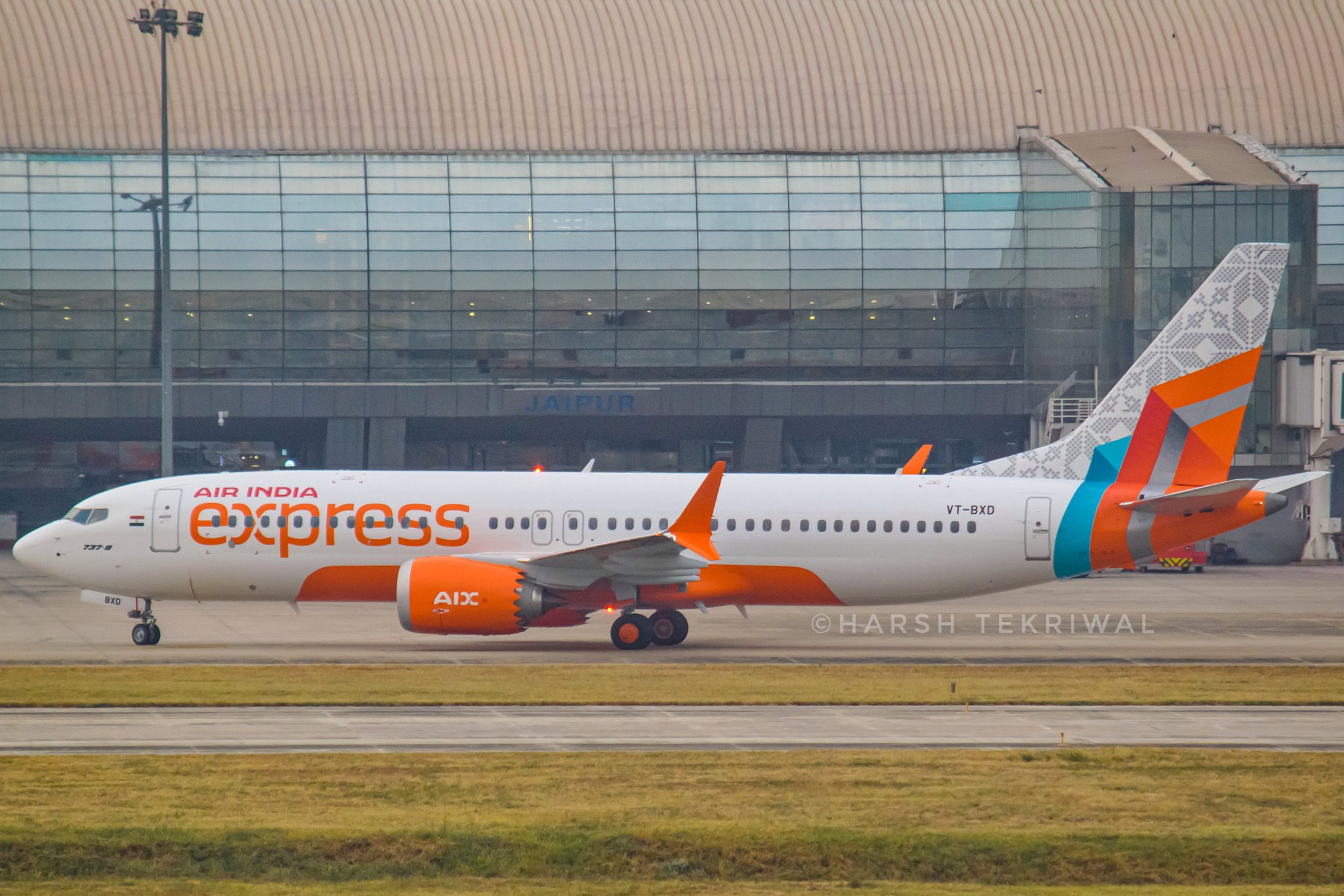
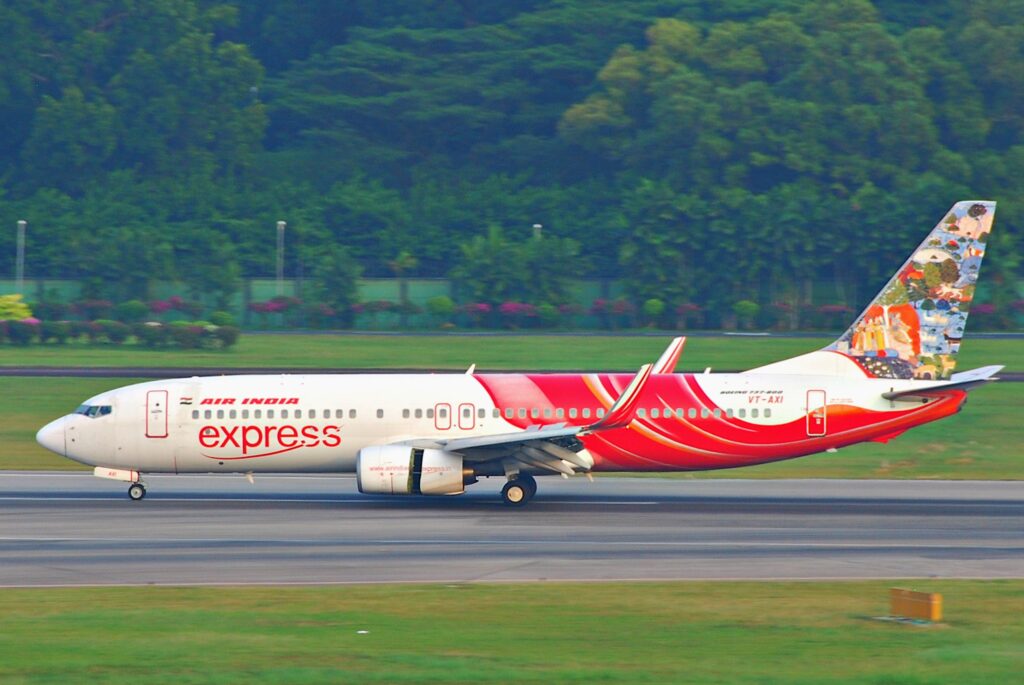
GURUGRAM- Air India Express (IX) operating a Boeing 737-800 from Muscat International Airport (MCT) to Kannur International Airport (CNN) has remained grounded after a rejected takeoff incident caused damage to both the aircraft and runway infrastructure.
The incident occurred on May 15 during departure preparations from Muscat for Kannur.
Investigators later confirmed that the aircraft had reportedly aligned with runway edge lights rather than the runway centerline before the crew aborted takeoff after receiving multiple cockpit warnings.
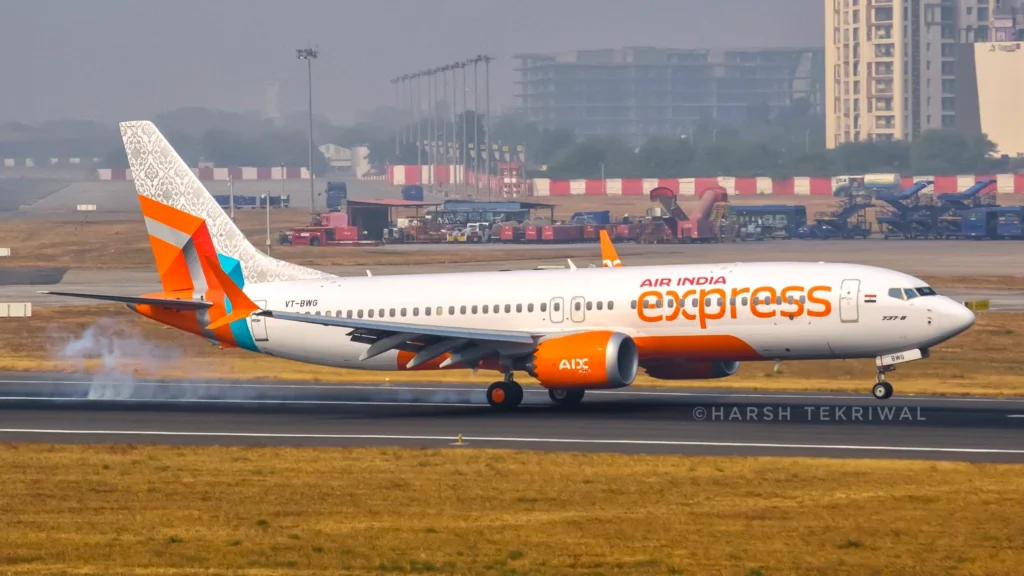
Air India Express Boeing 737 Grounded
An Air India Express (IX) Boeing 737-800 has remained grounded in Muscat for more than nine days after a takeoff incident that only came to public attention after aviation reporting sources received confirmation from Oman regulators.
According to information published by aviation reporting platforms, the 18 year old Boeing 737-800 was preparing to operate a scheduled 3 hour flight from Muscat to Kannur.
The aircraft received takeoff clearance from Runway 26L at approximately 9:30 PM local time.
Instead of aligning with the runway centerline, the aircraft reportedly lined up alongside the right-hand runway edge lights.
Runway edge lights define the outer boundaries of the runway and are not intended for aircraft alignment during departure operations.
As the aircraft accelerated for takeoff, it struck several runway edge lights and damaged them during the takeoff roll.
The pilots reportedly heard a loud bang before the cockpit’s Master Caution warning activated. The flight crew immediately rejected the takeoff and brought the aircraft to a stop on the runway.
Following the rejected takeoff, cockpit indications reportedly showed a hydraulic leak from System A along with a flat tire.
Because of the hydraulic system failure and tire damage, the aircraft could no longer move under its own power and remained stranded on the runway.
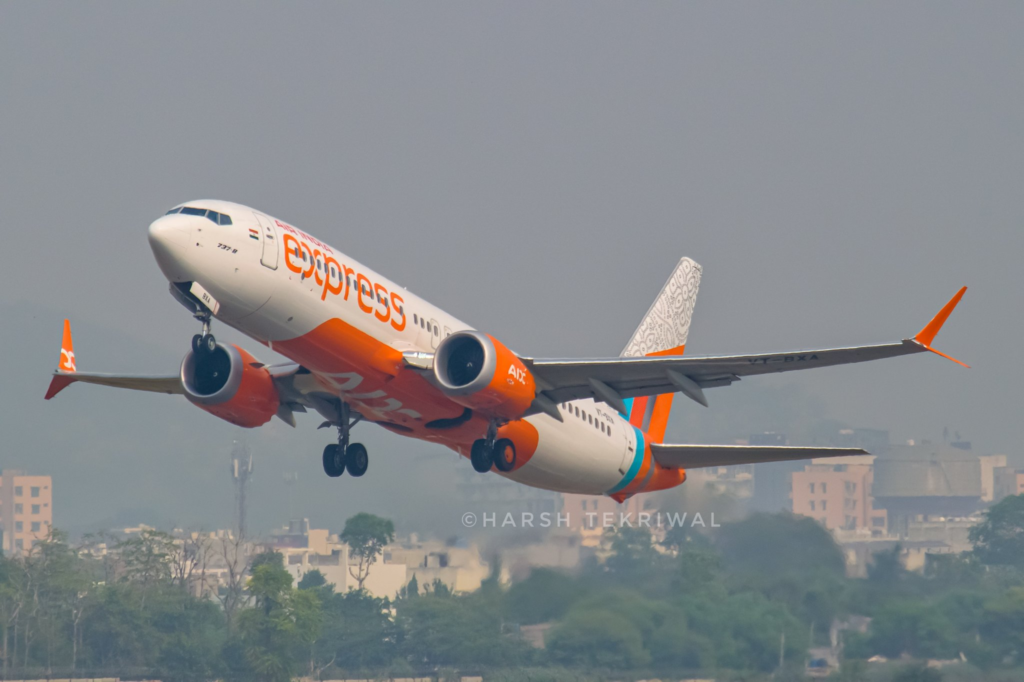
Investigation Findings Reveal Additional Details
Oman’s accident investigation authority later released preliminary details explaining the sequence of events.
Investigators stated that the aircraft entered Runway 26L from Taxiway E7 and lined up on the right shoulder of the runway while following the right-side runway edge lights.
Authorities also noted that the aircraft passed through and damaged multiple runway lights before the crew rejected the takeoff after hearing the impact sound and receiving cockpit warnings.
According to PYOK, investigators confirmed that the aircraft sustained a complete hydraulic leak from System A in addition to tire damage following the runway light impacts.
Investigations typically focus on understanding operational factors and identifying procedural issues rather than assigning immediate responsibility.
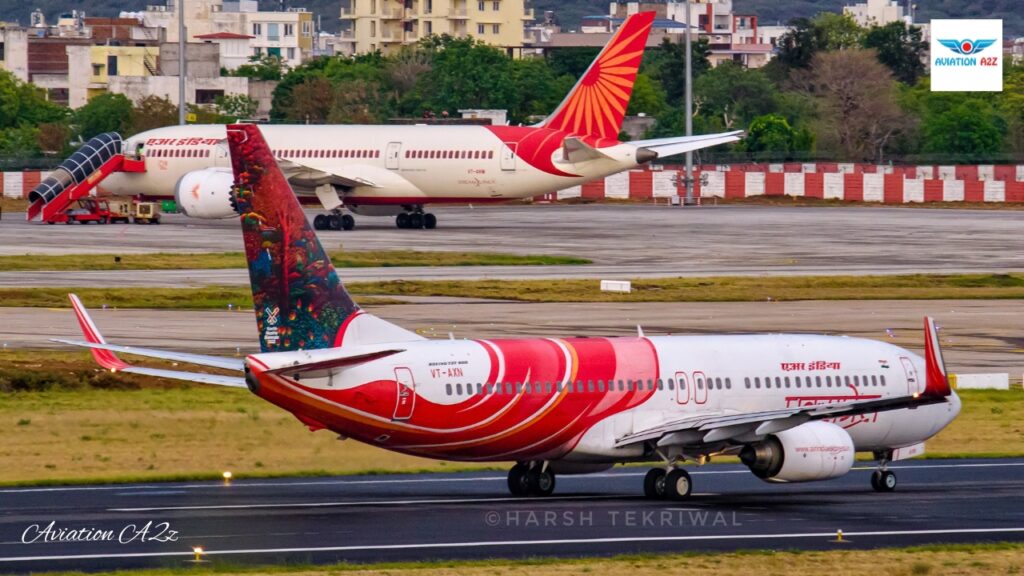
Passengers Safely Returned to Terminal
The crew and passengers exited the aircraft safely after the incident.
Reports indicate that passengers remained onboard for nearly two hours while the disabled aircraft remained on the runway.
Mobile airstairs were later brought directly to the aircraft, allowing passengers to disembark on the runway before buses transported them back to the terminal building.
Air India Express later provided a limited statement indicating that the aircraft had experienced a tire-related issue.
Related Incident
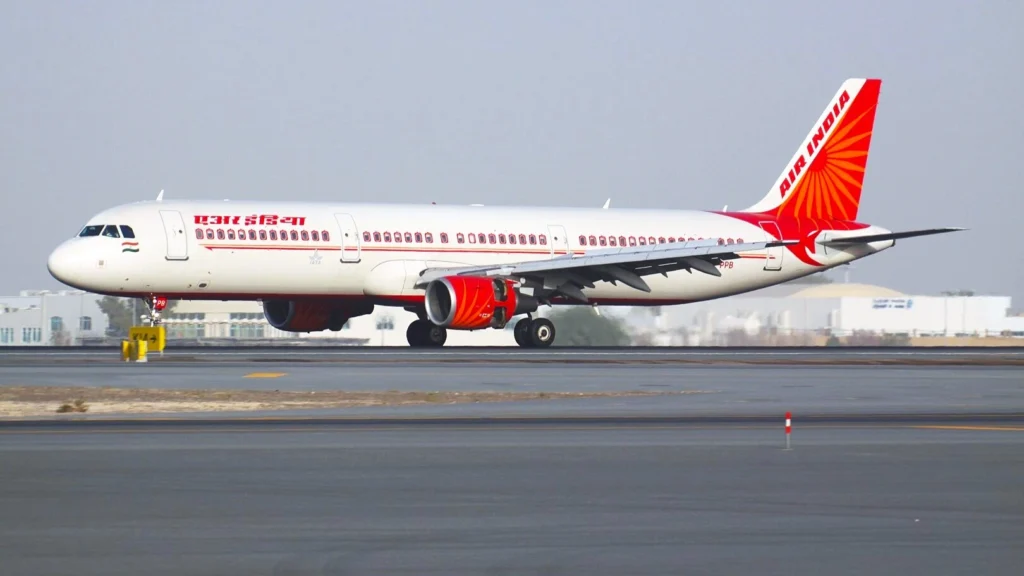
The Muscat incident occurred only days before another operational event involving Air India (AI).
An Airbus A321 operating as flight AI 2651 from Delhi (DEL) to Kempegowda International Airport Bengaluru (BLR) experienced a tail strike incident during landing on May 21.
The aircraft involved was previously operated by Vistara before joining Air India operations.
During the first landing attempt, the lower rear section of the aircraft contacted the runway surface. The pilots then initiated a discontinued approach and executed a go around procedure.
The aircraft later circled and completed a safe landing during the second attempt without further operational issues. The aircraft reportedly remained grounded in Bengaluru for inspections and technical evaluation.
Why Tail Strikes and Runway Alignment Matter
Runway alignment and landing procedures represent critical phases of flight because small deviations can lead to operational and structural damage.
Incorrect runway positioning can create risks including:
- Runway infrastructure damage
- Tire and landing gear failures
- Hydraulic system damage
- Aircraft structural issues
- Operational disruption
- Extended aircraft ground time
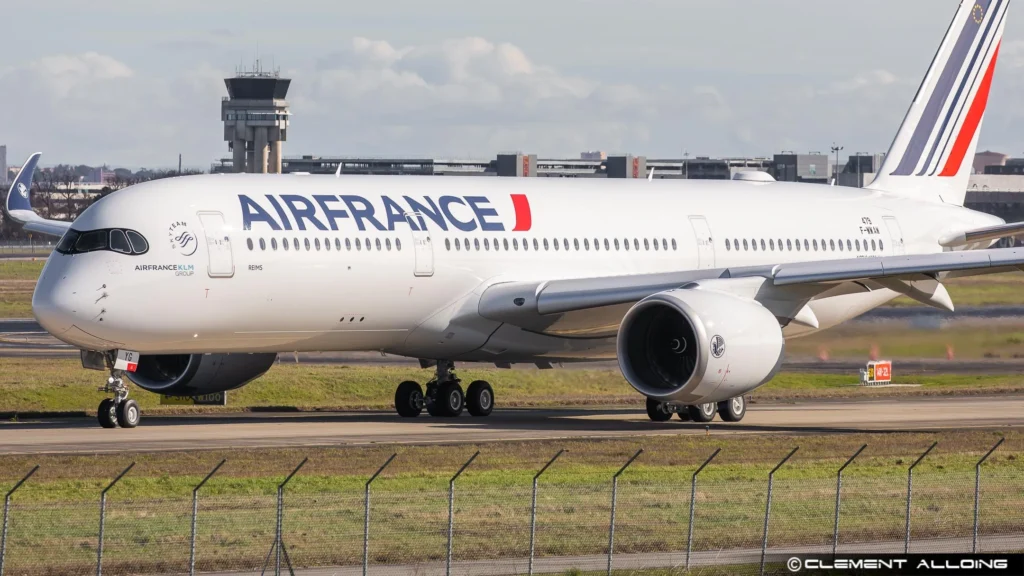
Tail strike incidents can also create significant repair requirements. In January 2024, Air France (AF) experienced a serious Airbus A350 tail strike event during landing at Toronto Pearson International Airport (YYZ).
The aircraft reportedly remained out of service for months while extensive repairs were completed.
Aviation Safety Investigations Continue
Modern aircraft operations rely on runway markings, airport lighting systems, cockpit procedures, and crew coordination to maintain safe departures and arrivals.
Even with multiple safety systems in place, investigations continue to show that operational deviations during critical flight phases can create significant consequences.
The Muscat incident demonstrates how a positioning error during takeoff preparation can lead to aircraft damage, airport disruption, and long periods of operational downtime.
Stay tuned with us. Further, follow us on social media for the latest updates.
Join us on Telegram Group for the Latest Aviation Updates. Subsequently, follow us on Google News
