

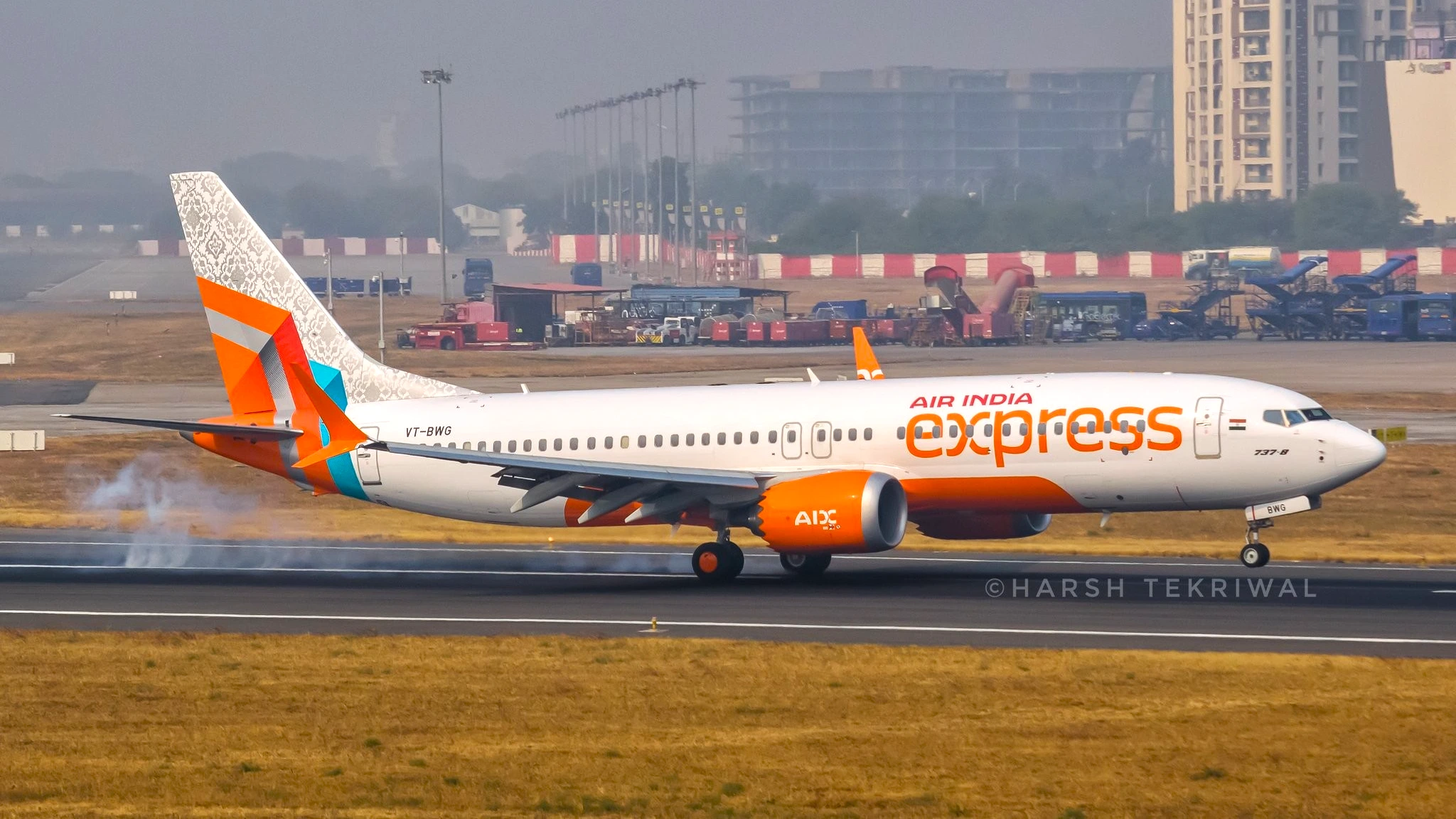
PHUKET- An Air India Express (IX) Boeing 737 MAX operating flight IX938 from Hyderabad Airport (HYD) to Phuket International Airport (HKT) made a suspected hard landing on Wednesday, resulting in the detachment of both nose wheels.
All passengers were safely deplaned at Phuket International Airport (HKT) and moved to the terminal. No injuries were reported, though airport operations were temporarily suspended as the aircraft remained on the runway.
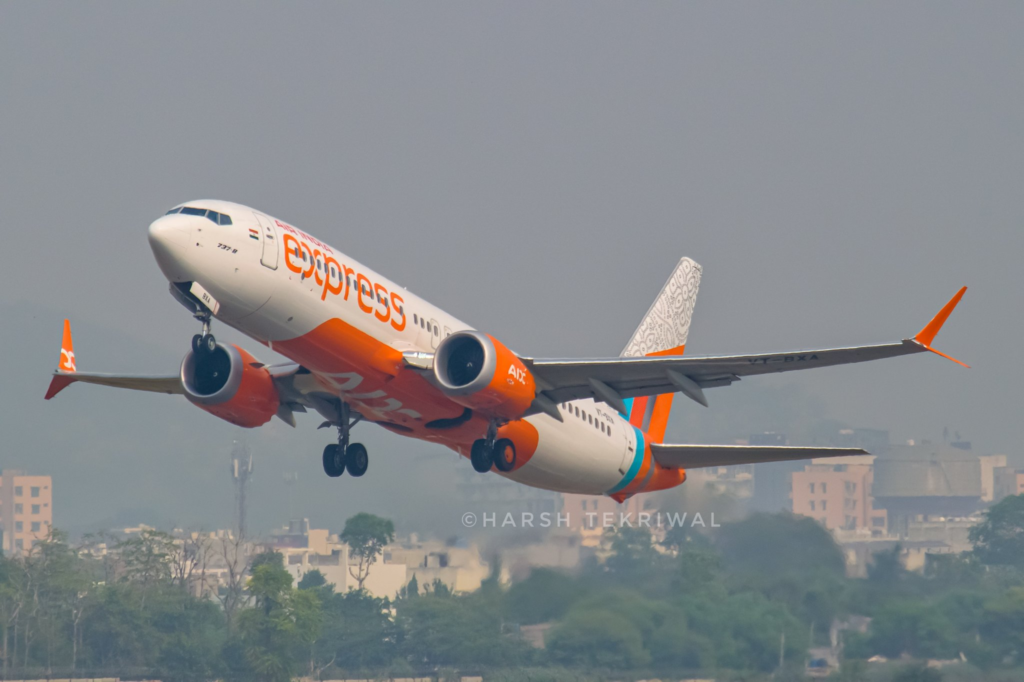
Air India Express 737 Loses Nose Wheel
An Air India Express Boeing 737 MAX 8, registered VT-BWQ, experienced a suspected hard landing with a bounce while touching down on Runway 9 at Phuket International Airport (HKT).
According to a senior official from the Directorate General of Civil Aviation (DGCA), the aircraft’s two nose wheels detached after landing, leaving the aircraft stranded on the runway. The aircraft was operating a scheduled flight IX938 from Hyderabad Airport (HYD) to Phuket.
Airport authorities temporarily suspended runway operations as the aircraft blocked the runway and recovery teams prepared to tow it to a parking bay.
Passengers on board were safely evacuated and transported to the terminal building. Officials confirmed that no injuries were reported among passengers or crew.
Crew Followed Standard Safety Procedures
Air India Express confirmed that the aircraft experienced an issue involving the nose landing gear during landing at Phuket.
The airline stated that the flight crew followed established safety protocols, and all passengers were safely deplaned shortly after the aircraft came to a stop.
The total number of passengers onboard the Boeing 737 MAX 8 was not immediately confirmed at the time of the incident.
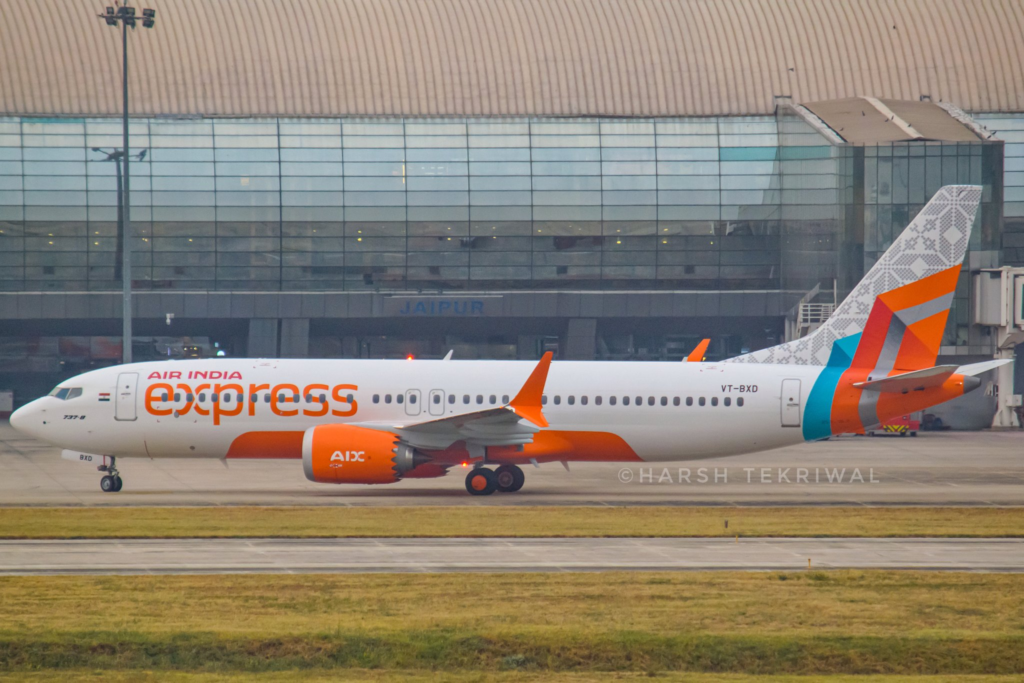
Investigation Planned by Indian and Thai Aviation Authorities
A DGCA official stated that a formal investigation will be conducted in coordination with Thailand’s aviation authorities to determine the exact cause of the incident.
In aviation terms, a hard landing occurs when an aircraft contacts the runway with excessive vertical speed and force, often caused by unstable approach conditions, sudden wind shifts, or pilot misjudgment during touchdown.
The official also noted that the aircraft’s nose wheels were replaced during routine maintenance on March 8, just days before the incident. Investigators are expected to examine maintenance records and flight data as part of the probe.
Airport officials worked to tow the aircraft off the runway, allowing operations at Phuket International Airport to resume once the obstruction was cleared.
Similar Incident
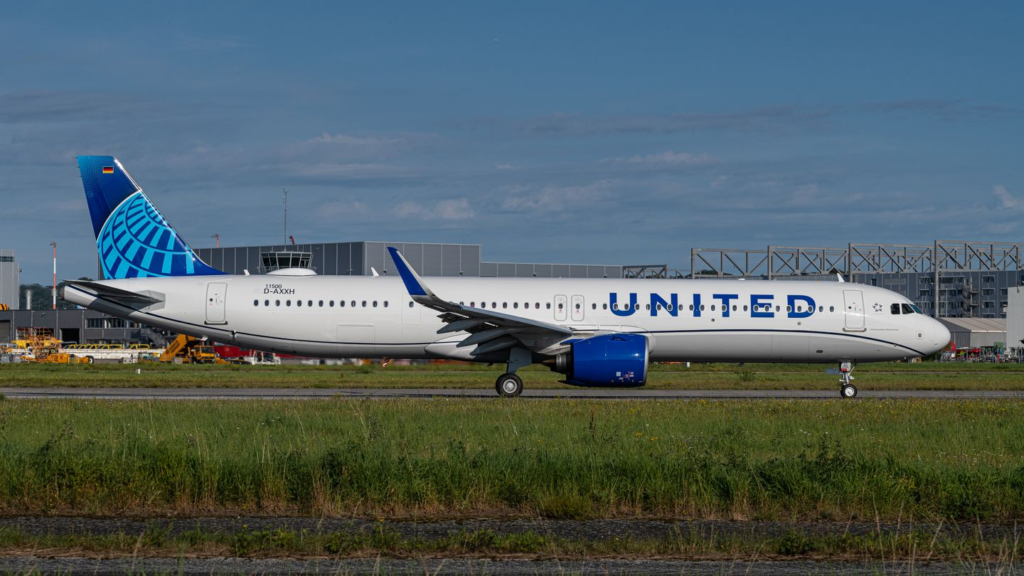
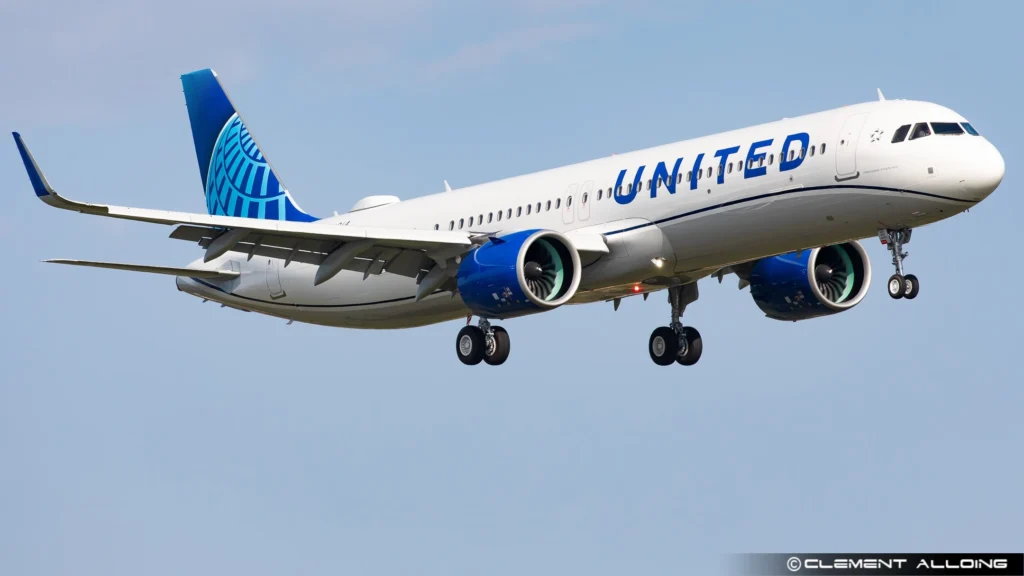
United Airlines (UA) faced a serious landing incident when one of its Airbus A321neo aircraft lost a nose wheel after touchdown at Orlando International Airport (MCO).
The aircraft was operating a scheduled flight from Chicago O’Hare International Airport (ORD) to Orlando International Airport (MCO). The event forced a temporary ground stop during a busy travel period and triggered an investigation into the landing dynamics.
Hard Landing Incident Involving United Airlines A321neo
On January 18, 2026, shortly after 12:30 PM local time, United Airlines flight UA2323 experienced a hard landing at Orlando International Airport (MCO).
The flight departed from Chicago O’Hare International Airport (ORD) and was operated by a two-year-old Airbus A321neo registered as N14502. The aircraft completed a routine flight lasting about 2 hours and 19 minutes before the incident occurred during touchdown.
Video footage shared online captured the landing sequence. The aircraft initially appeared to land normally, with the left main landing gear touching the runway first, followed by the right main gear.
Seconds later, the aircraft bounced slightly and drifted toward the right side of the runway. During this unstable phase, the left main landing gear briefly lifted off the ground again.
The nose landing gear contacted the runway before the aircraft had fully stabilized on its main landing gear. This uneven load distribution placed significant stress on the forward landing gear assembly.
Shortly afterward, one of the nose wheels detached from the aircraft and rolled away toward the side of the runway. The aircraft continued decelerating and eventually came to a stop on the runway surface.
Weather conditions at the time included gusty winds. While such conditions can complicate landing procedures, they do not fully explain the structural stress that led to the nose wheel separation.
Airport Operations Disrupted After Runway Incident
Following the incident, Orlando International Airport (MCO) issued an immediate ground stop.
Airport authorities temporarily halted all arrivals and departures so emergency responders could secure the runway and inspect the aircraft. The event occurred during a peak travel period, which led to delays and operational disruptions for several airlines.
The affected Airbus A321neo was removed from service after the incident. The aircraft is expected to remain grounded while maintenance teams carry out a detailed inspection and necessary repairs.
Investigation Focuses on Aircraft Damage and Video Evidence
Investigators are working to determine the full extent of the damage. It remains unclear whether the repair will involve only replacing the detached wheel or if the nose gear assembly or nearby fuselage structures also sustained damage.
Such assessments typically require detailed engineering inspections and structural evaluations before the aircraft can safely return to service.
Observers have also discussed the source of the widely circulated landing video. The recording angle suggests it may have been captured from another aircraft cockpit or by airport operations personnel from a vehicle near the runway.
If the video was recorded from a cockpit, it may raise questions regarding mobile phone use during critical flight phases. However, the footage could also provide useful visual evidence for investigators analyzing the sequence of events.
Stay tuned with us. Further, follow us on social media for the latest updates.
Join us on Telegram Group for the Latest Aviation Updates. Subsequently, follow us on Google News
