


WASHINGTON— Airlines across the United States continue competing aggressively for experienced pilots in 2026, especially as military aviators remain among the industry’s most valuable recruits.
Major carriers, including American Airlines (AA), Delta Air Lines (DL), and United Airlines (UA), increasingly rely on pilots serving simultaneously in the Air National Guard and military reserve units.
The hybrid career model allows pilots to earn both airline and military compensation while maintaining active service commitments.
Under military leave differential programs, reserve and Air National Guard pilots can receive supplemental payments ranging from $15,000 to $40,000 annually when deployed or assigned to extended military duties.
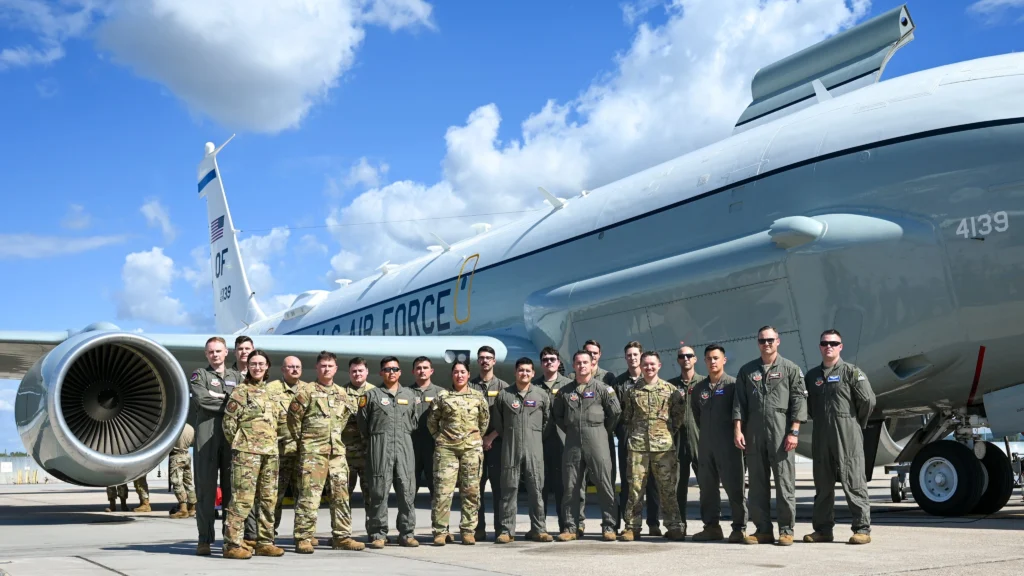
US Air Force Reserve Force Hybrid Pay System
Airline pilots serving part-time in military units typically earn civilian pay only for flights operated with their carrier. During monthly reserve drills or military flying periods, airlines remove scheduled trips from the pilot’s roster and deduct those hours from monthly airline compensation.
The compensation structure changes significantly during long-term military assignments. When pilots receive deployment or training orders lasting several weeks or months, they notify their airline’s military leave department and transition temporarily to military pay systems.
Under federal employment protections, airlines must preserve the pilot’s seniority and position during qualifying military absences. Many carriers then calculate the difference between military earnings and normal airline income, later issuing supplemental payments to bridge the compensation gap.
The policy helps airlines retain highly trained aviators during a prolonged pilot shortage. It also gives military pilots financial stability while continuing their national defense service.
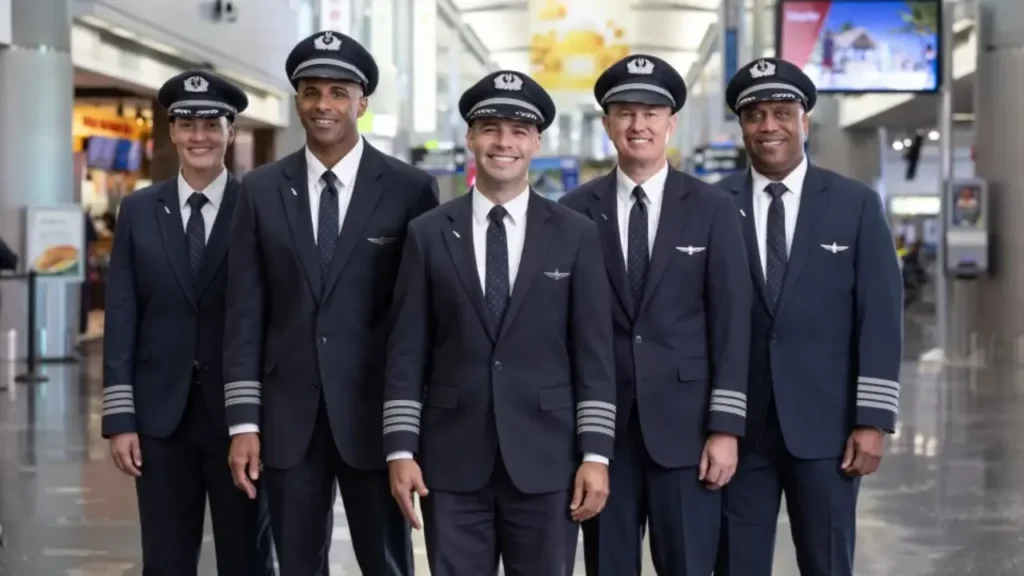
Airline Salary Growth
Commercial airline pilot salaries have climbed sharply in recent years due to staffing shortages and strong travel demand.
Senior captains at major US airlines can now exceed $550,000 annually before bonuses, especially on long-haul international routes.
Military compensation remains competitive, particularly for experienced officers. However, airline pay scales continue to offer substantially higher long-term earning potential, retirement contributions, and scheduling flexibility.
According to industry estimates, first officers at major airlines typically earn between $106,000 and $120,000 annually.
Mid-career captains often surpass $300,000 per year, while senior widebody captains command some of the highest salaries in global aviation.
Regional airlines have also increased compensation packages to attract younger aviators. Several carriers now offer sign-on bonuses ranging from $15,000 to more than $200,000, depending on experience levels and fleet requirements, Simple Flying flagged.
ALSO READ: Private Jet Pilot Salary in the US in 2026

Military Pilot Pipeline
The US military remains one of the largest training pipelines for future airline pilots.
Many aviators begin through Reserve Officers’ Training Corps programs, military academies, or Officer Candidate School before entering undergraduate pilot training.
Military pilots gain extensive multi-engine, instrument, and operational experience while flying complex aircraft in demanding environments.
Airlines highly value this background because it reduces training timelines and accelerates captain upgrades.
The transition to civilian aviation still requires additional certifications from the Federal Aviation Administration.
However, military flight hours often satisfy most experience requirements needed for airline transport pilot certificates.
Stay tuned with us. Further, follow us on social media for the latest updates.
Join us on Telegram Group for the Latest Aviation Updates. Subsequently, follow us on Google News
