


WASHINGTON- The Pentagon’s latest operational assessment found that the F-35 Lightning II modernization program has failed to deliver the combat improvements originally expected from its Technology Refresh 3 upgrade package.
F-35 Lightning II and Washington are now central to a broader discussion involving aircraft procurement, software reliability, future air combat systems, and international military readiness.
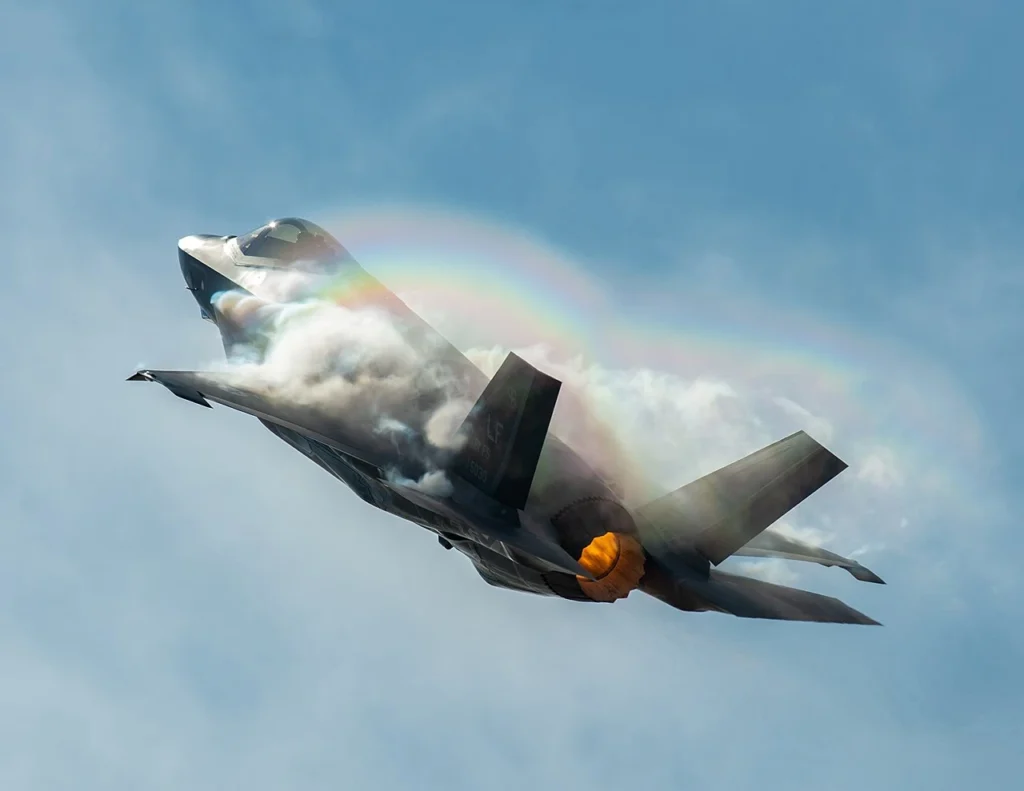
F-35 TR-3 Software Failure
The F-35 program entered a major modernization phase in 2024 when Lockheed Martin introduced the Technology Refresh 3, commonly called TR-3, software package across the fleet.
The upgrade was designed to prepare the fifth-generation fighter for the broader Block 4 modernization effort.
TR-3 represented a significant technological change for the aircraft. Lockheed Martin promoted the package as a major computing improvement with approximately 37 times greater processing power and nearly 20 times more memory capacity compared with earlier configurations.
The additional computing capability was expected to support advanced sensor fusion, electronic warfare improvements, expanded weapons integration, and greater battlefield networking capability.
Instead, testing identified extensive software performance issues.
The Pentagon’s 2025 Director of Operational Test and Evaluation report, published in March 2026, concluded that the TR-3 package had not delivered any new combat capability throughout 2025.
The assessment also projected that complete modernization capability may not arrive before 2031.
According to Simple Flying, the testing process remains significantly behind the original schedule and continues to require repeated corrections and software revisions.
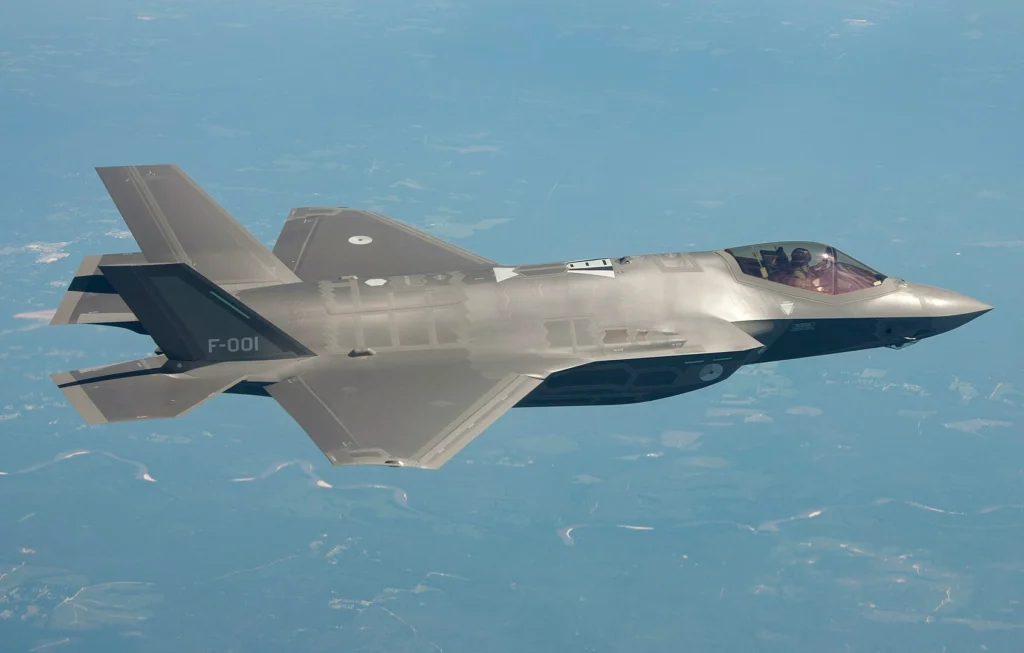
Three Primary Issues Identified
The Pentagon identified three major causes behind the negative assessment.
The first involved recurring software failures. Flight testing identified frequent crashes, system instability, and operational deficiencies that repeatedly disrupted missions and prevented effective testing activities.
The second involved capability delivery. Testing found that the software package failed to provide any new combat functionality during 2025 despite the substantial modernization effort.
The third issue involved continuous defect discovery. Testing repeatedly uncovered new technical problems that required additional corrections before the software could progress further.
The report specifically noted that the TR-3 40R02 software build remained unusable for most of the year. The earlier TR-2 30R08 build also experienced similar stability problems. Testing remains in an active fly-fix-fly cycle at Edwards Air Force Base.
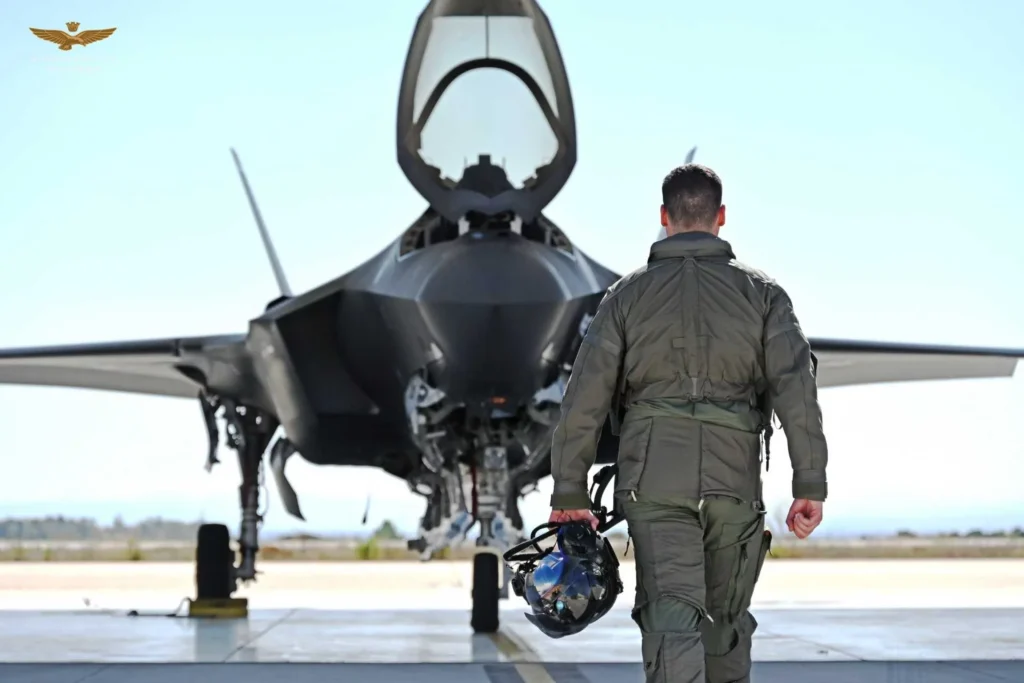
F-35 Procurement Plans Shift to Future Programs
The software problems are already affecting future military spending priorities. The US Air Force originally intended to acquire 48 conventional takeoff and landing F-35A aircraft during fiscal year 2026.
Current Pentagon budget proposals reduce that figure to only 24 aircraft, representing a procurement reduction of approximately 45%.
At the same time, funding for the Next Generation Air Dominance program continues to increase. Estimates indicate that as much as $5 billion could move toward development of future sixth generation systems.
Some critics inside defense circles argue that continuing large investments in an aircraft with persistent developmental issues may represent diminishing returns.
Attention has increasingly shifted toward Boeing’s F-47 development program after the company secured the contract during early 2025.
Current plans suggest:
- First F-47 flight target: 2028
- Combat capable deployment target: 2030
- Integration with Collaborative Combat Aircraft systems
Collaborative Combat Aircraft programs, often called loyal wingman drones, are also moving toward advanced prototype stages and are intended to operate alongside crewed aircraft.
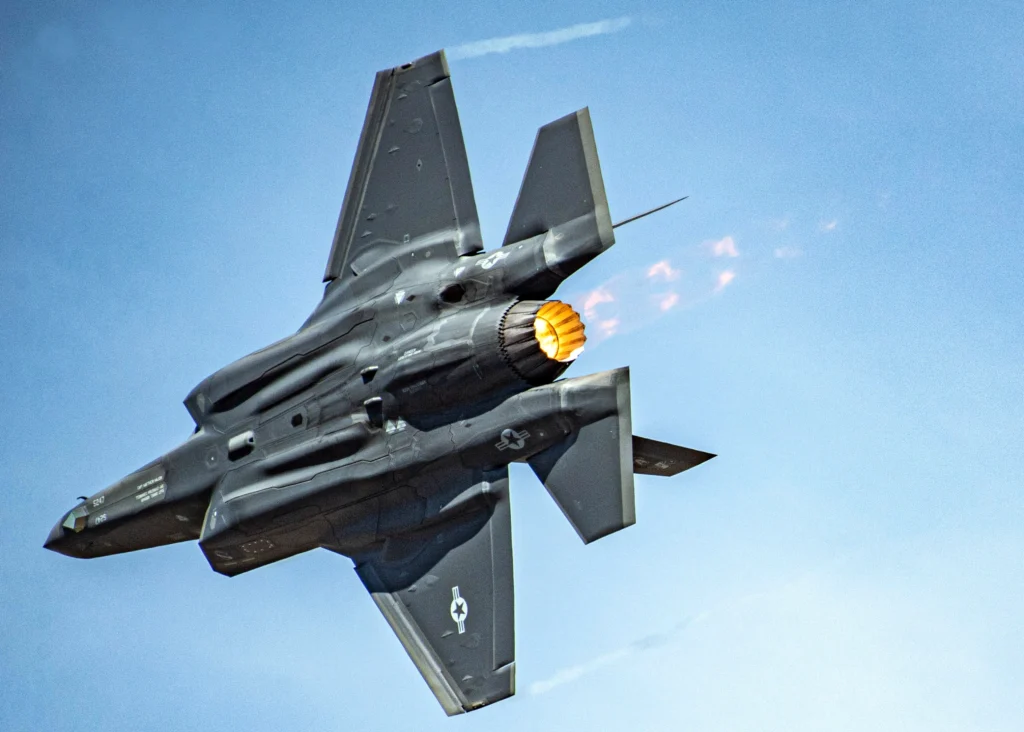
Block 4 Improvements Remain Restricted
Block 4 modernization was intended to transform the F-35 into a significantly more capable battlefield platform.
The program aimed to improve:
- Radar performance
- Sensor fusion
- Electronic warfare capability
- Long-range weapons compatibility
- Infrared tracking
- Data processing performance
Many of these capabilities remain unavailable because the aircraft hardware depends on stable TR-3 software support.
The F-35 already contains most of the required physical systems. Software instability currently prevents the aircraft from using those systems to their full potential.
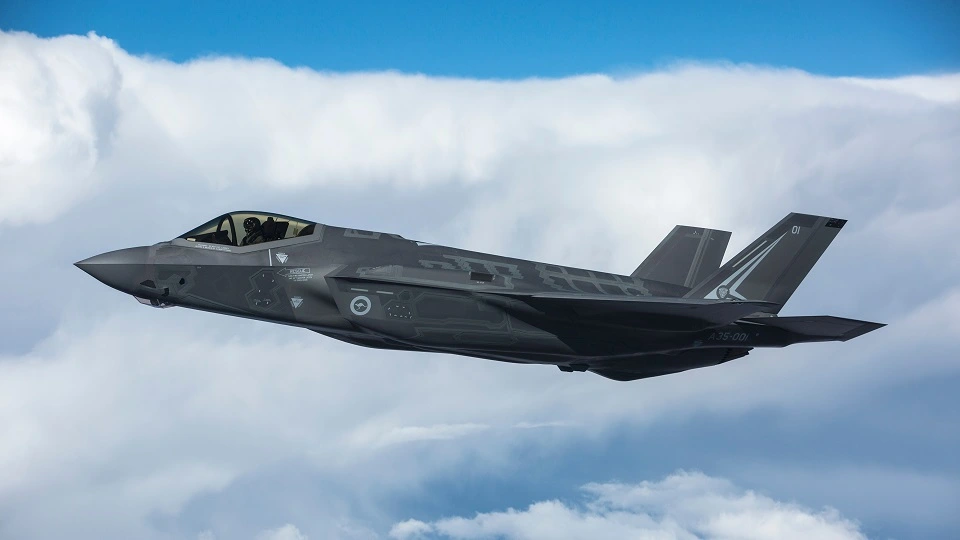
Radar And Sensor Systems Face Major Limitations
Two of the most affected systems involve radar and optical sensors. The AN/APG-85 Active Electronically Scanned Array radar was expected to support additional precision-guided weapons and potentially future hypersonic missile integration.
Current software limitations prevent those capabilities from becoming fully operational. The Next Generation Distributed Aperture System has also experienced substantial issues.
The Distributed Aperture System uses multiple infrared sensors around the aircraft to provide a stitched 360-degree view through the HMDS III helmet-mounted display system.
Lockheed Martin promoted this capability as a “God’s eye view” that would allow pilots to effectively see through the aircraft structure.
Testing instead identified recurring image freezes and display failures that currently limit the system primarily to training environments.
Supply chain problems have also compounded software difficulties. Recent examples reportedly involved F-35 aircraft deliveries without radar systems installed.
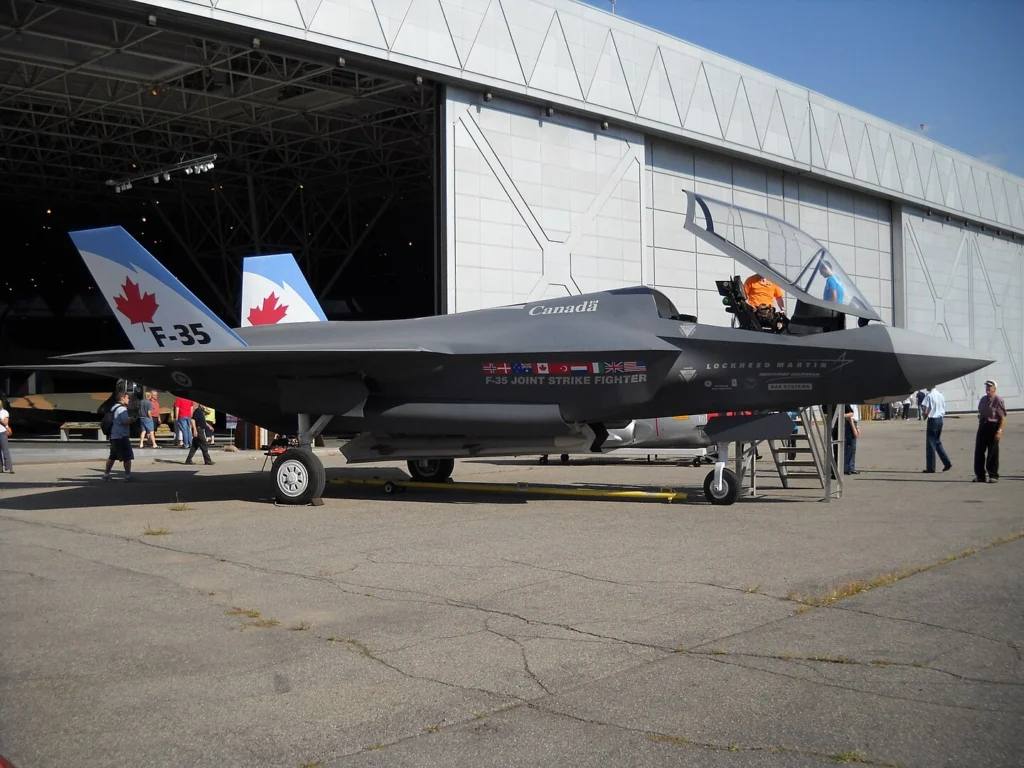
Electronic Warfare Capability
Electronic warfare represented another major Block 4 objective.
The AN/ASQ-239 electronic warfare suite was designed to act as a digital shield by providing:
- Enemy sensor detection
- Threat identification
- Radar jamming
- Electronic attack capability
Current limitations reduce the system largely to basic threat awareness functions involving targeting radars, surface-to-air missiles, and hostile aircraft. Advanced electronic attack capability remains restricted.
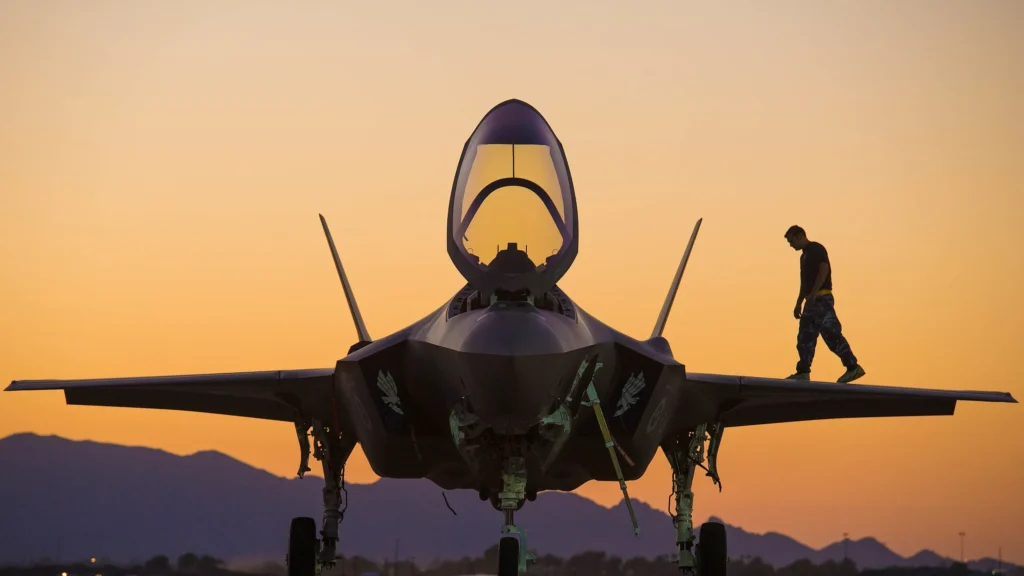
Weapons Integration Problems Continue
The software delays also affect weapons deployment capability. One major issue involves the Sidekick internal weapons rack system.
The Sidekick configuration was intended to increase internal missile capacity from:
- 4 internal missiles
- 6 AIM-120D3 air-to-air missiles or Joint Strike weapons
The software environment currently prevents operational use of those expanded capabilities. The aircraft’s integrated core processor has also struggled with performance limitations.
Higher electrical demand places additional stress on the Pratt & Whitney F135 engine, creating overheating and power generation concerns.
The planned Pratt & Whitney Engine Core Upgrade intended to improve cooling and power output is now expected no earlier than 2030.
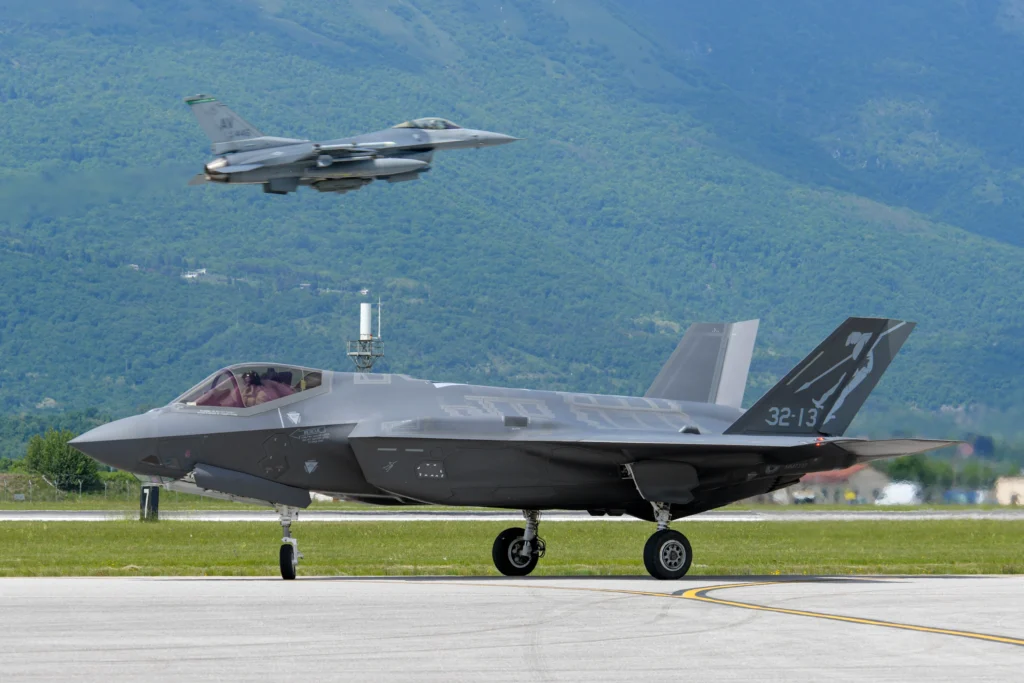
Global Operators Face Operational Effects
The F-35 program has now produced more than 1,300 aircraft serving three US military branches and 19 international operators.
The consequences extend beyond the United States because many partner nations planned their future air forces around F-35 capability growth.
Countries including Canada, Switzerland, and the United Kingdom have reportedly reconsidered future procurement quantities.
Potential sales discussions involving Spain and Portugal have also faced complications. Some countries retired older fourth generation aircraft with expectations that the F-35 would fully replace them.
Denmark and Belgium also committed portions of their F-16 fleets for transfer to Ukraine. Because combat-ready F-35 deliveries remain delayed, those countries extended service life programs for older aircraft.
Denmark reportedly recalled 6 older TR-2 F-35 aircraft from Luke Air Force Base to maintain pilot training and operational readiness while waiting for combat-capable TR-3 aircraft.
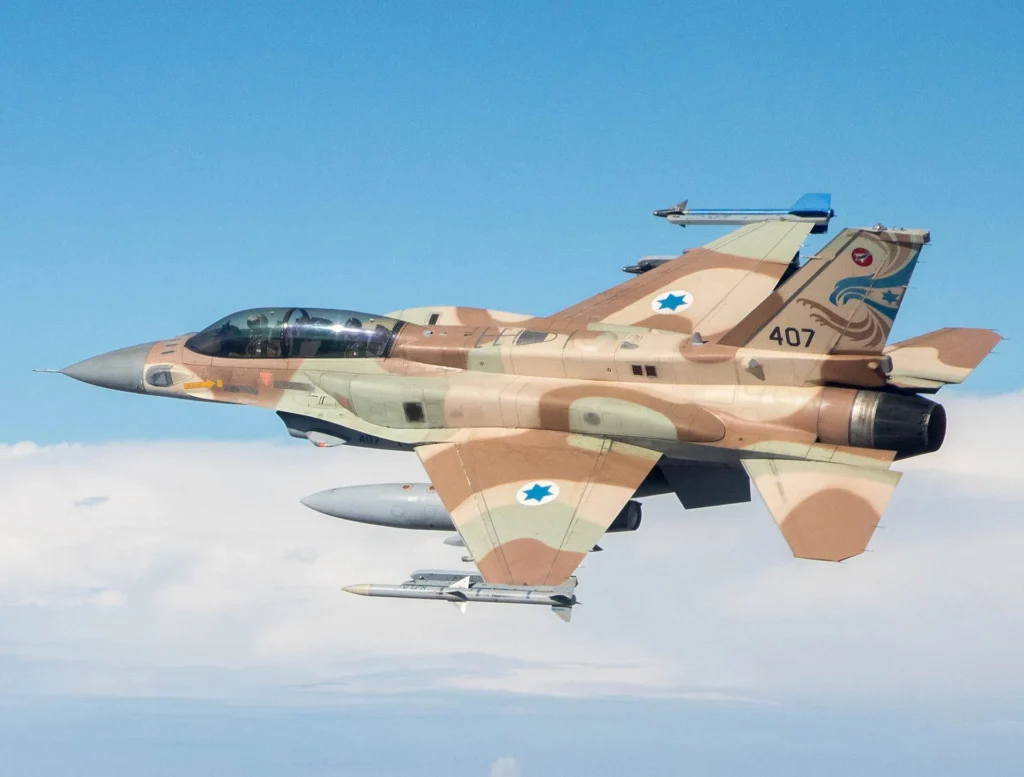
Israel’s F-35 Fleet Uses Different Approach
Israel has managed the situation differently through its F-35I Adir fleet. Unlike many export operators, Israel has permission to install domestic software and hardware modifications into its aircraft.
More stable TR-2 aircraft continue serving in active operational roles. Israel has also bypassed certain software limitations for newer munitions by relying on available legacy weapons, including JDAMs deployed from under-wing hardpoints.

Future Outlook
The Pentagon currently expects improved software capability later this year, although the Block 4 modernization plan has already been restructured and scaled down to create a more predictable development path.
Current projections indicate that complete Block 4 implementation may not occur before 2031.
The F-35 remains among the most technologically advanced combat aircraft ever built. However, recent evaluations demonstrate that advanced hardware alone cannot guarantee combat capability without stable software systems supporting mission execution.
Stay tuned with us. Further, follow us on social media for the latest updates.
Join us on Telegram Group for the Latest Aviation Updates. Subsequently, follow us on Google News
