

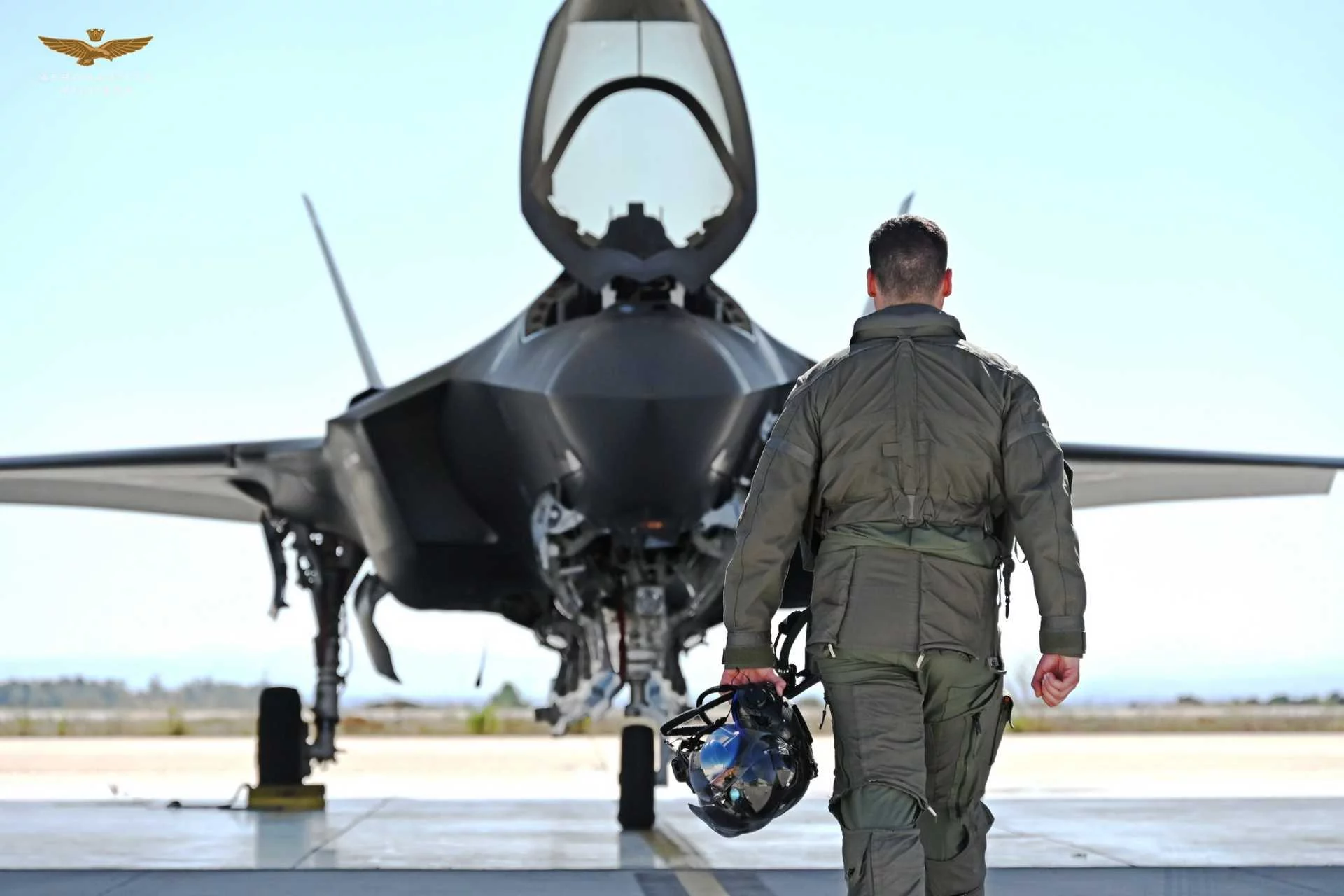
The United States Air Force (USAF) operates one of the world’s most advanced fighter fleets, and the pilots who fly these aircraft receive compensation that reflects both skill and responsibility. While the role is often associated with prestige and risk, pay for US Air Force fighter pilots follows a structured system rather than a single headline salary.
Much of the USAF’s administrative and policy oversight is centered in Washington, DC, where military pay tables and aviation incentives are approved each year. These centrally defined rules shape how fighter pilot earnings grow from entry-level training through senior command roles.
Becoming a fighter pilot requires years of education, flight screening, and operational training. Compensation is designed to support retention in a role where civilian airlines actively recruit experienced aviators with the promise of higher pay and predictable schedules.
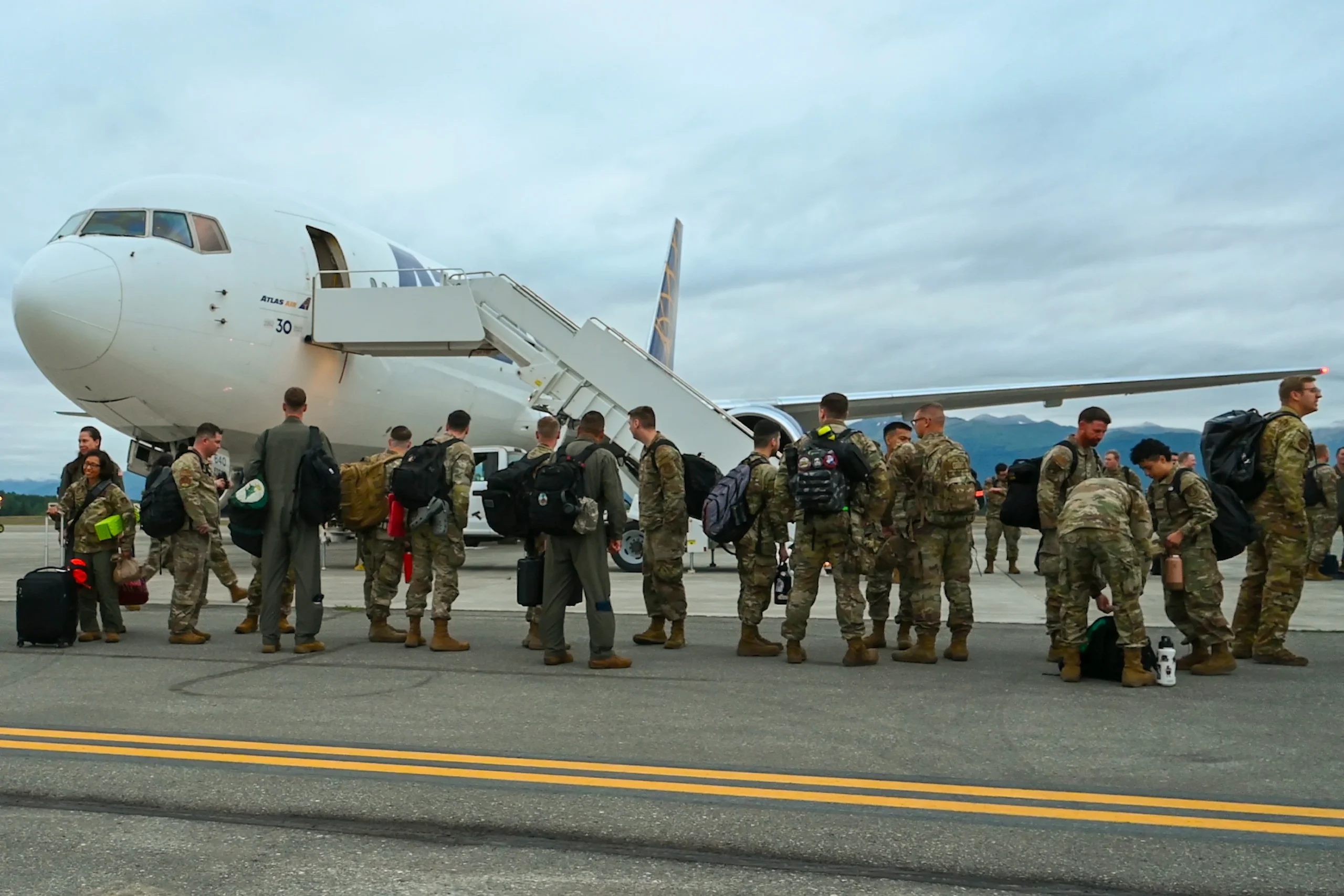
USAF Fighter Pilot Salary in 2026
US Air Force fighter pilot pay is built from multiple components that together form total compensation. Base pay depends on rank and years of service, while additional elements reward flying duties and operational demands.
According to Simple Flying, in 2026, total compensation typically ranges from about $75,000 at the earliest career stage to more than $200,000 for senior officers.
Entry-level pilots, usually holding the rank of Second Lieutenant or First Lieutenant, earn base pay near $50,000, but allowances and flight incentives raise effective income.
Captains in mid-career roles often see total annual compensation between $100,000 and $140,000. Majors, Lieutenant Colonels, and Colonels with long aviation service regularly exceed $150,000, especially when stationed at high-cost bases.
Aviation Career Incentive Pay forms a core part of fighter pilot earnings. This monthly incentive starts at lower levels during early aviation service and increases steadily with experience, reaching the high hundreds of dollars per month for veteran pilots.
According to military sources, housing and subsistence allowances significantly affect take-home pay.
Housing allowances vary by duty location, rank, and family status, often ranging from $1,200 to more than $3,000 per month, while food allowances add several thousand dollars annually.
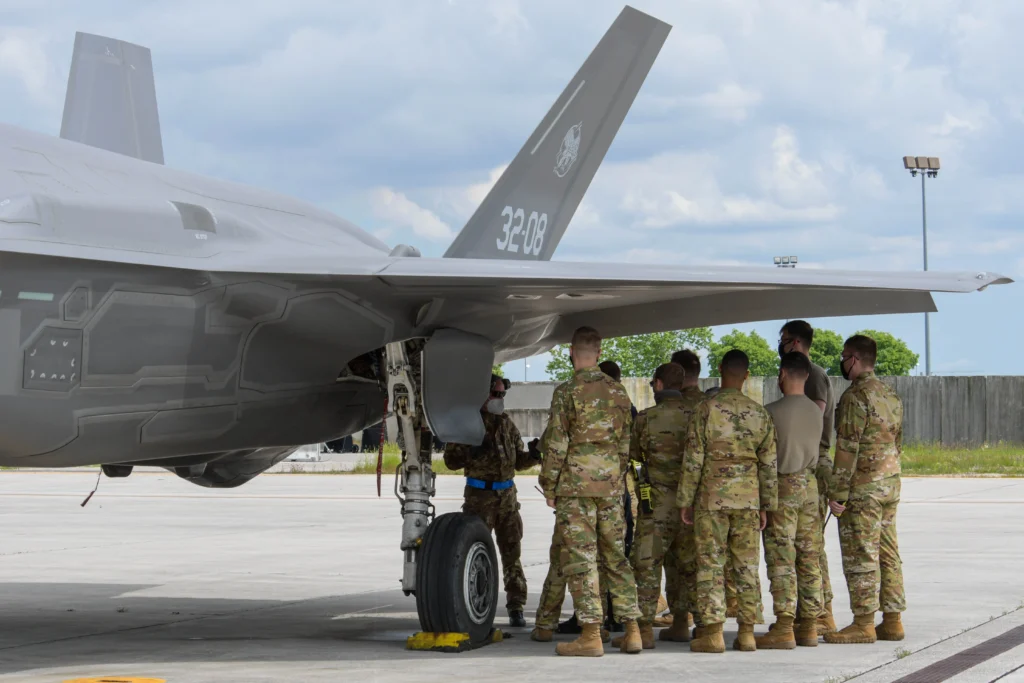
What Influences USAF Pilot Pay?
Several fixed and variable factors determine how much a fighter pilot earns each year, according to some other sources. Rank progression remains the foundation, with promotions unlocking higher base pay bands over time.
Duty location plays a major role in compensation. Pilots assigned to high-cost regions receive larger housing allowances, while those at lower-cost bases receive less despite similar workloads.
Family status also affects pay through higher housing allowances for pilots with dependents. Overseas assignments may include cost-of-living or housing adjustments that differ from domestic postings.
Operational factors further shape earnings. Deployments can trigger temporary allowances related to hardship or family separation, though these payments depend on mission type and duration.
Retention incentives are sometimes offered during periods of pilot shortages. These bonuses can add tens of thousands of dollars annually for experienced fighter pilots who commit to continued service.
Maintaining eligibility for flight incentives requires meeting annual flying and readiness standards. Non-flying assignments or medical limitations can reduce incentive pay, lowering overall compensation.
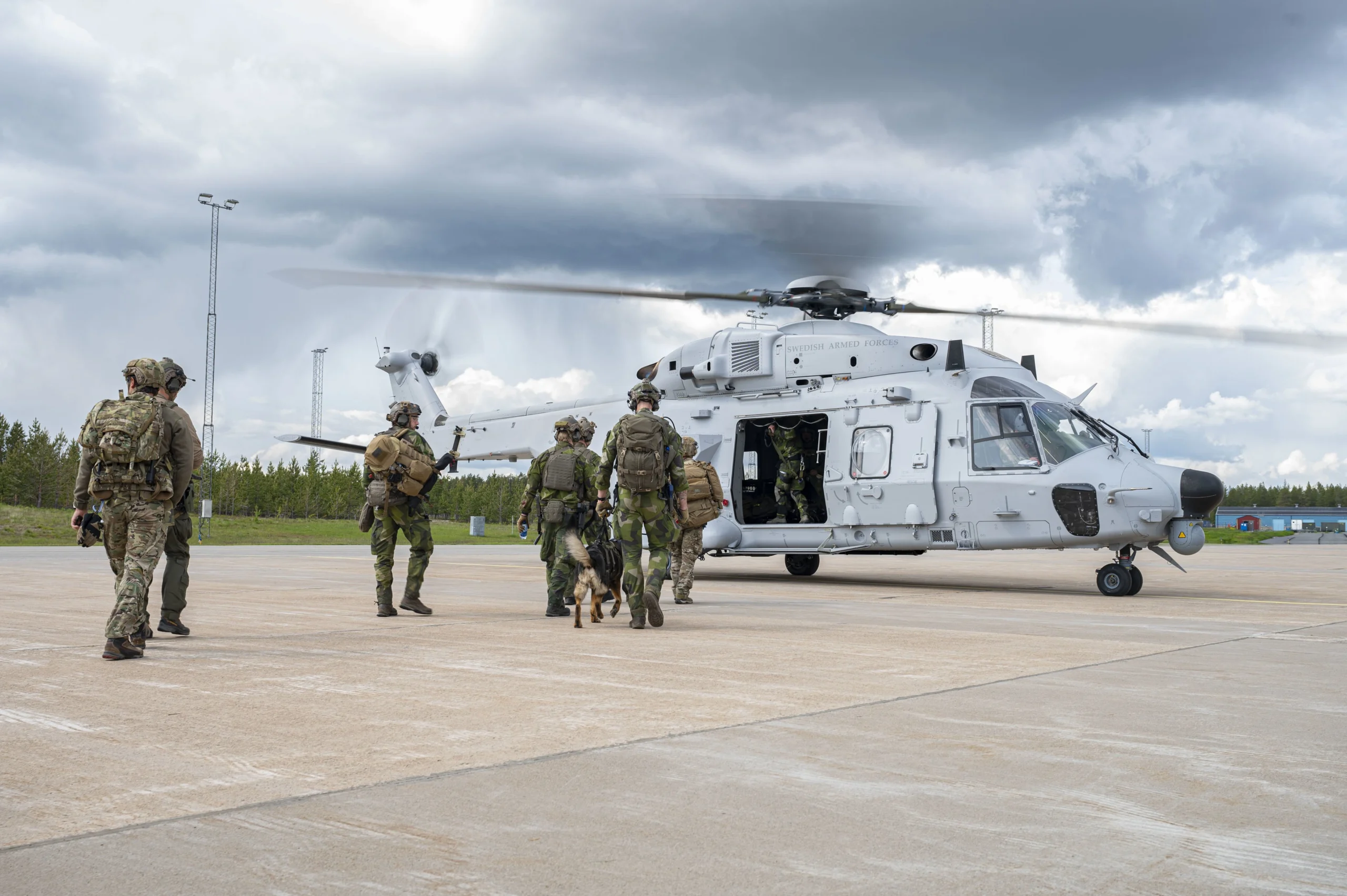
Career Value Comparison
When compared with foreign air forces, US Air Force fighter pilot compensation stands out for its structure and long-term benefits. In contrast, many international counterparts earn far lower base salaries during peacetime service.
Beyond annual pay, the USAF package includes full healthcare coverage, education benefits, and a defined retirement pension. After 20 years of service, pilots may qualify for retirement pay equal to roughly half of their base salary.
Civilian airline careers can eventually offer higher peak earnings, but they lack guaranteed pensions and government-backed benefits. Transitioning pilots must also rebuild seniority, which affects schedules and income.
The role carries significant drawbacks despite strong compensation. Fighter flying involves higher physical strain, frequent relocations, and elevated operational risk compared with civilian aviation.
Career interruptions due to injury or medical disqualification can end flying duties early. These risks mean that total earnings vary widely across individual careers.
Despite these challenges, many pilots view compensation as only one part of the equation. The opportunity to fly advanced aircraft, lead missions, and serve national objectives carries value beyond pay alone.
For those who complete a full career, the combination of salary growth, incentives, and retirement security creates a stable long-term financial outcome.
This structure helps explain why the Air Force continues to attract and retain highly qualified fighter pilots.
Stay tuned with us. Further, follow us on social media for the latest updates.
Join us on Telegram Group for the Latest Aviation Updates. Subsequently, follow us on Google News
