


WASHINGTON, DC- Private jet pilots in the United States earn competitive six-figure salaries. Still, their pay remains well below that of pilots at major airlines such as Delta Air Lines (DL) and United Airlines (UA). Union contracts, seniority systems, aircraft complexity, and long-term benefits drive the difference.
Airline pilots typically operate from major hubs such as Atlanta Hartsfield-Jackson (ATL) and Chicago O’Hare (ORD), while private pilots are more likely to fly from business aviation centers like Teterboro Airport (TEB) and Van Nuys Airport (VNY). These operational environments shape both compensation and quality of life.

How Private Jet Pilot Pay Is Structured
Pilot compensation in the US aviation market is shaped by fundamentally different employment models. Airline pilots work under collective bargaining agreements that guarantee minimum monthly flight hours, defined pay scales, and predictable raises tied to seniority. These agreements steadily increase earnings over a career.
Private jet pilots are usually employed by charter operators, corporate flight departments, or private aircraft owners. Pay is negotiated individually and depends heavily on aircraft type, mission profile, and employer size. There is no universal progression system, and compensation growth is less predictable.
According to the US Bureau of Labor Statistics, the median annual wage for airline pilots, copilots, and flight engineers reached $226,600 in 2024. Commercial pilots outside the airlines earned a median of $122,670 during the same period.
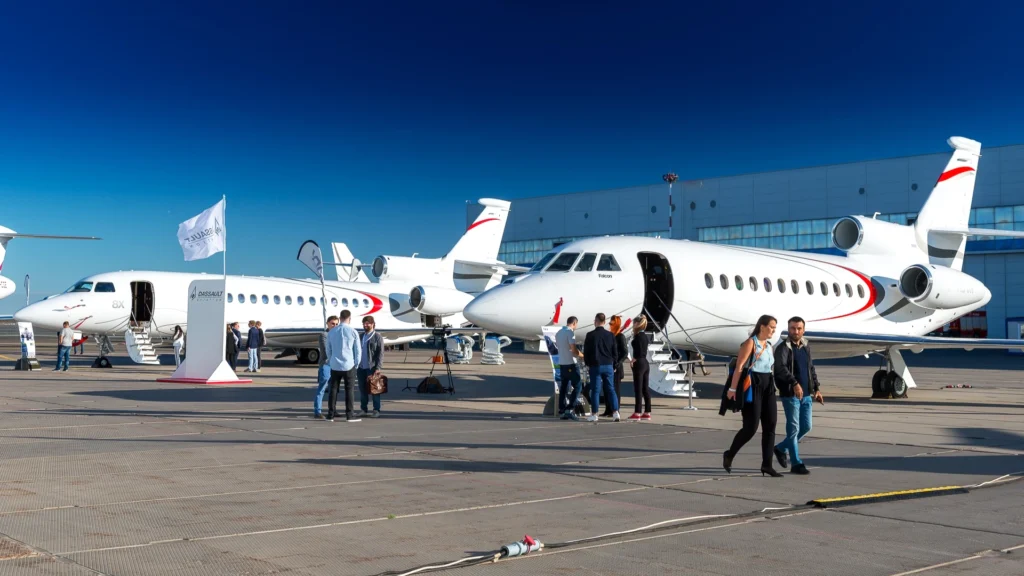
Average Private Jet Pilot Salaries in the US
Estimating private jet pilot pay is more complex due to the fragmented nature of the sector. ZipRecruiter data from January 2026 places the average annual salary for a private jet pilot in the United States at $130,916.
Most private jet pilots earn between $100,000 at the 25th percentile and $155,000 at the 75th percentile. Top earners, representing roughly the 90th percentile, earn close to $175,000 annually. Reported salaries range from as low as $49,500 to as high as $201,500, depending on aircraft and employer.
These figures confirm that private pilots generally earn significantly less than airline pilots, even before benefits are considered, Simple Flying reported.

Base Pay Versus Total Compensation
Base salary represents only part of pilot earnings. Major US airlines commonly contribute 15 to 18 percent of gross pay directly into retirement plans. Profit-sharing programs at carriers such as Delta Air Lines (DL) and Southwest Airlines (WN) can add 5 to 15 percent to annual income in profitable years.
Airline pilots may also receive longevity bonuses of roughly $50,000 every three to five years, along with loss-of-license insurance that can pay up to $1 million for permanent medical disqualification.
A senior widebody airline captain may have a base salary near $350,000, but total annual compensation can approach $450,000 once retirement contributions and profit sharing are included.
Private jet pilots receive fewer standardized benefits. Some charter operators offer sign-on bonuses between $20,000 and $100,000, usually paid over two years. Retention bonuses exist for high-demand aircraft, but total compensation for a private captain typically tops out around $230,000 unless flying the most elite aircraft.
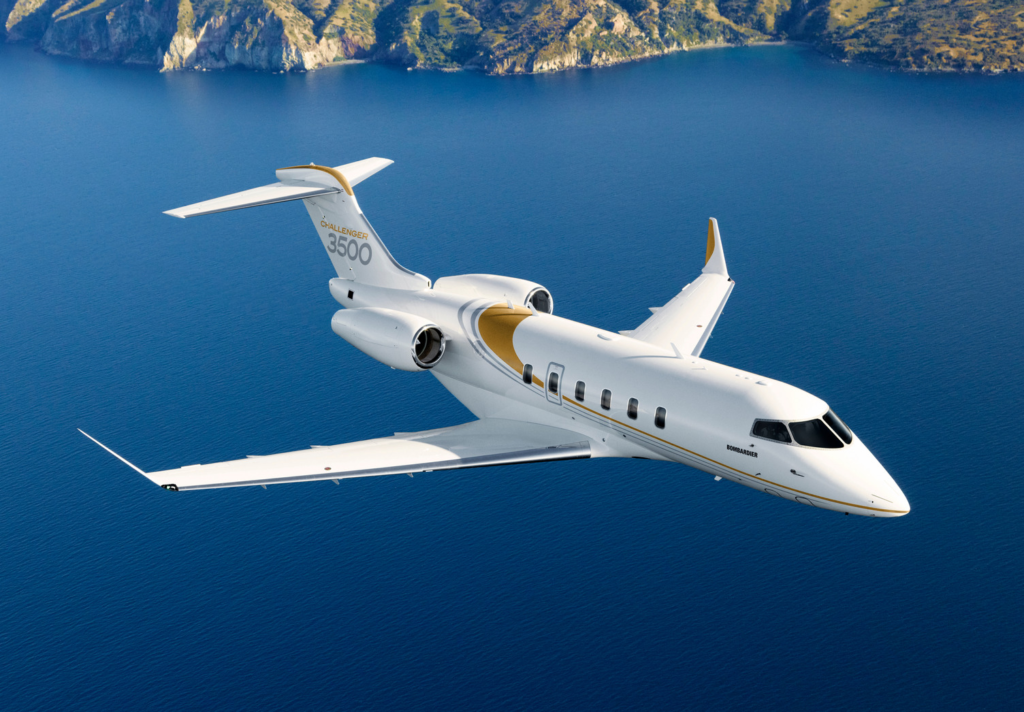
Private Pilot Pay by Aircraft Category
In business aviation, aircraft type is the primary driver of salary. BizJetJobs data groups compensation by aircraft, offering a clear view of pay progression.
Pilots flying Boeing 737 Business Jets can expect first officer pay between $141,200 and $187,600. Captains earn between $237,700 and $365,000, with senior or chief pilots earning slightly more.
Large-cabin business jets such as the Falcon 900, Global 5000, and Global Express offer similar pay ranges. Compensation increases with newer and longer-range variants such as the Global 7500 and Global 8000.
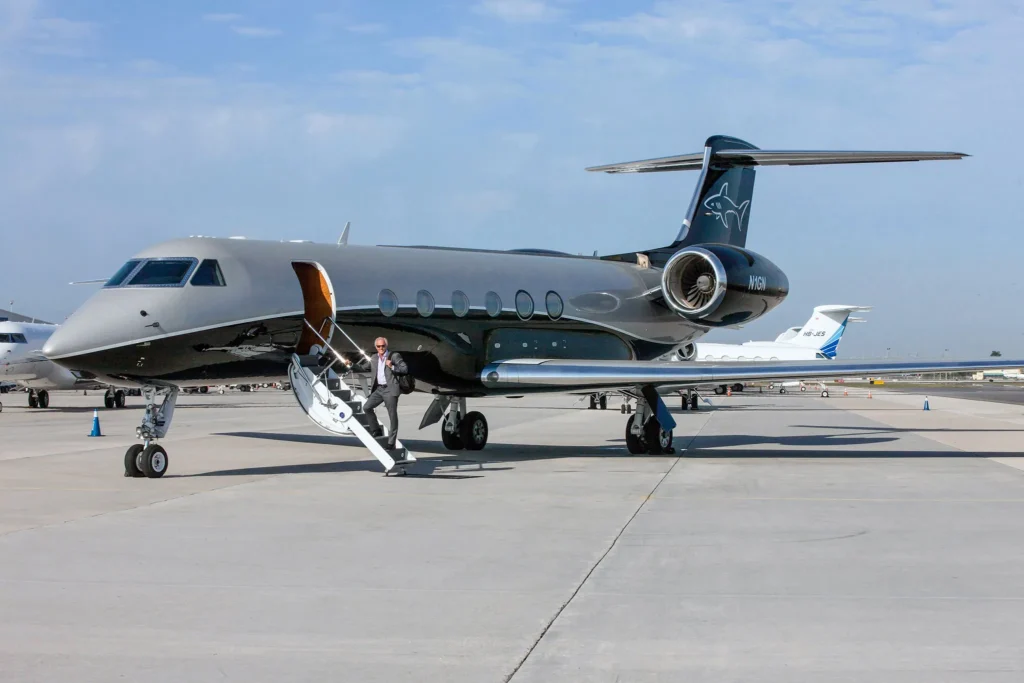
The highest-paid private pilots fly Gulfstream aircraft. Captains on the Gulfstream G700 and G800 earn between $330,400 and $420,400 annually, with senior captains reaching $434,500.
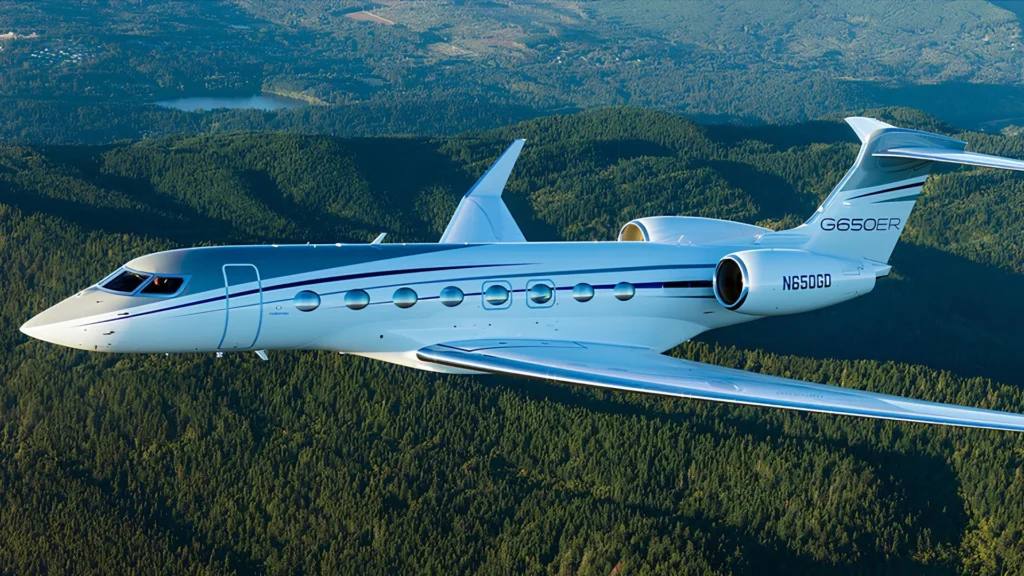
Why Gulfstream G700 and G800 Pilots Earn More
The Gulfstream G700 and G800 represent the top tier of private aviation. These ultra-long-range heavy jets operate complex missions, require advanced training, and fly extended routes that demand extensive planning.
These aircraft are commonly operated by ultra-premium corporate fleets or high-net-worth individuals. Higher operating costs and premium charter rates give operators the financial flexibility to offer higher compensation to attract and retain experienced crews.
In simple terms, premium aircraft support premium pay because they require a premium experience.
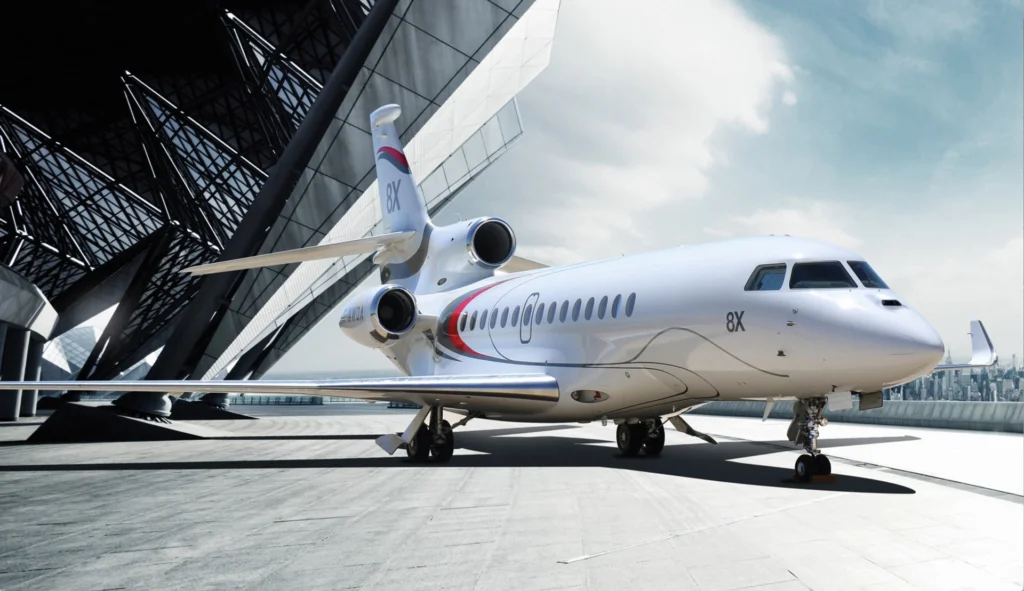
Mid-Size Jets and Light Jets
Pay declines as aircraft size and complexity decrease. Midsize jets such as the Challenger 600 and 650, Falcon 2000, and Citation Latitude offer solid six-figure salaries, but they sit well below the Gulfstream tier.
Light jets, including the Learjet 35 and 36, Hawker 600, 700, and 800, and Citation III and VI, follow the same downward trend. Pilots flying Gulfstream Astra, G100, and G150 aircraft still earn a relative premium within their size category.
Very light jets such as the Embraer Phenom 100 and 300, Pilatus PC-24, and Citation Jet series typically deliver lower pay due to shorter missions and lower operating costs.
Turboprops Offer the Lowest Pay
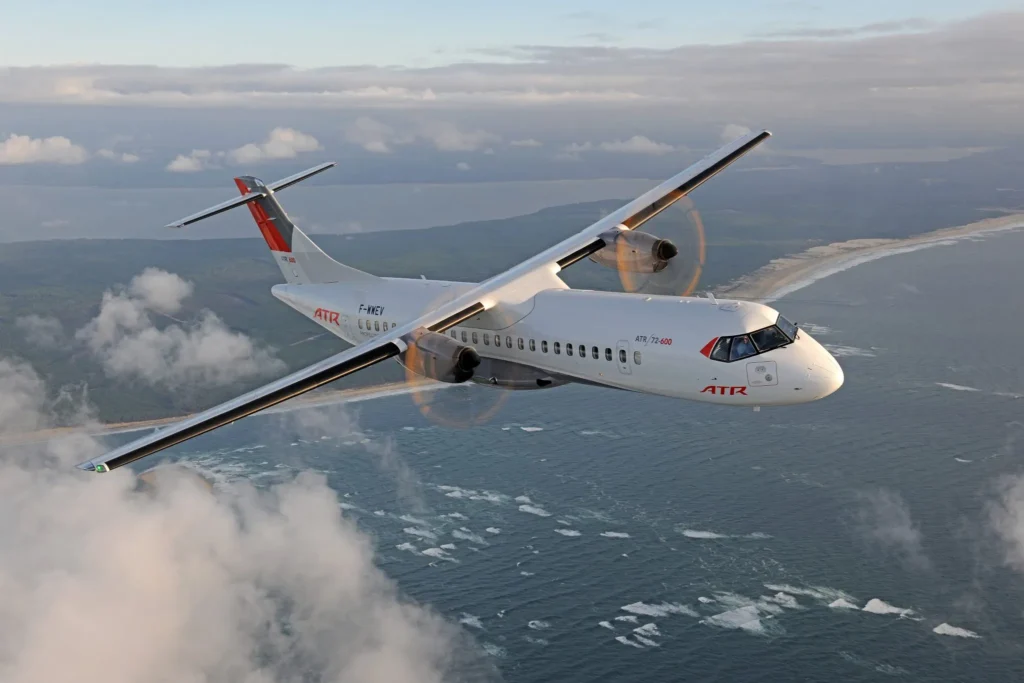
Turboprop aircraft sit at the bottom of the business aviation pay scale. First officers flying the King Air 90 and 100 earn between $65,800 and $98,800 annually. Senior captains typically earn between $73,400 and $110,000.
Pay improves with larger turboprops such as the King Air 200, 250, and 350. The Pilatus PC-12 stands out as the highest-paying turboprop, with first officers earning up to $169,000 and senior captains earning as much as $188,300.
Why Pilots Still Choose Private Aviation
Despite lower lifetime earnings, many pilots choose private aviation for quality-of-life reasons. Airline pilots often spend years commuting through hubs, staying in hotels, and flying repetitive routes between major cities.
Private pilots are more likely to be home-based, operate predictable rotations, and spend fewer nights away from home. Many private operators now use fixed schedules rather than on-call systems, allowing better personal planning.
Private flying also offers operational variety. Missions may include remote islands, mountain airports, and private airfields that airlines never serve. For experienced pilots, autonomy and lifestyle often outweigh higher airline pay.
Stay tuned with us. Further, follow us on social media for the latest updates.
Join us on Telegram Group for the Latest Aviation Updates. Subsequently, follow us on Google News
