

ATLANTA- Delta Air Lines (DL) SkyMiles program has drawn renewed criticism from frequent flyers who argue the loyalty currency delivers far less value than competing airline programs. The Atlanta (ATL)- based carrier has led the industry in reducing first-class upgrades for elite members while increasing award redemption costs.
Despite these reductions, customer loyalty to the Hartsfield-Jackson Atlanta International Airport (ATL) hub carrier has remained largely intact. The program continues to generate significant revenue through its American Express co-brand partnership, even as members report difficulty redeeming accumulated miles for international premium-cabin travel.
How SkyMiles Lost Its Competitive Edge
Delta has spent more than a decade reducing the practical value of its frequent flyer currency. Travel industry observers have used the term “SkyPesos” since 2009 to describe the program’s perceived inflation, with the criticism dating back even further to 2003 when frequent flyers reportedly hired a moving billboard to protest outside the airline’s annual shareholders meeting.
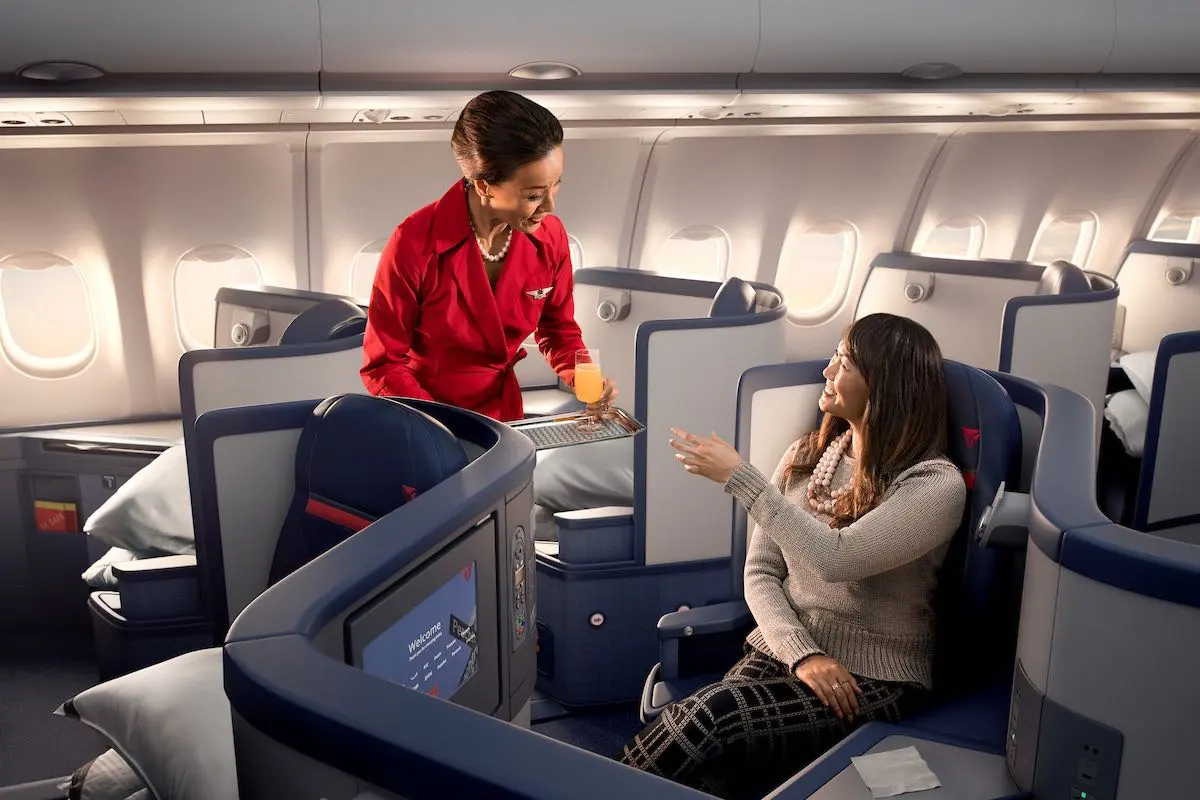
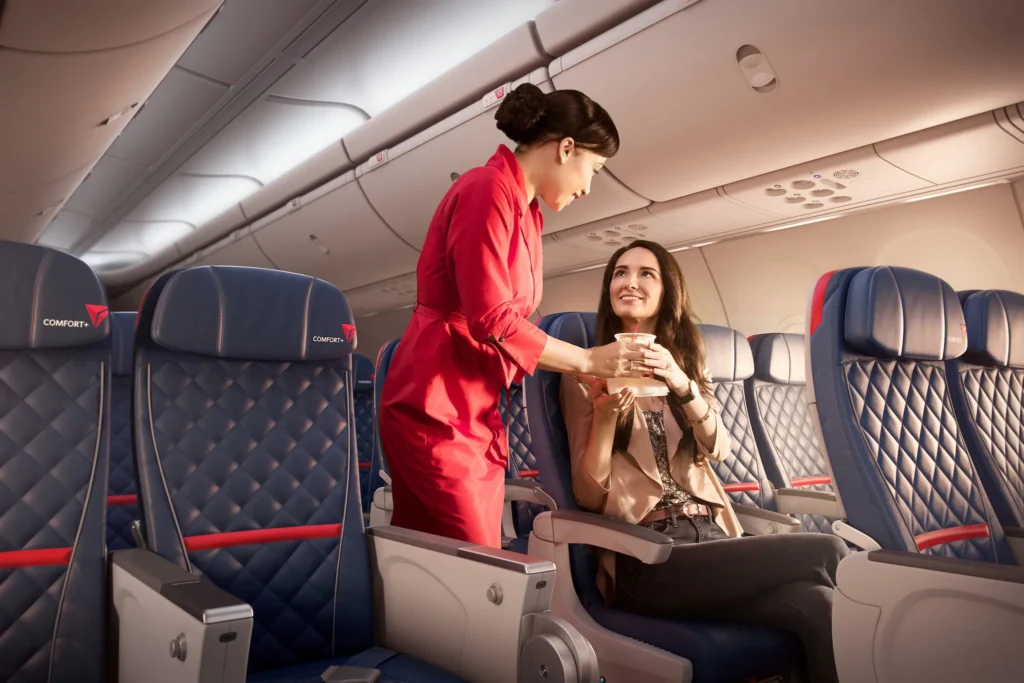
The most visible change involves complimentary first class upgrades. Twenty years ago, roughly 90 percent of first class seats went to upgrades and award redemptions. A decade ago, that figure dropped to about half. Today, only around 12 percent of seats remain available for SkyMiles elite member upgrades.
Delta has simultaneously succeeded in selling leftover first class seats to occasional flyers for prices as low as 26 US Dollars. This strategy generates additional revenue but removes complementary upgrade opportunities for customers spending 30,000 US Dollars or more annually with the carrier, ViewfromtheWing reported.
Reliability Advantage Has Eroded Post-Pandemic
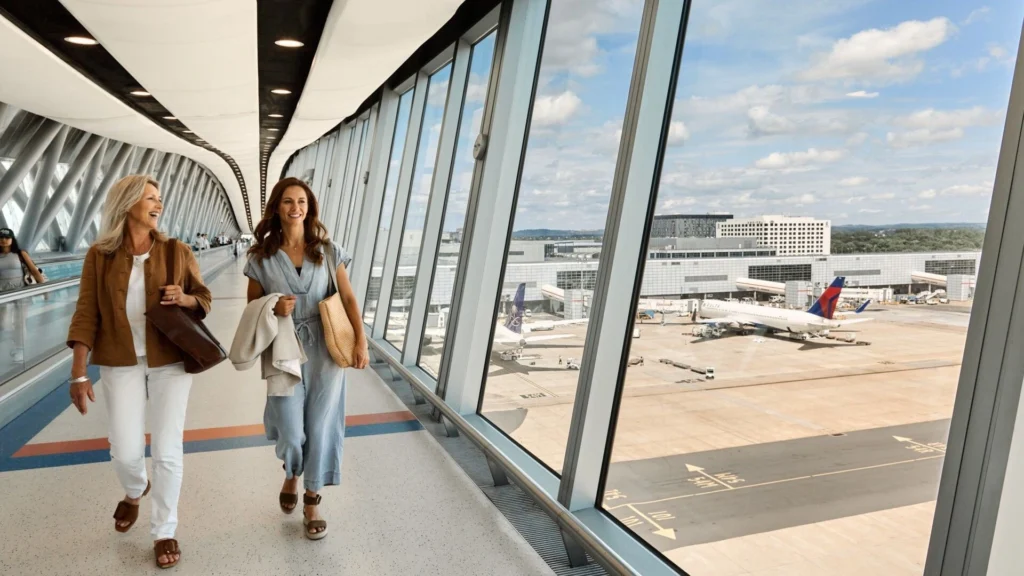
Delta historically held a strong operational advantage over competitors. Before the COVID-19 pandemic, the airline rarely cancelled mainline flights for reasons other than weather. This reliability edge supported its premium brand positioning and reduced the need for aggressive loyalty program investment.
The carrier never fully recovered its operational lead after the pandemic. Industry analysts have linked this decline to the 2020 departure of operations executive Gil West and a 31 percent employee turnover rate during the pandemic, which eroded organizational knowledge. The airline’s President has also recently departed the company.
By contrast, American Airlines (AA) has maintained a strategic focus on keeping its AAdvantage currency more valuable, since the Fort Worth based carrier lacks Delta’s reliability and brand advantages.
The American Express Partnership Drives Program Strategy
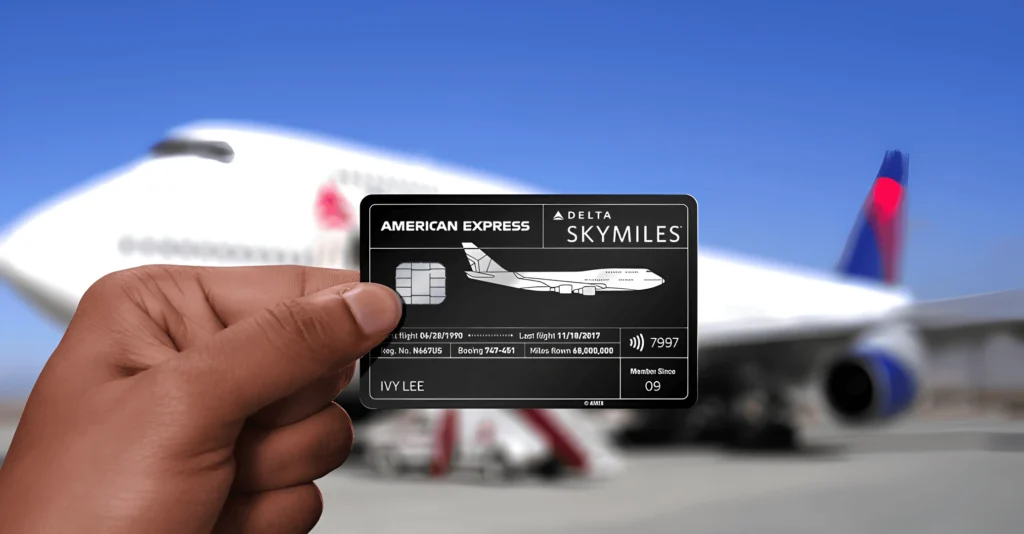
Delta signed a 10-year extension of its American Express co-brand agreement in 2019. The airline projected the deal would generate 7 billion US Dollars in revenue by 2023, but narrowly missed that target. When adjusted for more than 20 percent pandemic-era inflation, the real value fell more than 20 percent behind original projections.
The partnership remains deeper than equivalent arrangements between American Airlines and its co-brand partners, or the previous United Airlines (UA) deal with Chase. American’s newer agreement with Citibank has moved closer to the Delta structure.
Delta has publicly stated a goal of growing American Express revenue to 10 billion US Dollars annually. The airline now appears to be exhausting its existing customer base for card adoption, prompting new acquisition strategies.

New Customer Acquisition Channels
The airline has launched several initiatives to expand the top of its marketing funnel. Free in-flight Wi-Fi now requires SkyMiles membership, encouraging passenger sign-ups. Partnerships with Starbucks and Uber Technologies (UBER) allow members to earn miles through non-flight activities.
An announced partnership with DraftKings (DKNG) was never implemented but represented another channel to attract new members. These efforts suggest Delta is working to compensate for limited growth opportunities among its existing membership base.
Failed Attempt at Program Changes
In fall 2023, Delta attempted to substantially increase the spending required for elite status. The proposed changes generated significant backlash from frequent flyers, prompting the airline to partially walk back the program modifications. The episode demonstrated that members had limits on how much additional value extraction they would accept.
Why Customers Continue to Stay Loyal
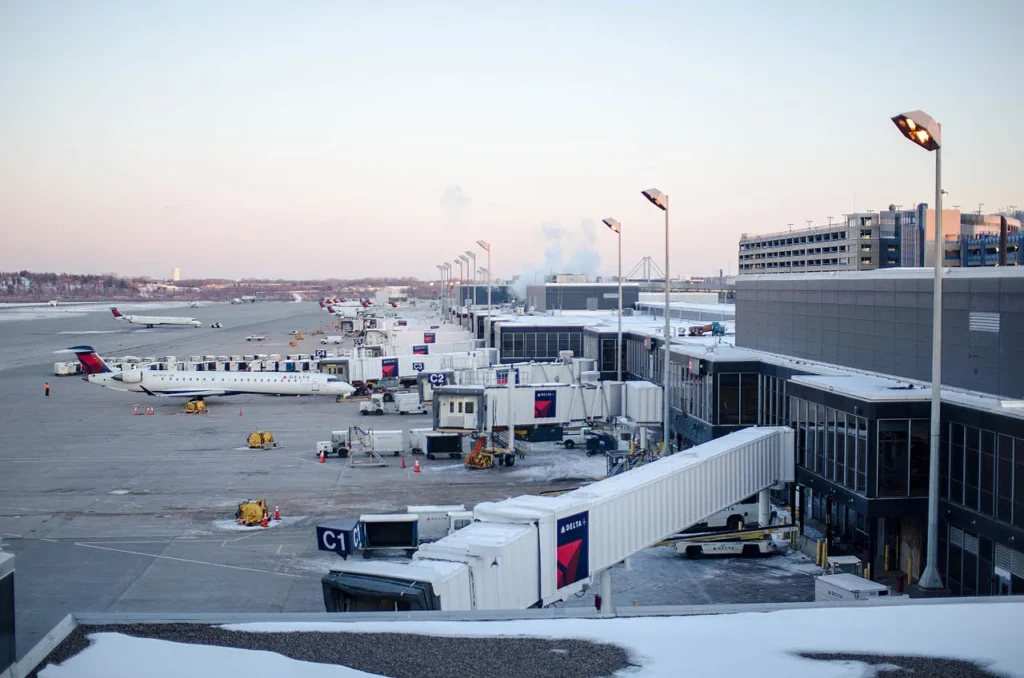
Several factors have insulated Delta from the customer defection that loyalty program devaluations might typically generate. The carrier maintains strong hub positions in Atlanta (ATL), Minneapolis-St. Paul (MSP), Detroit (DTW), Salt Lake City (SLC), and other former Northwest Airlines strongholds.
Delta has also invested more heavily in branding than its competitors, building strong consumer recognition as a premium carrier. Many customers chose Delta based on schedule and route availability, then enrolled in SkyMiles by default without comparing alternative loyalty programs.
The carrier’s previous reliability advantage created switching costs for business travelers who valued on-time performance. Status holders accumulated benefits that made changing airlines costly, even as the value of those benefits declined over time.
Stay tuned with us. Further, follow us on social media for the latest updates.
Join us on Telegram Group for the Latest Aviation Updates. Subsequently, follow us on Google News
