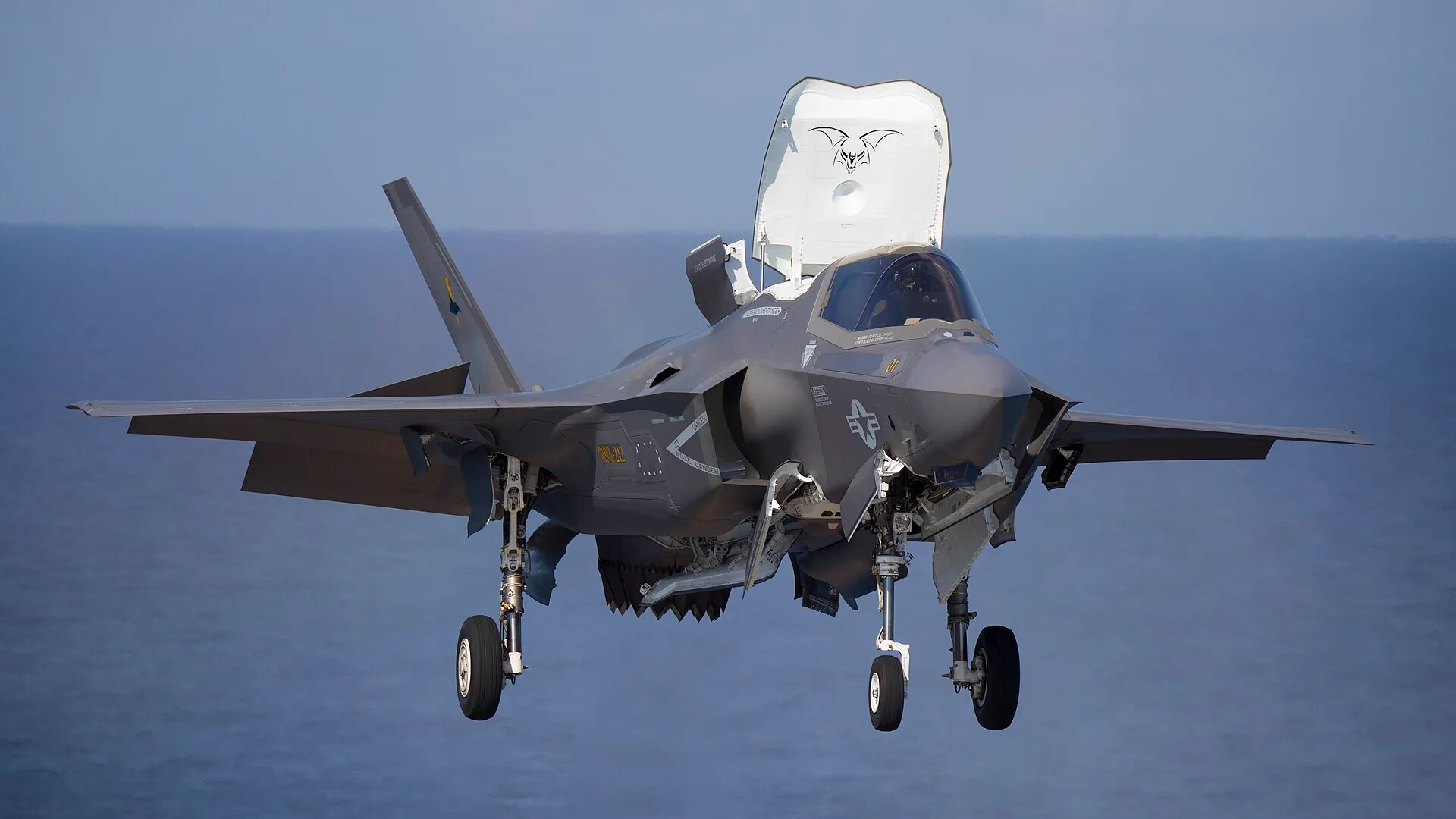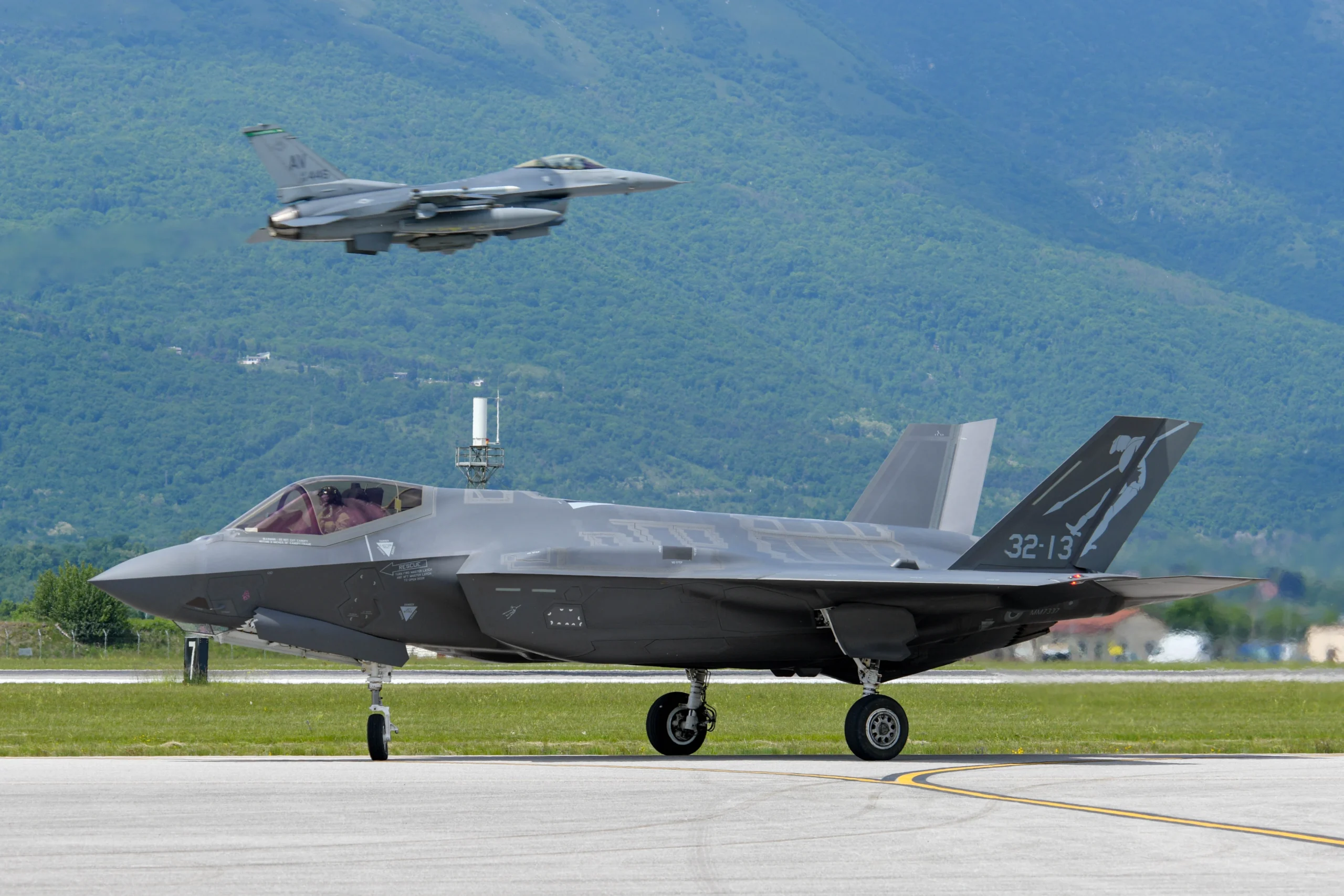
LONDON– The United Kingdom will equip its fleet of Lockheed Martin F-35B Lightning II stealth fighters with Boeing Small Diameter Bomb II (SDB-II) weapons as an interim capability while integration delays continue to affect Europe’s MBDA Spear 3 missile program.
The decision was confirmed by the UK Ministry of Defence (MoD) as Britain simultaneously confronts growing maintenance concerns tied to maritime deployments of its F-35 fleet.
The procurement approval comes as the Royal Air Force and Royal Navy attempt to address operational shortcomings exposed during the 2025 Operation Highmast carrier strike deployment aboard HMS Prince of Wales.
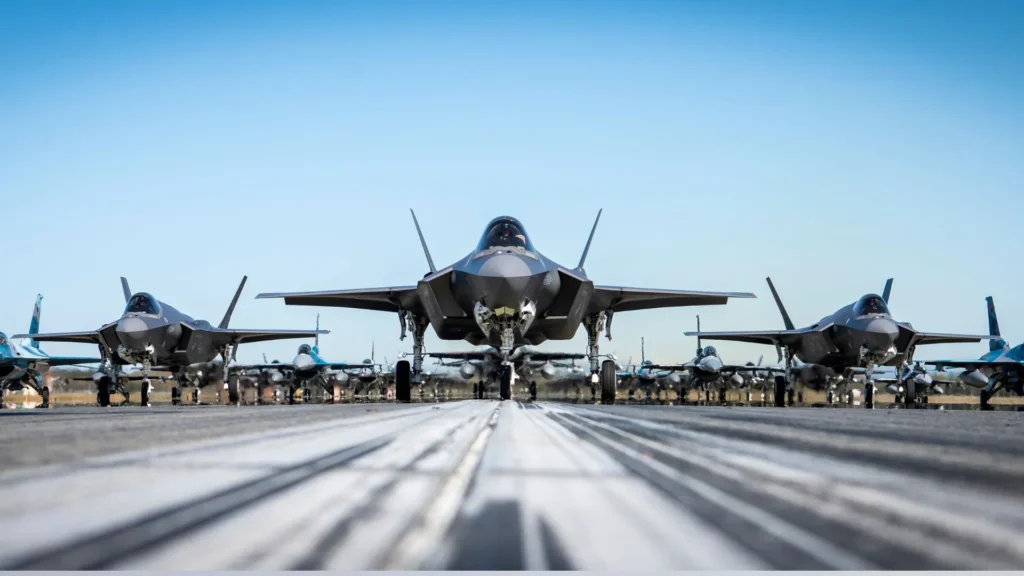
UK F-35 Weapon Upgrade
The UK Ministry of Defence said the acquisition of Boeing’s SDB-II precision-guided weapon will provide the F-35B with an interim stand-off strike capability until MBDA’s Spear 3 missile enters operational service.
The Spear 3 integration program, initially expected under the F-35 Block 3 modernization phase, has now slipped into the delayed Block 4 roadmap.
British officials expect both the Spear 3 and MBDA Meteor beyond-visual-range missiles to become operational on UK F-35 aircraft only in the early 2030s.
Italy, another major F-35 operator in Europe, is also expected to integrate the same European weapon systems onto its F-35A and F-35B fleets.
The interim acquisition addresses a capability gap identified in earlier British defense reviews. Current Royal Air Force F-35Bs primarily rely on the Raytheon Paveway IV guided bomb, which British auditors previously criticized for lacking sufficient stand-off range in high-threat combat environments.
The Boeing SDB-II, also known as the GBU-53/B StormBreaker, provides multi-mode targeting capability and can engage moving targets in adverse weather conditions.
The weapon significantly expands the F-35’s precision strike flexibility compared to existing UK inventories, Flight Global flagged.
Maritime Corrosion Issues
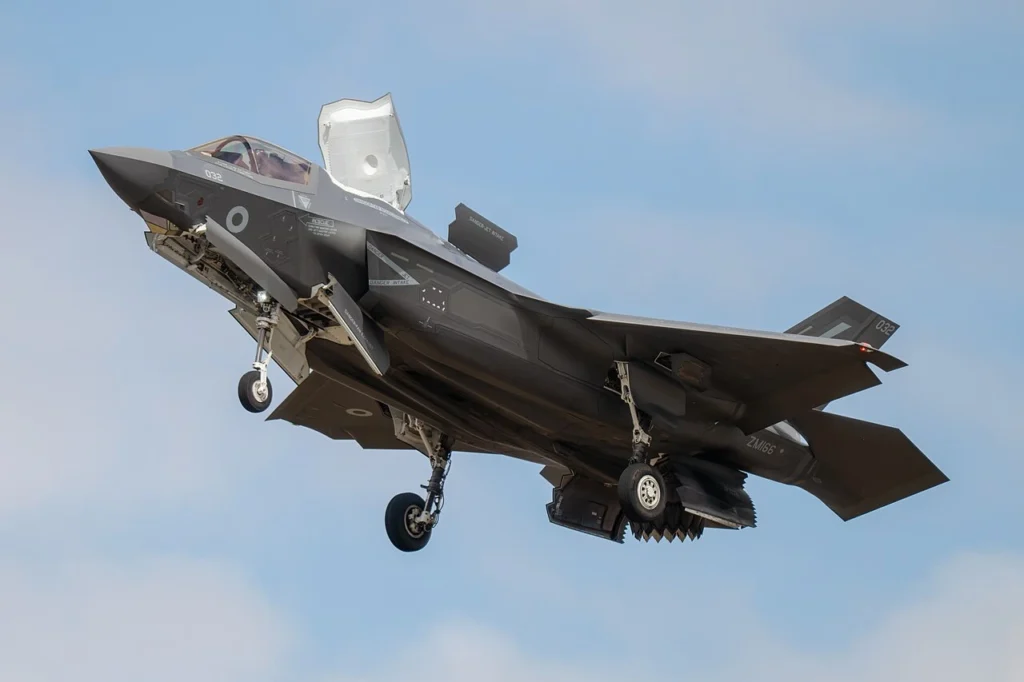
The MoD also disclosed that corrosion has become a growing operational challenge for Britain’s F-35B fleet following extended maritime operations.
During Operation Highmast, as many as 26 British F-35Bs deployed aboard HMS Prince of Wales, creating logistical pressure on existing support infrastructure and spare parts availability.
Officials stated that the deployment exceeded the capacity of the carrier’s afloat spares packages, forcing additional resources to be sourced from RAF Marham.
Although mission-capable rates reportedly remained close to the global F-35B average during peak operations, aircraft availability later declined due to post-deployment maintenance and corrosion remediation requirements.
British defense authorities acknowledged that prolonged exposure to saltwater environments accelerated corrosion-related wear across multiple aircraft systems.
The MoD warned that corrosion will remain a persistent challenge throughout the life cycle of the F-35 program, particularly during naval deployments.
In response, the UK is expanding corrosion inspection programs, improving frontline maintenance practices, and coordinating with US industry partners to develop more durable protective solutions for the stealth fighter fleet.
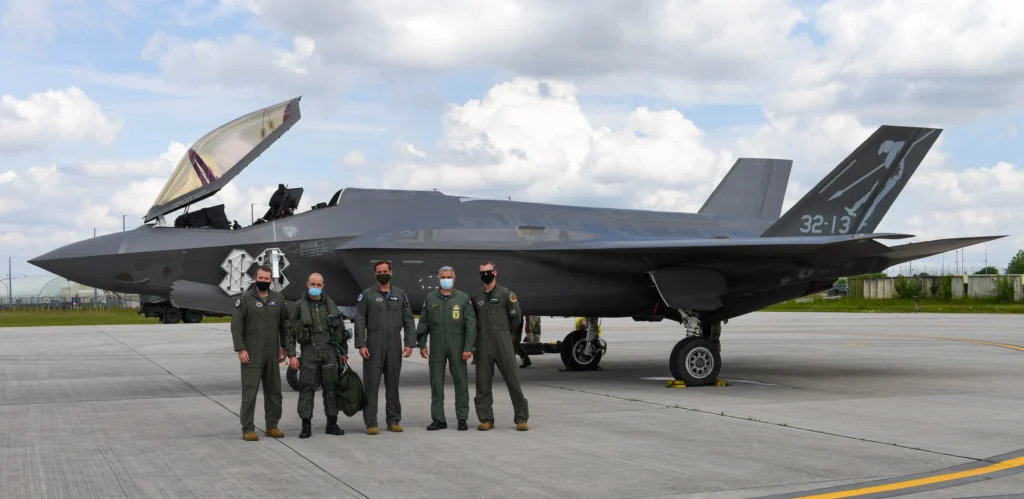
UK Fleet Expansion
Britain has already received all 48 F-35Bs included in its initial procurement batch from Lockheed Martin. The government also plans to acquire an additional 27 aircraft, including a proposed purchase of 12 nuclear-capable F-35A variants to support NATO’s dual-capable aircraft mission.
The UK’s long-term program requirement remains set at 138 F-35 aircraft, although future acquisition timelines continue to depend on the delayed Defence Investment Plan.
Officials confirmed that a third operational F-35 squadron is currently planned for 2033, with supporting infrastructure expected to be ready by 2032.
The MoD said the investment strategy will define future priorities for Britain’s Lightning II program while balancing defense modernization requirements against ongoing budget pressures facing the government.
Stay tuned with us. Further, follow us on social media for the latest updates.
Join us on Telegram Group for the Latest Aviation Updates. Subsequently, follow us on Google News