

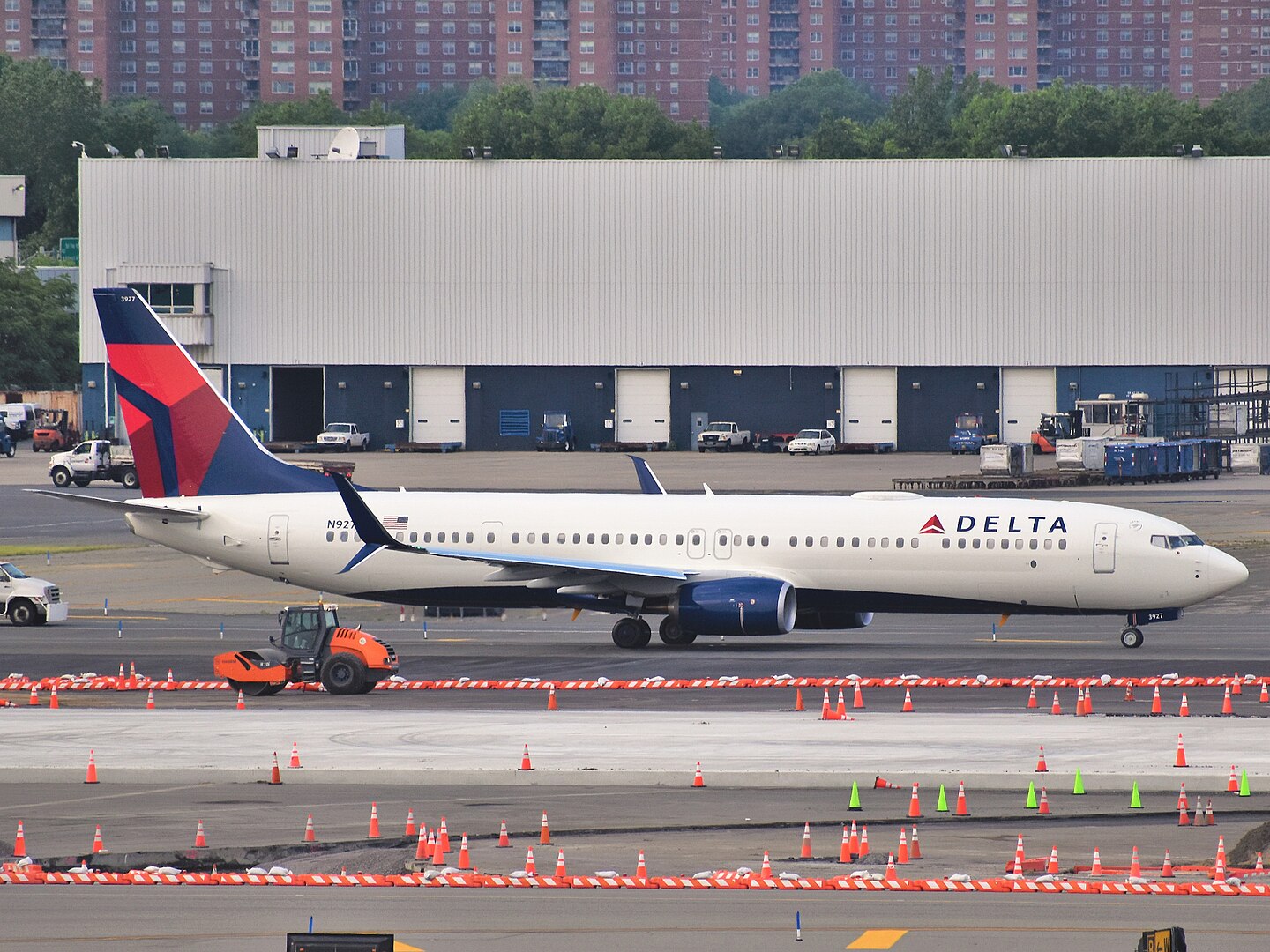
ATLANTA- Delta Air Lines (DL) is facing a lawsuit after a Wisconsin passenger alleged that a malfunctioning seatbelt failed during landing at John F. Kennedy International Airport (JFK) in New York City (JFK), causing him to lose consciousness and suffer serious injuries.
The lawsuit claims the incident occurred on a flight from Tampa International Airport (TPA) in Tampa (TPA) to New York City (JFK). The passenger alleges that defective cabin equipment led to the accident, while Delta Air Lines (DL) could also face scrutiny over maintenance and inspection procedures.
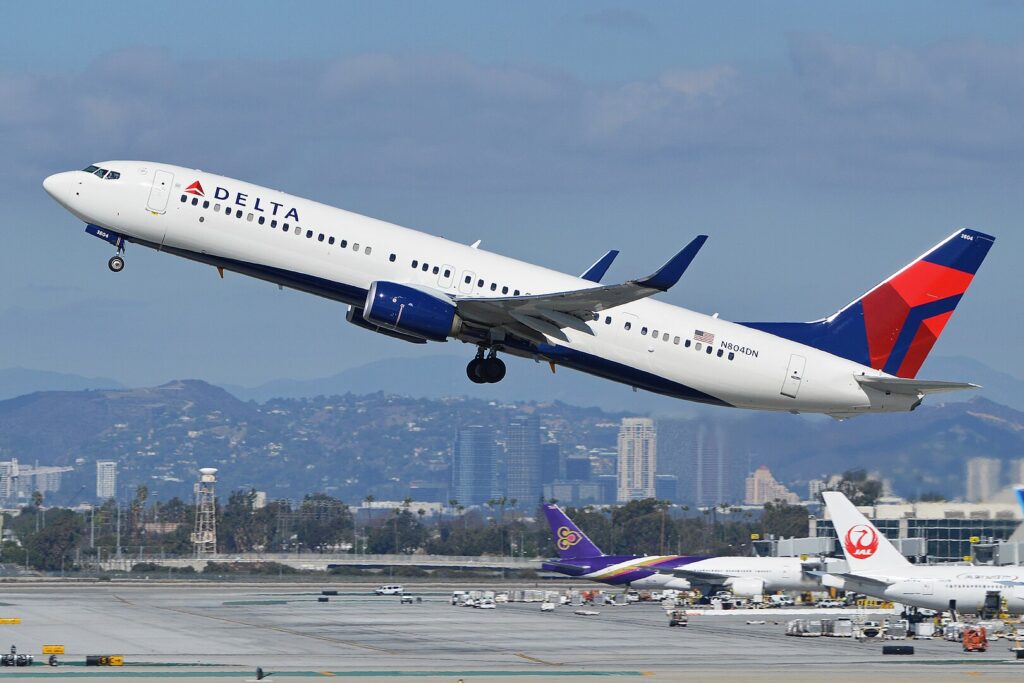
Delta Passenger Alleges Seatbelt Failed During Landing
Darrin Roth of Bayside, Wisconsin, has filed a lawsuit against Delta Air Lines, claiming he was seriously injured after his aircraft seatbelt allegedly failed during landing at John F. Kennedy International Airport.
According to the lawsuit, Roth was traveling with his wife, Geralyn, on a flight from Tampa to New York in January 2025. As the aircraft landed, he claims the lap belt failed to restrain him, causing him to be thrown forward into the bulkhead.
The impact allegedly knocked Roth unconscious immediately. Emergency responders removed him from the aircraft on a stretcher before transporting him to a hospital in Queens for medical treatment.
The lawsuit states that flight attendants inspected the seatbelt immediately after the incident and reportedly found signs that the restraint system was not functioning properly. According to statements cited in court documents, crew members believed the seatbelt may have been installed incorrectly or had become twisted.
Roth later suffered a heart attack that required quadruple bypass surgery within weeks of the accident. In November 2025, he also underwent cervical fusion surgery. The lawsuit argues these medical conditions resulted from injuries sustained during the landing, while Delta is expected to dispute that connection.
The amount of compensation being sought has not been disclosed, and the litigation remains pending.
Legal Issues Could Extend Beyond Immediate Injuries
The lawsuit presents two separate legal questions.
The first concerns whether Delta Air Lines failed to properly maintain or inspect the aircraft seatbelt before the flight. If investigators determine the restraint system malfunctioned during a normal landing, that could strengthen claims that the airline breached its duty to provide safe equipment for passengers.
The second issue involves whether Roth’s later medical complications were directly caused by the accident.
Although New York generally follows no-fault insurance rules for many personal injury claims, commercial airline operations are governed by federal aviation regulations and common carrier liability standards. As a result, the legal framework for this case differs from typical motor vehicle accident claims.
The lawsuit also references the legal doctrine known as res ipsa loquitur, which allows negligence to be inferred when an accident occurs under circumstances that ordinarily should not happen without someone’s failure to exercise proper care. A passenger seatbelt is designed to restrain occupants during landing, making an alleged failure during routine operations a significant point in the case.
Another legal principle that may become relevant is the Eggshell Skull Rule, sometimes called the thin skull rule. Under this doctrine, a defendant may remain responsible for the full extent of injuries even if the injured person had an unknown medical vulnerability that made the outcome more severe than expected.
Medical experts will likely play an important role in determining whether Roth’s heart attack and spinal injuries were directly connected to the accident or resulted from unrelated health conditions.
Possible Maintenance Factors Behind the Alleged Failure
Commercial aircraft seatbelts are designed with multiple safety features and are subject to routine inspections throughout an aircraft’s operational life.
Although investigators have not determined the cause of the alleged malfunction, several maintenance-related issues could potentially affect seatbelt performance if they occur.
One possibility is incorrect installation during seat maintenance or cabin refurbishment. Aircraft seatbelts attach to the seat frame using heavy-duty metal anchor fittings. If components are installed incorrectly or routed improperly, the restraint system may not perform as intended during sudden deceleration.
Another possibility involves excessive twisting of the seatbelt webbing. If the belt becomes severely twisted inside the adjustment buckle, the webbing may not move through the mechanism as designed. Under significant landing forces, this could reduce the belt’s ability to tighten properly.
Normal wear of internal locking components is another theoretical factor, although commercial airlines operate under strict maintenance schedules intended to identify worn parts before they become safety risks.
At this stage, no official investigation has publicly concluded what caused the alleged seatbelt failure. The claims remain allegations contained in the lawsuit, and Delta Air Lines has not been found liable.

What the Lawsuit Could Mean for Delta
If the court determines that defective cabin equipment caused the injuries, Delta could face liability for damages related to the incident.
The more difficult legal question will likely involve whether Roth’s subsequent medical conditions can be medically linked to the landing accident. That determination will depend heavily on expert testimony, hospital records, and evidence presented during the litigation.
Many aviation injury cases involving alleged maintenance failures are resolved through negotiated settlements before reaching trial. However, no outcome has been announced in this case, and the proceedings remain ongoing.
Stay tuned with us. Further, follow us on social media for the latest updates.
Join us on Telegram Group for the Latest Aviation Updates. Subsequently, follow us on Google News
