

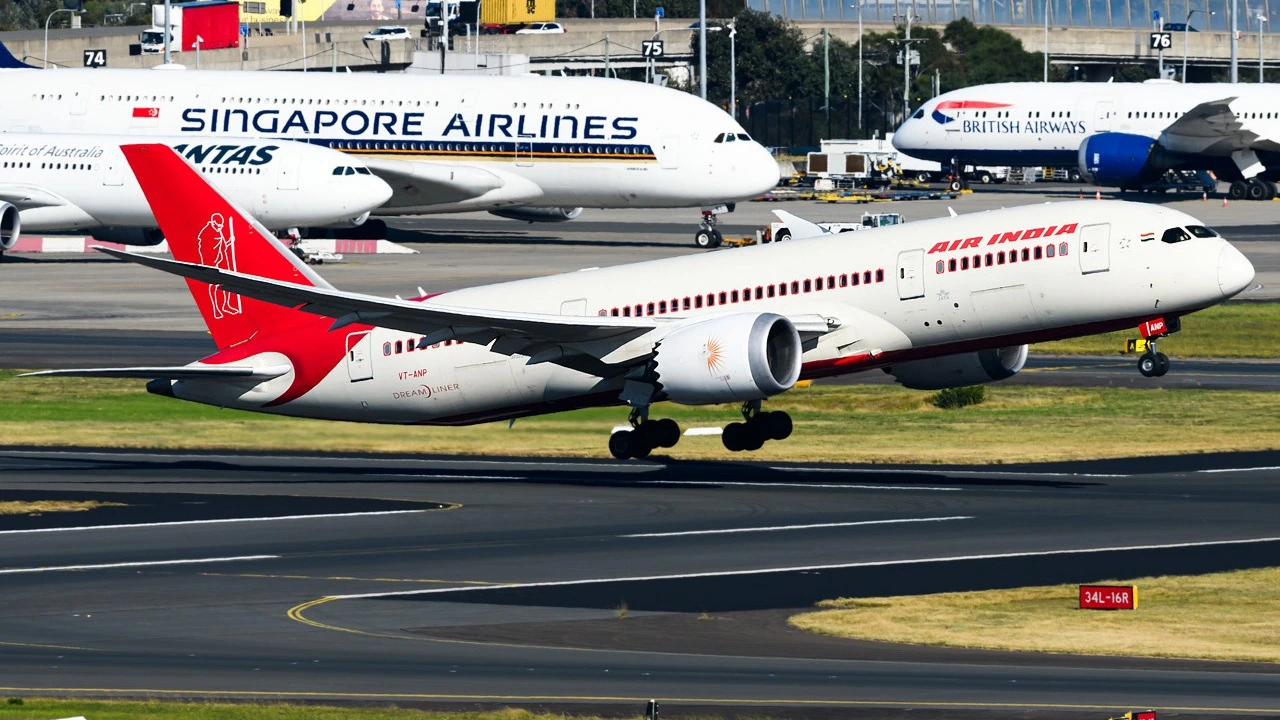
SINGAPORE- Singapore Airlines (SQ) Chief Executive Officer Goh Choon Phong has publicly identified the closure of Pakistani airspace as a specific operational disadvantage for Air India (AI), setting it apart from foreign carriers that continue to access the route.
The statement, made during a post-results investor call, marks one of the first executive-level acknowledgements of how the airspace restriction has materially affected the Tata Group-owned carrier’s performance compared to international competitors operating to and from India through hubs like Singapore Changi Airport (SIN), London Heathrow (LHR), and Frankfurt (FRA), Live Mint reported.

Pakistani Airspace Closure Hits Air India Operations
Goh Choon Phong stated that while Air India (AI) faces industry-wide challenges such as supply chain delays, aircraft delivery slowdowns, and the West Asia conflict, the Pakistani airspace closure remains a problem unique to Indian carriers. The airspace has been unavailable to Indian operators for over a year, since April of last year.
“The closure of Pakistani airspace affects only Indian-based operations, not anyone else,” Goh said during the investor call on Friday. The restriction forces Indian airlines to take longer routings on flights to Europe and North America, directly increasing block hours, fuel burn, and crew costs.
Gagan Dixit, Senior Vice President for Aviation, Chemicals, Oil & Gas at Elara Capital, supported the assessment. He noted that the airspace closure continues to deliver a substantial operating hit that does not affect foreign carriers competing on the same routes.
Air India Chief Executive Officer Campbell Wilson had stated in October that losses arising from the continued Pakistani airspace closure over a full year amounted to approximately ₹4,000 crore.
Singapore Airlines Reports Sharp Profit Decline
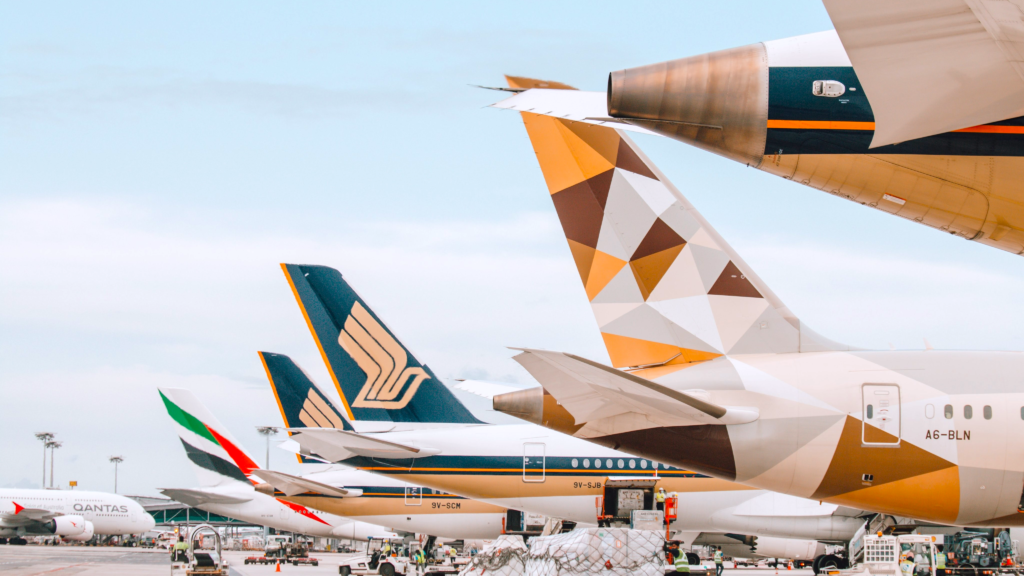
Singapore Airlines reported that its net profit more than halved in FY26, primarily due to its share of losses from Air India. The carrier holds a 25.1% stake in the Indian airline following the Vistara merger.
The financial hit to Singapore Airlines from its Air India stake stood at $742.4 million, equivalent to S$945.2 million based on Thursday’s currency conversion rates.
According to the annual report filed by Singapore Airlines on Thursday, Air India is projected to report a loss of nearly $3 billion, or roughly ₹28,400 crore, in FY26. This figure represents almost three times the loss recorded in FY25.
June 2025 Crash and Regulatory Impact
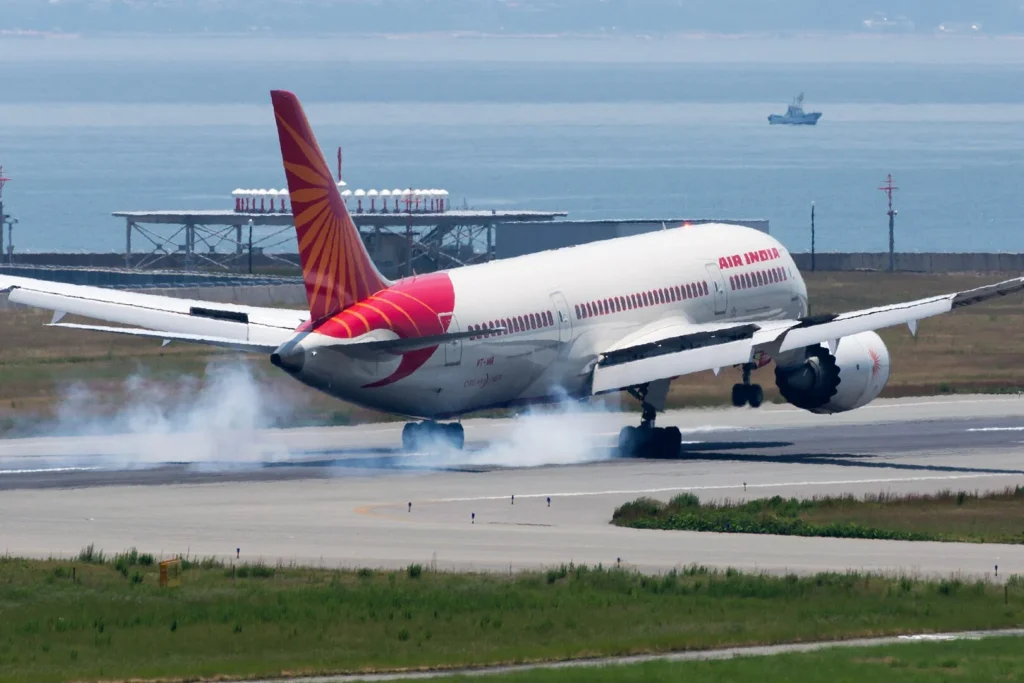
The Singapore-based carrier also cited the June 2025 Air India crash as a contributing factor to the airline’s underperformance. The incident resulted in tighter regulatory scrutiny and additional safety inspections across Air India’s operations.
The depreciation of the Indian rupee against the US dollar further worsened the financial position. Maintenance and leasing costs, which are paid in US currency, became more expensive in rupee terms.
“The June crash and regulatory scrutiny impacted Air India’s agility,” Dixit said. He also noted the relevance of currency depreciation as a factor cited by Singapore Airlines.
External Headwinds and Fleet Concerns
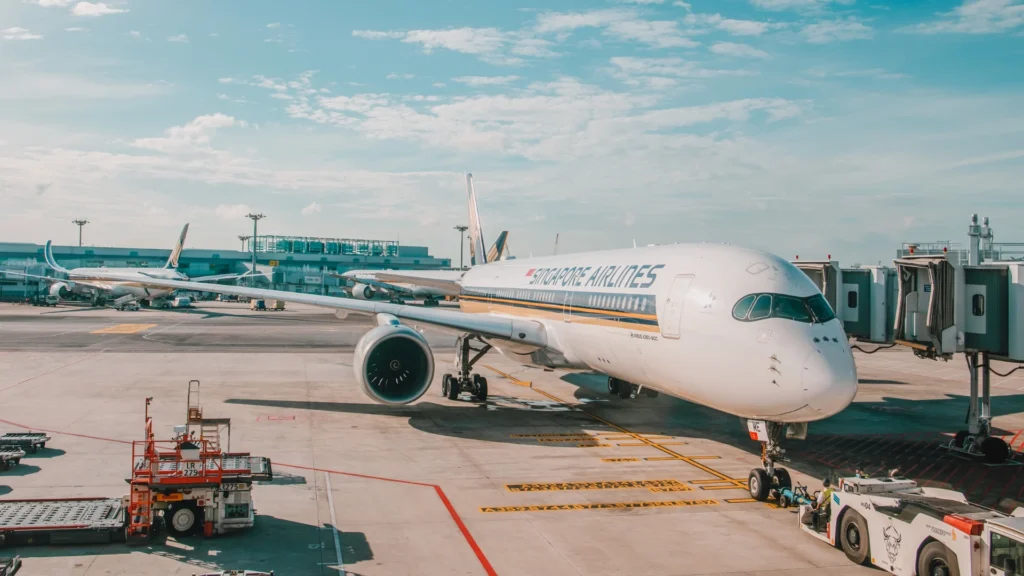
Singapore Airlines highlighted two additional global issues in its investor presentation. Supply chain disruptions have caused delays in fleet renewal and cabin retrofitting programs. The West Asia conflict has driven up fuel costs, disrupted flight routings, and affected key markets.
Goh acknowledged these factors as headwinds and classified them as external pressures beyond the airline’s direct control.
Dixit pointed out that Air India may lack the bandwidth to raise airfares further. International route fares are already up 40% year-on-year, while domestic fares have risen 15%. He suggested Singapore Airlines should have pushed harder for fleet replacement to improve operational efficiency.
“The airline also needs a new fleet, faster deliveries from Boeing and Airbus. A fuel-efficient fleet would bring down maintenance and operational costs by 15-20%,” Dixit said.
Cost Cuts and Leadership Transition at Air India
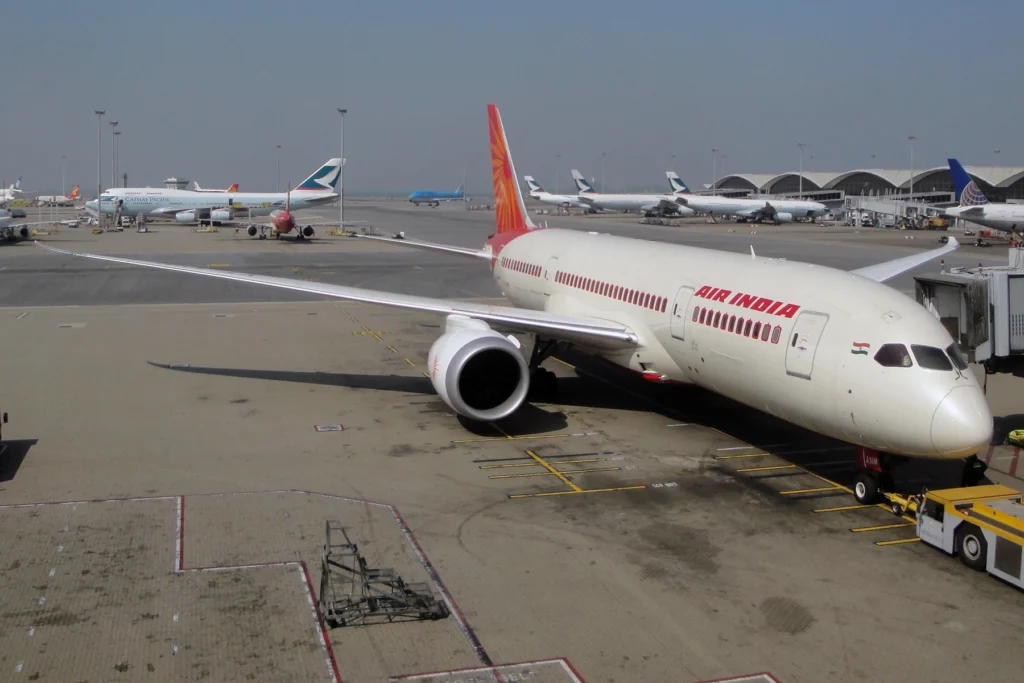
The past twelve months have been difficult for Air India as it continues to manage mounting losses across multiple operational fronts. As part of its cost-cutting measures, the carrier has scrapped certain international routes and deferred staff increments and bonuses.
Air India is also undergoing a leadership transition. Chief Executive Officer Campbell Wilson resigned in March and is currently serving his notice period. The airline has not yet announced a successor.
Goh confirmed that the decision on Wilson’s successor rests with the Air India board of directors, which is chaired by N Chandrasekaran. Goh himself is one of the seven members on the board.
Singapore Airlines Reaffirms Commitment
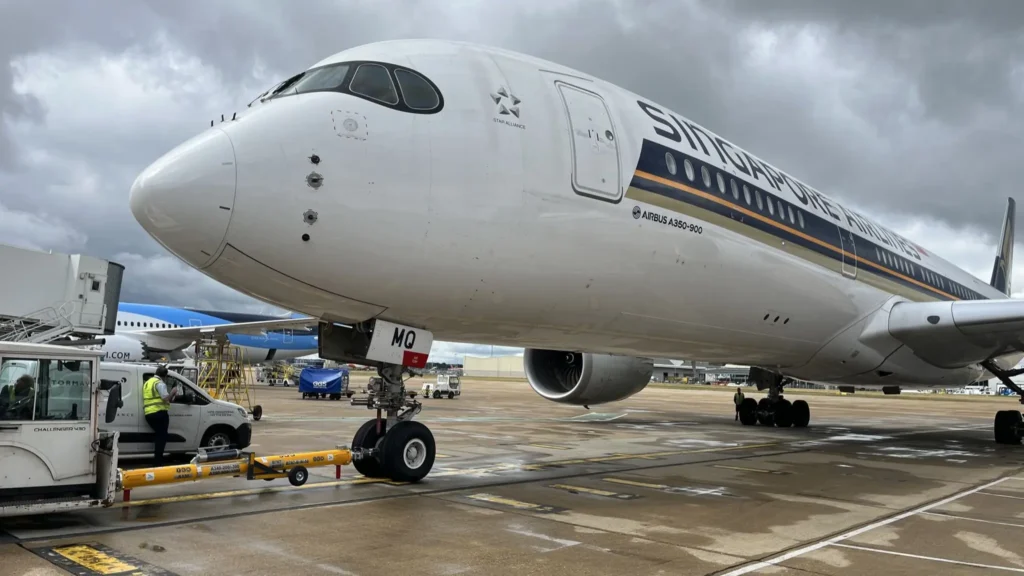
Despite the financial setback, Singapore Airlines maintained that Air India remains a core part of its global multi-hub strategy.
Goh stated that the carrier remains committed to supporting Air India’s transformation and noted that Singapore Airlines has operated in India for a long period and understands the difficulty of the market.
“But this is a market that holds tremendous potential. Now the potential of India is even more obvious,” Goh said.
He did not provide specific timelines for Air India’s turnaround or fresh capital infusion plans from Singapore Airlines. He added that shareholders will closely monitor tangible progress and improvements at the Indian carrier while continuing to support the transformation process.
Stay tuned with us. Further, follow us on social media for the latest updates.
Join us on Telegram Group for the Latest Aviation Updates. Subsequently, follow us on Google News
