

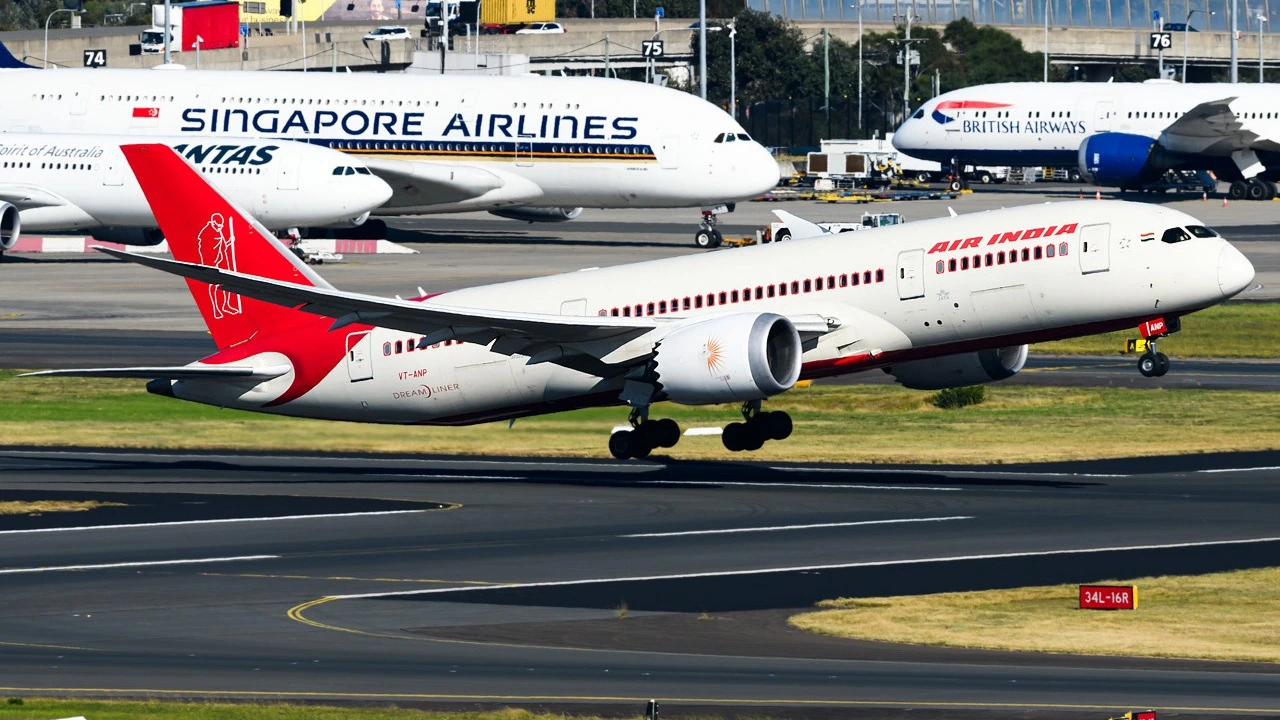
MUMBAI- Singapore Airlines (SQ) CEO Goh Choon Phong arrived at Bombay House on Thursday to meet senior Tata Group executives, including Tata Sons Chairman N Chandrasekaran.
The high-level meeting focuses on the deepening financial crisis at Air India (AI), which reported a record loss exceeding Rs 22,000 crore ($2.4 billion) for FY26. Singapore Airlines holds a 25.1% stake in the carrier.
Air India (AI) continues to face severe operational headwinds, including the prolonged closure of Pakistani airspace for Indian carriers, spiralling fuel costs from the West Asia conflict, and the aftermath of the fatal AI171 crash in Ahmedabad (AMD) last June. CEO Campbell Wilson recently announced his resignation, adding leadership uncertainty at a critical juncture for the airline’s transformation plan.

Singapore Airlines CEO Visits Bombay House
Goh Choon Phong, who has led Singapore Airlines since January 2011, arrived at Tata Group’s headquarters in Mumbai (BOM) on Thursday morning. The meeting comes against the backdrop of Air India searching for a new CEO after the resignation of Campbell Wilson.
Sources confirmed his scheduled meeting with N Chandrasekaran, though full details of the discussions were not immediately available.
Singapore Airlines has seen its own profits decline due to Air India’s losses. The carrier acquired a 25.1% stake in Air India following the merger of Vistara with Air India in November 2024. That merger consolidated Tata Group’s airline operations under a single full-service brand, with SIA gaining a board seat and strategic influence over the combined entity.
The timing of this visit is significant. Tata Sons is expected to discuss potential CEO candidates on April 16 and finalize the next leader at the Air India board meeting in May.
Goh Choon Phong himself serves on Air India’s board, making his presence at Bombay House directly relevant to the leadership transition process.
Record Rs 22,000 Crore Loss Puts Pressure on Promoters
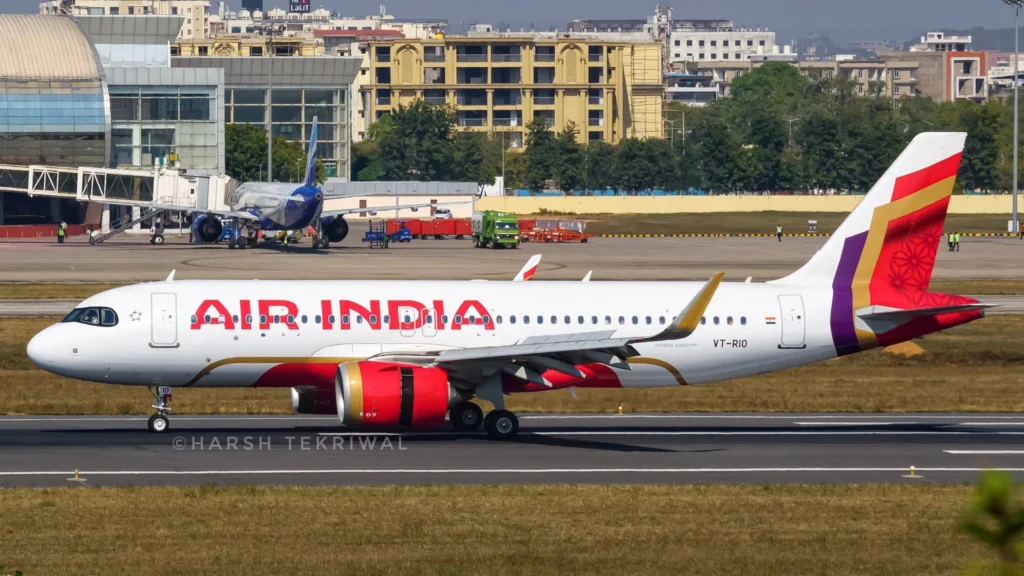
Air India reported a wider-than-expected annual loss of over Rs 22,000 crore ($2.4 billion) for FY26, prompting the airline to seek fresh capital support from its shareholders. This figure far exceeds earlier internal estimates and marks the worst financial year since Tata Group acquired the airline from the Indian government in January 2022.
Air India is currently in discussions with its key shareholders for a potential cash infusion, though the planned support may fall short of the airline’s overall requirements. Both the Tata Group and Singapore Airlines face mounting financial pressure. Tata Sons is under scrutiny over growing losses from its newer unlisted ventures, especially Air India and Tata Digital.
Chandrasekaran addressed Air India employees last week, urging them to be precise on costs and remain grounded in reality. The message signals growing urgency within the Tata leadership to control the financial damage.
Pakistan Airspace Closure and West Asia Conflict Drive Up Costs
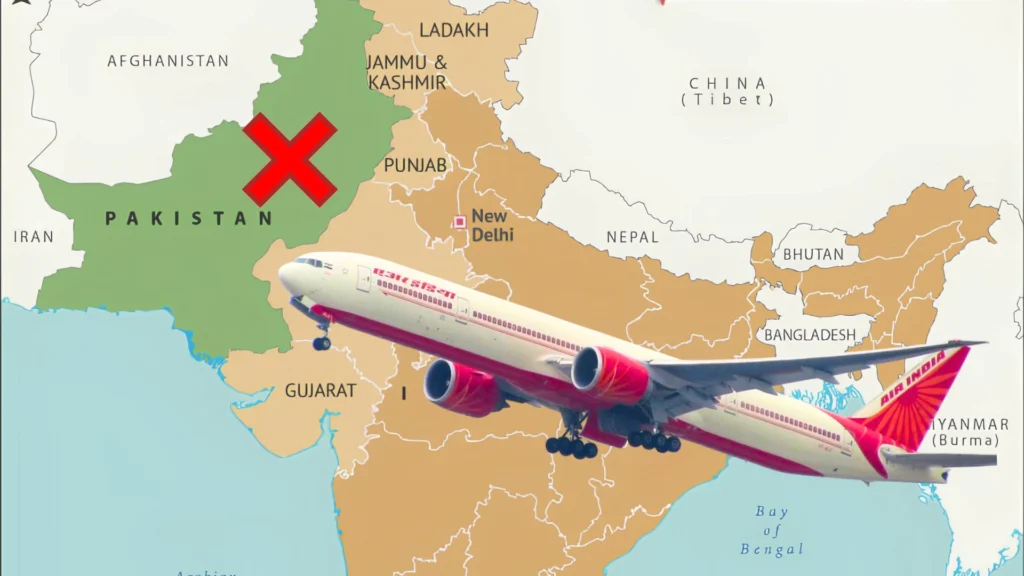
A major contributor to Air India’s losses is the closure of Pakistani airspace for Indian carriers, which has now lasted nearly a year. Pakistan closed its airspace to all Indian carriers starting April 24, 2025, following the Pahalgam attack and the subsequent military escalation between the two countries. The ban has been extended repeatedly and remains in force until at least April 24, 2026.
Air India expects to face approximately $600 million in additional costs if the ban lasts a full year. The airline’s long-haul flights to Europe and North America now take significantly longer routes, increasing fuel burn and operational expenses.
Flights from Delhi (DEL) to destinations in Europe and the US require detours over the Arabian Sea or via Muscat and Doha, adding two to three hours of flight time on average.
The ongoing West Asia conflict has further restricted airspace options for the airline, compounding the routing challenges. Geopolitical tensions in the Middle East disrupted routes in a region that accounts for around 16% of Air India’s total capacity.

AI171 Crash Aftermath Continues to Weigh on Operations
On June 12, 2025, Air India Flight AI171, a Boeing 787-8 Dreamliner operating from Ahmedabad (AMD) to London Gatwick (LGW), crashed 32 seconds after takeoff.
Of the 242 people on board, 241 died, along with 19 people on the ground. The crash remains the deadliest aviation incident of the 2020s.
Air India suspended 83 wide-body flights for six weeks following the crash to perform government-mandated safety checks on its Boeing 787 fleet.
The operational disruption reduced both international and domestic services during a peak travel period. The crash severely impacted operations and led to a reduction in Air India’s service capacity across key routes.
The reputational damage from the crash has added to the challenges facing the airline’s transformation plan. Air India acknowledged in December 2025 that it needed urgent improvements in process discipline, communication, and compliance culture.
Campbell Wilson’s Exit Adds Leadership Uncertainty
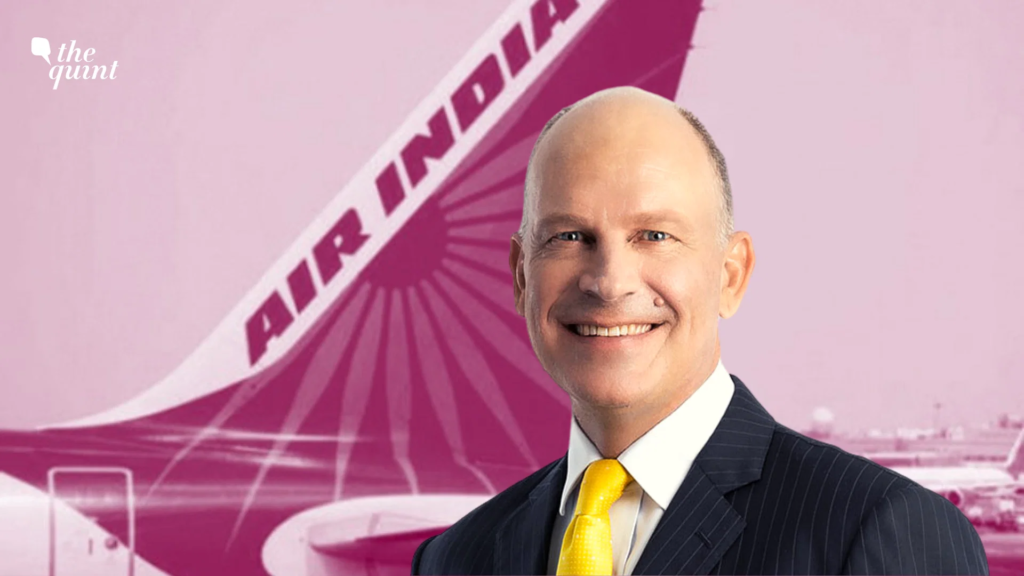
Air India CEO Campbell Wilson resigned in early April 2026, as the airline confronts record losses and operational setbacks. Wilson had informed Chairman Chandrasekaran about his plans to step down as early as 2024 and is currently serving a six-month notice period.
Wilson joined Air India in 2022 after leading Scoot, Singapore Airlines’ low-cost arm. During his tenure, he oversaw the merger of four airline entities under the Air India brand, fleet refurbishment plans, and engineering upgrades.
Company revenue rose 13% to $7.7 billion in 2025, but losses persisted, with the combined airline group losing more than $1 billion.
The search for a new CEO adds urgency to the discussions between Singapore Airlines and the Tata Group. The next leader will inherit an airline burdened by record losses, an incomplete fleet modernization program, and ongoing geopolitical disruptions affecting its core long-haul routes.
What This Meeting Means for Air India’s Future
The visit by Singapore Airlines’ CEO to Bombay House underscores the seriousness of Air India’s financial position. Both shareholders now face a critical decision on fresh capital infusion, leadership appointment, and the pace of the airline’s transformation plan.
Sources indicate there is serious concern within Singapore Airlines over both the financial and reputational losses Air India is causing. Whether Thursday’s meeting produces concrete decisions or sets the stage for the upcoming May board meeting remains to be seen.
What is clear is that Air India’s turnaround has hit significant headwinds, and its two major shareholders must now chart a path forward under considerable financial and operational pressure.
Stay tuned with us. Further, follow us on social media for the latest updates.
Join us on Telegram Group for the Latest Aviation Updates. Subsequently, follow us on Google News
