

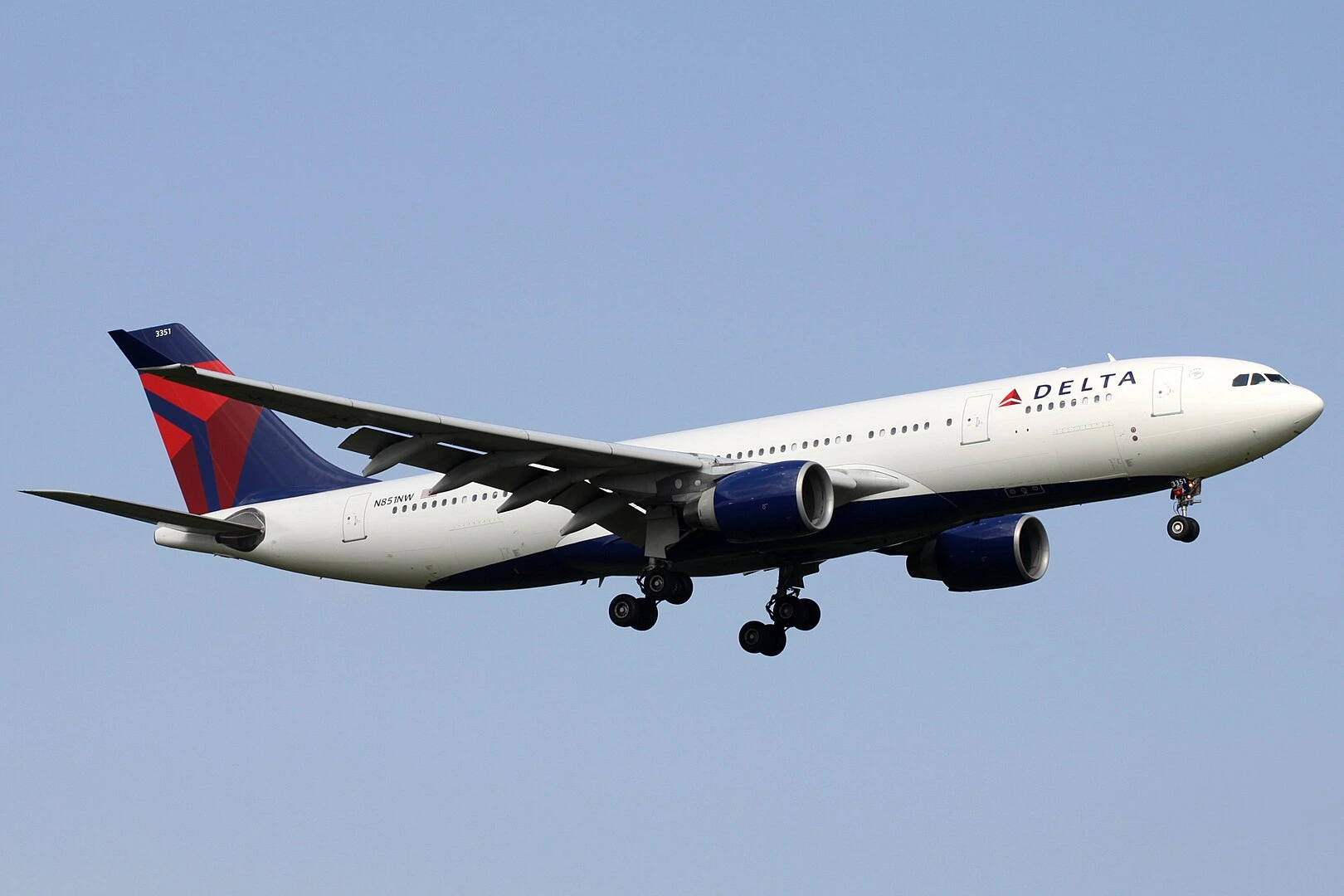
ATLANTA- Delta Air Lines (DL) will resume daily nonstop flights between Seattle-Tacoma International Airport (SEA) and Narita International Airport (NRT) from March 27, 2027, marking its return to Tokyo Narita after a 7-year absence.
The airline will continue operating its existing Seattle to Tokyo Haneda Airport (HND) route, giving travelers two nonstop options between Seattle and Tokyo.
The restored route represents a significant milestone for Delta as it reconnects with one of the airline’s most historic international hubs.
The new service strengthens Delta’s presence in Japan, expands travel choices for passengers, and reinforces its long-term strategy of growing its Pacific network.
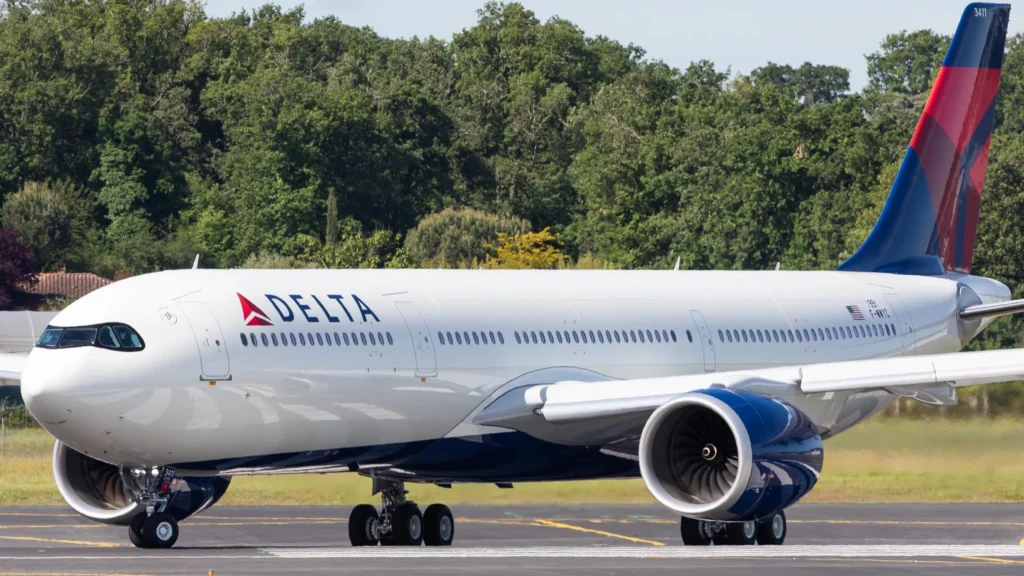
Delta Brings Back Historic Seattle to Narita Service
Delta Air Lines will reintroduce daily nonstop flights between Seattle and Tokyo Narita beginning March 27, 2027. The route marks the airline’s first scheduled service to Narita Airport since suspending operations during the early stages of the COVID-19 pandemic in 2020.
The announcement carries greater significance than simply adding another international route. Narita Airport once served as the backbone of Delta’s transpacific network, connecting travelers from North America to destinations throughout Asia and the South Pacific. The return restores an airport that played a defining role in the airline’s international operations for decades.
The airline confirmed that its existing Seattle to Haneda service will remain in operation. Instead of replacing Haneda flights, the new Narita route will complement them by providing passengers with additional flexibility when planning travel to Japan.
Delta’s Vice President of International Network Planning, Jeff Arinder, emphasized the importance of the Japanese market while announcing the new service.
“Japan continues to be one of the most important and beloved destinations in Delta’s global network, and adding Seattle–Narita service gives our customers even more choice when planning their travel.”
Long before shifting its focus toward Haneda Airport, Narita served as Delta’s primary gateway across the Pacific.
The airport became even more important following Delta’s acquisition of Northwest Airlines in 2008. Northwest had built one of the largest international hub operations at Narita, and Delta inherited an extensive network connecting the United States with destinations across Asia.
From Narita, Delta operated nonstop flights from multiple US cities while also offering several fifth freedom services. These flights allowed the airline to carry passengers between two foreign countries as part of a longer international route.
Some of the notable fifth freedom routes included services connecting:
- Narita to Manila
- Manila to Singapore
- Narita to Guam
- Narita to Shanghai
- Narita to Taipei
These routes established Narita as one of Delta’s most strategically important international hubs and gave passengers convenient one-stop access to numerous destinations across the Asia-Pacific region.
However, throughout the 2010s, Delta gradually reduced its operations at Narita. The airline shifted its Tokyo strategy toward Haneda Airport, which is located much closer to central Tokyo and offers shorter transfer times for travelers visiting the city.
At the same time, Delta strengthened its joint venture and partnership with Korean Air. Seoul Incheon International Airport (ICN) increasingly became the airline’s preferred connecting hub for passengers traveling throughout Asia.
According to The Points Guy, Delta’s return to Narita is both a symbolic homecoming and an important expansion of its international network after years of focusing on Haneda and Seoul.

2 Daily Seattle to Tokyo FLights
Once the new service begins in March 2027, Delta will offer two separate nonstop routes from Seattle to Tokyo.
Passengers will be able to choose between Narita Airport and Haneda Airport depending on their final destination, preferred airport, or onward travel plans.
The airline has positioned the Narita route as an additional travel option rather than a replacement for Haneda. This dual-airport strategy allows Delta to serve different passenger preferences while expanding capacity in one of its strongest international markets.
According to aviation analytics provider Cirium, Delta’s Tokyo network by spring 2027 will include nonstop Haneda services from:
- Seattle (SEA)
- Los Angeles (LAX)
- Minneapolis (MSP)
- Detroit (DTW)
- Atlanta (ATL)
The newly restored Seattle to Narita route will join these existing services, further expanding Delta’s footprint in Japan.
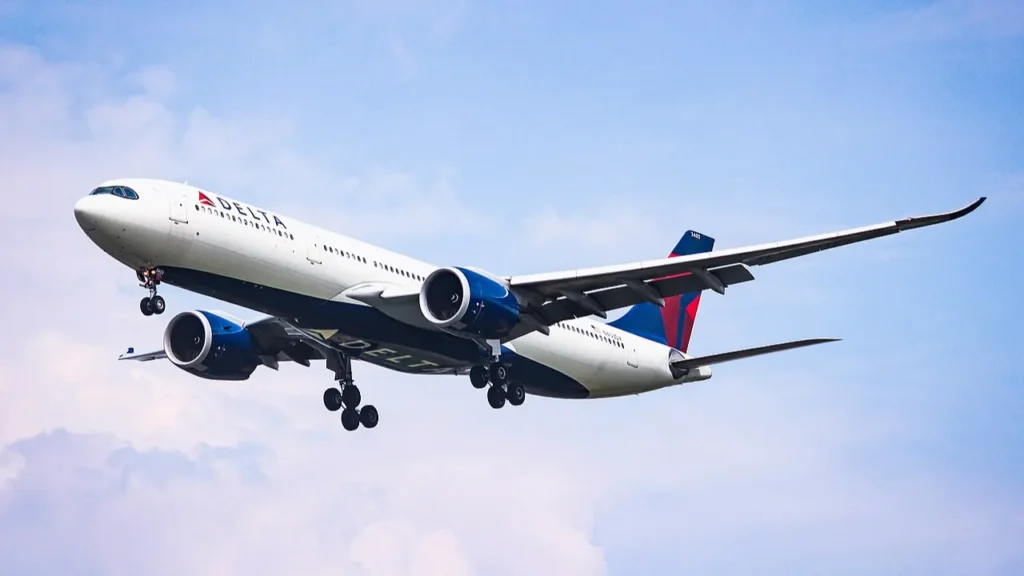
A330-900neo to Operate Seattle to Narita Flights
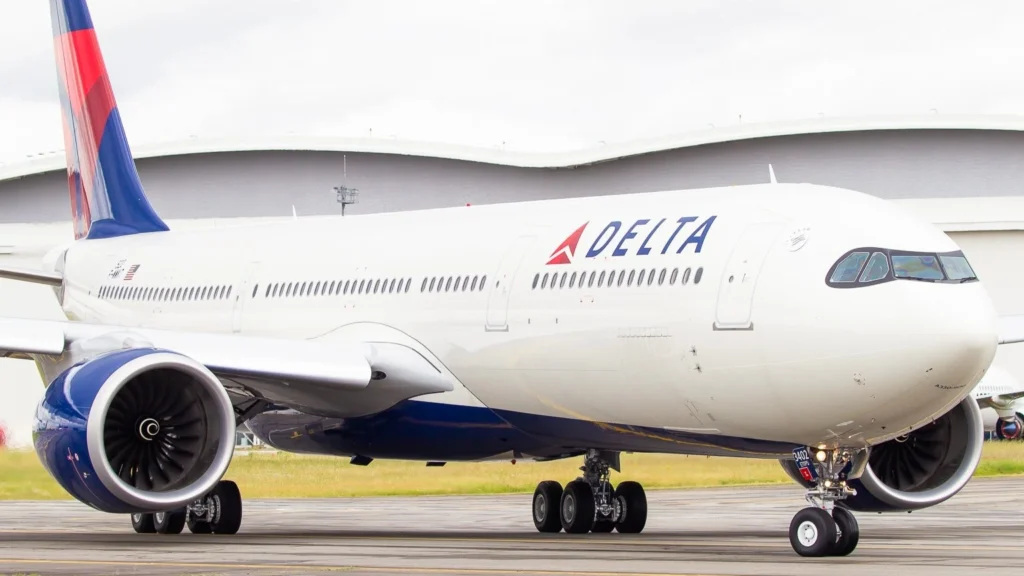
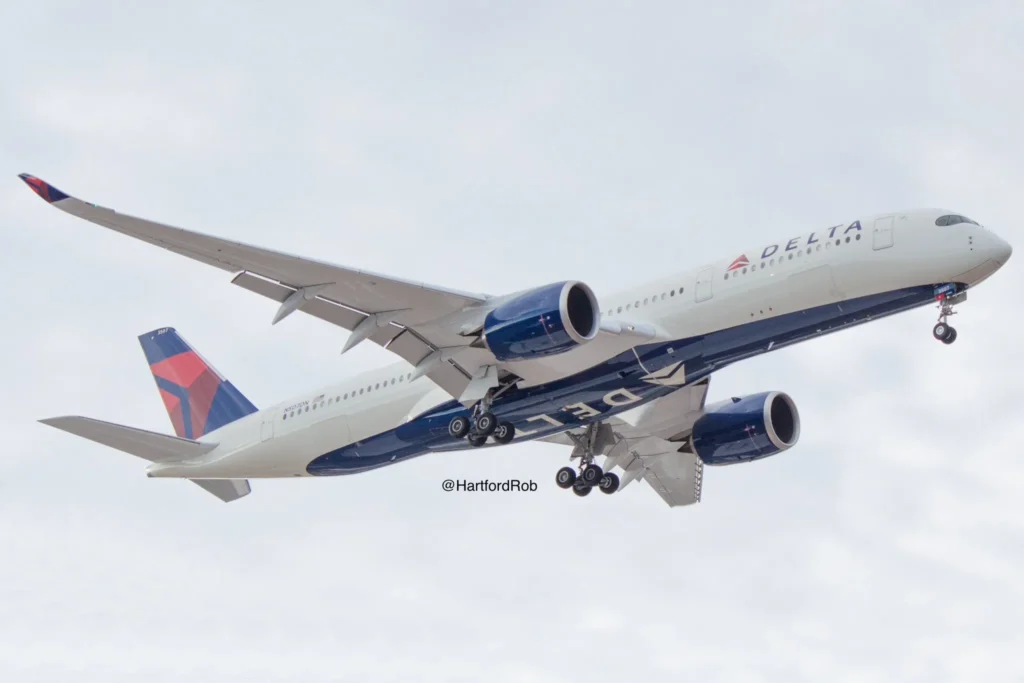
Delta will operate the daily Seattle to Narita service using the Airbus A330-900neo, one of the airline’s newest long-haul aircraft.
The aircraft will feature 4 cabin classes designed to accommodate both premium and economy travelers.
The seating configuration includes:
- 29 Delta One Suites
- 28 Delta Premium Select seats
- 56 Delta Comfort seats
- 168 Main Cabin seats
The A330-900neo offers upgraded passenger amenities, improved fuel efficiency, and a quieter cabin, making it one of Delta’s preferred aircraft for long-haul international operations.
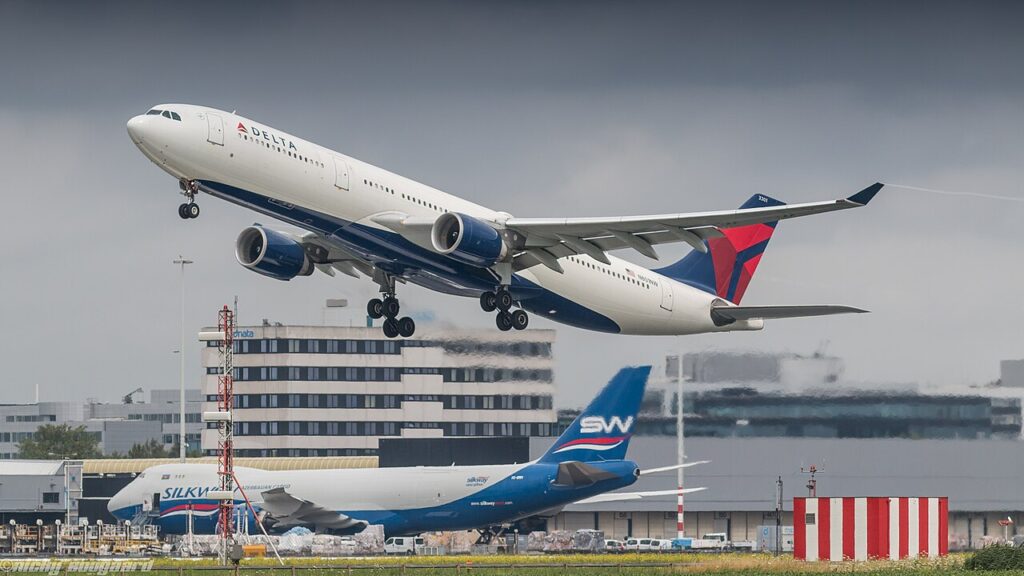
Delta Continues Expanding Its Pacific Network
The return to Narita is part of Delta’s broader strategy to strengthen its presence across the Asia-Pacific region through additional nonstop services from its West Coast hubs.
Earlier this summer, the airline announced a new nonstop route between Los Angeles International Airport (LAX) and Ninoy Aquino International Airport (MNL) in Manila. The service is scheduled to begin in 2027, further expanding Delta’s reach into Southeast Asia.
Delta also launched nonstop flights between Los Angeles and Hong Kong International Airport (HKG) in June, adding another key destination to its growing Pacific network.
These additions reflect the airline’s continued investment in international markets with strong leisure and business travel demand while improving connectivity between the United States and Asia.
Competition on Seattle to Tokyo Routes
Delta’s return to Narita also increases competition on one of the Pacific Northwest’s busiest international markets.
Alaska Airlines currently operates nonstop flights between Seattle and Narita using the Boeing 787-9 Dreamliner. The aircraft joined Alaska’s fleet following its acquisition of Hawaiian Airlines in 2024, allowing the carrier to expand its long-haul international network from Seattle.
With both airlines serving the Seattle to Narita market, travelers will benefit from greater choice, increased seat availability, and more competitive scheduling.
Narita and Haneda Offer Different Advantages
Although both airports serve the Tokyo metropolitan area, they cater to different travel needs.
Haneda Airport is located significantly closer to central Tokyo, making it the preferred choice for many business and leisure travelers seeking shorter transfer times after arrival.
Narita Airport is situated farther from the city center but remains one of Japan’s largest international gateways. The airport handles a substantial number of long-haul international flights and offers extensive connections to destinations across Asia and other global markets.
By operating flights to both airports, Delta provides passengers with greater flexibility based on their travel itinerary and onward connections.

Lounge Access for Delta Passengers
One notable difference between Delta’s two Tokyo destinations is the availability of the airline’s own lounge.
Tokyo Haneda is home to Delta’s only Sky Club located outside the United States, providing eligible passengers with premium lounge facilities before departure.
Narita Airport does not currently feature a Delta Sky Club. However, eligible Delta customers traveling through Narita can access the Korean Air Lounge under the airlines’ SkyTeam partnership, ensuring premium passengers continue to receive lounge benefits.
What Delta’s Return Means for Travelers
The restoration of Seattle to Narita service provides travelers with additional flexibility when planning trips to Japan.
Passengers visiting central Tokyo may continue to prefer Haneda because of its convenient location. Meanwhile, Narita offers extensive international connectivity that may be better suited for travelers continuing to other destinations across Asia.
Operating both routes also enables Delta to better serve varying passenger preferences while increasing overall capacity on one of its most important transpacific markets.
For frequent Delta flyers, the expanded Tokyo network strengthens access to Japan while enhancing connections throughout the Asia-Pacific region through the airline’s broader international network and its SkyTeam partnership.
Bottom Line
Delta’s decision to restore nonstop flights between Seattle and Tokyo Narita marks the return of one of the airline’s most historically significant international routes.
After 7 years away from Narita, the carrier is once again establishing a presence at an airport that once served as the cornerstone of its Pacific operations.
The addition of daily Seattle to Narita flights, alongside continued service to Haneda, demonstrates Delta’s long-term commitment to the Japanese market.
Combined with recent route launches to Hong Kong and the planned Manila service, the airline continues to strengthen its Pacific network while giving travelers more options for reaching Japan and the wider Asia-Pacific region.
Stay tuned with us. Further, follow us on social media for the latest updates.
Join us on Telegram Group for the Latest Aviation Updates. Subsequently, follow us on Google News
