

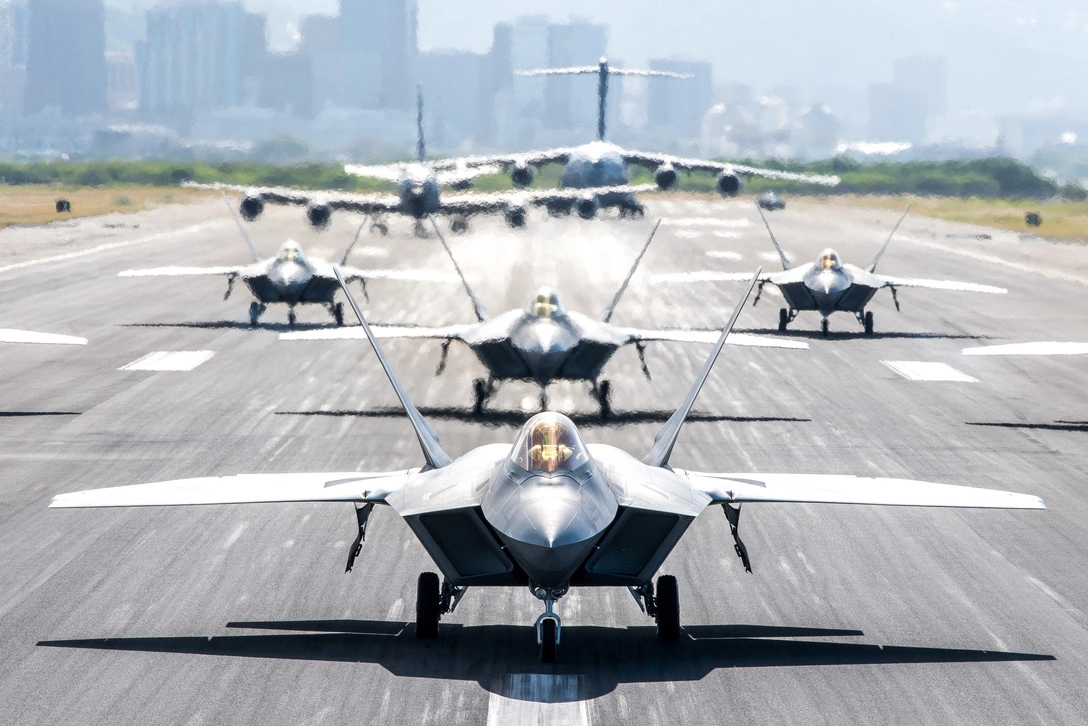
ARLINGTON— The United States Department of Defense has revised the cost of military operations against Iran to approximately USD 29 billion, a USD 4 billion increase from its estimate released two weeks ago.
Acting Pentagon Comptroller Jules “Jay” Hurst III disclosed the updated figure during congressional hearings in Washington (DCA) on May 12, 2026.
The estimate excludes damage at over a dozen US military facilities across the Middle East, including aircraft losses at Prince Sultan Air Base near Riyadh. B-1B Lancer and B-52 Stratofortress bombers used to strike targets in Tehran remain based in England following the April 7 ceasefire.
America’s Iran War Costs $29 Billion
Hurst informed members of the House and Senate appropriations defense subcommittees that the joint staff and comptroller teams continue to evaluate the total expenditure.
The official attributed the USD 4 billion jump to updated repair and replacement costs for damaged equipment, alongside general operational expenses tied to maintaining US forces in the theater.
The hearings centered on the Pentagon’s USD 1.5 trillion budget request for fiscal year 2027. Secretary of Defense Pete Hegseth and Chairman of the Joint Chiefs of Staff Air Force General Dan Caine testified alongside Hurst.
During an earlier House Armed Services Committee hearing on April 29, the same officials had pegged the conflict cost at around USD 25 billion, most of which covered expended munitions.
Aircraft Losses and Damage Assessment
The conflict has resulted in significant US aviation losses, both from combat and ground attacks. Confirmed losses include two dozen MQ-9 Reaper drones, four F-15E Strike Eagles, one A-10 Thunderbolt II, an E-3 Sentry AWACS, and multiple KC-135 Stratotankers.
US forces also intentionally destroyed two MC-130 Commando II aircraft and Special Operations helicopters after the MC-130s became stuck on a makeshift runway inside Iran during a mission to extract the weapons systems officer of a downed F-15E. Both aviators were successfully rescued.
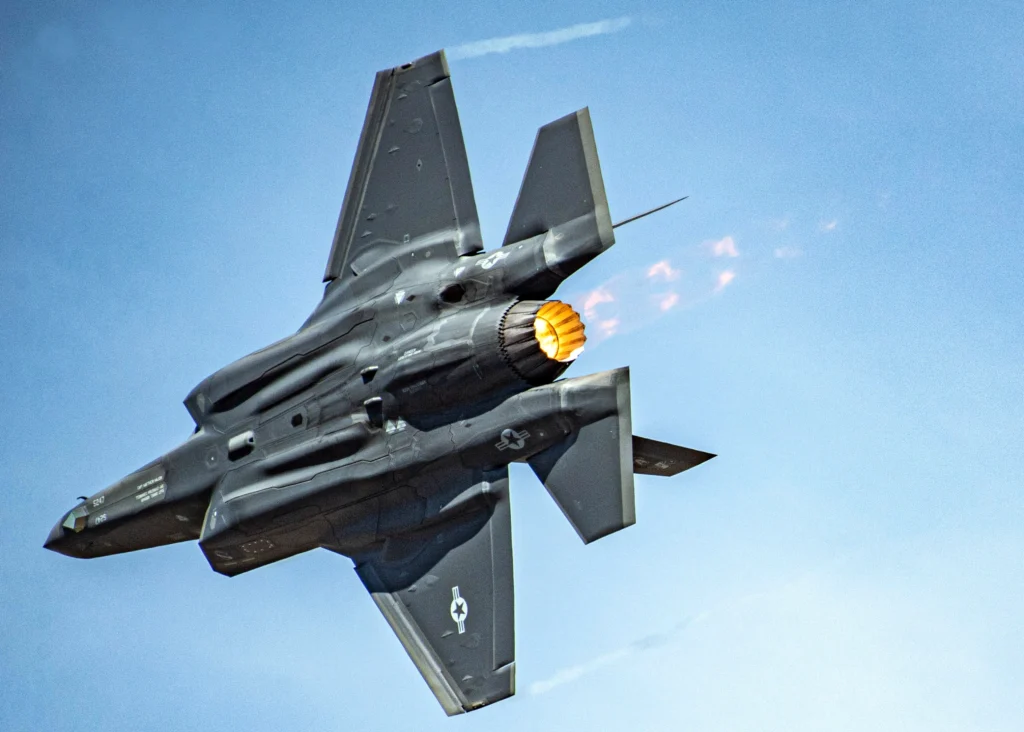
The full extent of damage to several airframes remains undisclosed, including a US Air Force F-35 Lightning II struck by Iranian fire and multiple tankers hit by shrapnel at Prince Sultan Air Base. Hurst noted that aircraft repair costs are difficult to calculate without complete diagnostic assessments, Air and Space Forces reported.

Combat Operations and Munitions Expenditure
US airstrikes on Iran began on February 28, 2026. Before the ceasefire on April 7, American forces struck over 13,000 targets and intercepted 1,700 Iranian missiles and drones, according to General Caine.
The operations involved hundreds of combat aircraft, over 20 warships, including three aircraft carriers, and an amphibious assault ship. One carrier has since departed the region. A naval blockade on Iranian ports, imposed on April 13, continues with support from over 100 aircraft.
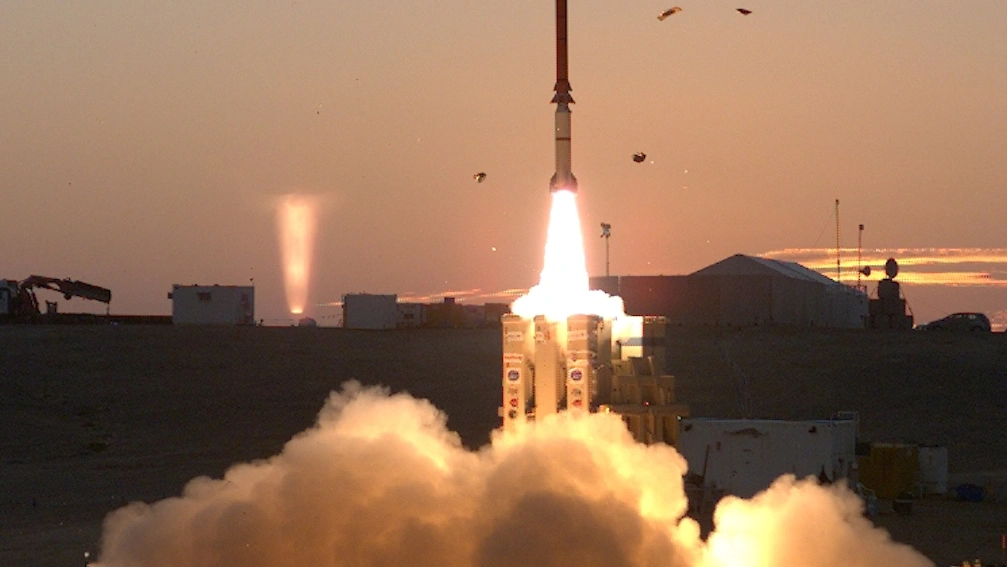
The Pentagon has expended more than 1,000 JASSM air-launched cruise missiles and more than 1,000 Tomahawk cruise missiles during the conflict. Defensive operations consumed 1,000 Patriot interceptors and hundreds of THAAD, SM-3, and SM-6 interceptors, according to the Center for Strategic and International Studies.
Base Damage and Personnel Casualties
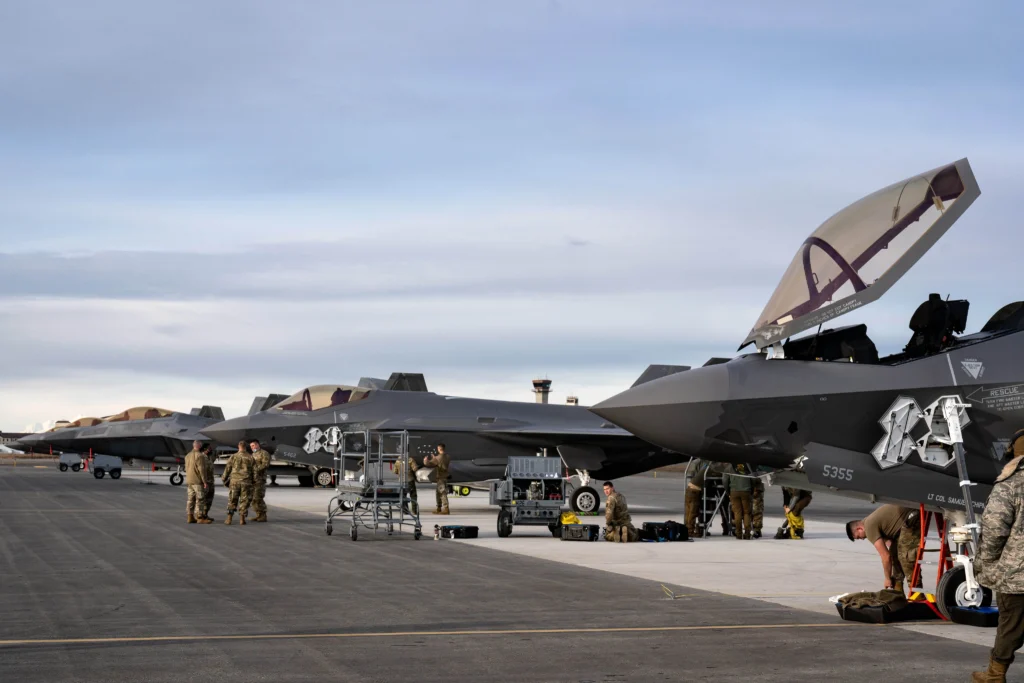
Iranian attacks damaged radars, aircraft, buildings, and other infrastructure at multiple US bases in the region.
Over 400 American troops sustained injuries during the conflict, while 13 service members were killed in action. One Soldier died in what the Pentagon described as a non-combat incident.
Hurst said the Pentagon cannot yet provide a base repair cost estimate due to uncertainties around future US military posture, base reconstruction plans, and potential cost-sharing with allies and partners.

Congressional Demands for Funding Transparency
Lawmakers from both parties expressed frustration with the Pentagon’s limited disclosures. Representative Ken Calvert, the top Republican on the House subcommittee, urged Hegseth to share supplemental funding requests promptly. Representative Betty McCollum, the subcommittee’s ranking Democrat, requested a detailed cost breakdown by the end of next week.
Senator Jack Reed, ranking member of the Senate Armed Services Committee, criticized the Pentagon at a Defense Writers Group event, stating that lawmakers had received only a ballpark figure despite being asked to approve USD 1.5 trillion plus supplemental funding.
Stay tuned with us. Further, follow us on social media for the latest updates.
Join us on Telegram Group for the Latest Aviation Updates. Subsequently, follow us on Google News
