

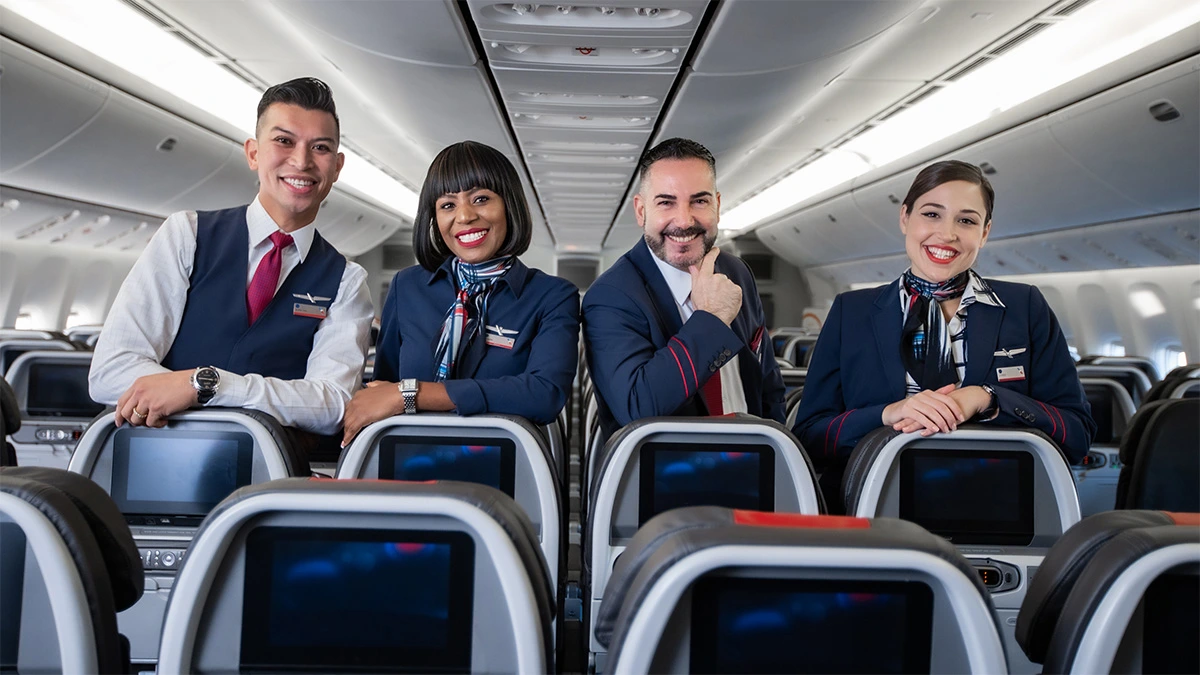
FORT WORTH- American Airlines (AA) is reversing one of its most criticized passenger experience decisions by restoring seatback entertainment screens on most future narrowbody aircraft. The move complements the airline’s rollout of Starlink WiFi and broader investments across its product offering. American Airlines’ primary hub at Dallas/Fort Worth International Airport (DFW) will play a key role as the carrier introduces these upgrades across its domestic fleet.
The decision marks a significant departure from the airline’s cost-cutting strategy introduced in 2017, when seatback screens were removed from many aircraft. While some flight attendants have expressed concerns about additional maintenance and passenger complaints, the airline believes the investment will improve the overall onboard experience and strengthen its competitive position against Delta Air Lines (DL) and United Airlines (UA).
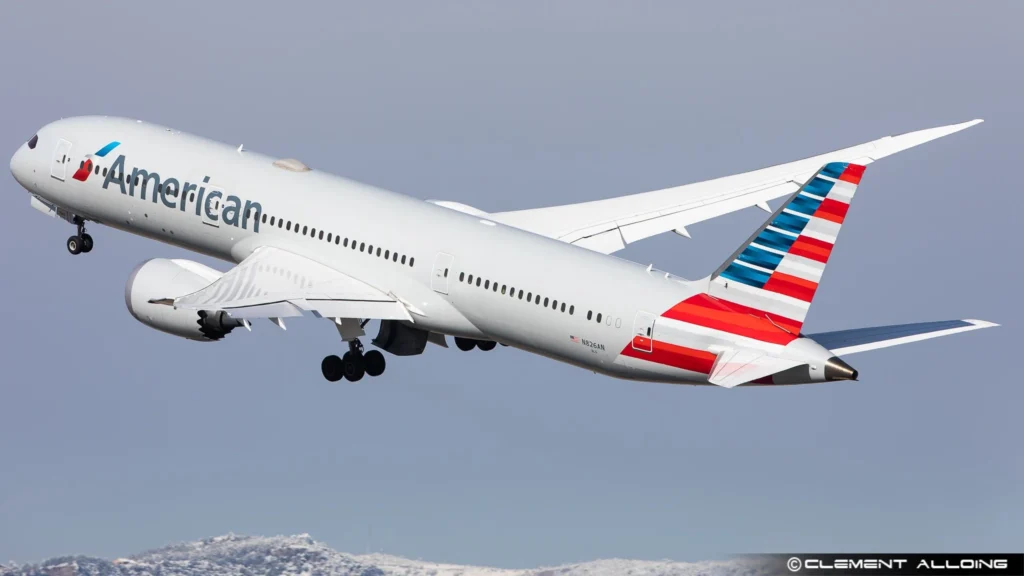
American Airlines Reverses Its Earlier Entertainment Strategy
American Airlines previously removed seatback entertainment systems from many narrowbody aircraft as part of a broader effort to reduce costs and aircraft weight. At the time, management argued that most passengers preferred streaming content on their own devices.
That strategy placed the airline behind competitors that continued investing in integrated inflight entertainment. Delta Air Lines and JetBlue Airways (B6) continue to offer seatback screens across large portions of their fleets, while United Airlines has also committed to expanding onboard entertainment on newer aircraft.
The latest decision represents a clear shift in strategy. Alongside installing Starlink satellite internet on roughly half of its fleet, American is once again positioning onboard entertainment as a core part of the passenger experience, View from the Wing reported.
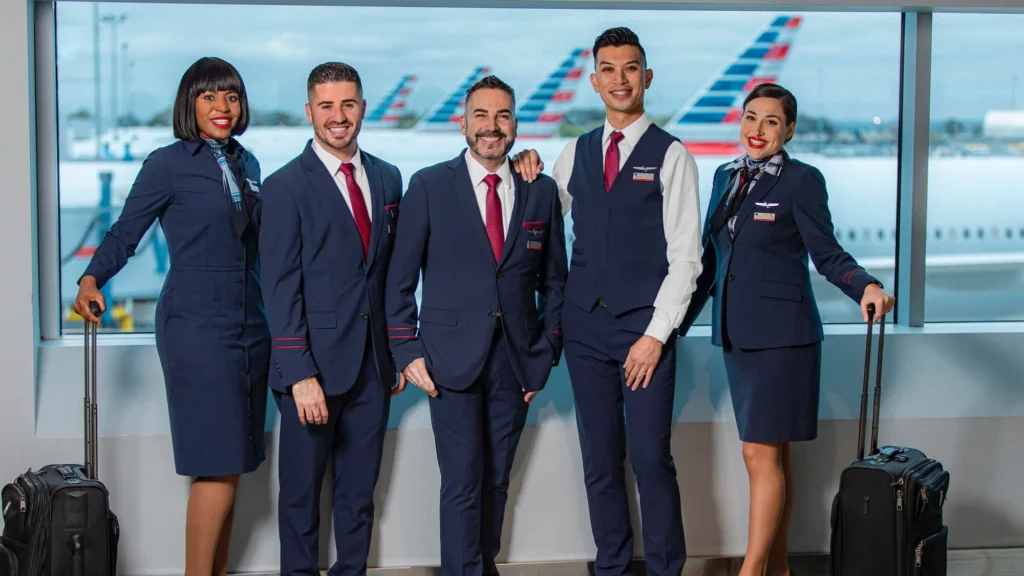
Flight Attendants Raise Operational Concerns
Not every employee has welcomed the announcement.
Some flight attendants have expressed concerns that seatback screens could introduce additional maintenance issues and create more passenger complaints when individual screens malfunction. Others argue the airline should prioritize improving power outlets and operational reliability instead.
Several crew members also indicated they first learned about the decision through social media discussions rather than official company communication. The comments highlight concerns about internal communication and how operational changes are shared with frontline employees.
However, entertainment systems are not considered critical aircraft equipment under Federal Aviation Administration (FAA) guidance. If a screen stops working, the aircraft is not delayed solely because of that issue.
In most cases, maintenance teams can reboot the system, deactivate the affected screen, document the fault, and repair it during scheduled maintenance. If necessary, airlines may compensate affected passengers with miles or travel credits.
Only safety-related functions receive different treatment. If entertainment systems are integrated with the aircraft’s safety briefing, the airline must ensure those functions comply with the aircraft’s approved Minimum Equipment List. Flight attendants can continue performing manual safety demonstrations whenever required.
Entertainment Systems Can Improve Cabin Management
Although some crew members worry about handling screen-related complaints, seatback entertainment can actually simplify cabin operations.
Passengers who are engaged with movies, television shows, games, or moving maps generally require less assistance during flight. Families traveling with children benefit from readily available entertainment, while nervous travelers often appreciate the distraction.
Interactive moving maps also reduce routine questions directed toward cabin crew, such as flight progress or estimated arrival times.
Passengers can simultaneously use personal devices for work, messaging, or browsing while watching content on the seatback screen. This flexibility offers an experience that streaming-only systems cannot fully replicate.
Previous feedback from American’s own employees supported this view. When the airline removed screens several years ago, some flight attendants reported that children and older travelers often lacked compatible devices or encountered headset shortages. Many also believed passengers remained more occupied when integrated entertainment was available.
A more engaged cabin often results in fewer requests for additional snacks, beverages, or non-essential assistance, allowing cabin crews to focus on safety and customer service.
Safety Demonstrations Become More Efficient
The return of seatback displays also provides operational advantages beyond entertainment.
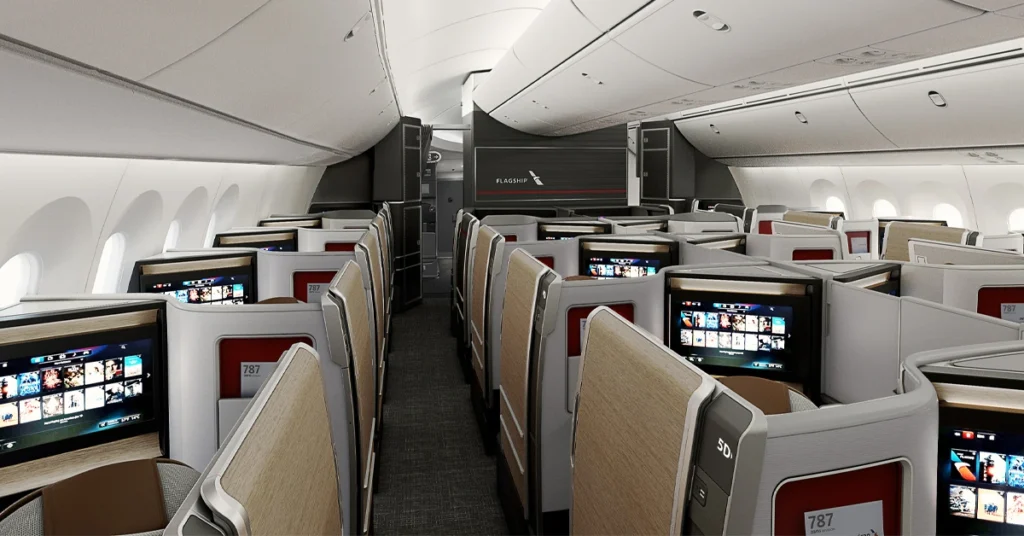
Aircraft equipped with integrated video systems allow American Airlines to once again use recorded safety demonstrations across much of its mainline domestic network.
Rather than conducting synchronized manual demonstrations before every departure, flight attendants can rely on professionally produced safety videos whenever regulations and aircraft equipment permit.
This reduces repetitive physical tasks for cabin crews while ensuring passengers receive consistent safety information before departure.
Part of a Broader Customer Experience Strategy
The restoration of seatback entertainment forms one part of American Airlines’ wider investment program.
The airline is adding more premium seating, upgrading airport facilities and lounges, improving onboard food offerings, and expanding Starlink satellite internet throughout the fleet. Together, these initiatives represent a noticeable shift from earlier cost-focused strategies toward enhancing the passenger experience.
Management appears focused on strengthening American’s competitive position in both domestic and international markets while appealing to premium travelers who increasingly compare products across major U.S. carriers.

Success Depends on Employee Support
While new technology and cabin upgrades are important, their success ultimately depends on employee engagement.
Years of cost reductions, including tighter seating layouts, smaller lavatories, and the removal of passenger amenities, contributed to skepticism among many frontline employees. Rebuilding confidence requires more than installing new equipment.
American’s leadership must clearly communicate its long-term strategy and demonstrate how these investments benefit both customers and employees.
The airline’s current flight attendant contract also provides stronger financial incentives through improved profit-sharing. As company profitability increases, eligible employees receive a larger share of pre-tax earnings, aligning staff interests with the airline’s performance.
Seatback entertainment should therefore be viewed not as an additional burden, but as another tool that enhances the onboard experience, reduces routine cabin demands, and supports American Airlines’ broader effort to deliver a stronger premium product.
Bottom Line
American Airlines is reversing a decision that many passengers and employees criticized for years. The return of seatback entertainment, combined with Starlink connectivity and other customer-focused investments, signals a significant change in the airline’s priorities.
While some flight attendants remain concerned about maintenance and operational challenges, integrated entertainment has the potential to improve passenger satisfaction, reduce cabin workload in many situations, and strengthen American’s competitiveness against other major U.S. carriers. The long-term success of these investments will depend not only on the technology itself but also on how effectively the airline brings its workforce into the new strategy.
Stay tuned with us. Further, follow us on social media for the latest updates.
Join us on Telegram Group for the Latest Aviation Updates. Subsequently, follow us on Google News
