

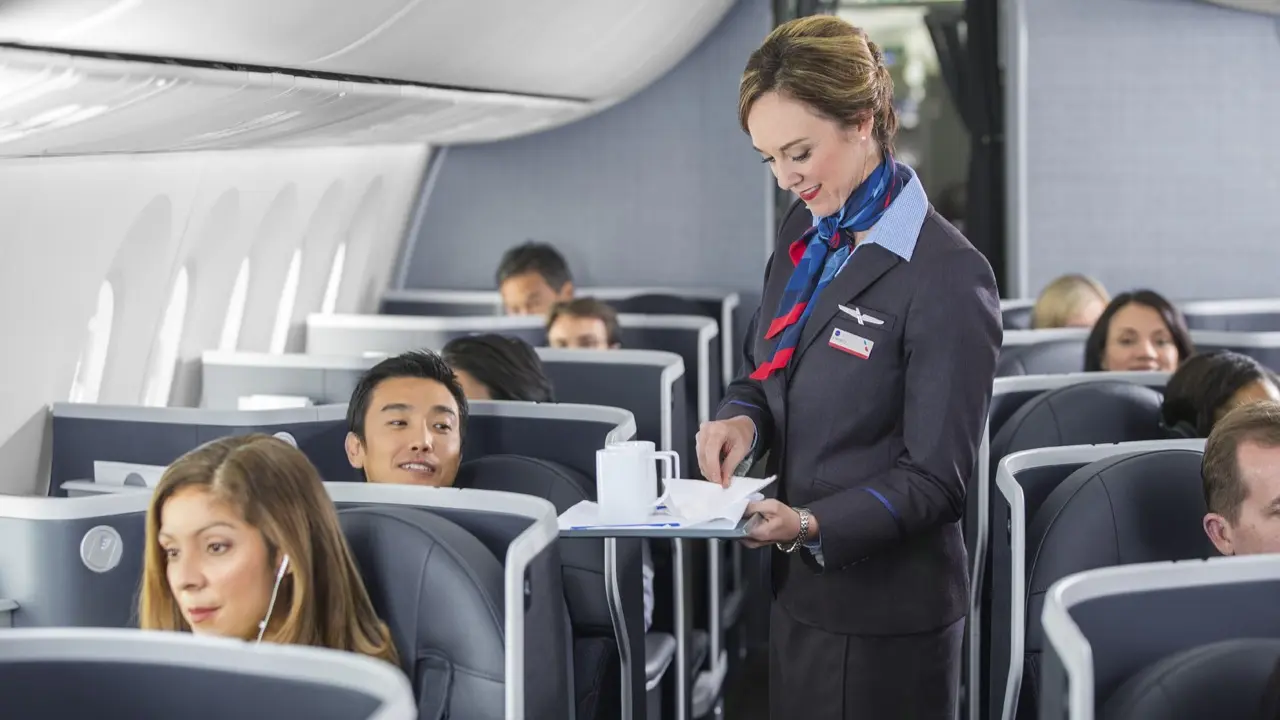
FORT WORTH- An American Airlines (AA) passenger has alleged that a flight attendant confiscated a bread roll and dessert given to him by his wife during a flight from Aruba Airport (AUA) to Charlotte Douglas International Airport (CLT), citing a policy that prohibited business class food from entering the economy cabin.
The incident, which was later shared online, has sparked debate over how airline policies should be enforced. While some acknowledged that premium cabin service rules exist, many questioned whether the situation required perfectly good food to be thrown away instead of being consumed.
American Airlines Business Class Food Dispute
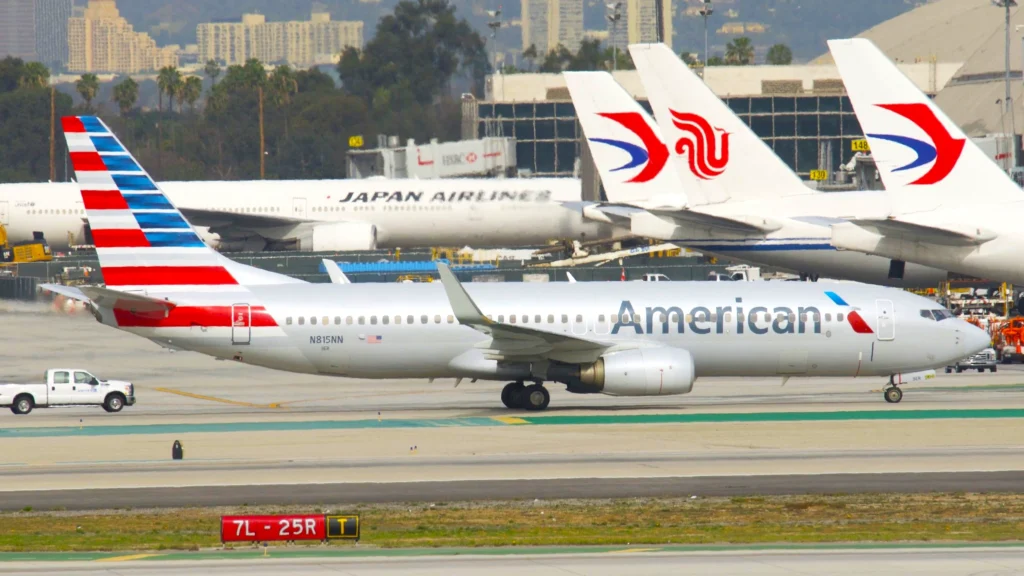
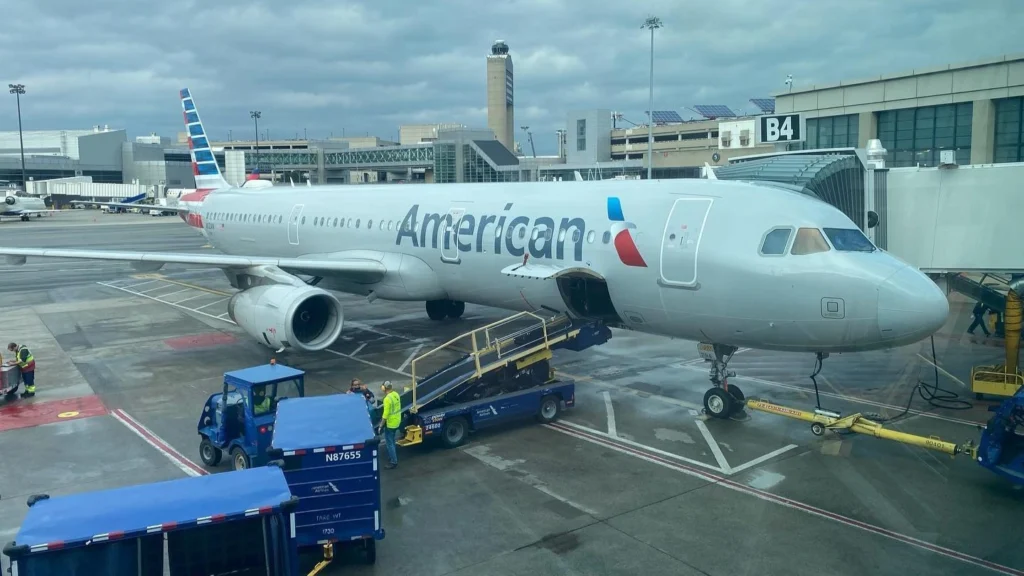
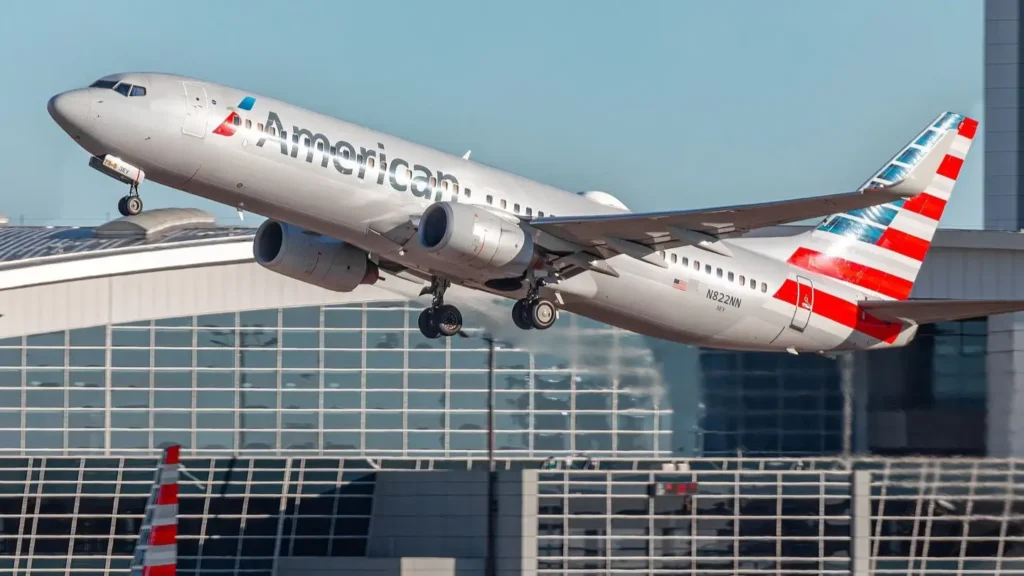
The incident reportedly occurred on an American Airlines (AA) flight between Aruba Airport (AUA) and Charlotte Douglas International Airport (CLT). The passenger was seated in Main Cabin Extra while his wife had received the only available upgrade to business class.
During meal service, the passenger’s wife was served a meal that included a bread roll and a slice of cake. Because she has gluten and dairy allergies, she could not eat either item. Rather than allowing the food to go to waste, she contacted her husband and asked if he wanted it.
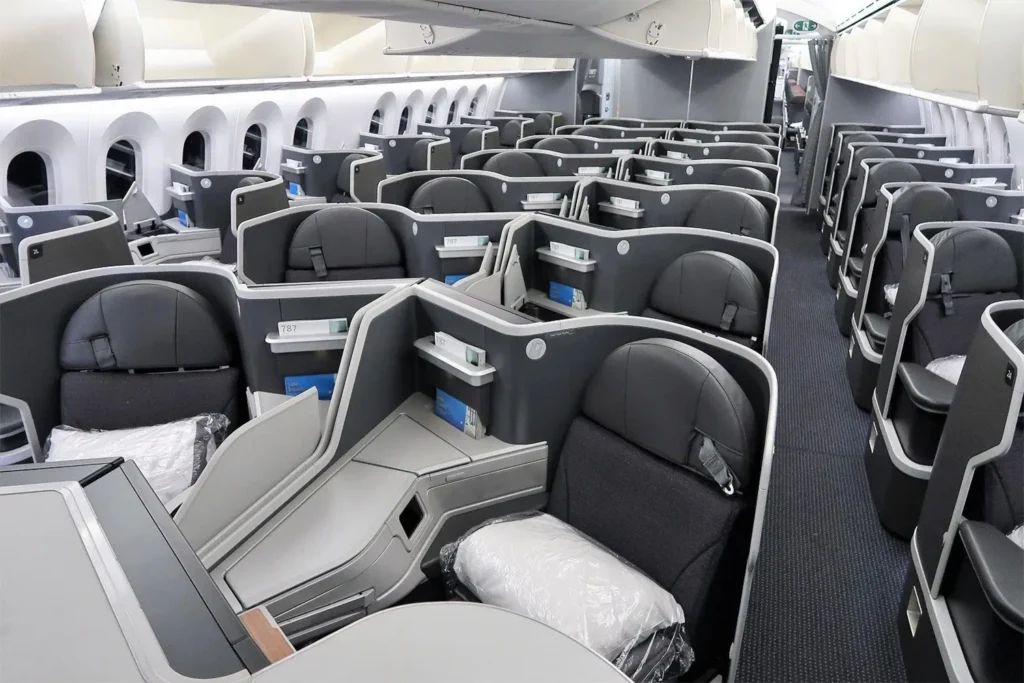
The passenger walked to the business class cabin, collected his wife’s meal plate, and returned to his economy seat with the bread roll and dessert.
According to the passenger’s account, a flight attendant immediately approached him after he sat down, removed the plate, and informed him that business class food could not cross into the main cabin.
The passenger said the flight attendant returned the plate to the premium cabin, initially believing he had taken food that did not belong to him, Live and Let’s Fly reported.
Flight Attendant Allegedly Refused to Return the Food
The passenger later explained that the meal belonged to his wife, who was seated in business class and could not eat the items because of her allergies.
He also asked whether he could temporarily switch seats with his wife so he could eat the food in business class. According to his account, the request was denied because both passengers would have had to remain in their exchanged seats for the rest of the journey.
The business class flight attendant reportedly attempted to return the meal to the passenger’s wife after learning the circumstances. However, since she still could not eat it, the bread roll and dessert were discarded.
The passenger said another flight attendant later informed him that food could be purchased from the onboard menu, but he replied that he had only wanted to prevent his wife’s unused meal from being wasted.
Premium Cabin Policies Explained
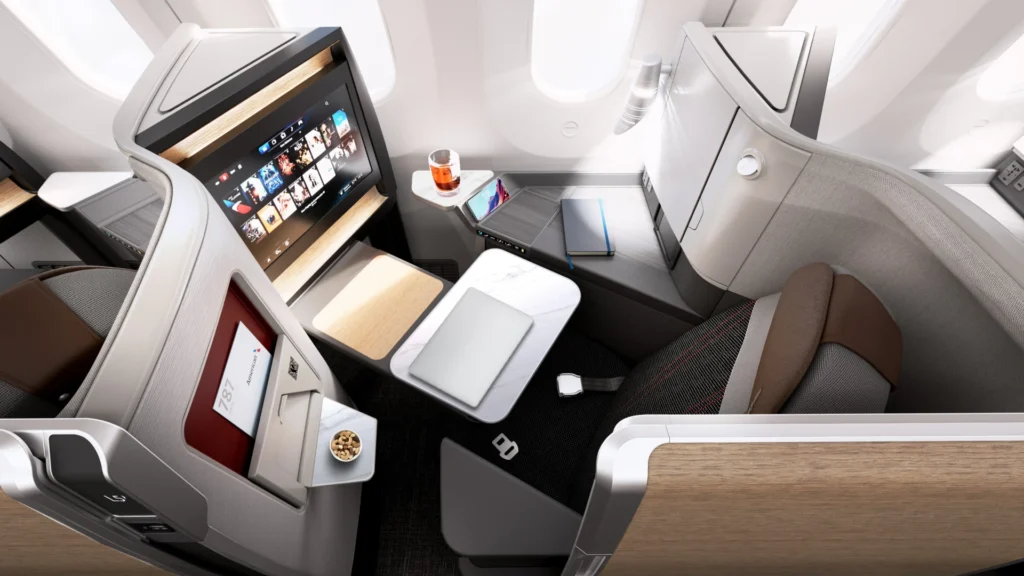
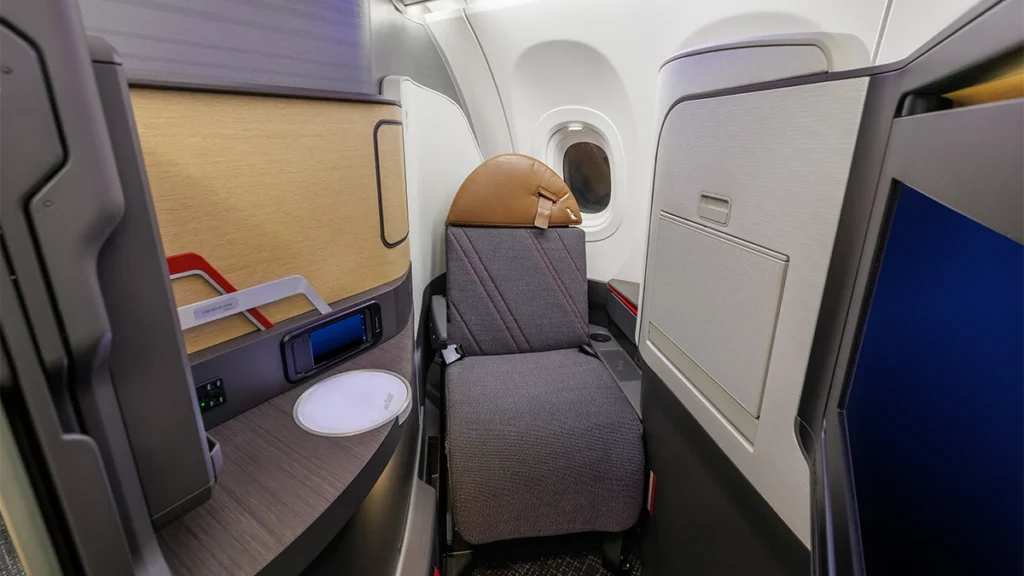
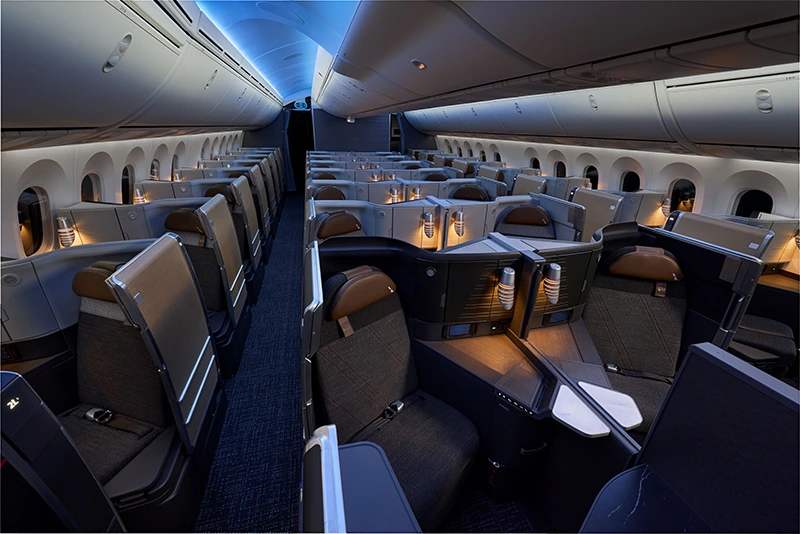
Several individuals identifying themselves as familiar with American Airlines procedures stated that premium cabin meals, plates, and service items are generally expected to remain within the business class cabin.
Such policies can serve several operational purposes.
First, they help prevent passengers from sharing premium cabin benefits with travelers seated in lower classes. They also ensure that airline tableware, glassware, and metal cutlery remain within the designated cabin and are properly collected after meal service.
Cabin crew may also avoid delivering premium meals into economy because doing so could create confusion or dissatisfaction among other passengers who did not receive the same service.
These operational considerations are common across many airlines and are intended to maintain consistency in onboard service.
Critics Question the Way the Situation Was Handled
While some observers accepted that the airline may have been following internal procedures, many questioned whether the policy required the food itself to be discarded.
Several commenters argued that the issue could have been resolved by simply removing the bread roll and dessert from the business class plate before allowing the passenger to take them back to his seat. The premium tableware and utensils could then have remained in the business class cabin.
That approach would have satisfied operational requirements while preventing unnecessary food waste.
Instead, based on the passenger’s account, the meal was thrown away despite everyone involved understanding that it belonged to his wife and that she could not consume it.
American Airlines Flight Attendant Shares Different Perspective
One commenter who identified herself as an American Airlines flight attendant said she personally would not object if a first class passenger gave unused food to a family member seated in the main cabin.
She noted that her primary concern would be ensuring that premium cabin dishes, silverware, and serving items were returned to the business class crew rather than being collected in economy.
The comment suggested that individual crew members may interpret or enforce onboard procedures differently, particularly in situations that are not specifically addressed by standard operating practices.
Although the authenticity of online comments cannot be independently verified, the response highlighted that there may be flexibility in how similar situations are managed.
Courtesy and Common Sense Remain Important
Airlines rely on policies to maintain order, protect premium products, and ensure consistent onboard service. Flight attendants are responsible for applying those policies fairly across every flight.
However, customer service also depends on communication, professionalism, and practical judgment.
In this case, critics argued that once the crew understood the bread roll and dessert belonged to the passenger’s wife and would otherwise be discarded, a more practical solution could have been found without compromising airline procedures.
The incident has therefore become less about a bread roll and a piece of cake and more about how customer service decisions influence passengers’ perception of an airline.
Bottom Line
An American Airlines passenger claims a flight attendant confiscated a bread roll and dessert that his wife, seated in business class, had given him because she could not eat them due to food allergies. According to the passenger, the food was discarded after crew members determined that premium cabin items were not permitted in the economy cabin.
While airline policies restricting business class service items may be understandable, the incident has raised questions about whether greater flexibility and common sense could have prevented unnecessary food waste and improved the customer experience.
Stay tuned with us. Further, follow us on social media for the latest updates.
Join us on Telegram Group for the Latest Aviation Updates. Subsequently, follow us on Google News
