

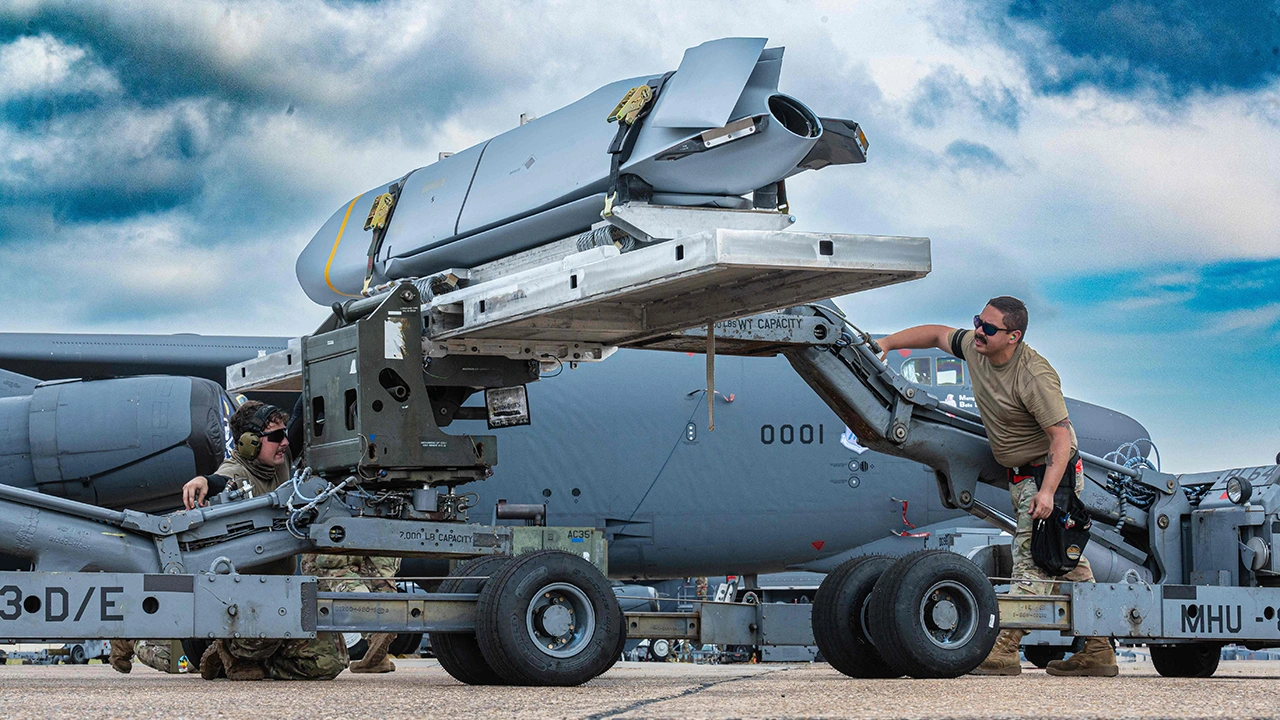
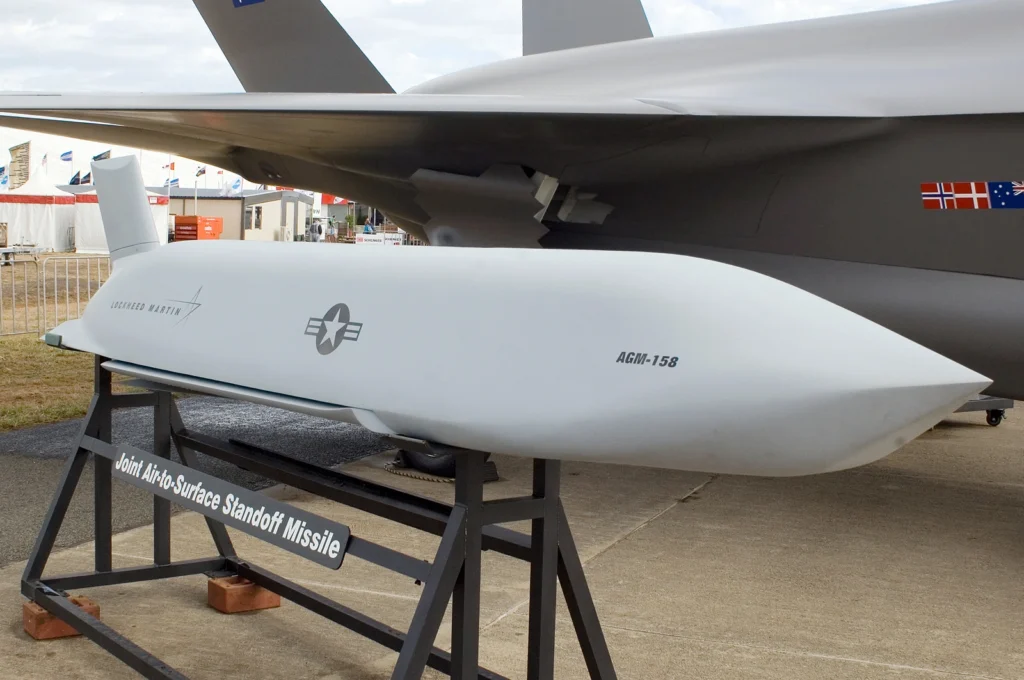
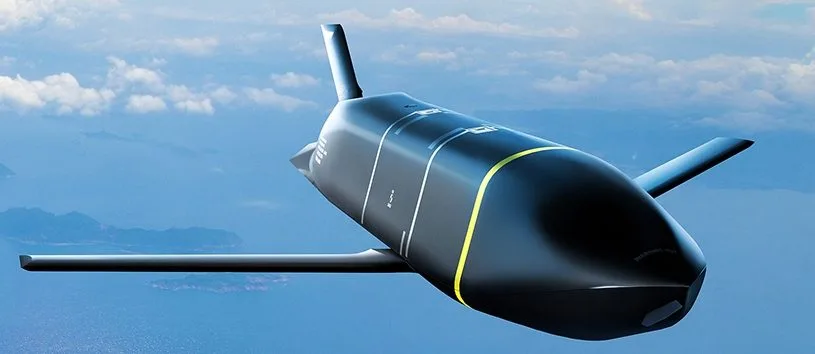
CINCINNATI- GE Aerospace and Kratos Defense & Security Solutions are advancing the GEK800, now designated F143-ZZ-100, after the US Air Force awarded the companies an engineering, manufacturing and development contract for the engine as a second source propulsion system for the Joint Air-to-Surface Standoff Missile (JASSM) programme.
The F143-ZZ-100 is an 800 pound-thrust turbofan developed for long-range missiles and uncrewed systems, with the programme also supporting broader US efforts to develop compact, affordable and high performance propulsion for cruise missiles, collaborative combat aircraft and other uncrewed aerial vehicles.
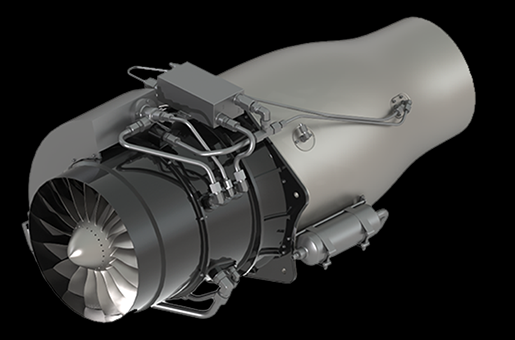
F143 Engine Advances in JASSM Propulsion Programme
The US Air Force award moves the GEK800 into the engineering, manufacturing and development phase as a second source propulsion option for JASSM.
The programme is intended to strengthen the US industrial base by developing additional capacity for compact military turbofan engines that can be produced efficiently for long-range weapons and uncrewed platforms.
The engine is officially designated F143-ZZ-100, while GEK800 remains the development name used by GE Aerospace and Kratos.
Its 800-pound thrust class places it in the small-engine category being developed for systems that require a combination of performance, affordability, and scalable manufacturing.
GE Aerospace has described its small-engine work as supporting affordable, adaptable, and high-performance propulsion for uncrewed and autonomous systems.
The JASSM application gives the F143 programme a direct role in cruise-missile propulsion, while its architecture also supports applications across a wider family of uncrewed and autonomous defense systems.
EDITOR’S NOTE: To get the latest and timely Aviation and News Update, make us your Preferred Source.
GE Aerospace and Kratos Build on Earlier Development Work
GE Aerospace and Kratos began working together on the GEK800 in 2023. Their effort was supported by internal investment and US Air Force Research Laboratory backing during the Technology Maturation and Risk Reduction (TMRR) phase.
The companies reported more than 50 successful ground engine starts at GE Aerospace and Kratos testing facilities. The programme then progressed to altitude testing at Purdue University’s Maurice J. Zucrow Laboratories in 2025.
GE Aerospace said the altitude test campaign was intended to collect engine-performance data across different simulated operating conditions.
The partners announced the successful completion of GEK800 altitude testing in 2025. The test work formed an important part of the engine’s technical maturation and provided data for subsequent development efforts.
GE Aerospace and Kratos have positioned the GEK800 as more than a single engine programme. The companies are using the development work and technical lessons from the engine to support a broader family of small, affordable propulsion systems for missiles, unmanned aerial systems and Collaborative Combat Aircraft.
Partnership Focuses on Affordable, High-Rate Production
GE Aerospace Defense & Systems President and CEO Amy Gowder said the F143-ZZ-100 designation and the EMD award demonstrate the performance and capability of the GEK800 and the strength of the partnership with Kratos.
Kratos President and CEO Eric DeMarco said the companies are working with the US Air Force to support the reindustrialization of US manufacturing capacity and capability for low-cost jet engines that can be produced rapidly and in large quantities for drones, cruise missiles and other systems.
The industrial strategy is central to the programme. GE Aerospace contributes extensive propulsion engineering and manufacturing expertise, while Kratos brings experience developing and producing small, affordable engines for unmanned systems, drones and missile platforms.
Their partnership is intended to connect rapid engine development with high-rate manufacturing.
GE Aerospace and Kratos formalised a broader teaming agreement in 2025 covering the development, manufacture, testing and fielding of the GEK800 and additional low-cost expendable turbofan engines. The agreement built on an earlier memorandum of understanding between the companies.
GEK800 Supports a Broader Small-Engine Family
The GEK800 development has also contributed to the GEK1500, a 1,500-pound-thrust engine being developed for small Collaborative Combat Aircraft and other uncrewed platforms.
In February 2026, GE Aerospace and Kratos received a $12.4 million US Air Force contract to complete the preliminary design of the GEK1500.
GE Aerospace said the engine would use lessons from GEK800 development and altitude testing while targeting high performance and aggressive cost targets for affordable mass production.
The GEK1500 programme demonstrates how the companies are applying the GEK800 architecture and development experience to larger thrust classes.
GE Aerospace has said the GEK800 and GEK1500 are part of an expanding family of propulsion systems for missiles, unmanned aerial systems and Collaborative Combat Aircraft.

GE426 Adds a Medium-Thrust Autonomous Aircraft Track
The GEK800 programme is also part of a wider GE Aerospace effort covering several thrust classes.
On May 19, 2026, GE Aerospace announced that it had received a US Air Force contract to advance the GE426 engine through preliminary design review for the Air Force’s medium-thrust Autonomous Collaborative Platform effort.
The GE426 is intended to support autonomous combat aircraft, while the Autonomous Collaborative Platform initiative focuses on uncrewed systems operating as coordinated teams alongside crewed aircraft.
The GE426 programme complements the GEK800 and GEK1500 work by addressing a different thrust class and mission requirement.
Together, the programmes show GE Aerospace’s broader approach to developing affordable propulsion across multiple autonomous and uncrewed aircraft categories.
What the F143 Designation Means for JASSM
The F143-ZZ-100 designation and EMD award mark a further step toward establishing the GEK800 as a qualified alternative propulsion source for the JASSM programme.
For the US Air Force, the effort combines engine maturation with a broader objective of strengthening domestic manufacturing capacity for affordable, rapidly producible propulsion systems.
The GEK800’s test history, formal designation and transition into EMD provide the programme with a clearer path from technology development toward production-oriented capability.
The programme also illustrates how one small-engine architecture can support several defense applications.
The GEK800 is positioned for long-range missiles and uncrewed systems, the GEK1500 extends the approach into higher-thrust applications, and the GE426 addresses medium-thrust autonomous combat aircraft.
Stay tuned with us. Further, follow us on social media for the latest updates.
Join us on Telegram Group for the Latest Aviation Updates. Subsequently, follow us on Google News
